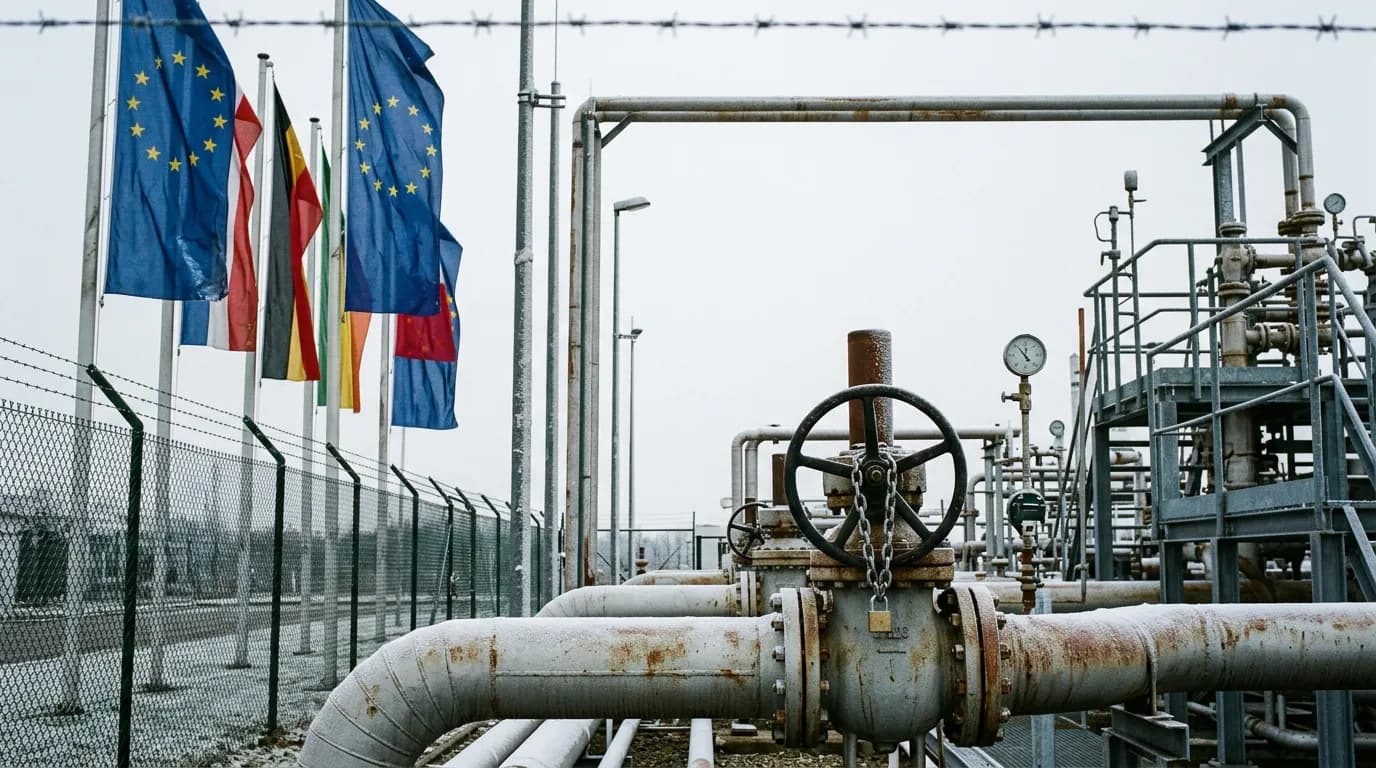
EU agrees grid permit deadlines as gas stocks run low into winter
EU negotiators agreed early on 18 November to put legal time limits on permits for power lines, storage and clean energy projects. The deal will not lower bills this winter, but it shapes the rules for planned cables that would carry Caspian clean power to Europe through Georgia and Türkiye.
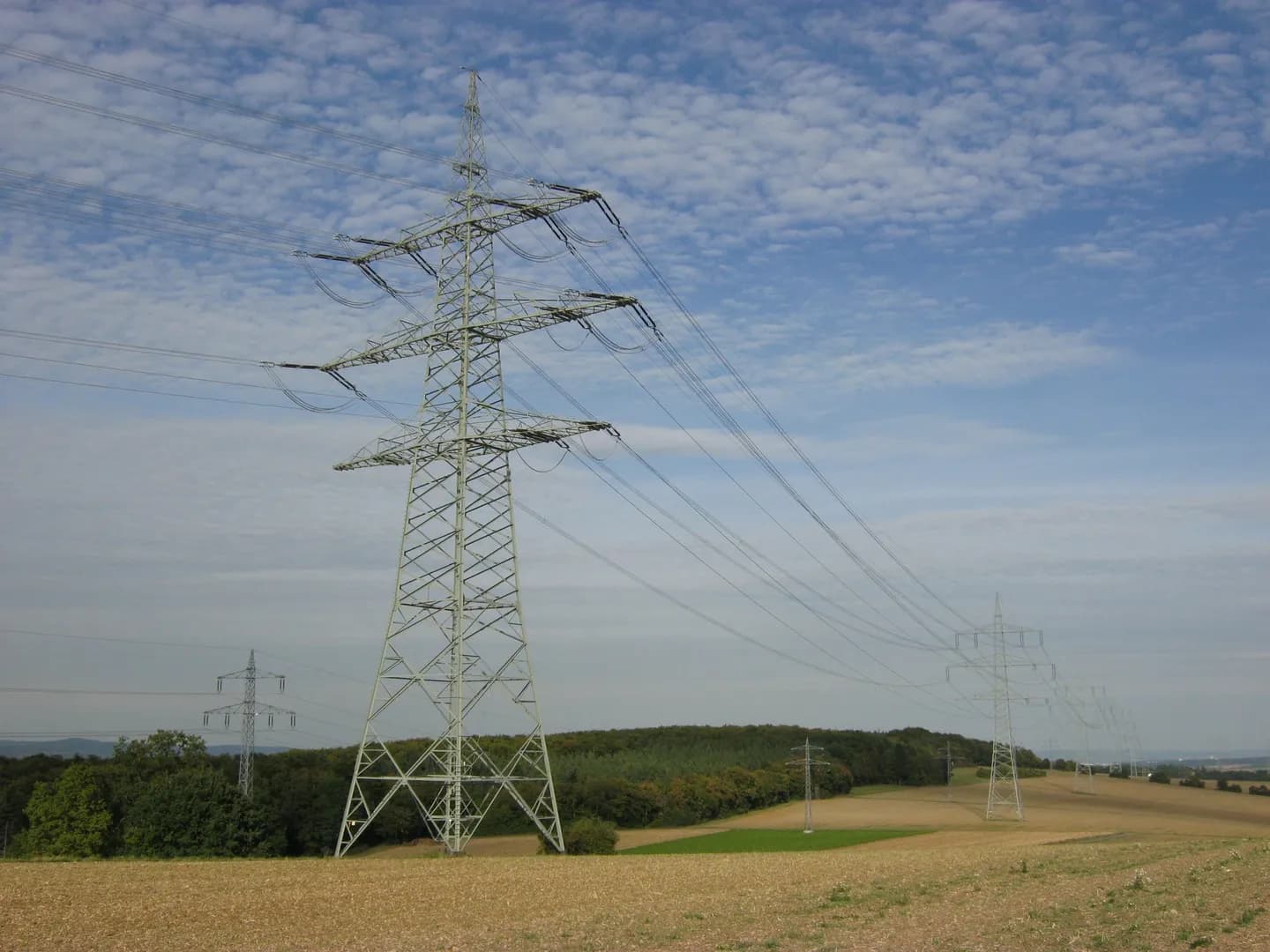
Building a high-voltage transmission line in the EU takes more than 10 years on average, and permitting eats up more than half of that time, according to the European Commission. Negotiators for the European Parliament and the member states agreed early on 18 November to shorten that wait. Their provisional deal, the first piece of the European Grids Package to be settled, brings in the first legal time limits for permits covering transmission and distribution grids, charging stations and stand-alone storage.
It lands in a tight market. EU gas storage was 70.2% full on gas day 16 November, against a 2021–2025 average of 88.2%, according to AGSI+ data compiled by EnergyRiskIQ. December Dutch TTF gas futures last traded at €81.26 per megawatt-hour on ICE Endex on 18 November, in a trade time-stamped 21:59 GMT, down almost 5% on the day. A year earlier the benchmark stood near €30, and LNG cargoes leaving the Strait of Hormuz are estimated at about a third of pre-war levels, Oilprice.com reported on 17 November.
What the deal changes
Under the agreed text, authorities get three months to decide on permits for solar equipment and storage installed alongside it (hydrogen excluded), six months for stand-alone storage and charging stations, and two years for pumped hydro storage, the European Parliament said. Grid connection procedures are capped at three months, or six where duly justified.
Renewable and grid projects will be presumed to serve an overriding public interest, which removes several administrative hurdles. Governments can set that presumption aside only for cultural heritage or for security and defence. Each member state must offer one digital portal covering every permit step.
Small solar, storage and charging installations will need a permit only above 200 kilowatts, up from 100. Projects larger than 7 megawatts, down from 10, will have to share economic benefits with the communities that host them.
"Acceleration and simplification are not mere political slogans," said Borys Budka, the Polish centre-right MEP who chairs Parliament's industry, research and energy committee. Niels Fuglsang, the Danish Social Democrat who led the talks for Parliament, called the result "a very important step" for renewables and grids. The committee, the full Parliament and the Council must still formally approve the text, and neither the Commission nor Parliament has said when the new deadlines would start to apply.
No relief this winter
Dan Jørgensen, the EU energy commissioner, made no promises on bills. "We unfortunately, for sure, have to prepare for a difficult winter," he told Euronews. Of energy prices, he said: "We don't even know if they will come down." Even if the situation normalised, he added, prices would take months to follow.
His longer-term argument is that more renewables, traded across borders, are the main way to cut costs. Cross-border power links already save Europe more than €30bn a year, he said.
Critics say quicker approvals will not lower bills on their own while the question of who pays for new grids is unresolved. Sweden has fought parts of the wider package, arguing that it would divert money from Swedish consumers and grid operators to networks elsewhere in Europe, Euronews reported.
Why it matters east of the EU
For the EU's neighbours, the package's second leg may count for more. Talks continue on a revised trans-European energy networks (TEN-E) regulation, the rulebook for EU infrastructure planning under which cross-border schemes seek "mutual interest" status.
That is where the Caspian corridor comes in. The planned Green Energy Corridor, a power link from Azerbaijan through Georgia and under the Black Sea to Romania and Hungary, is costed at €14.3bn for transmission and €22.1bn including dedicated renewable generation, Balkan Green Energy News reported in October. The first of its three links is due in 2032. Its developer, GECO, is registered in Bucharest and held in equal shares by grid operators from Azerbaijan, Georgia and Romania together with Hungary's state utility MVM and its grid operator MAVIR. It wants Project of Mutual Interest status under TEN-E.
A second, overland route is taking shape too. On 10 November in Antalya, Azerbaijan, Bulgaria, Georgia and Türkiye signed a clean energy partnership that lifts a 2025 memorandum to an intergovernmental agreement and commits the four to expand existing cross-border lines and plan new ones, Trend reported. Kamal Hajiyev, spokesperson for Azerbaijan's Renewable Energy Agency, said his country was becoming "a 'green energy bridge' between the Caspian region and Europe".
Brussels also used the Antalya climate talks, scheduled to close on 20 November, to back the Turkish hosts. On 17 November the EU endorsed the COP31 presidency's pledge to raise electricity's share of final energy use worldwide by 35% by 2035. At home, electricity covers only 23% of final energy use even though about 70% of EU power already comes from domestic clean sources, the Commission says. It estimates that reaching its indicative 46% electrification target for 2040 could cut the bloc's fossil fuel import bill by €260bn a year.
For companies weighing grid, storage or interconnector projects, the deal promises quicker decisions once it is adopted and written into national law. Relief this winter depends on other things: the weather, with models pointing to a cold spell from about 20 November according to Oilprice.com, and how fast LNG traffic through Hormuz recovers.
Related on EUReflect: Southern Caucasus corridors and Europe's energy supply · The capitals that pushed back on the Commission's grid plans · Is Europe facing a winter energy blackout?
Main image: A 380-kilovolt transmission line near Serres in south-west Germany; the EU deal sets the first legal deadlines for grid permits. Photo: Kiribat / Wikimedia Commons, CC0.
Related Topics
EUReflect News
Site Administrator
Follow EUReflect
See more of our reporting on Google
Mark EUReflect as a preferred source and our stories are ranked higher for you in Top Stories, Discover and Google News — and carry a “preferred” badge when they are cited in AI results.
Add EUReflect as a preferred source