For years Azerbaijan's role in Europe was measured in gas volumes; the Niš investment marks a shift to owning the infrastructure that produces electricity and heat for European households.
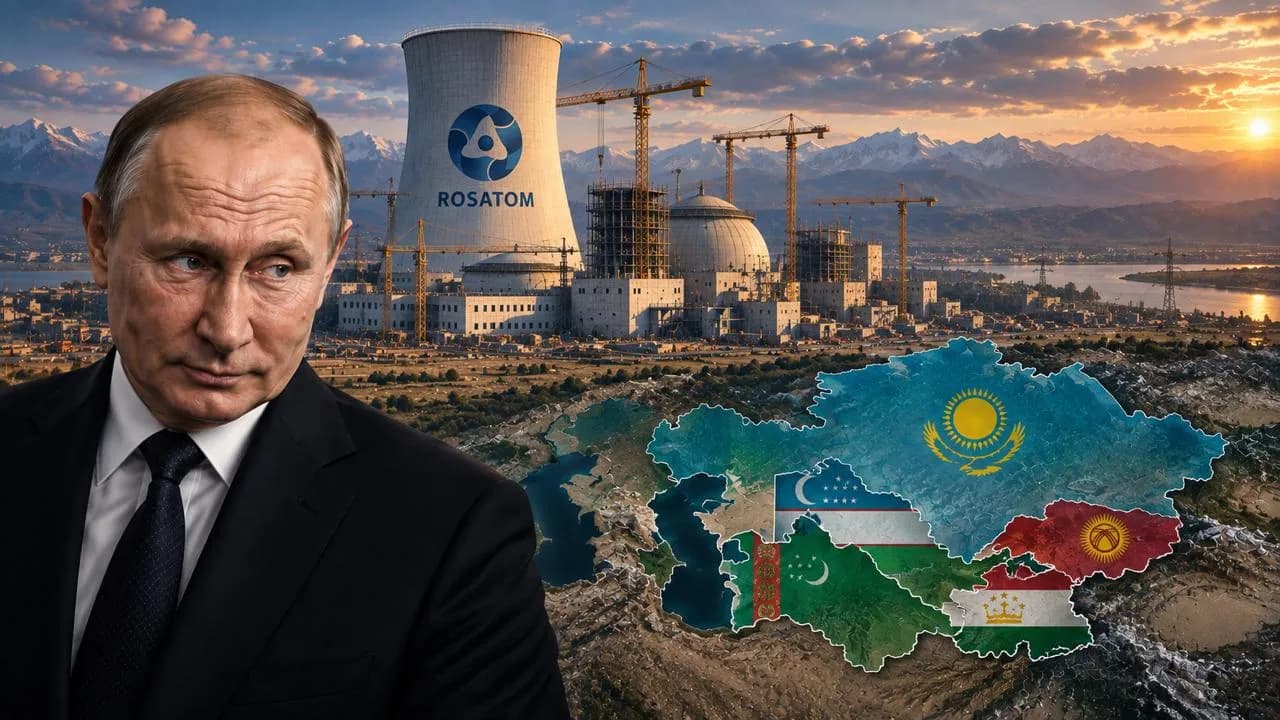
The EPC contract covers two VVER-1200 units with a combined 2,400 MW capacity, with construction slated to begin in 2027 and commissioning in the mid-2030s.
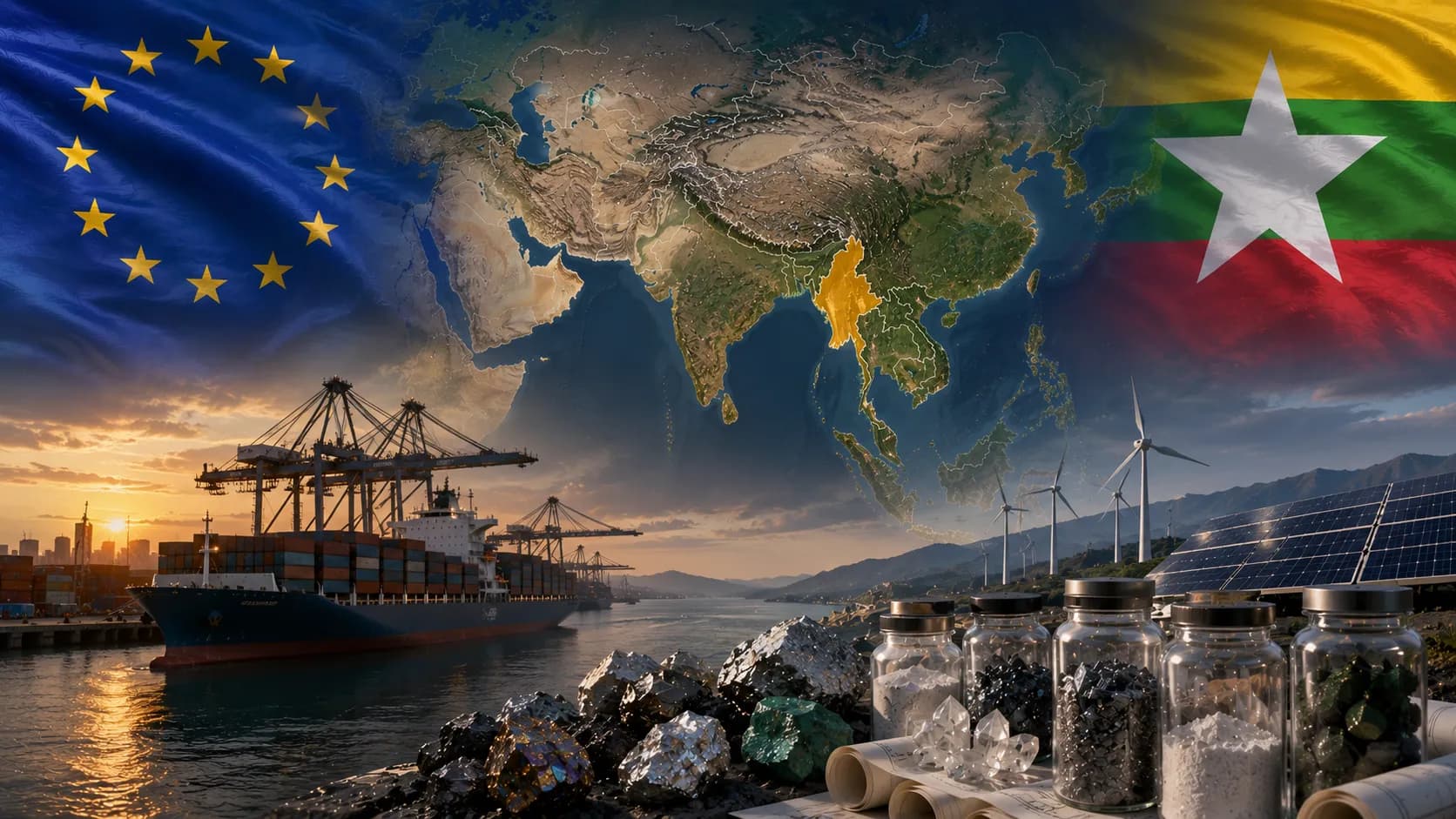
As the EU seeks to diversify critical mineral supplies, Myanmar's role as a top producer is undercut by Beijing's grip on processing, leaving Western buyers paying a structural premium.
Germany plans to establish a 24 TWh strategic gas reserve to improve resilience against major supply disruptions. The initiative reflects a broader shift in European energy security, emphasizing preparedness, infrastructure protection, and long-term strategic planning beyond seasonal storage.
The U.S. has drafted an IAEA resolution demanding Iran disclose its nuclear materials and bombed site status. With 440kg of enriched uranium unaccounted for, Washington pushes for transparency amid fragile ceasefire talks, facing opposition from Russia and China at the 35-nation board.
Japan’s sharp decline in Middle Eastern oil imports following disruptions in the Strait of Hormuz signals a new phase in the global energy crisis. Europe may face rising energy costs, tougher competition for LNG and oil supplies, inflationary pressure, and renewed industrial challenges.
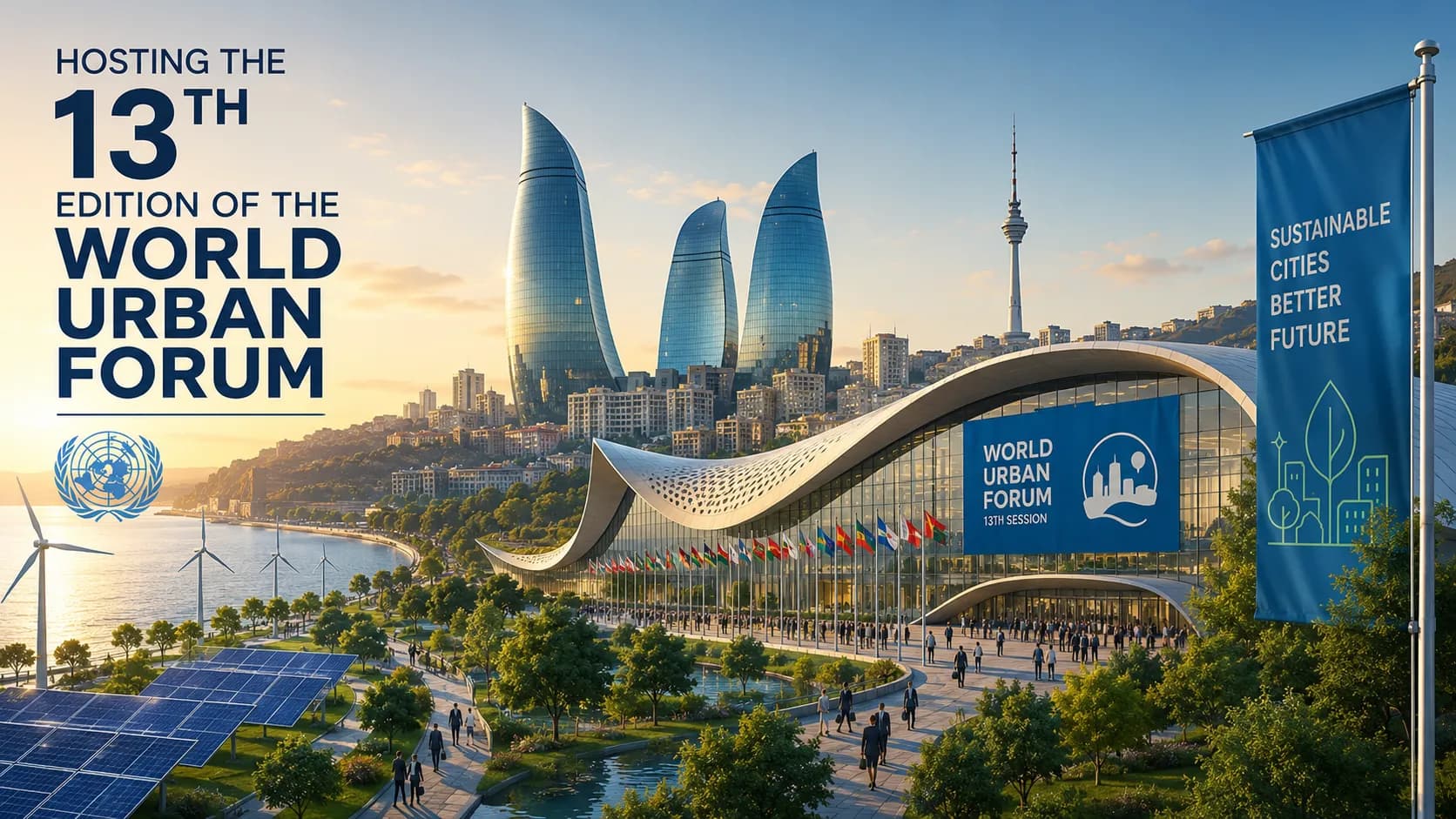
Azerbaijan is positioning Baku’s 2026 World Urban Forum as a global platform for urban innovation, green economy transition, and post-conflict reconstruction. The country aims to showcase smart cities, attract investment, and link sustainability with regional development strategy long-term vision.
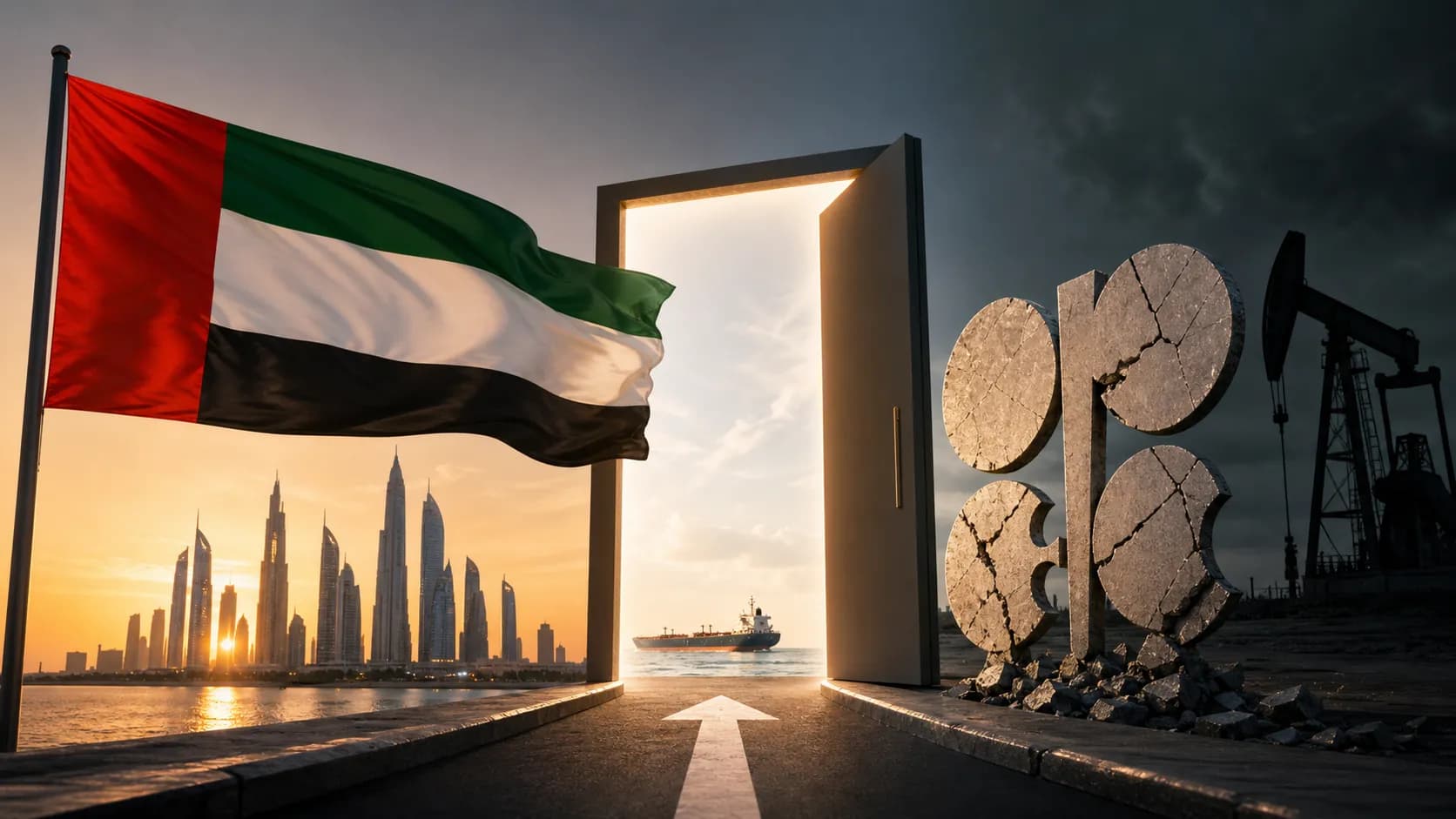
The UAE exits OPEC and OPEC+, citing national interests and production limits. Explore the impact on global oil markets, Gulf tensions, and post-war energy dynamics.
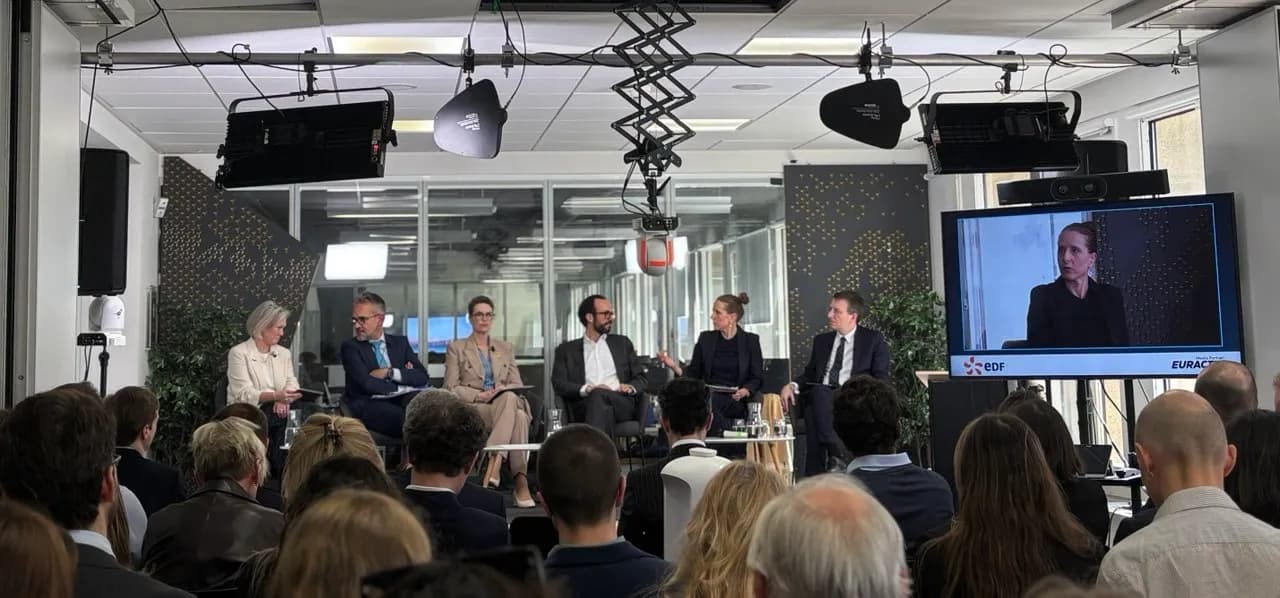
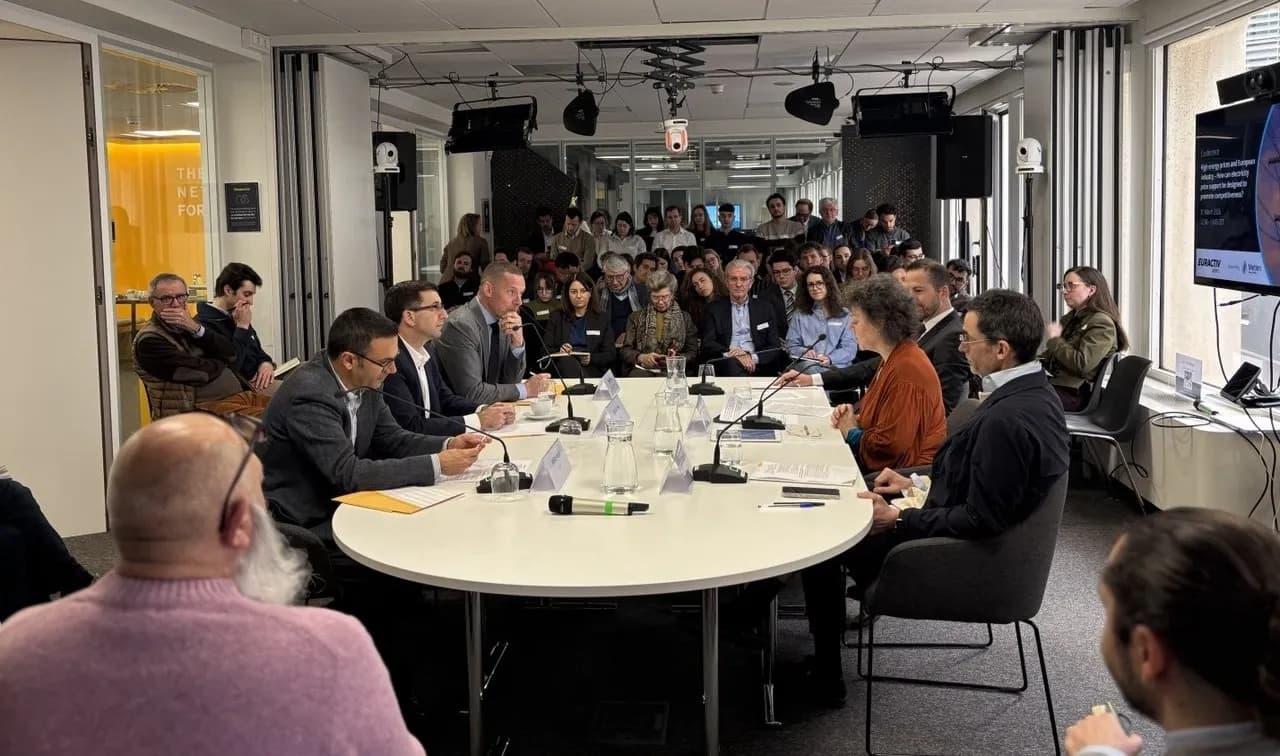
Brussels once again became a focal point for Europe’s energy debate this week, as policymakers, industry figures and analysts gathered for a discussion hosted by Euractiv in partnership with EDF.
The event, titled “EDF’s Net Zero scenario – A pathway to a competitive, sovereign and decarbonized Europe,” brought together a cross-section of voices at a moment when the European Union is under increasing pressure to reconcile its climate targets with economic competitiveness and geopolitical realities.
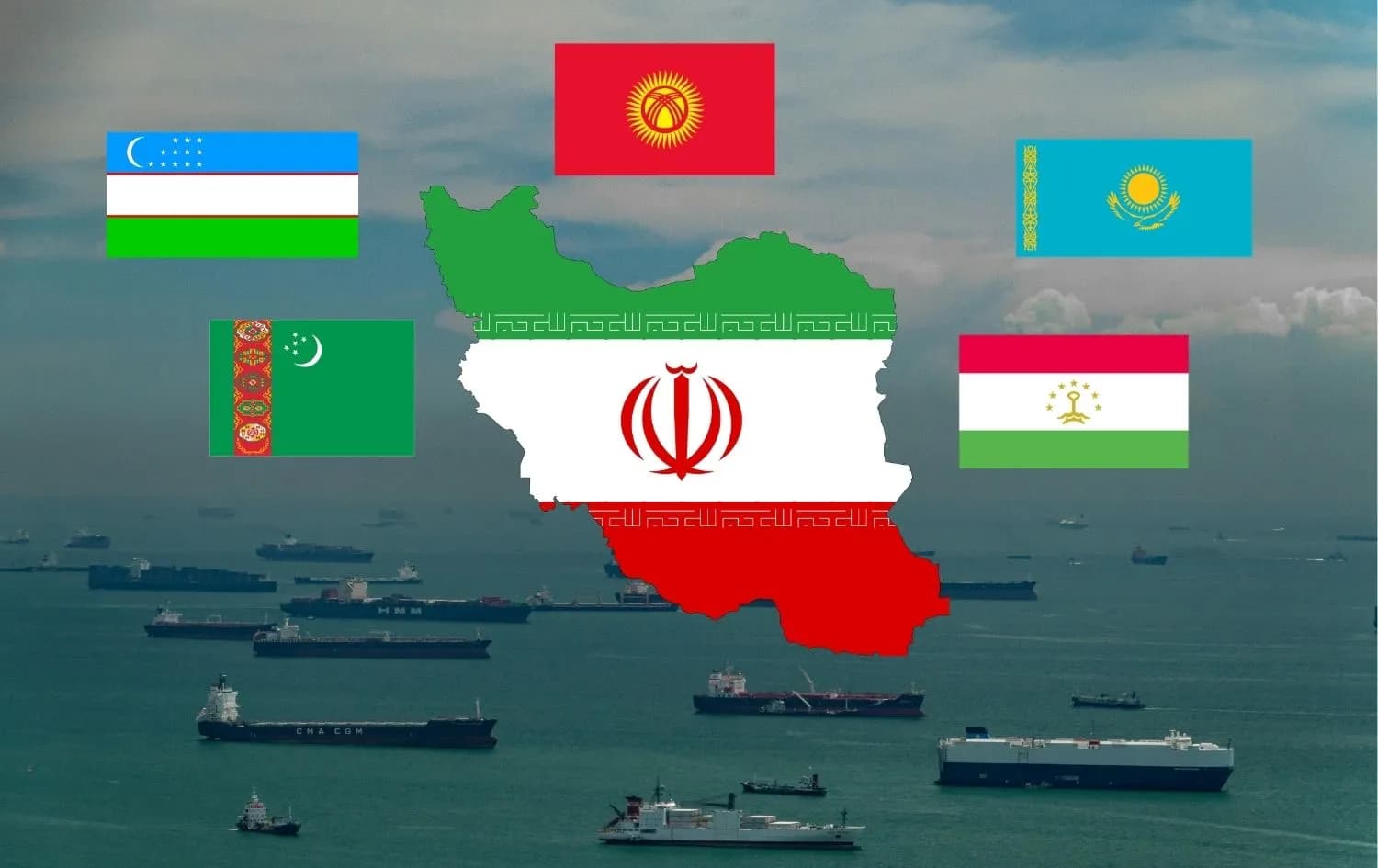
Iran’s resistance to Israel and the US affects Strait of Hormuz energy security, creating both opportunities and risks for Central Asia. Rising energy prices, stronger transit routes, and export demand may benefit the region, while inflation, instability, and geopolitical rivalry pose serious long-term challenges.
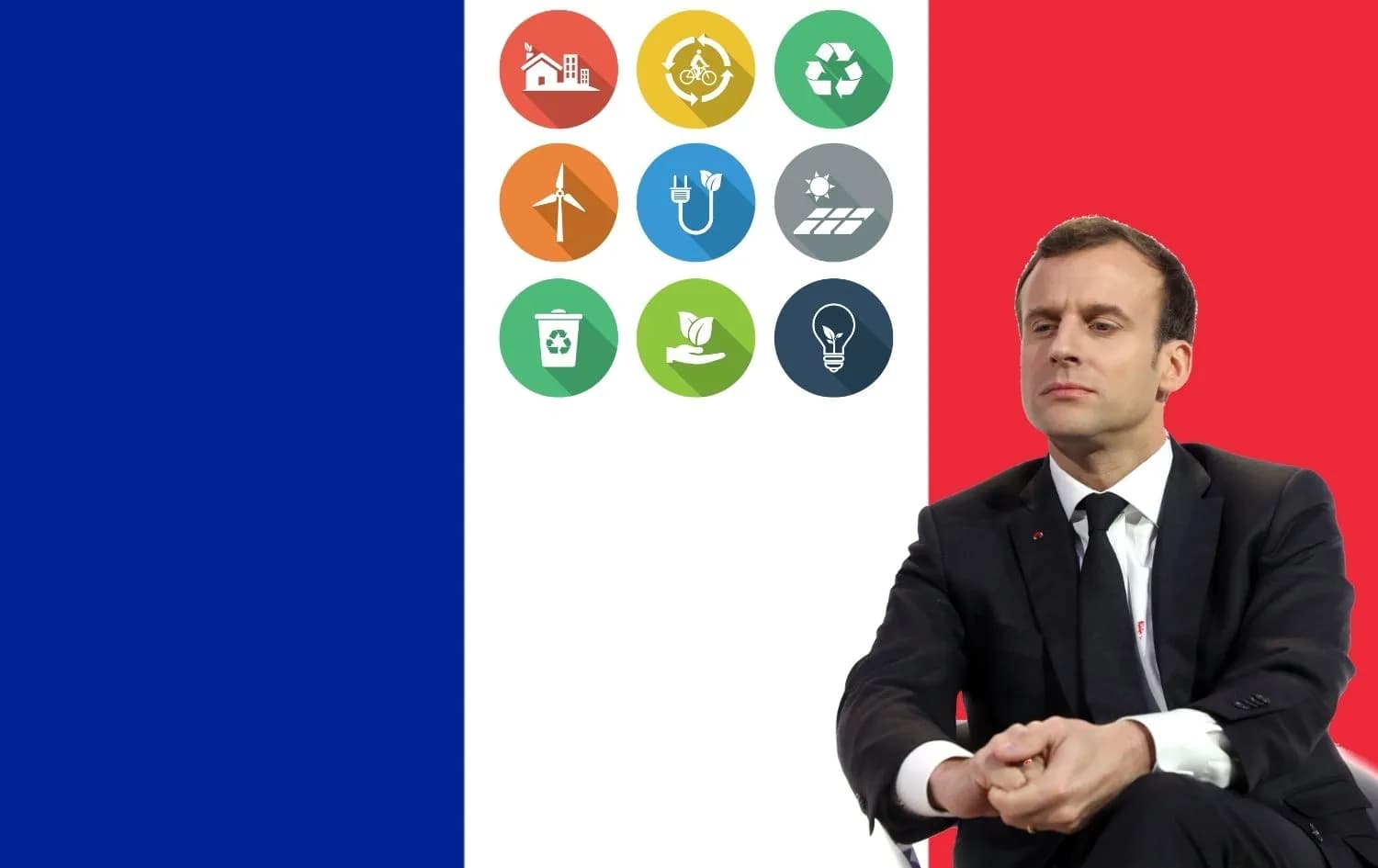
At the EU summit, Macron stated that increasing global supply is the sustainable solution to high energy costs, proposing the reintegration of sanctioned producers like Iran and Venezuela. The policy prioritizes energy security and economic stability while raising geopolitical tensions.
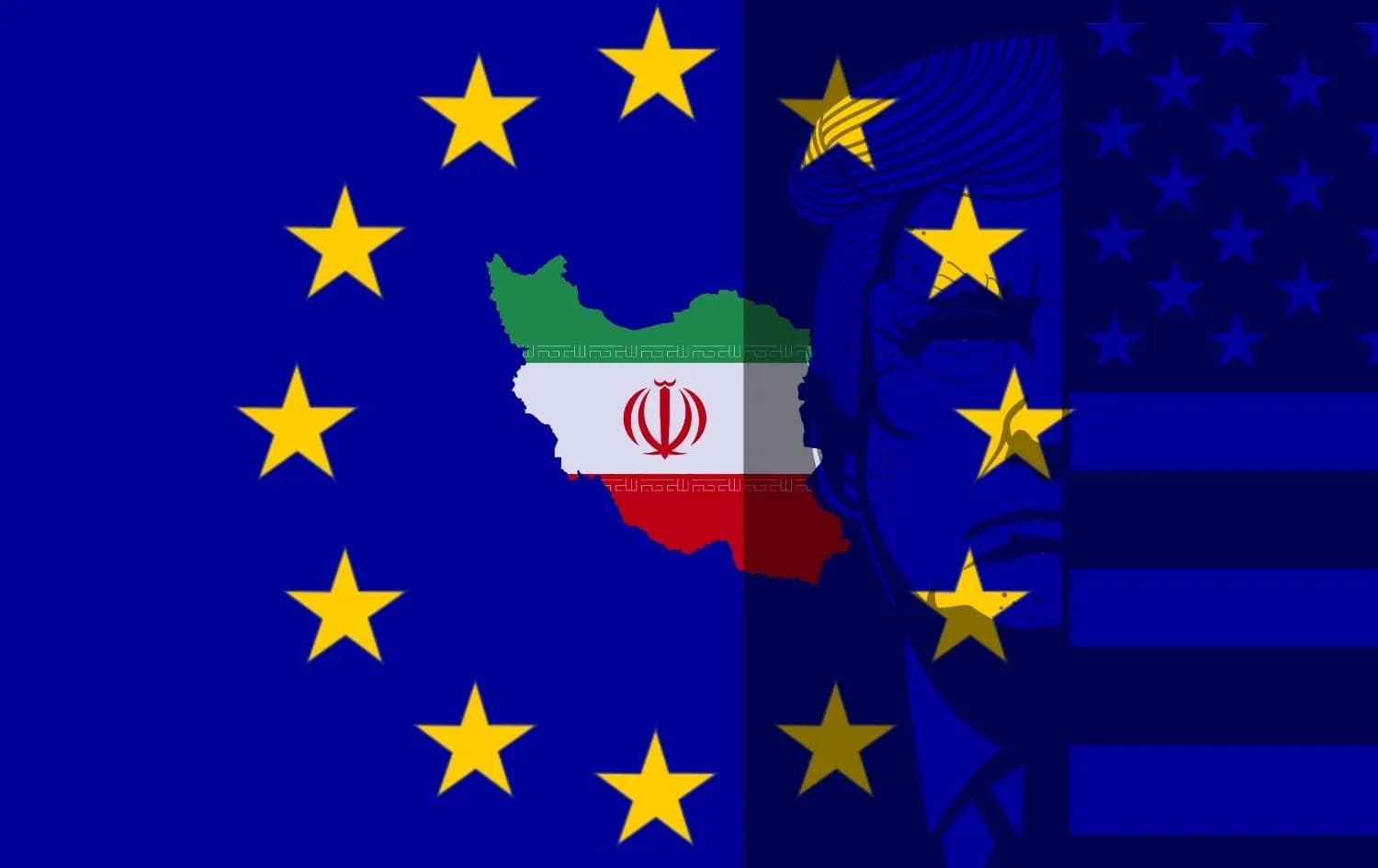
Anitta Hipper stressed diplomacy in the Iran crisis, warning against attacks on civilian infrastructure. Donald Trump escalated threats, while António Costa called such actions illegal. Strait of Hormuz closure drives oil prices up.
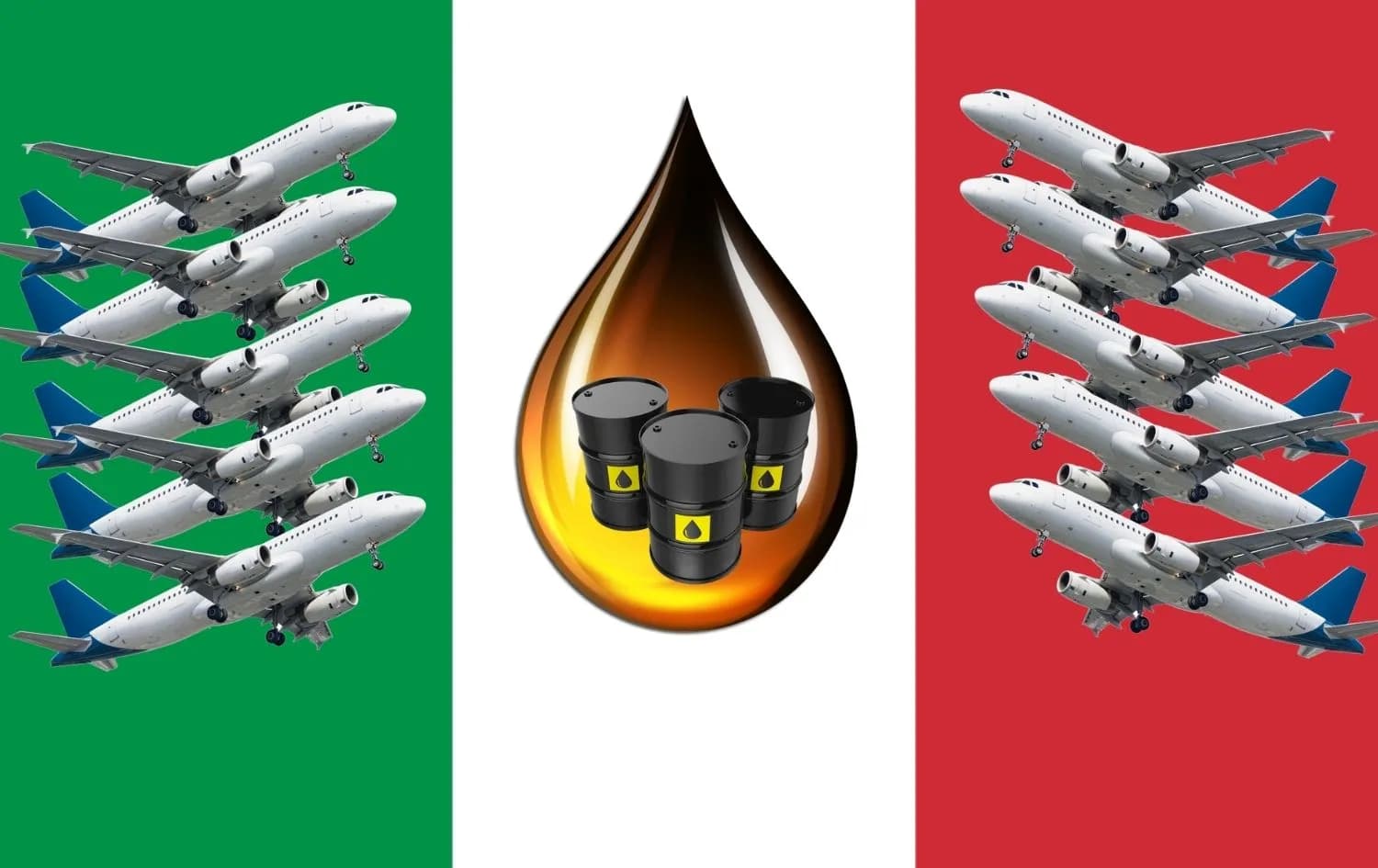
Fuel shortages at Milan Linate Airport, Bologna Guglielmo Marconi Airport, Venice Marco Polo Airport, and Treviso Airport led to refueling limits, prioritizing critical flights. The crisis is linked to the Iran war and disruptions near the Strait of Hormuz.
BRUSSELS — Against the backdrop of persistent high energy costs that continue to weigh on Europe’s industrial base, policymakers and industry leaders gathered at the Euractiv Network Office on 31 March 2026 to dissect a critical question: how can state support for electricity prices be designed to bolster competitiveness without distorting the market?
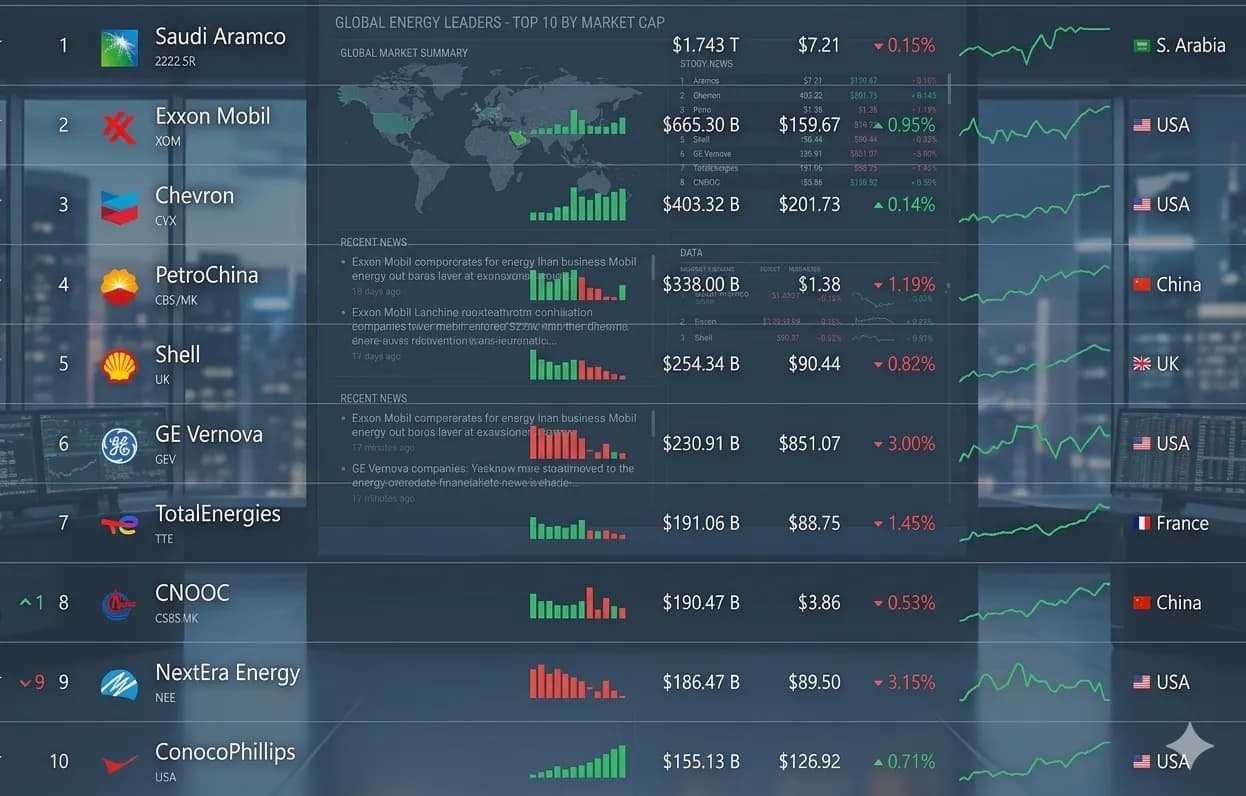
As of March 2026, Saudi Aramco dominates the global energy sector with a market capitalization of $1.74 trillion, far ahead of competitors. U.S. companies hold strong positions, with Exxon Mobil ($665.30 billion) and Chevron ($403.32 billion) ranking second and third, alongside GE Vernova and Nextera Energy, which highlight the growing role of renewables and technology. Europe’s Shell ($254.34 billion) and TotalEnergies ($191.06 billion) remain key players, while China’s PetroChina ($338 billion) and CNOOC ($190.47 billion) underscore Asia’s influence. Despite overall negative price movements, Exxon Mobil and ConocoPhillips showed gains. GE Vernova stands out with the highest share price at $851.07. Overall, the data reflects a shifting energy landscape where traditional oil giants coexist with emerging renewable-focused firms, intensifying competition between East and West.
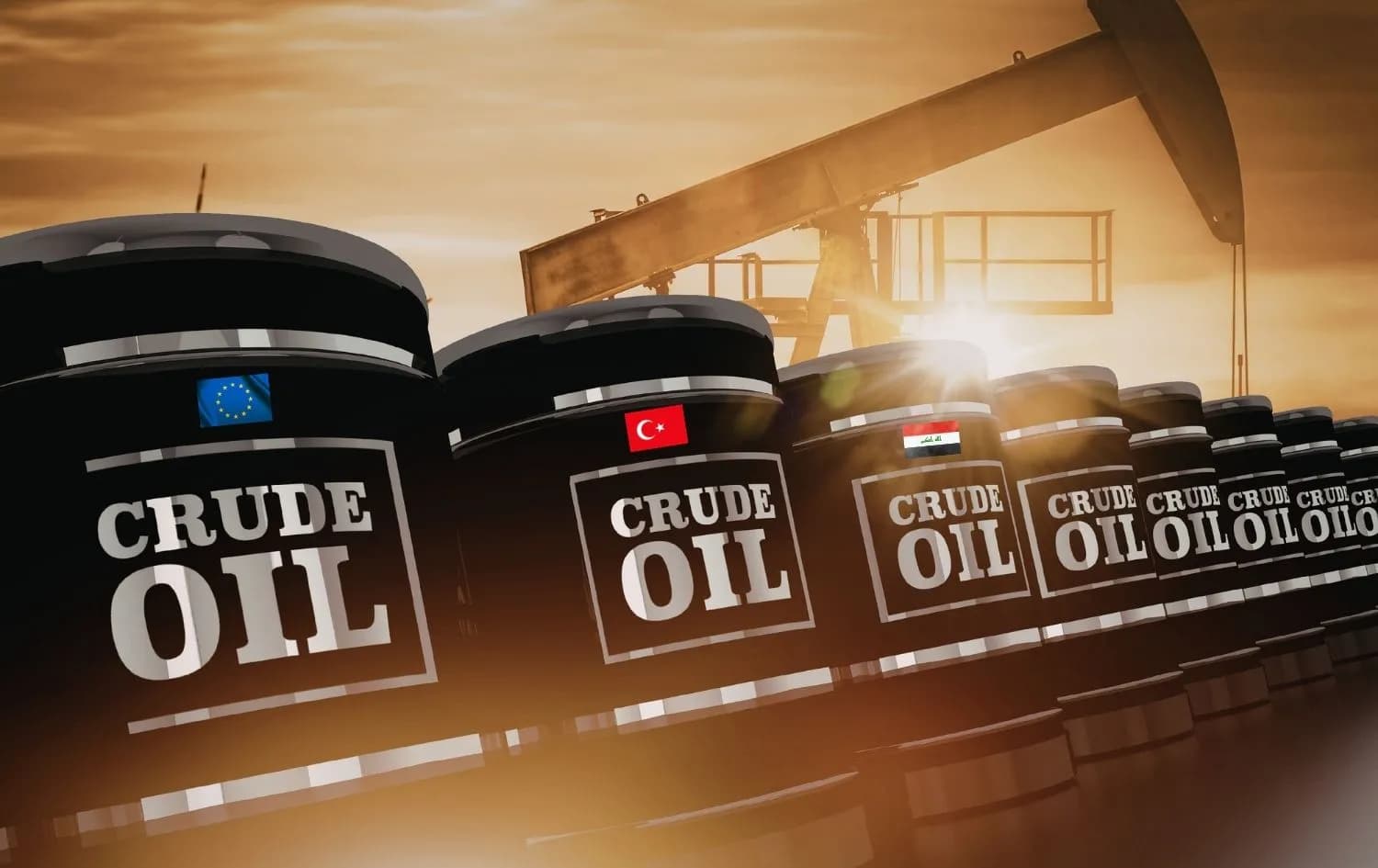
Rising tensions in the Middle East and the potential closure of the Strait of Hormuz pushed global oil prices sharply higher. The crisis threatens supply chains, raises energy costs, and creates economic risks for Europe, Iraq, and Turkey.
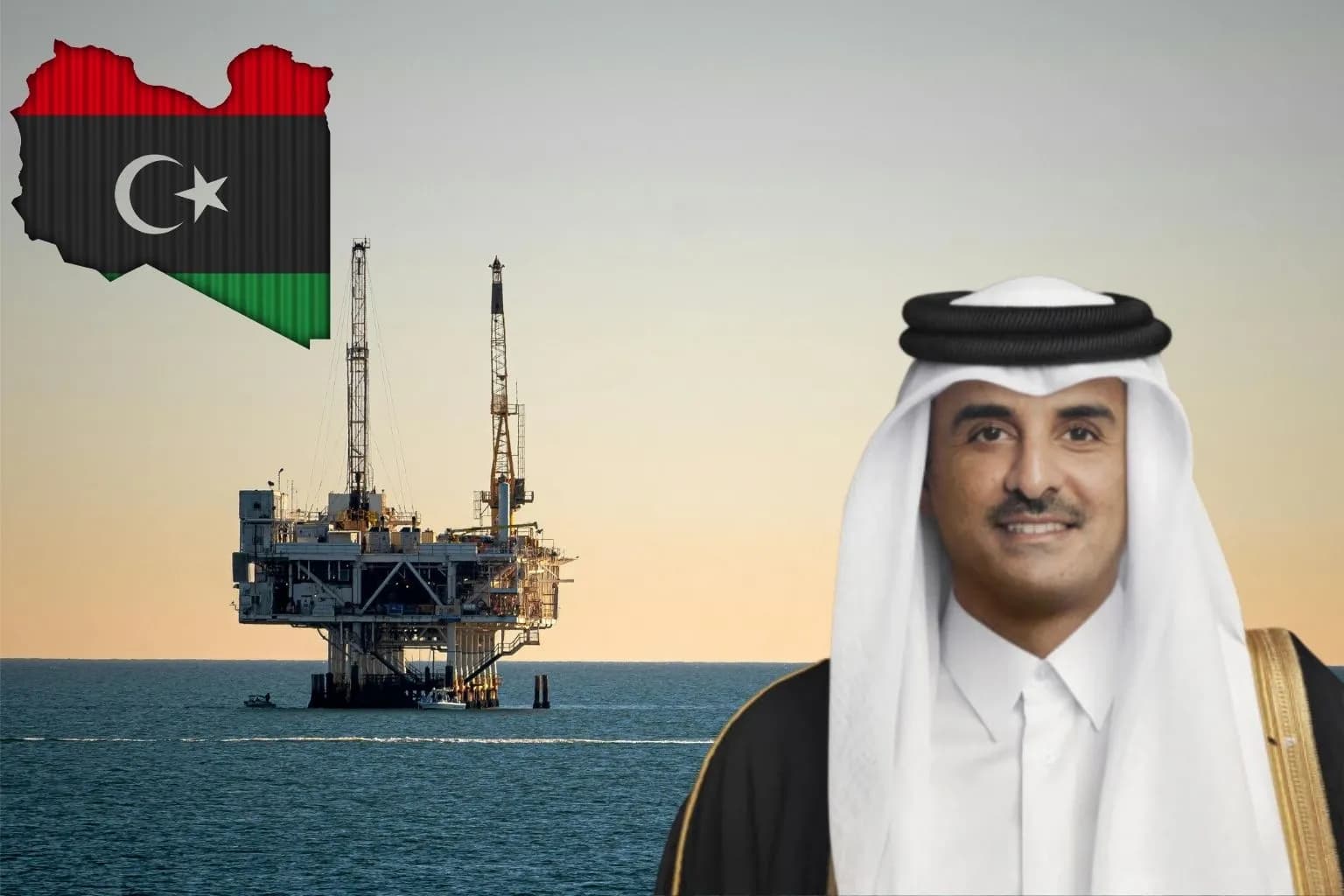
QatarEnergy’s offshore license win in Libya marks not only a major energy investment but also a strategic geopolitical move. The deal strengthens Qatar’s presence in North Africa, supports Europe’s diversification efforts, and signals Libya’s renewed appeal to global energy players.
The EU has included recently the Sarytogan graphite deposit, located in the Karaganda region of Kazakhstan, in the list of strategic initiatives, according to the Ministry of Industry and Construction of the country.
Kazakhstan has become a pivotal player in global nuclear energy, supplying 40% of the world’s uranium and leading efforts to secure resilient, diversified supply chains. With rising uranium prices, geopolitical shifts, and new export routes like the Trans-Caspian International Transport Route (TITR), Kazakhstan is redefining its role in global energy security and nuclear governance.