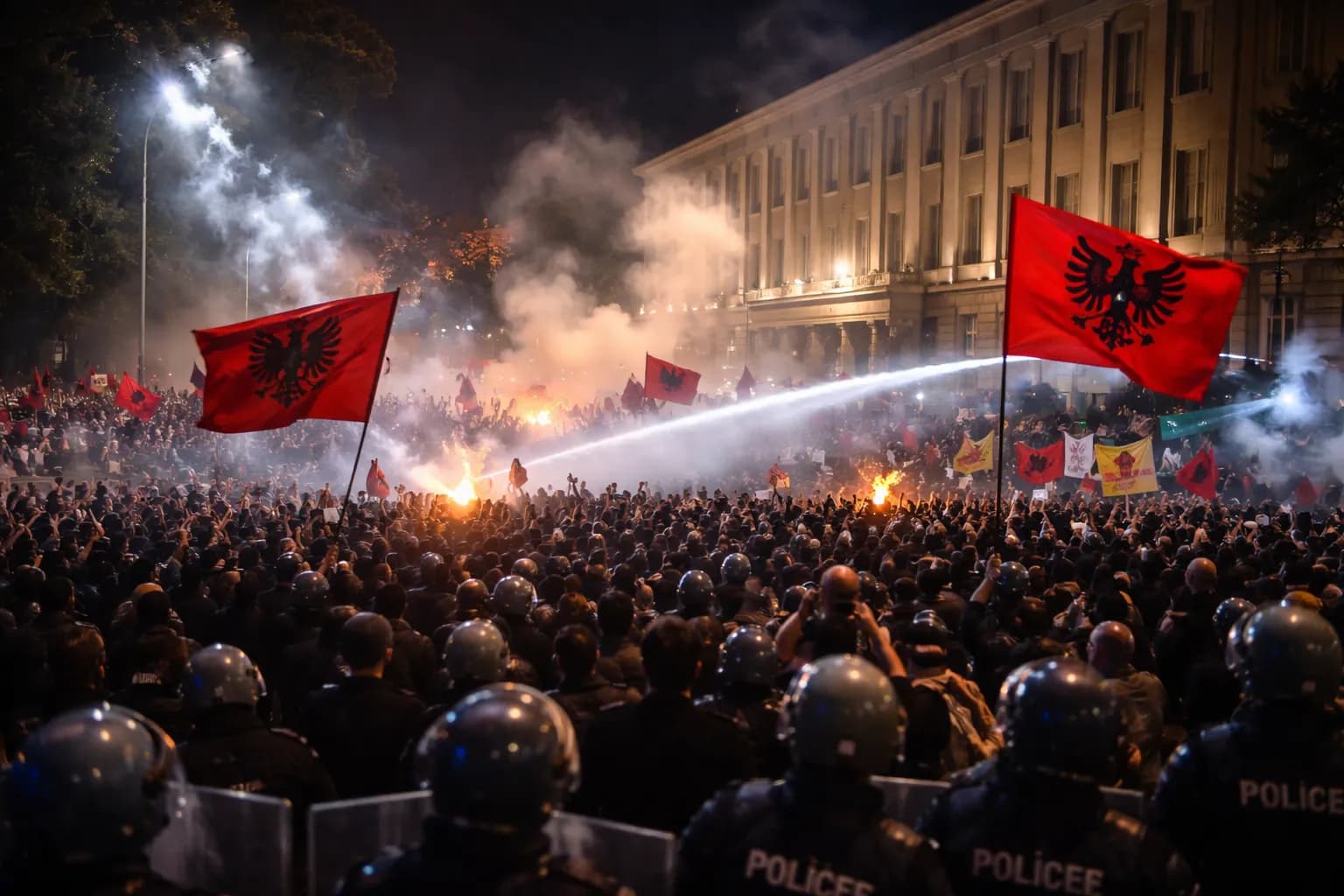
TIRANA, Albania — Tens of thousands of demonstrators took to the streets of Albania’s capital Tirana this weekend in one of the largest anti-government protests in recent years, marking a significant escalation of political tensions ahead of national elections.
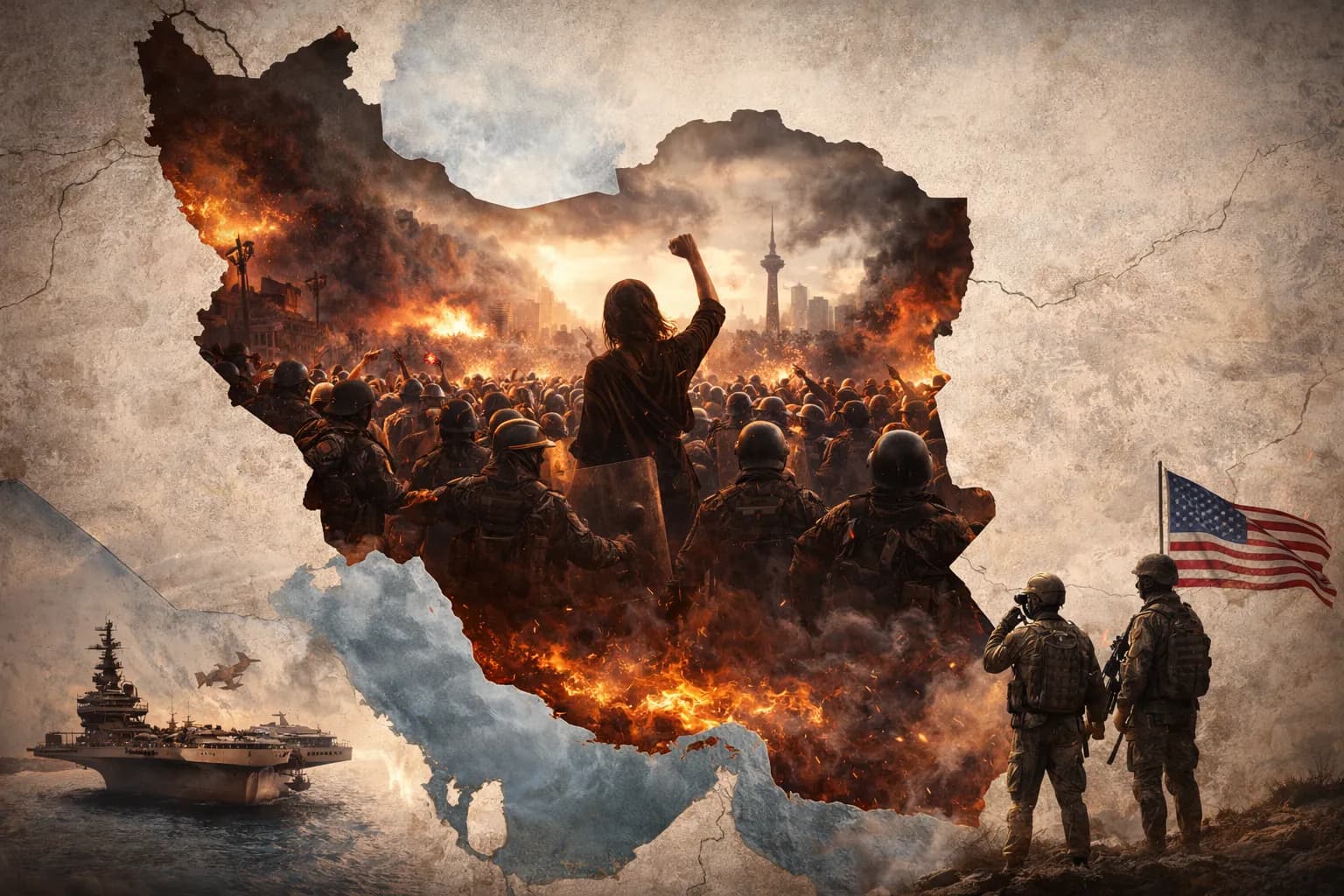
Iran is entering a critical phase as nationwide protests continue for a second week, overwhelming security forces and pushing hospitals into crisis mode. The government has responded with harsh repression, internet shutdowns, and mass arrests, while international pressure on Tehran is growing. The United States and its allies are avoiding direct military intervention but are increasing political, informational, and economic pressure on the regime. With no unified opposition leadership inside the country, Iran now faces three possible paths: violent suppression, slow internal collapse, or escalation into a wider regional crisis.
The Republican Forum confirmed the growing institutionalization of ethnomediation in Kazakhstan through expanded regional activities, professional standards, digital tools, and a nationwide network of 330 ethnomediators, strengthening social cohesion and interethnic harmony.
At the National Foundation working session held under the auspices of the Presidency in Astana, the tangible outcomes of Kazakhstan’s constitutional and institutional reforms were discussed. Key highlights included economic growth, rising employment, and infrastructure development, while it was emphasized that comprehensive constitutional and parliamentary reforms will continue under the “Strong President – Effective Parliament – Accountable Government” model, with civil society playing an active role in shared development.
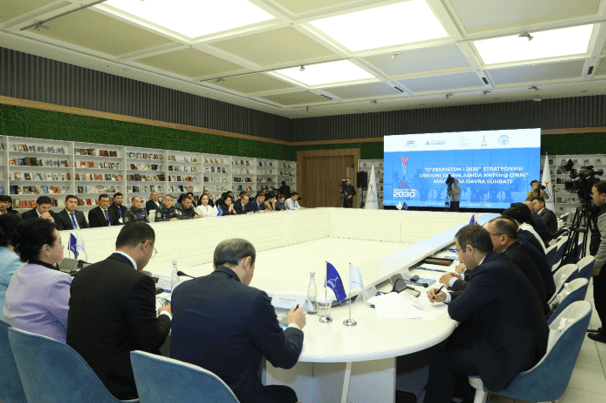
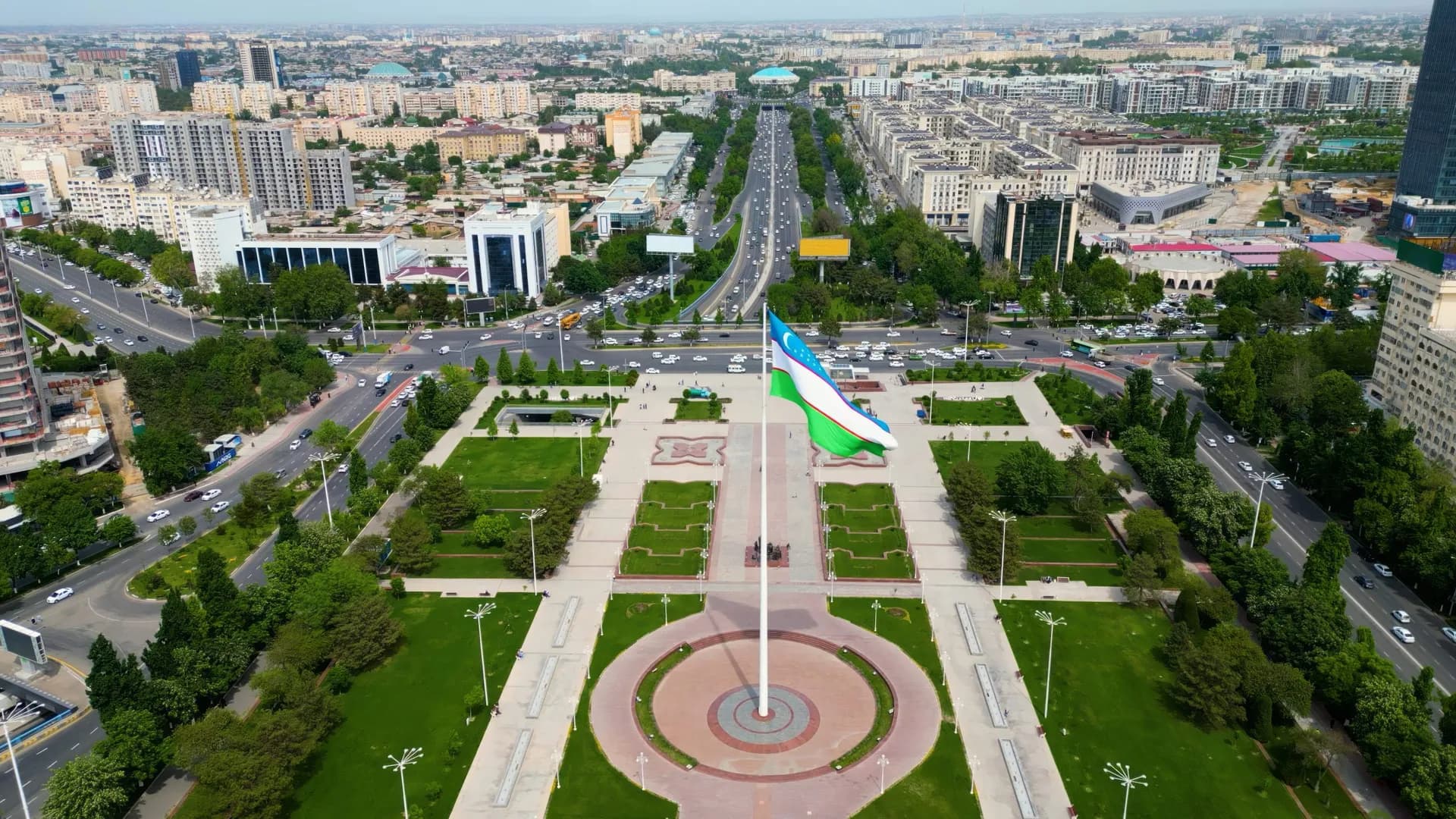
Uzbekistan closed 2025 with historic economic achievements, record GDP and exports, and rising reserves. With ambitious reforms, space and technology goals, green energy investments, and workforce transformation, 2026 is set to mark Uzbekistan’s emergence as a new strategic power in Eurasia.
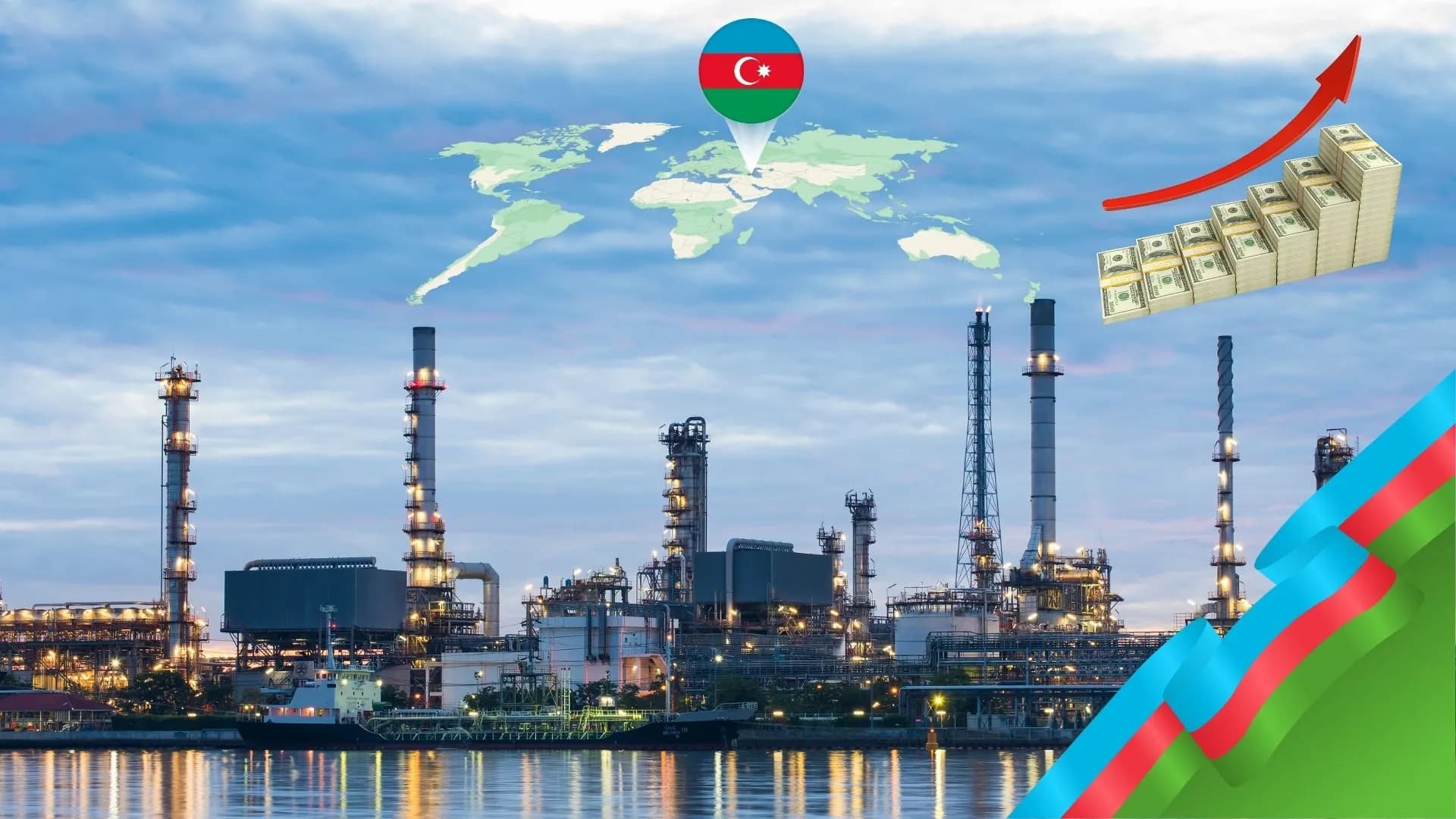
Azerbaijan has moved beyond an oil- and gas-dependent growth model toward comprehensive economic diversification focused on agriculture, industry, logistics, tourism, the digital economy, and renewable energy. Guided by the “Azerbaijan 2030” vision, government policies, infrastructure investment, human capital development, and innovation-driven reforms have turned non-oil sectors into key engines of growth. This strategy strengthens Azerbaijan’s economic resilience, sustainability, and global integration.
Emergencies do not wait for paperwork. Maral Rahymova proposes a modest, time-limited Safe Transit template that would help European states move people out of danger quickly, lawfully and predictably - without changing who gets to stay.
For decades, Central Asia was a land of immense potential trapped behind rigid borders, frozen conflicts, and cautious diplomacy. Uzbekistan, the region’s largest and most influential country, often seemed content to watch from the sidelines.
The Century of Türkiye represents neither a transient political slogan nor a temporary electoral narrative, but a comprehensive, long-term project of national construction.
Kazakhstan has tripled its investment in education and science and will continue strengthening the role of artificial intelligence through global academic cooperation, President Kassym-Jomart Tokayev announced at the International Forum of Strategic Partners Kazakhstan – The Land of Academic Knowledge
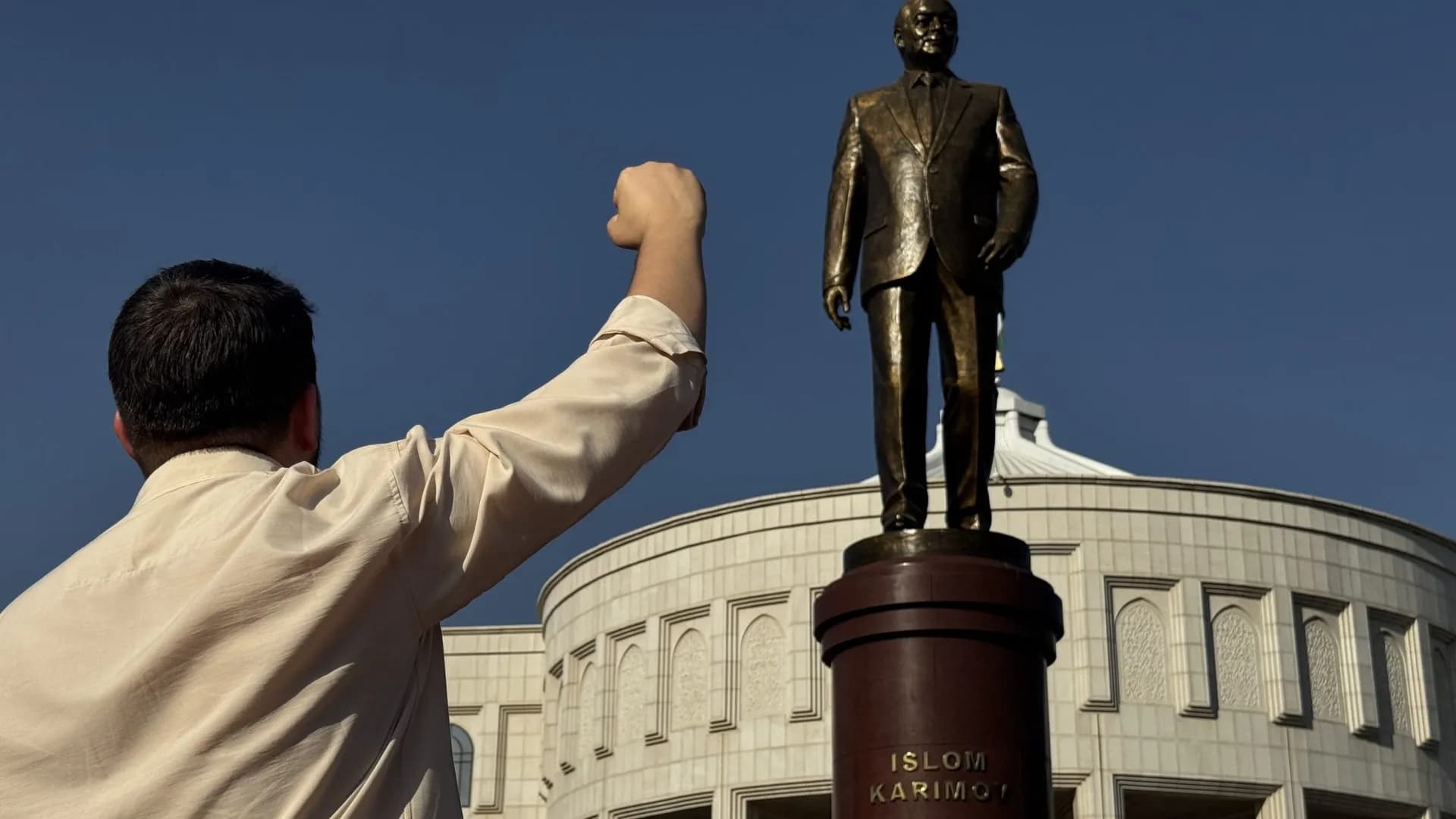
Islam Karimov (1938–2016), the first President of independent Uzbekistan, was the key architect of the country’s post-Soviet nation-building project. His leadership combined political independence with the creation of a national ideology that he viewed as essential for state survival and legitimacy. Karimov redefined Uzbekistan’s identity by reviving historical memory, celebrating figures like Amir Timur and Alisher Navoi, and replacing Soviet symbols with new national emblems. He balanced religion as a source of unity and morality while curbing extremism and implemented language reforms to strengthen national consciousness while preserving diversity. His model, based on ideology, history, religion, and language, remains a blueprint for achieving stability and unity in multi-ethnic, transitional states.
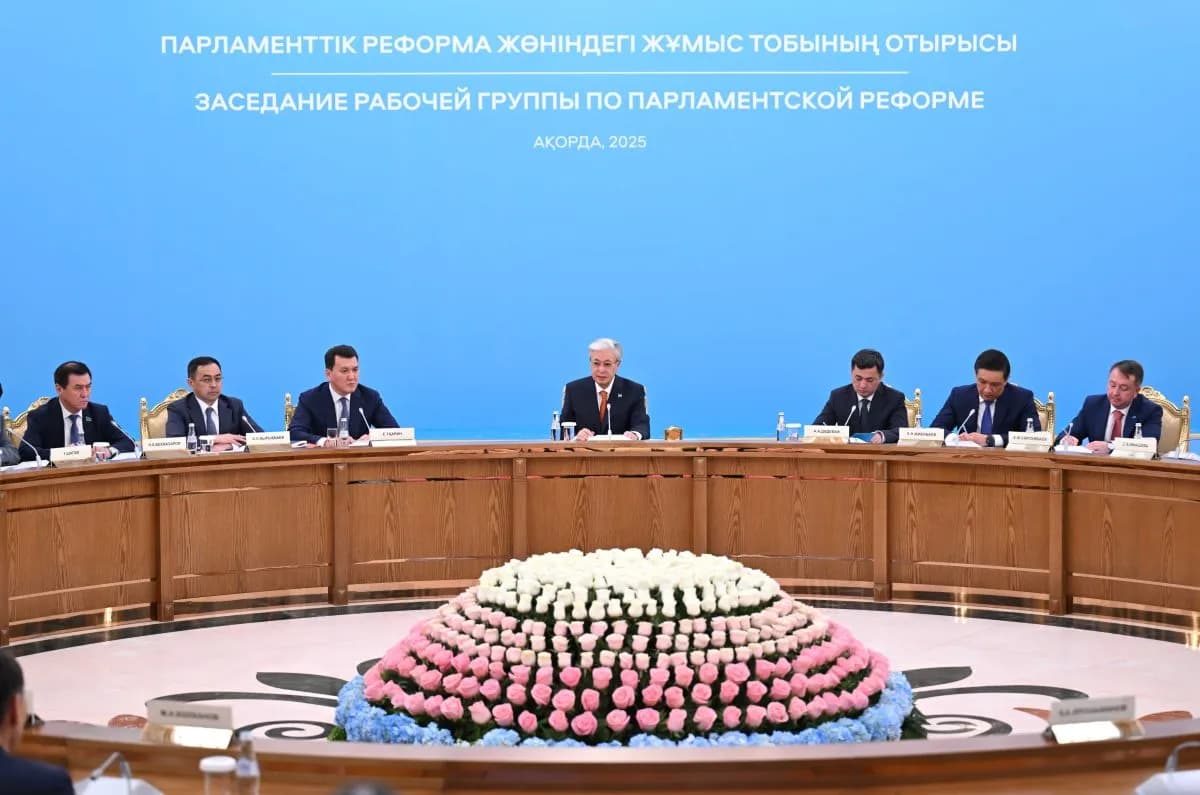
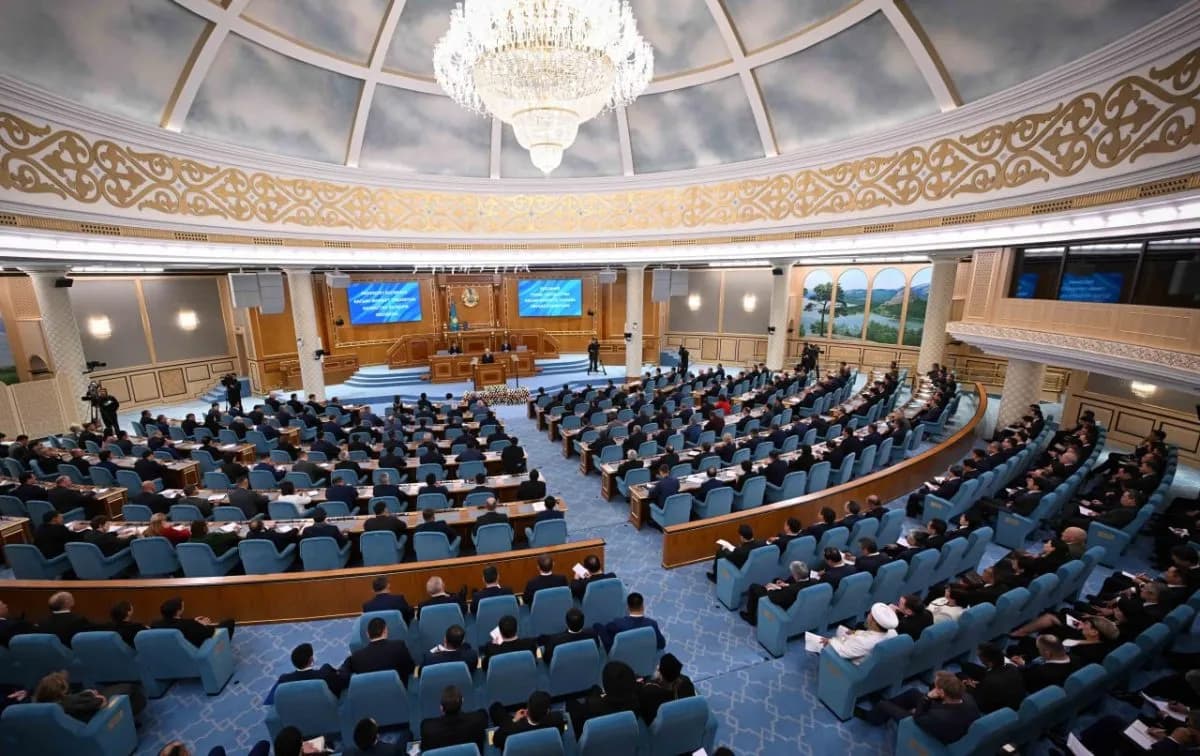
President Kassym-Jomart Tokayev emphasized the historic importance of Kazakhstan’s planned parliamentary reform, calling for careful, inclusive dialogue to ensure a smooth transition to a unicameral Parliament that enhances efficiency, digitalization, and citizen participation in governance.
President Kassym-Jomart Tokayev’s 2025 state-of-the-nation address outlined Kazakhstan’s vision to lead in the era of artificial intelligence through a new Ministry of AI and Digital Development. His reform agenda emphasized digital transformation, investment modernization, global connectivity, and institutional renewal, reaffirming Kazakhstan’s commitment to innovation, balanced foreign policy, and national unity.
EU leaders condemned the killing of Al Jazeera journalist Anas Al-Sharif and four others in an Israeli strike on Gaza, urging accountability and an immediate ceasefire. Estonian Prime Minister Kaja Kallas and European Parliament President Roberta Metsola stressed the need to protect journalists, deliver humanitarian aid, and pursue peace amid escalating violence.
Since 1991, Kazakhstan has welcomed over 1.15 million ethnic Kazakhs back to their ancestral homeland under the “kandas” program. With repatriation numbers continuing to rise in 2025, the initiative stands as a key pillar of Kazakhstan’s post-Soviet diaspora and identity policy.