Politics News

Politics · International Relations

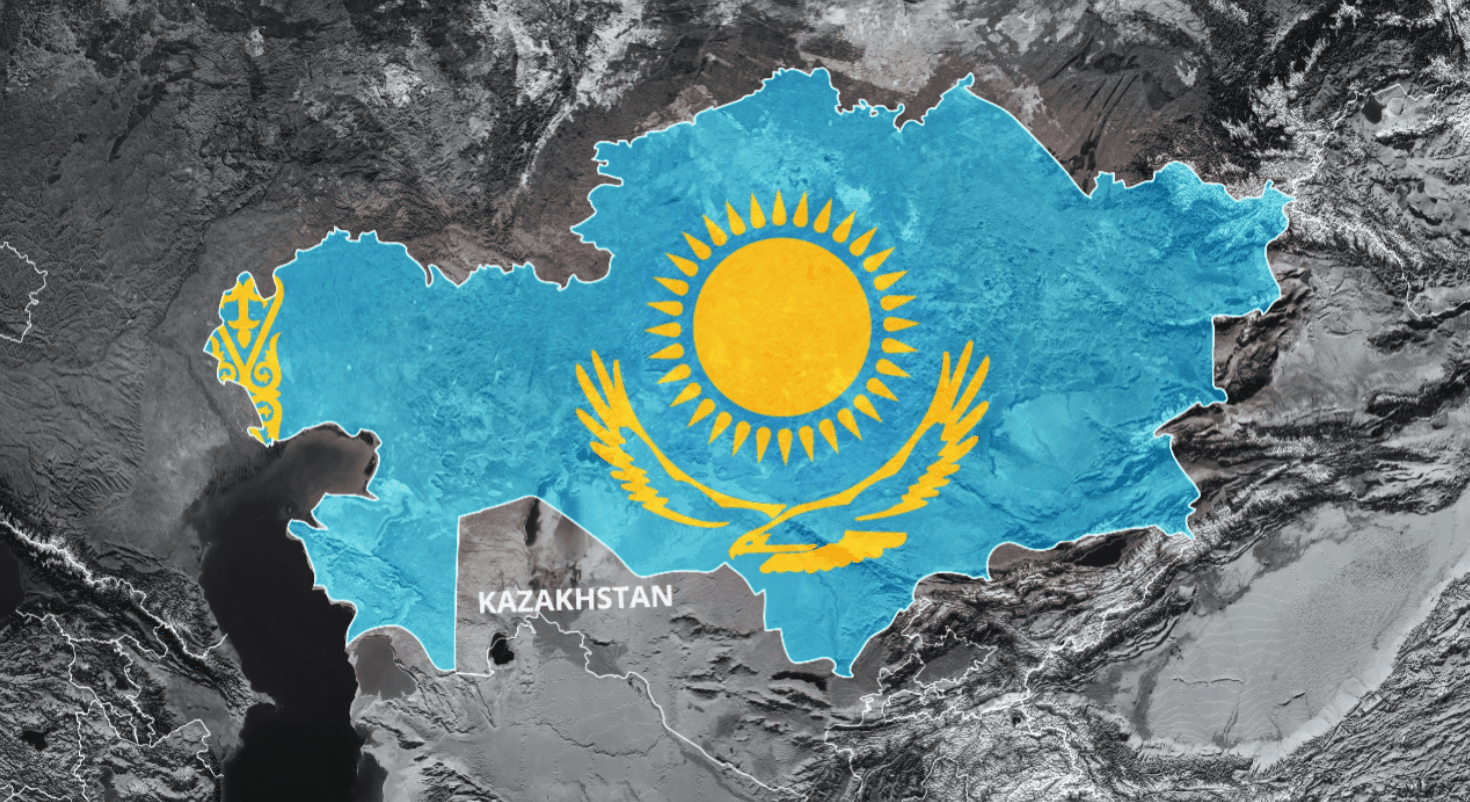
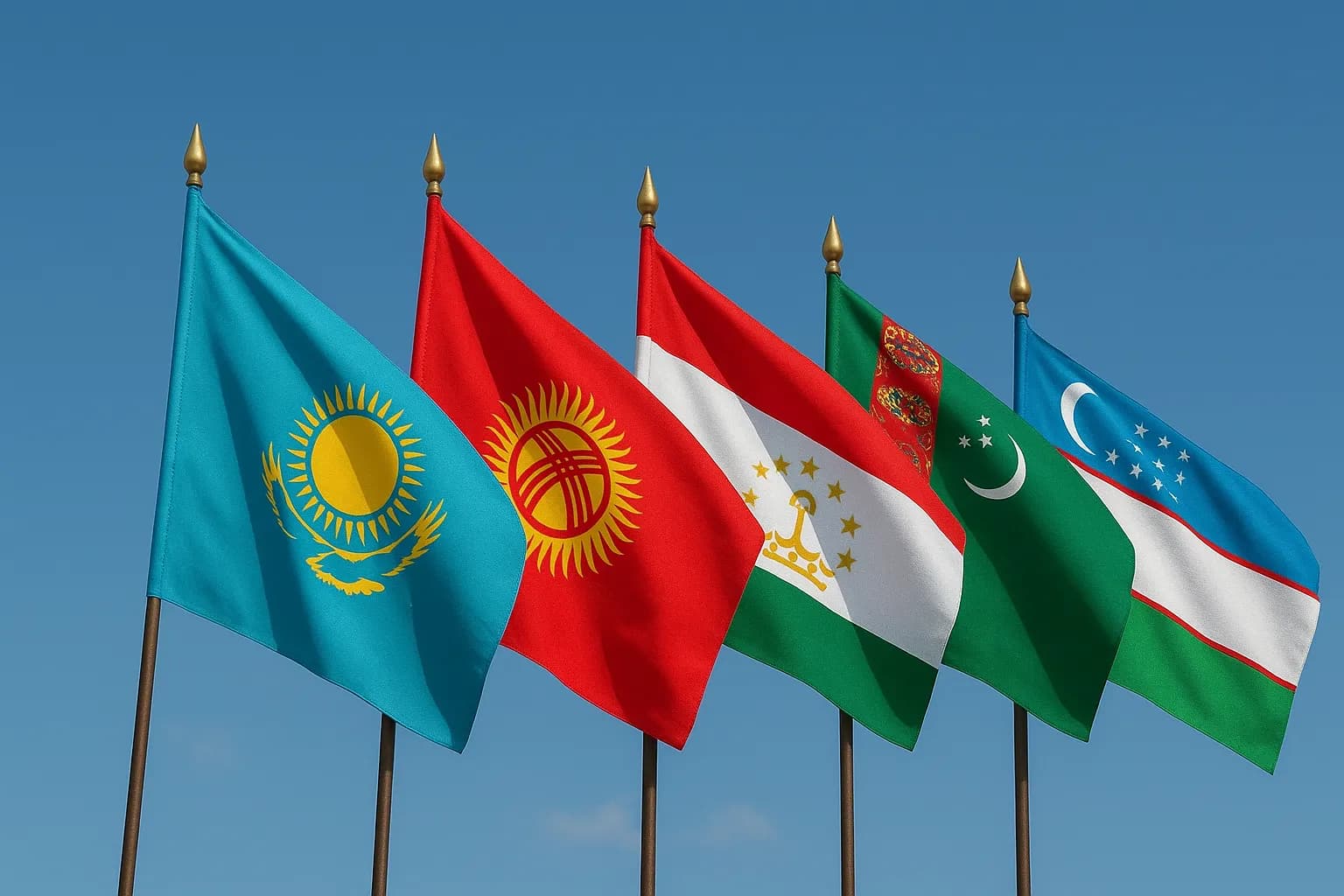
Consultative Meetings: An Effective Mechanism of Regional Cooperation in Central Asia

Since 2018, annual Consultative Meetings have helped Central Asian countries build stronger political trust, enhance regional cooperation, and coordinate policies on security, trade, energy, and development. These summits have improved unity, boosted economic ties, and led to major joint initiatives, with the 2025 meeting further expanding cooperation and admitting Azerbaijan as a full member.
Qodir Djurayev

Politics · International Relations

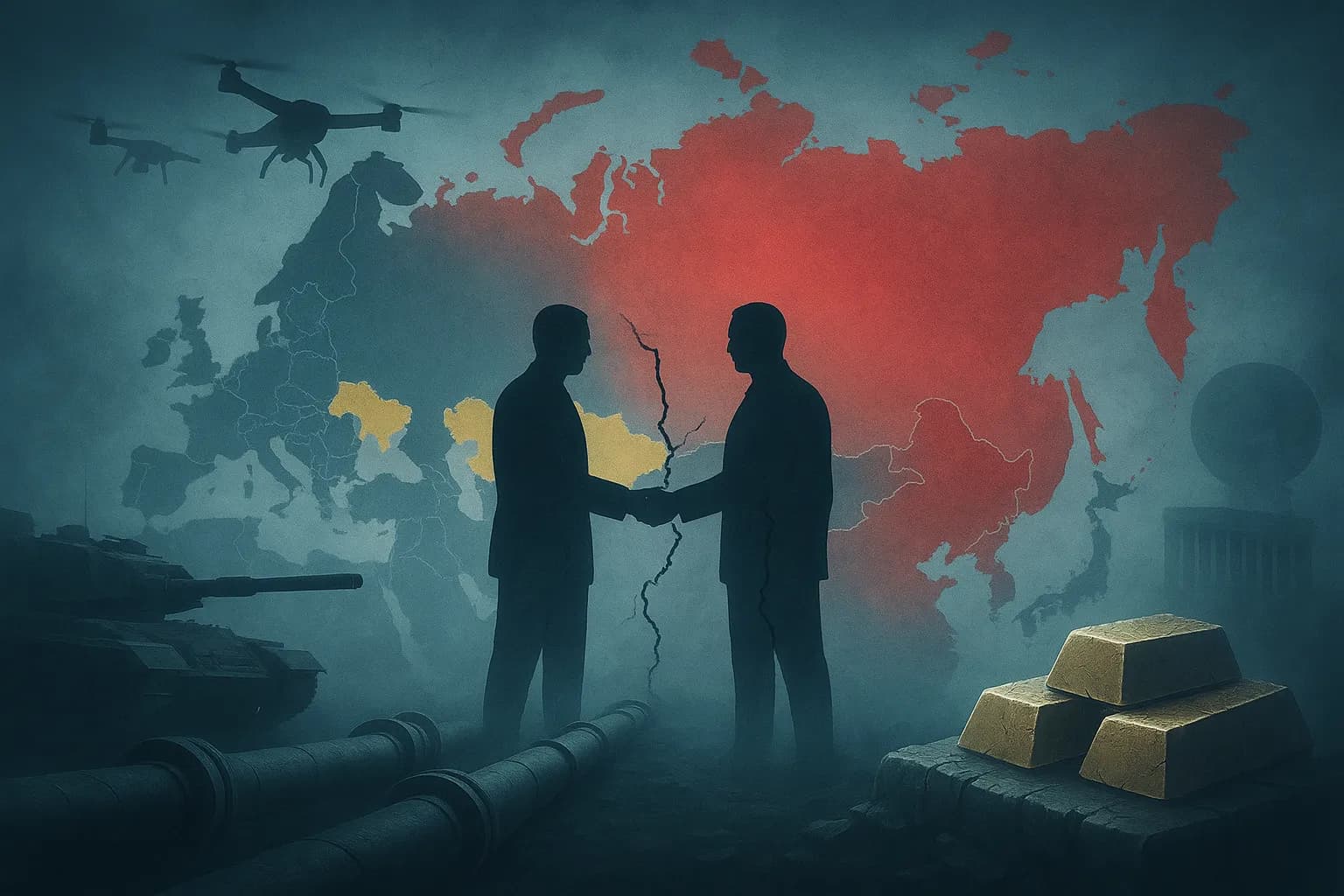
Ukraine Between Hammer and Anvil: Trump’s 28-Point Controversial Peace Plan

The Trump-led 28-point peace plan pressures Ukraine to accept military limits and territorial concessions while Russia continues advancing and refuses to retreat without gains. Europe feels increasingly isolated but backs Ukraine’s sovereignty. Negotiations remain tense, and the article warns that an unbalanced deal could lock in long-term instability and permanently reshape global geopolitics.

Zeynep Güney

Politics · International Relations

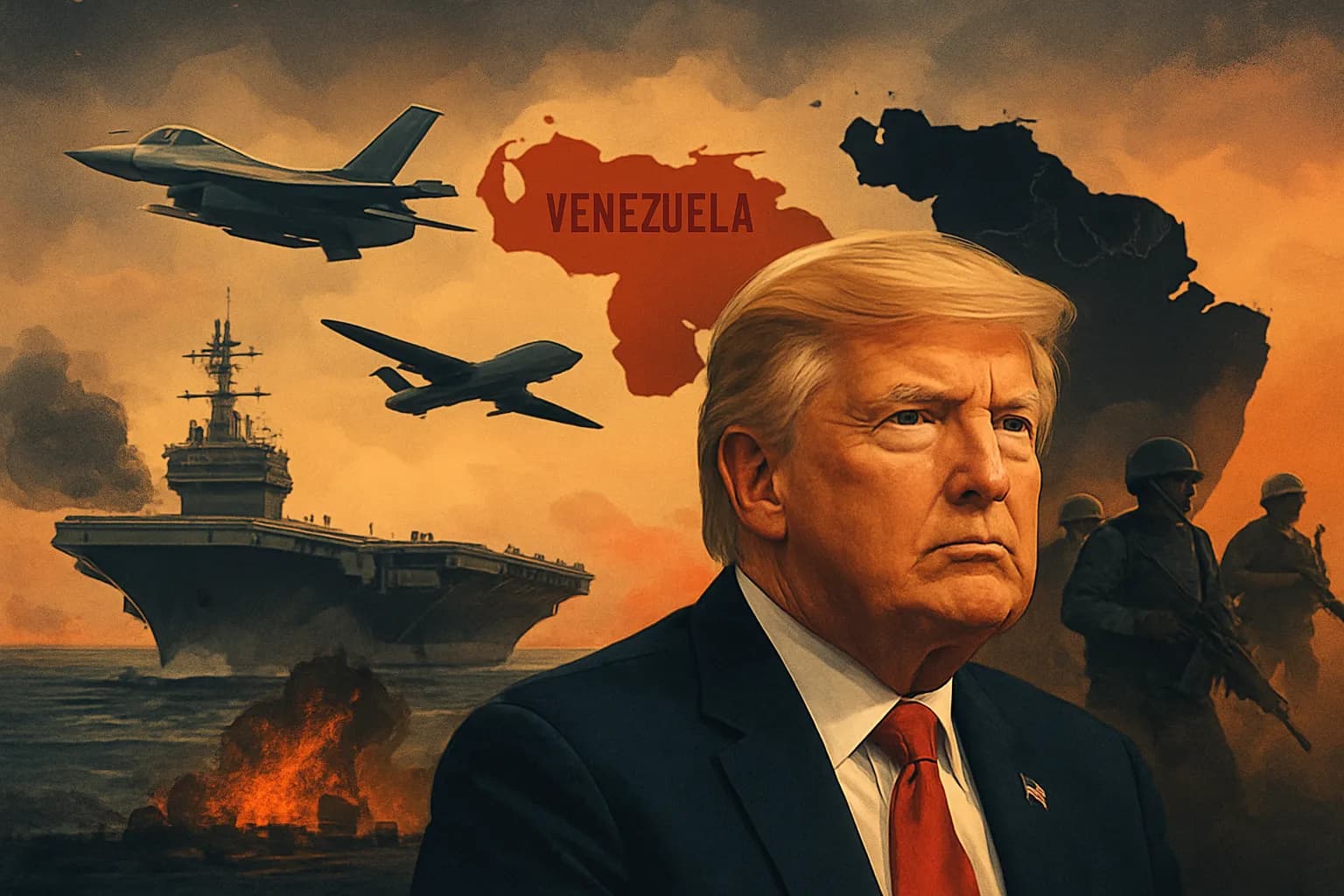
Rising Tensions in Venezuela: Trump’s Military Pressure on Maduro and the Threat of Regime Change

Trump’s second-term policy toward Venezuela mirrors Bush-style interventionism: a huge U.S. military buildup, airspace closure, lethal strikes, and pressure for regime change disguised as a drug war. These actions violate international law, expose U.S. double standards, and risk turning Venezuela into “another Iraq.” The text argues that only diplomacy—not threats—can prevent deeper instability.

Zeynep Güney

Politics · International Relations

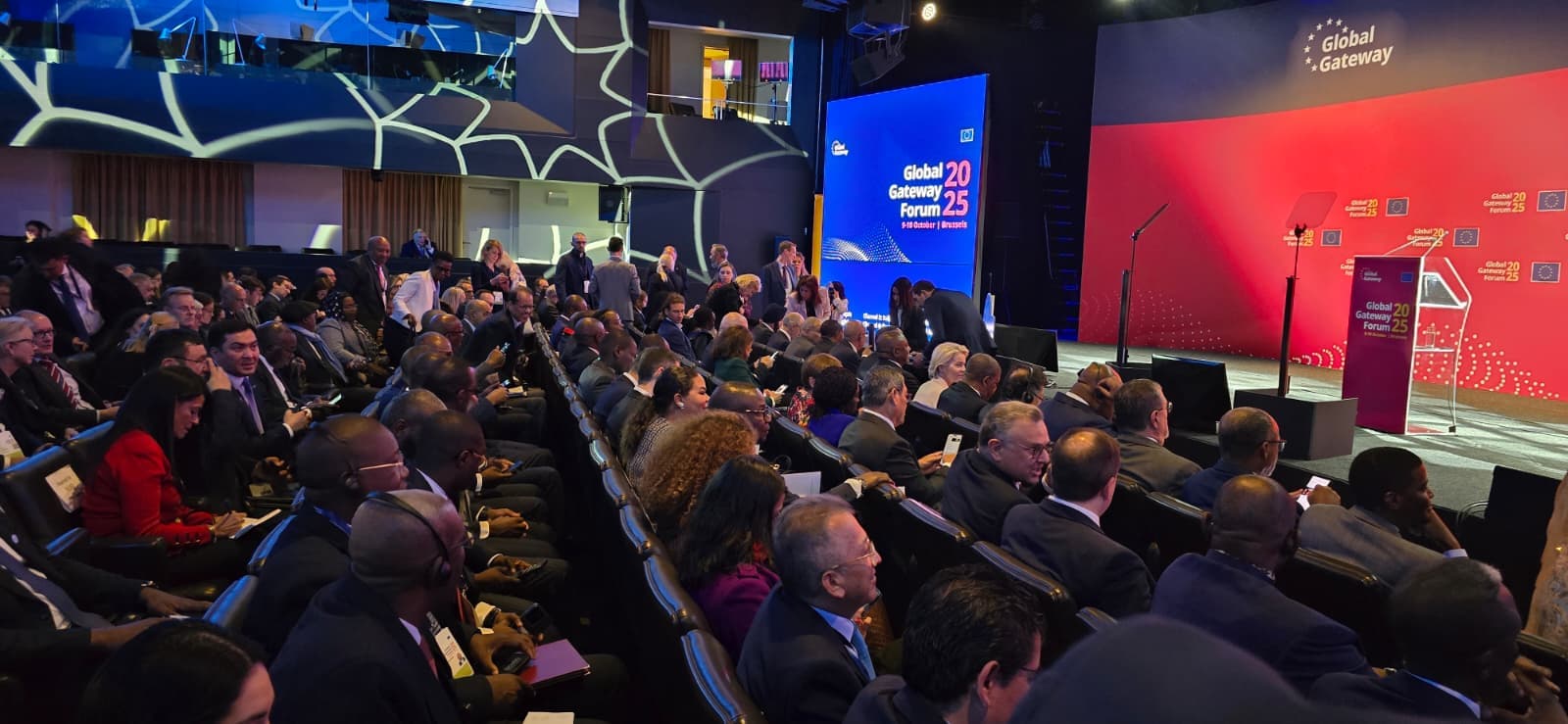
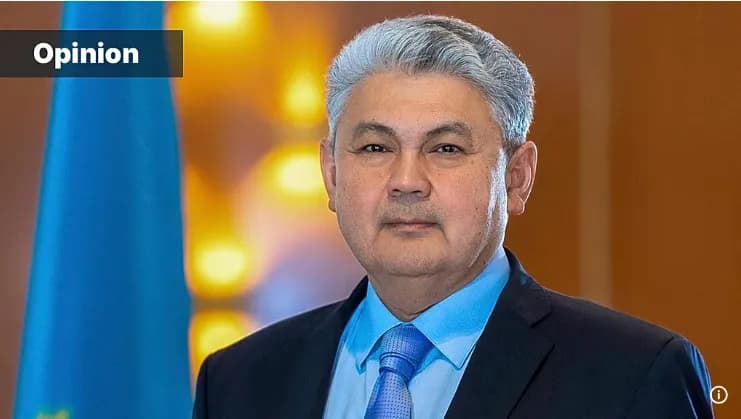
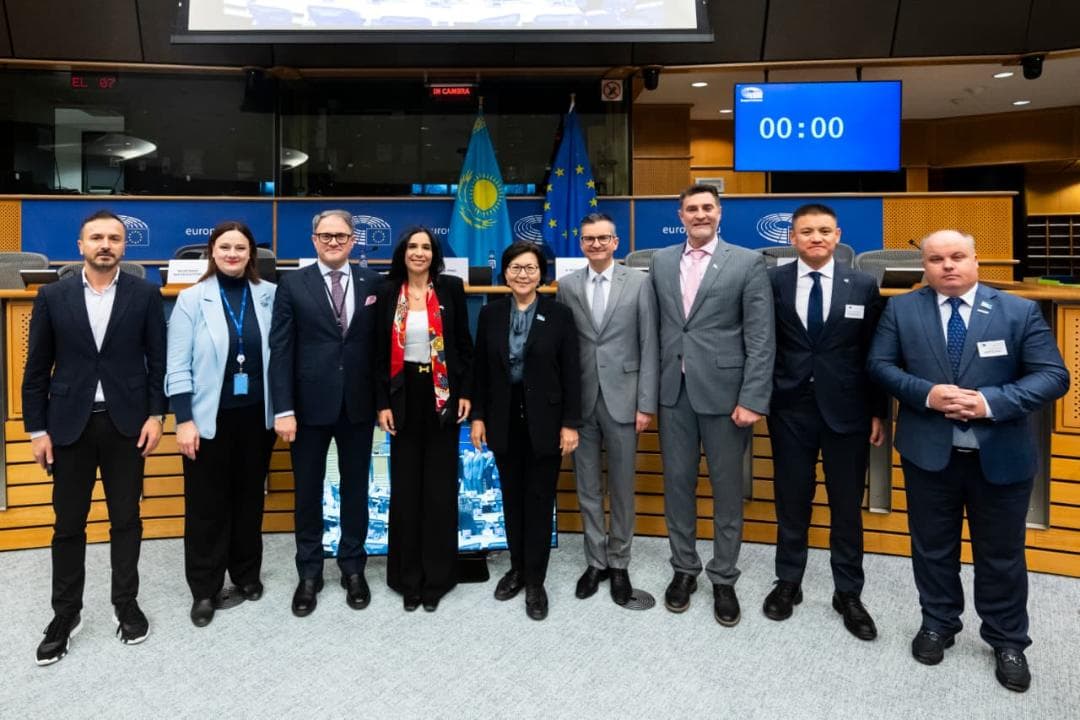
Enhancing EU-Kazakhstan Cooperation for a Sustainable Future

The EU and Kazakhstan mark 10 years of strengthened partnership under the EPCA. As Europe seeks secure and diversified sources of critical raw materials for its green transition, Kazakhstan has become a key supplier and strategic partner. The next decade should focus on implementing concrete projects, improving supply chains, modernising transport routes, and deepening technological cooperation to build a resilient, future-oriented partnership.

Yermek Kosherbayev, Minister of Foreign Affairs, Republic of Kazakhstan

Politics · International Relations

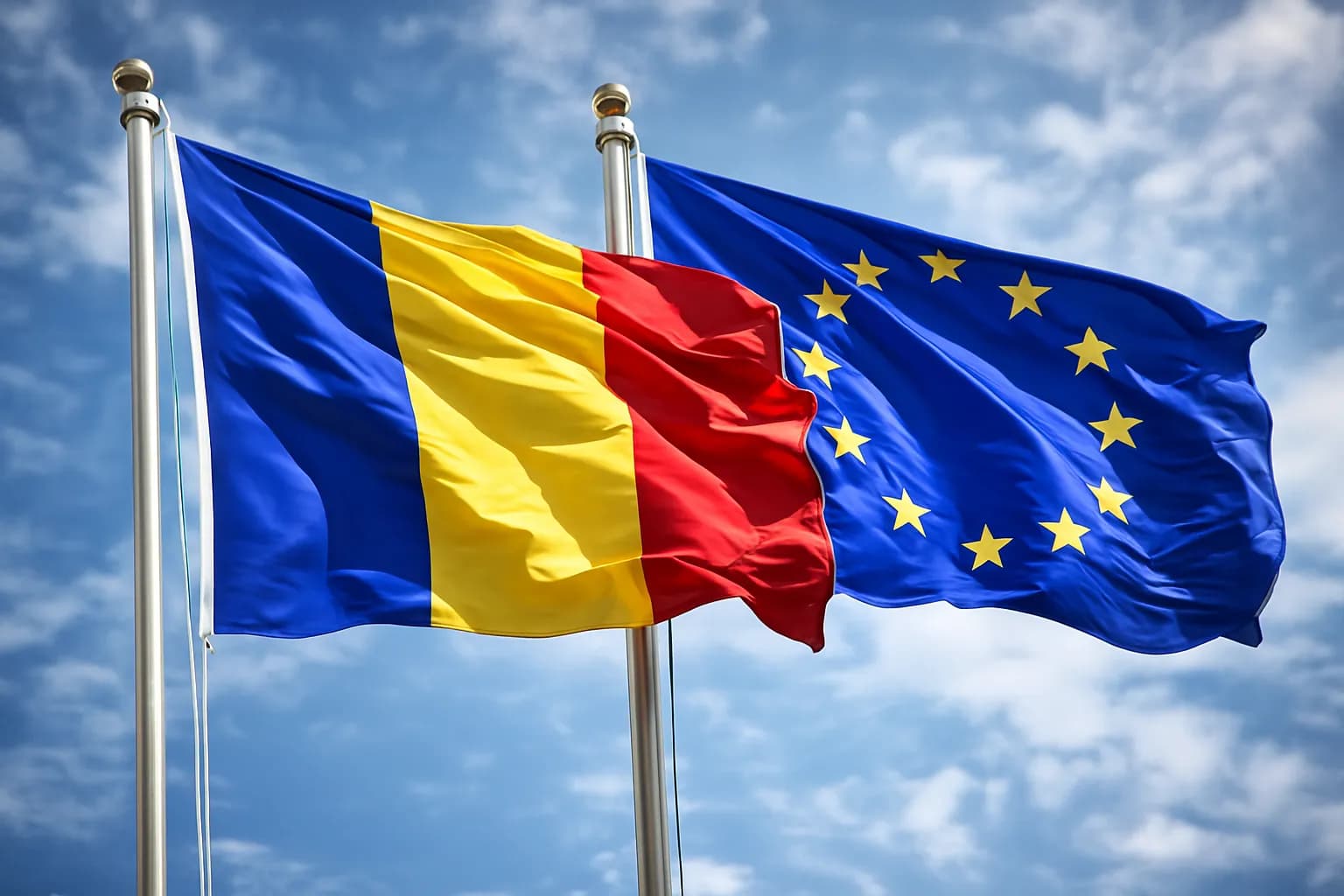
Romania’s Role in Strengthening European Union Cohesion and Integration

Since joining the EU in 2007, Romania has become an active member that strengthens EU cohesion by effectively using development funds, modernizing its economy, and reducing regional inequalities. It supports political cooperation in the Danube region, improves crisis management and energy security, and encourages EU enlargement for countries like Ukraine and Moldova. Through responsible governance and strong regional partnerships, Romania contributes to a more united, stable, and integrated European Union.

Khalid Taimur Akram

Politics · Elections And Political Analysis

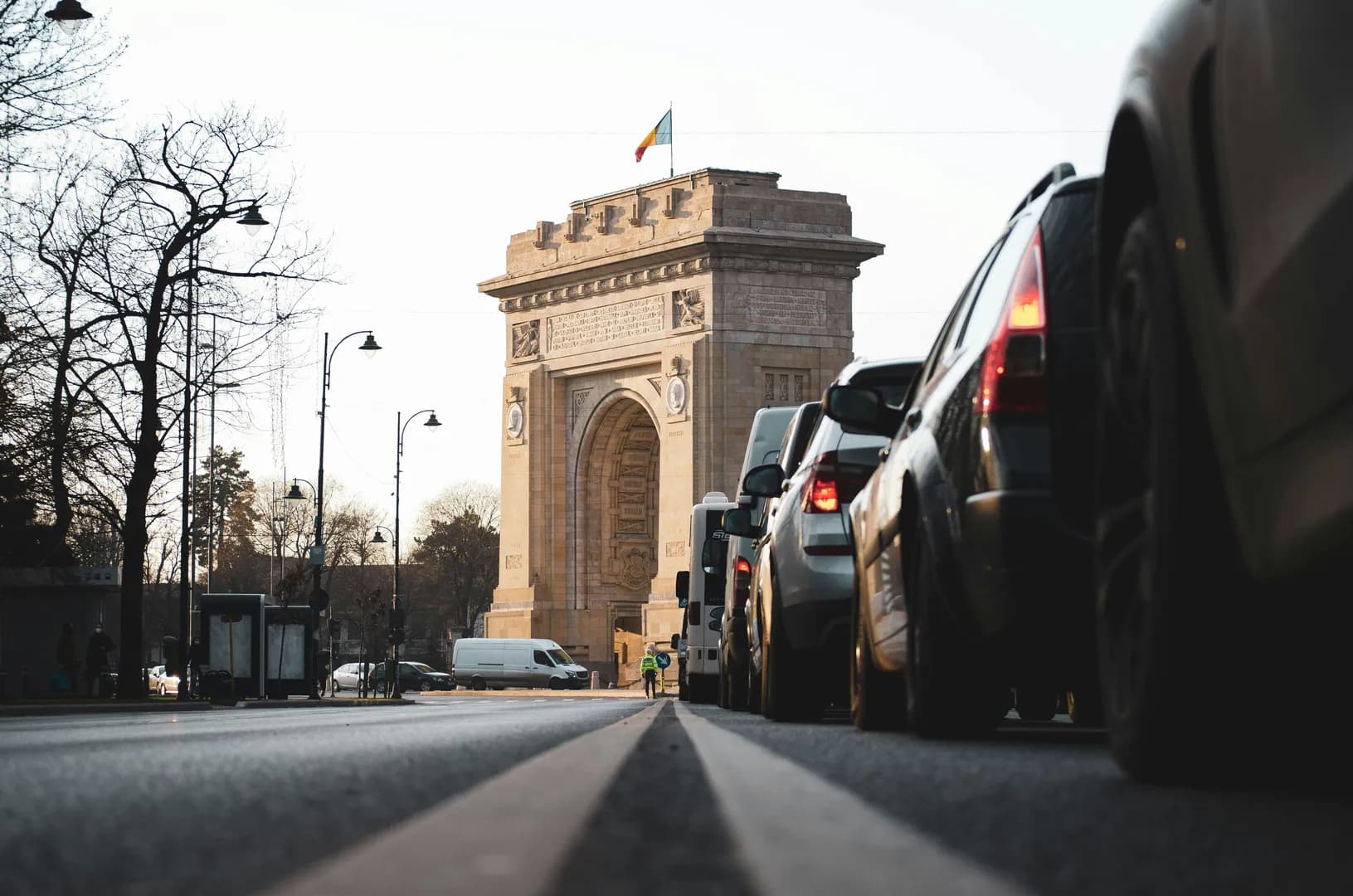
Bucharest Votes Again: Why Romania’s Capital Matters More Than Ever

After months of institutional uncertainty, Bucharest heads into a high-stakes mayoral race that will determine the direction of Romania’s most important city. With major challenges in mobility, pollution, governance, and political fragmentation, the outcome will shape both national politics and the capital’s emerging role as a regional hub.

Alex Niculescu

Politics · International Relations

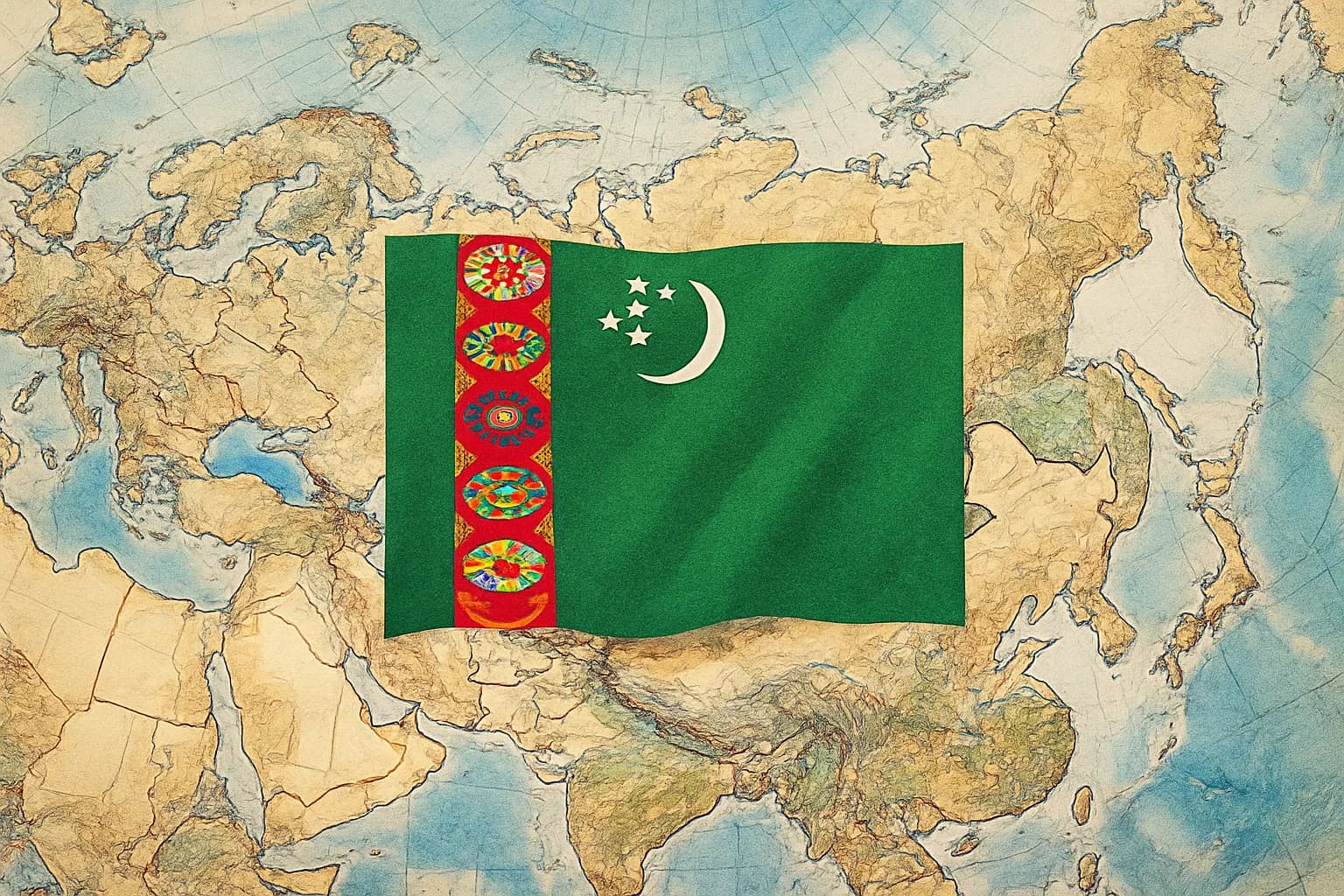
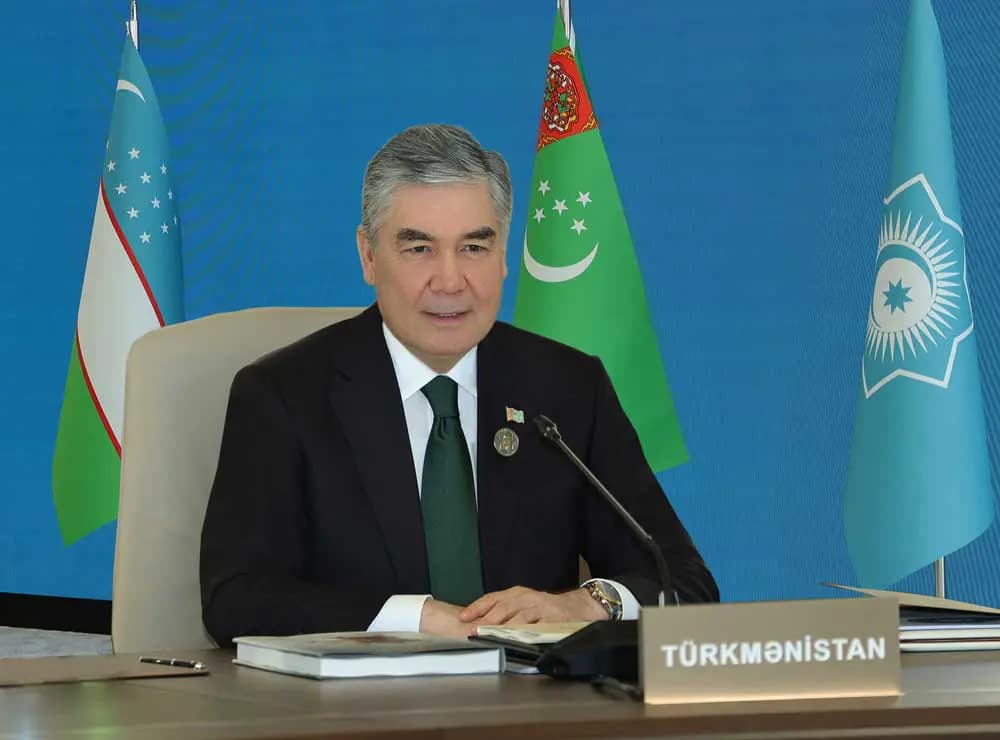
Turkmenistan: A Bridge between Asia and Europe

Turkmenistan’s strategic location, vast energy resources, and policy of permanent neutrality make it a key connector between Asia and Europe. Through major transport corridors, modern ports, railways, and energy pipelines like the Central Asia–China and TAPI projects, Turkmenistan strengthens regional trade, cooperation, and stability. Its neutrality and diplomacy further enhance its role as a trusted partner in Eurasian integration.

Khalid Taimur Akram

Politics · International Relations

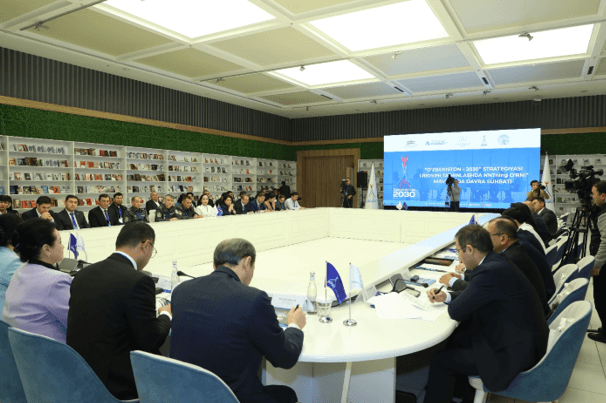
Uzbekistan’s Foreign Policy under the “New Uzbekistan” Reform Agenda

Uzbekistan’s “New Uzbekistan” reform agenda has reshaped the country’s foreign policy into a more open, cooperative, and people-focused model. Relations with Central Asian neighbors have improved significantly, global partnerships have expanded through a balanced multi-vector approach, and Uzbekistan now plays a more active role in international organizations. Economic reforms, new trade routes, and cultural diplomacy have strengthened its global presence. Overall, Uzbekistan has emerged as a more confident, stable, and respected actor committed to peace, development, and regional cooperation.

Khalid Taimur Akram

22 of 22