Individualistic Psychology and Group Behavior: Why Do Individuals Act Differently in Crowds?
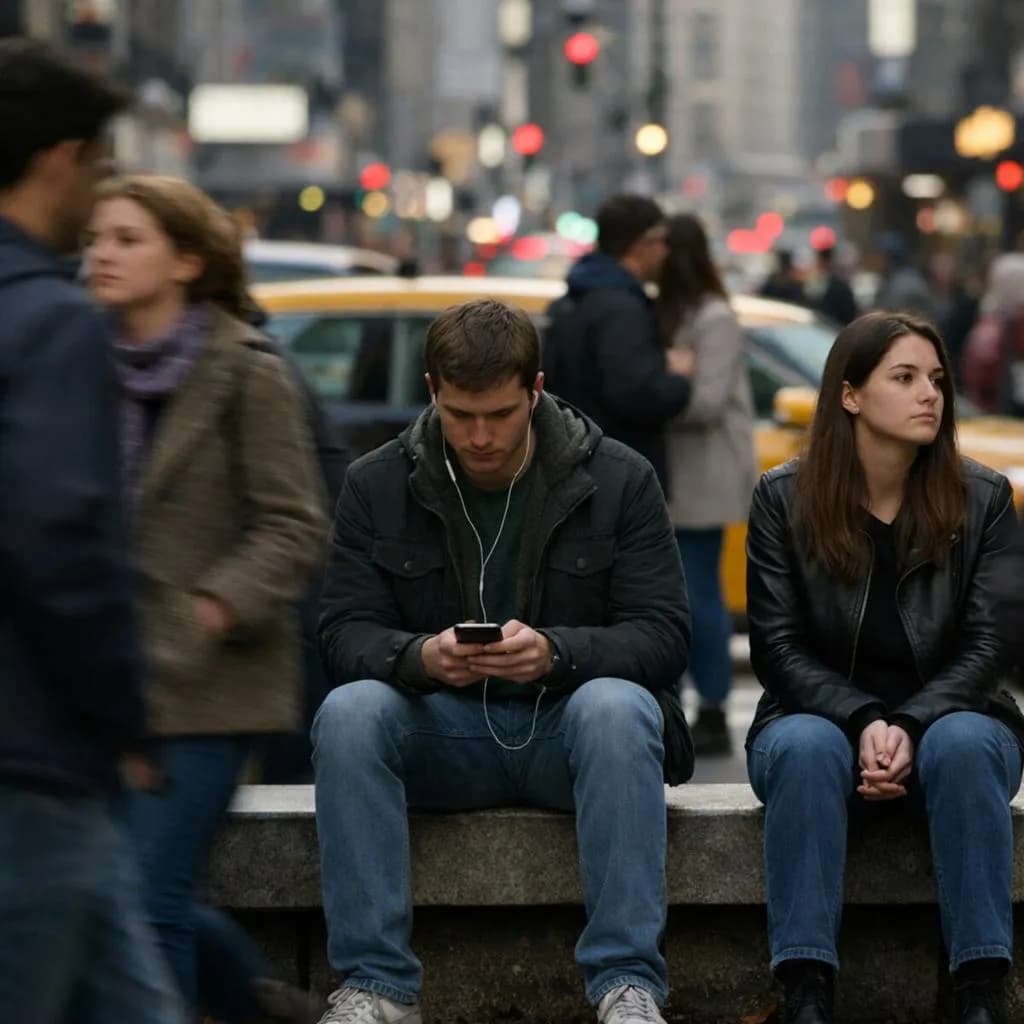
Human behavior often changes in the presence of others. Individuals who appear calm, reserved, or cautious when alone may behave more boldly, emotionally, or even aggressively in crowds. Such transformations are commonly explained through the concept of group psychology, which assumes that individuals lose their personal characteristics and become absorbed into a collective mind. However, the individualistic psychology perspective challenges this assumption by arguing that groups do not possess an independent psychological existence. Instead, what is described as group behavior emerges from changes in individual cognitive, emotional, and perceptual processes within a social context. From this viewpoint, crowds do not override individual psychology; rather, they alter how individuals perceive responsibility, evaluate risk, interpret social cues, and regulate emotions. This article examines crowd behavior through the lens of individualistic psychology, focusing on how individual mental processes operate differently in collective settings. Drawing on everyday examples from Türkiye, the study aims to explain crowd-related behavioral changes in a clear and accessible manner while maintaining academic rigor.