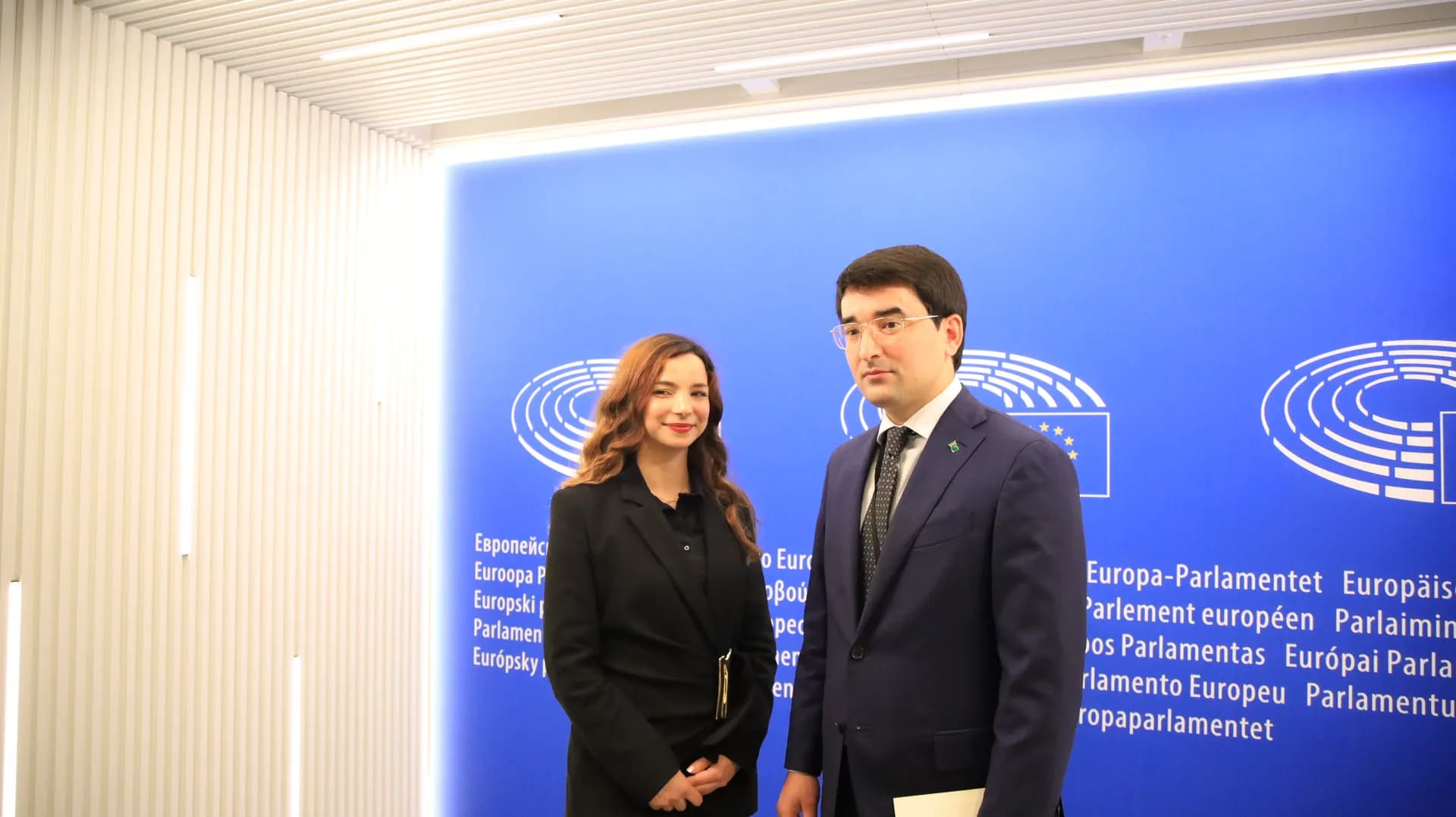
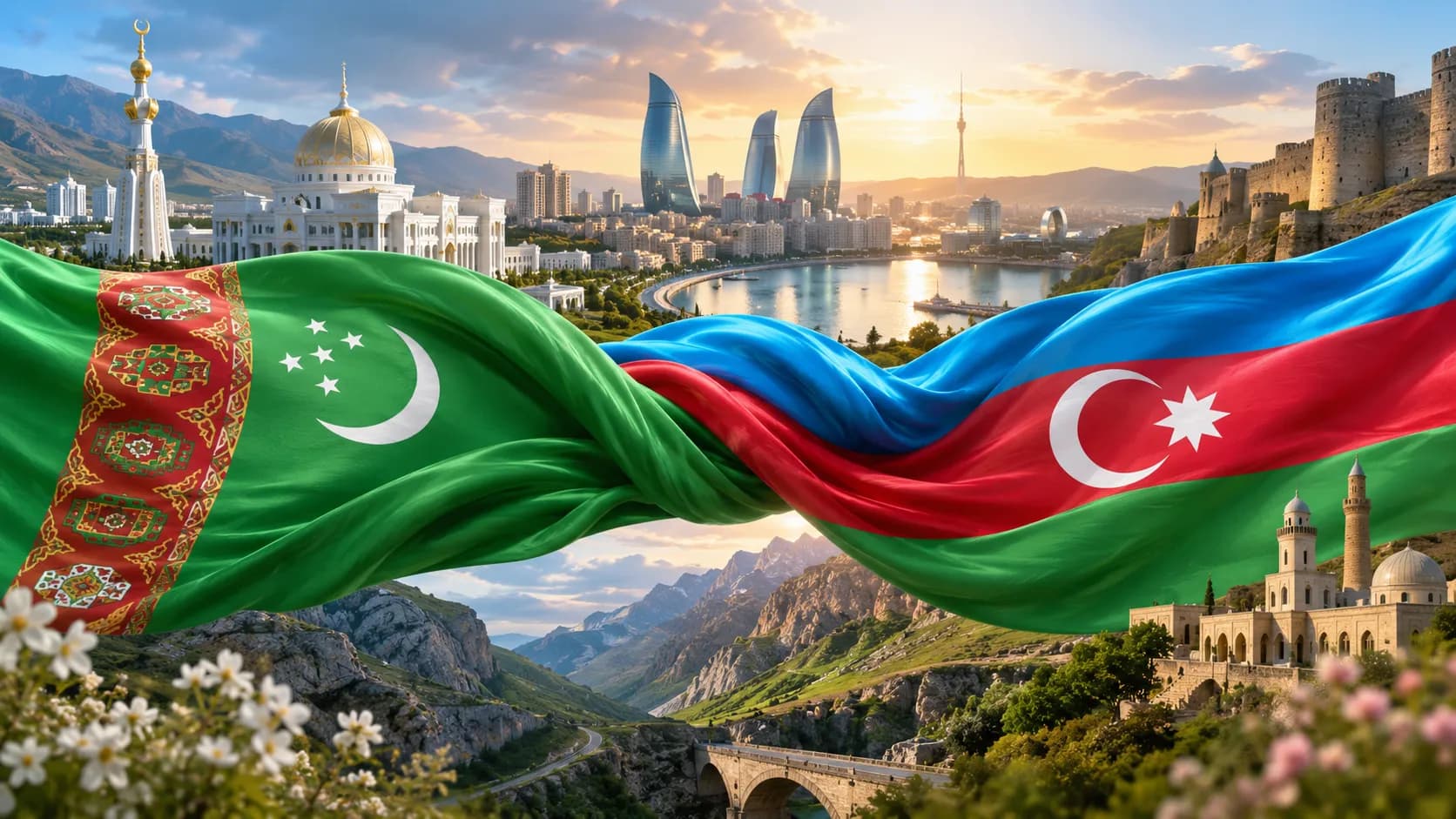
Interview: Turkmenistan’s Strategic Role in the Middle Corridor and Regional Connectivity
Conducted by Derya Soysal following a roundtable discussion at the European Parliament on 30 June.
This article argues that the main obstacle to market reforms in post-Soviet countries is not the market economy itself, but its bureaucratic misinterpretation. The invisible hand functions only with strong institutions, rule of law, and capable public administration, while structural weaknesses continue to constrain reform outcomes.
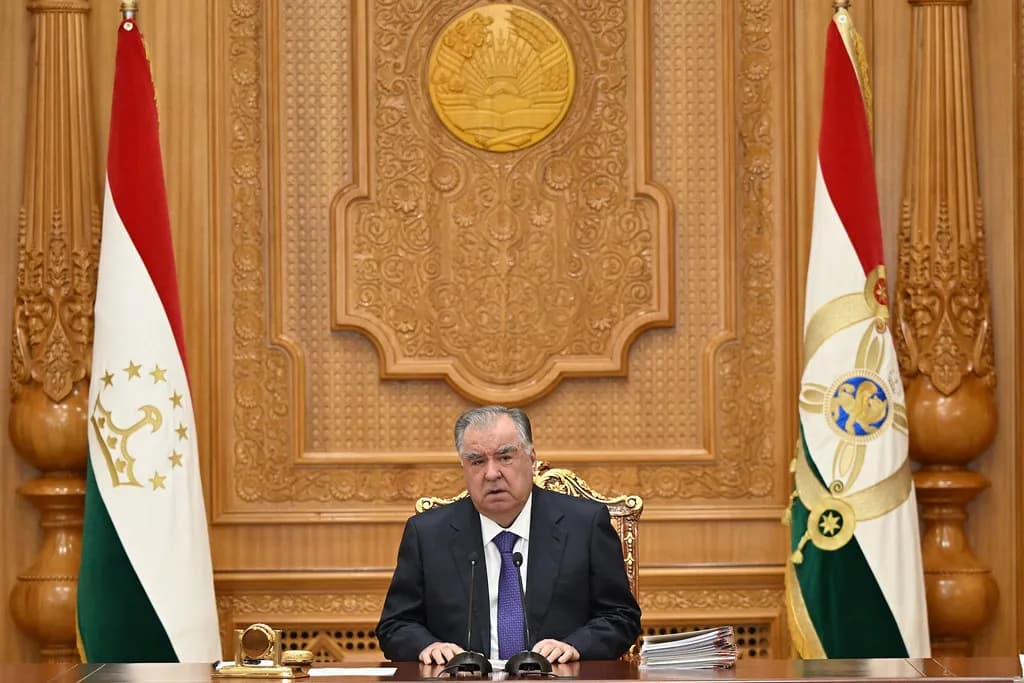
President Emomali Rahmon’s UN-backed initiative establishing the 2027–2036 International Decade of Strengthening Peace for Future Generations highlights Tajikistan’s growing diplomatic role, promoting dialogue, conflict prevention, sustainable development, and international cooperation.
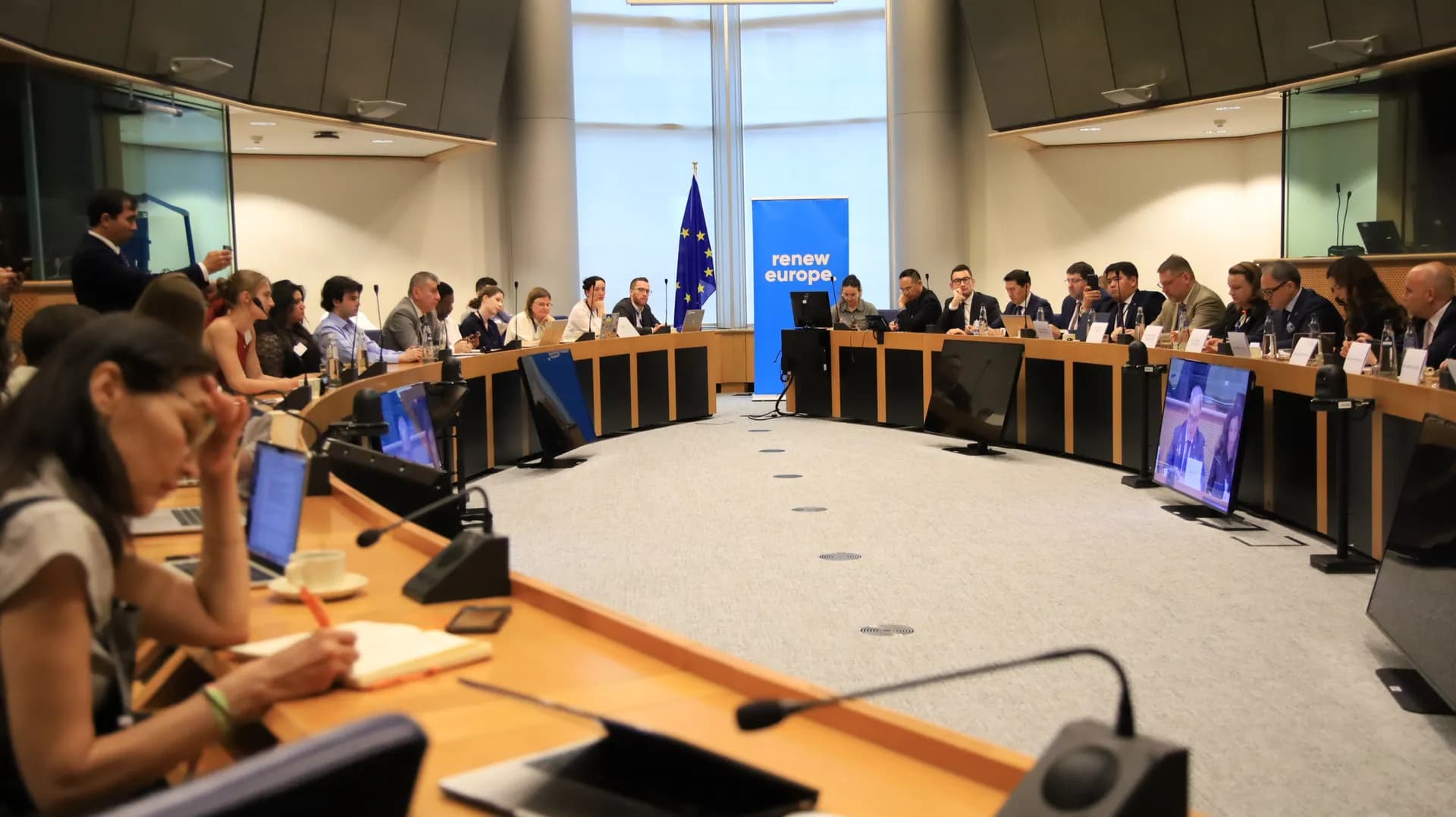
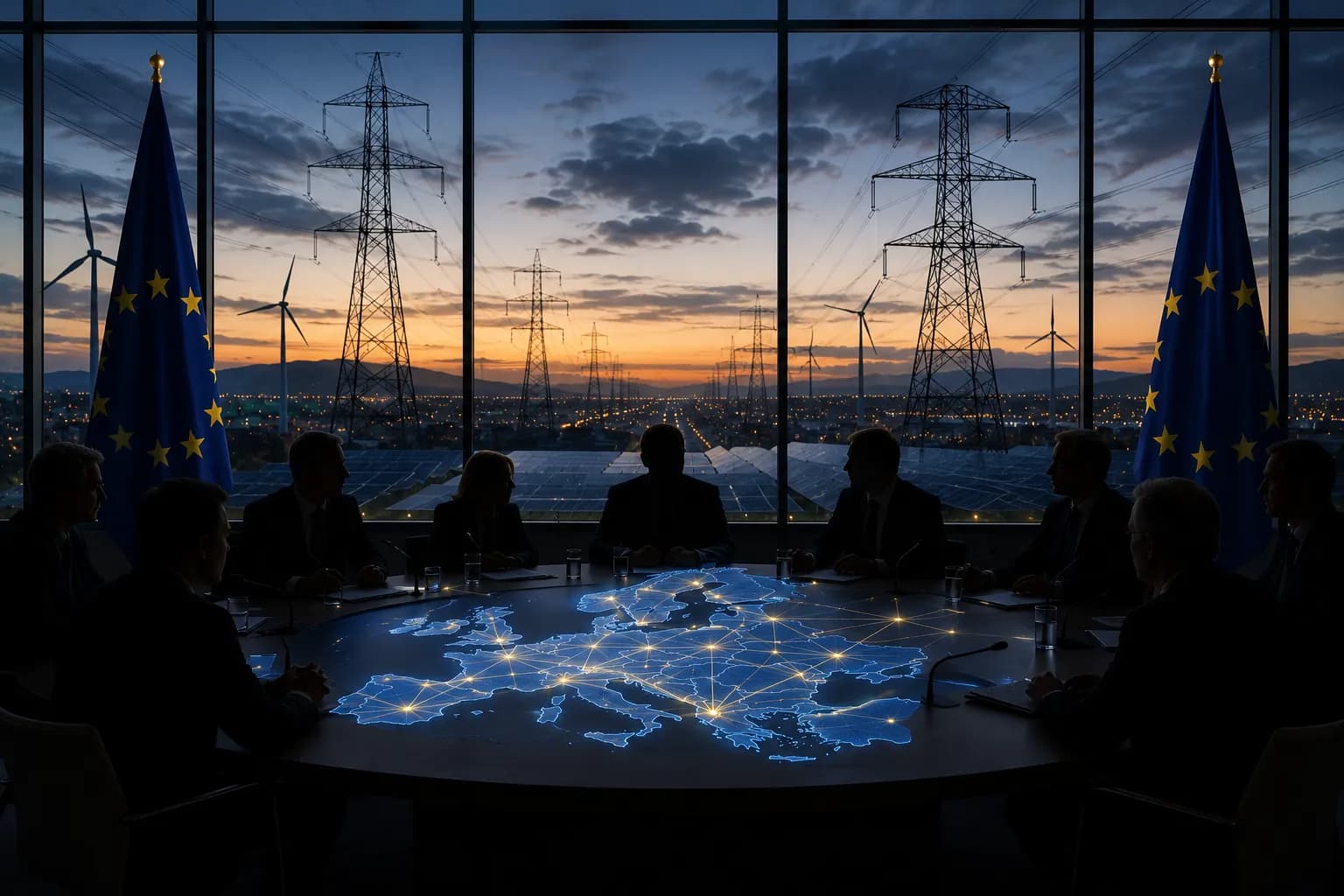
In a bid to reinforce supply chain resilience and deepen geopolitical ties, European and Central Asian leaders gathered yesterday at the European Parliament for a high-level roundtable, titled "Strengthening EU Strategic Autonomy through the Trans-Caspian Corridor," which highlighted a mutual determination to transform the Middle Corridor from a conceptual trade route into an economic and strategic lifeline.
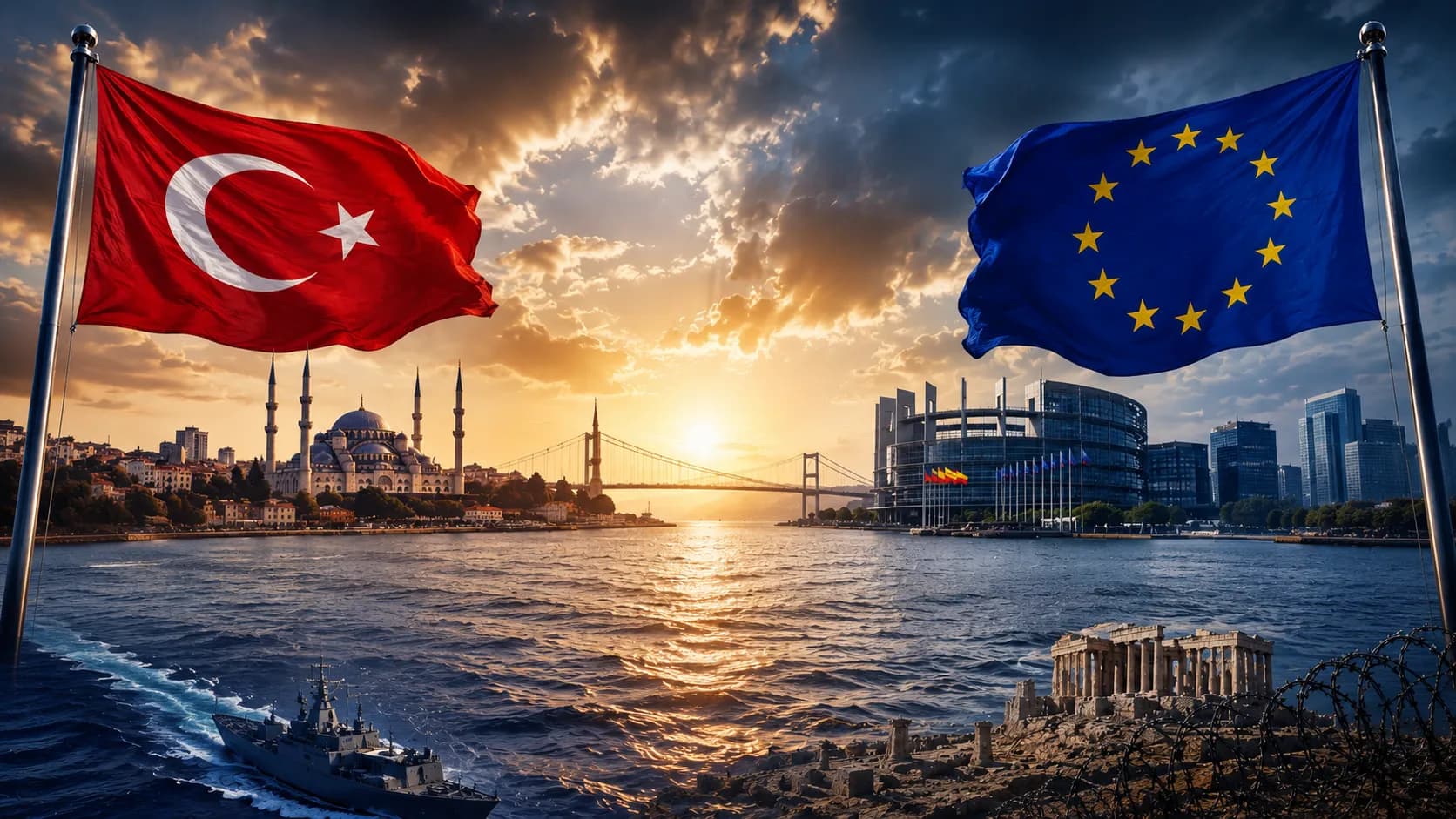
Turkey-EU relations are entering a pragmatic rapprochement driven by security cooperation and trade interdependence. Customs Union modernization and visa liberalization remain unresolved, while regional disputes like the Blue Homeland law keep reminding both sides how fragile the relationship is.
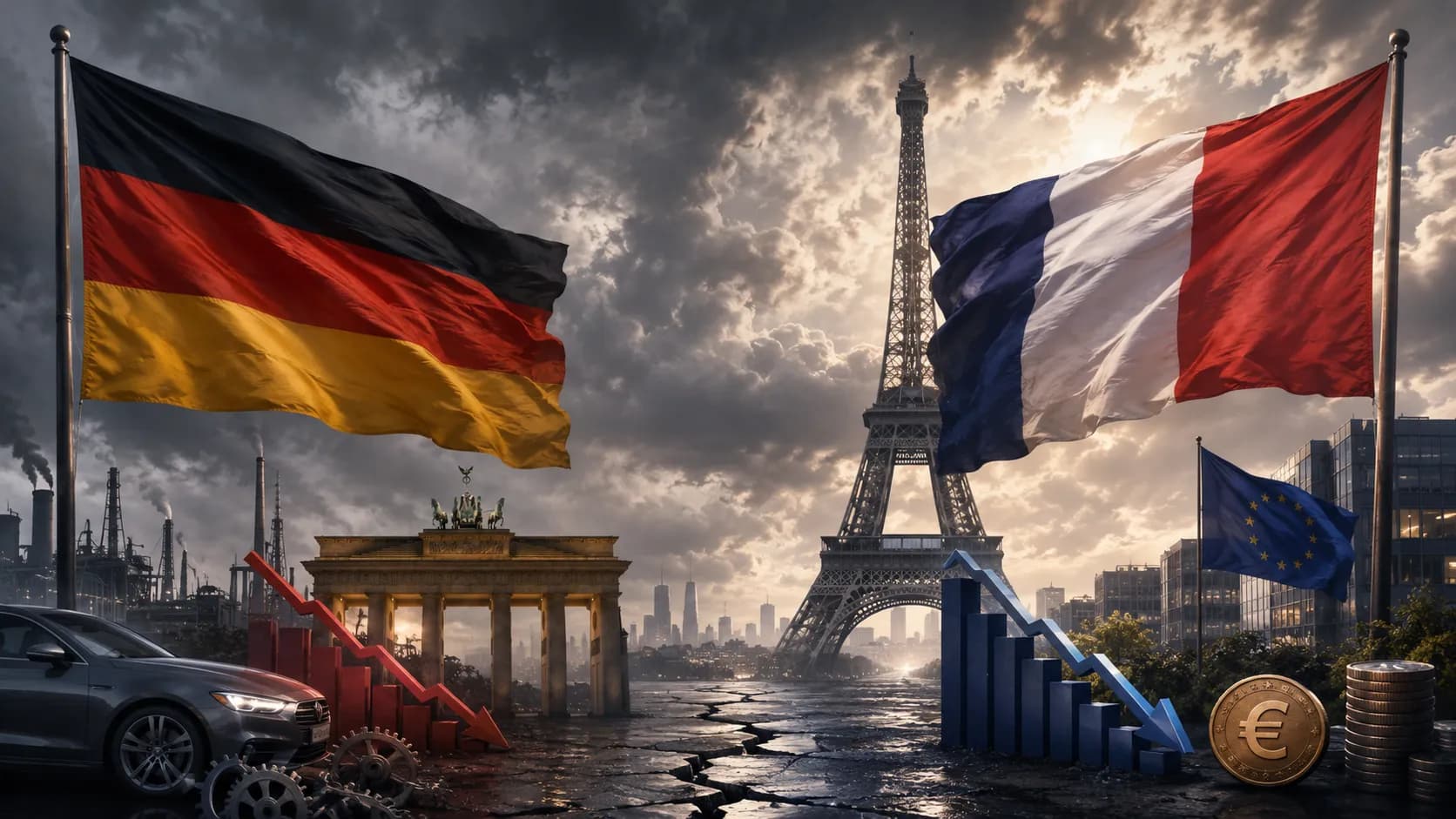
Germany and France, the EU's twin engines, are locked in intensifying rivalry over investment appeal, industrial jobs, and political vision. Foreign investment is declining, layoffs continue in autos and banking, and disputes over Ukraine and MERCOSUR are deepening the rift between Berlin and Paris.
Brussels, 30 June 2026:
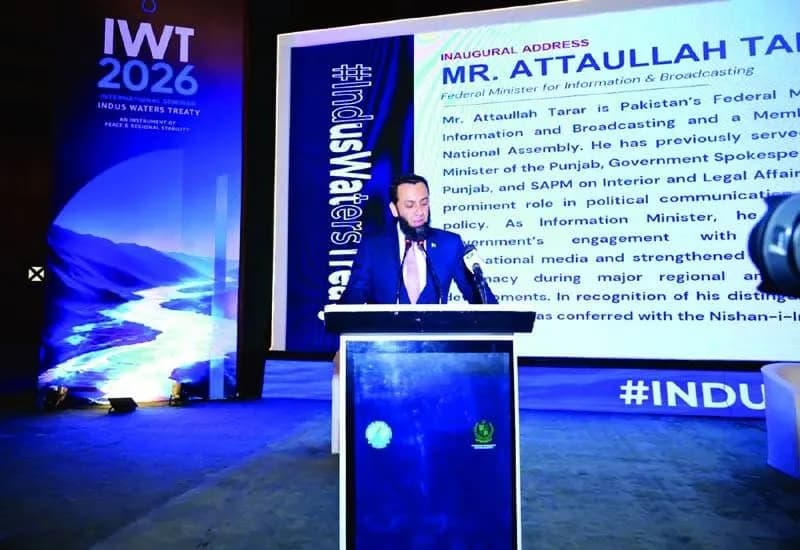
Pakistan today reiterated that water must never be used as a tool of political pressure and emphasized that the Indus Waters Treaty (IWT) remains a vital instrument of regional peace, cooperation, and stability.
Although leadership vision is strong in post-Soviet health ministries, communication breakdowns between institutions and departments, unrecorded meetings, informal correspondence channels, and weak accountability slow down projects. The article proposes solutions like digital document management and coordination councils.
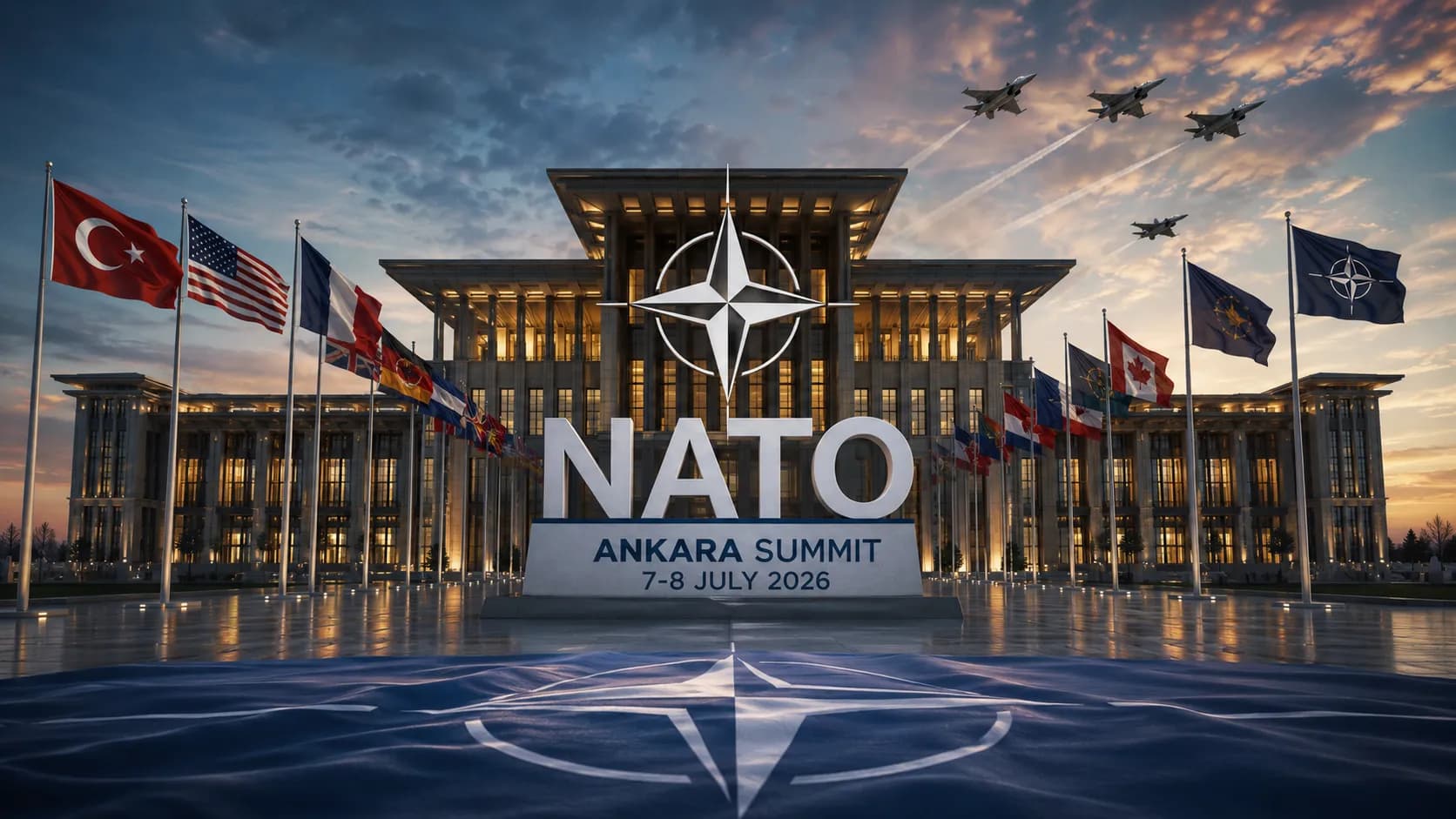
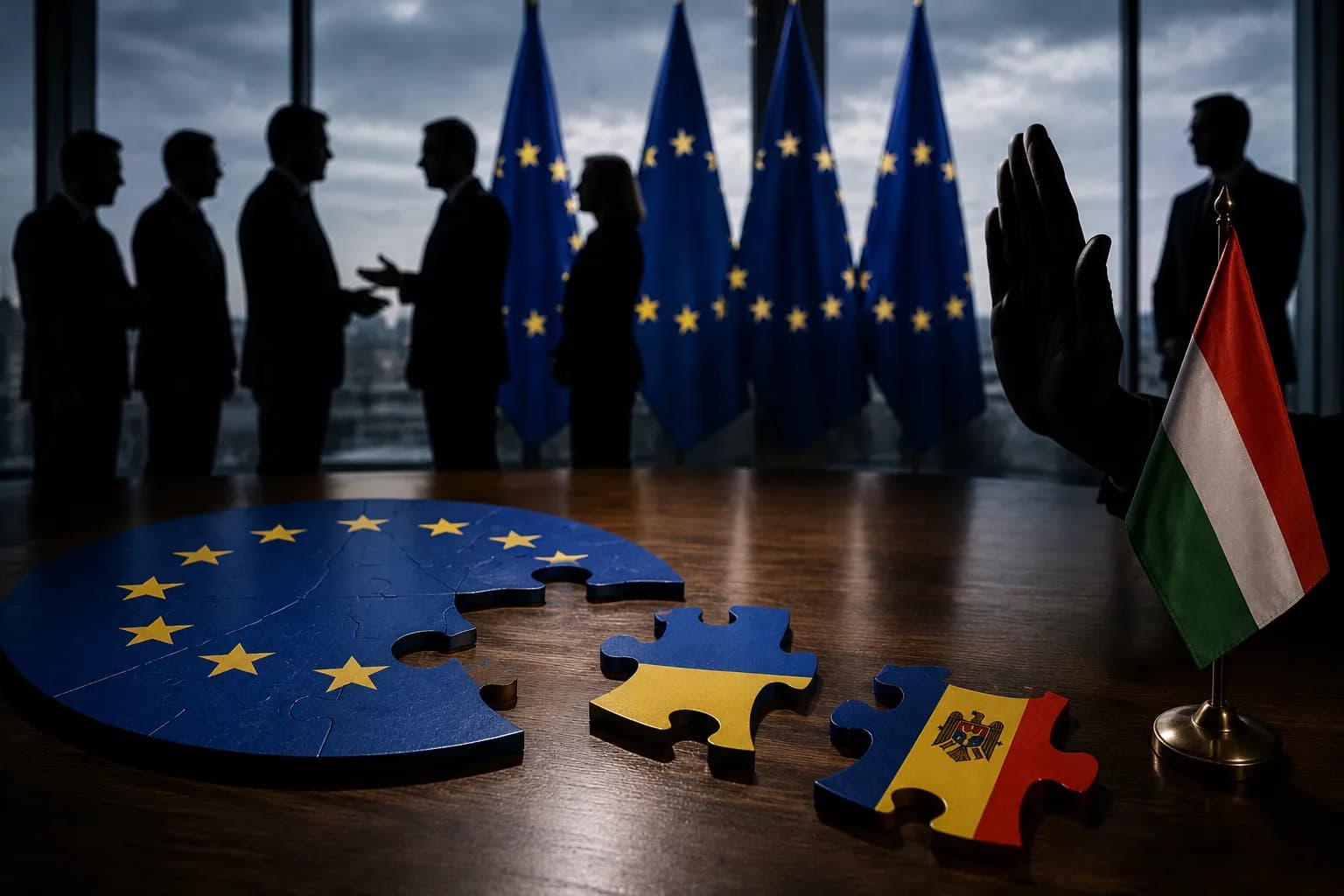
As Türkiye prepares to host the 36th NATO Summit in Ankara on 7-8 July, President Erdoğan has pressed for a more balanced distribution of responsibility among allies, arguing Türkiye's defence contributions should not be sidelined by narrow political interests within the alliance.
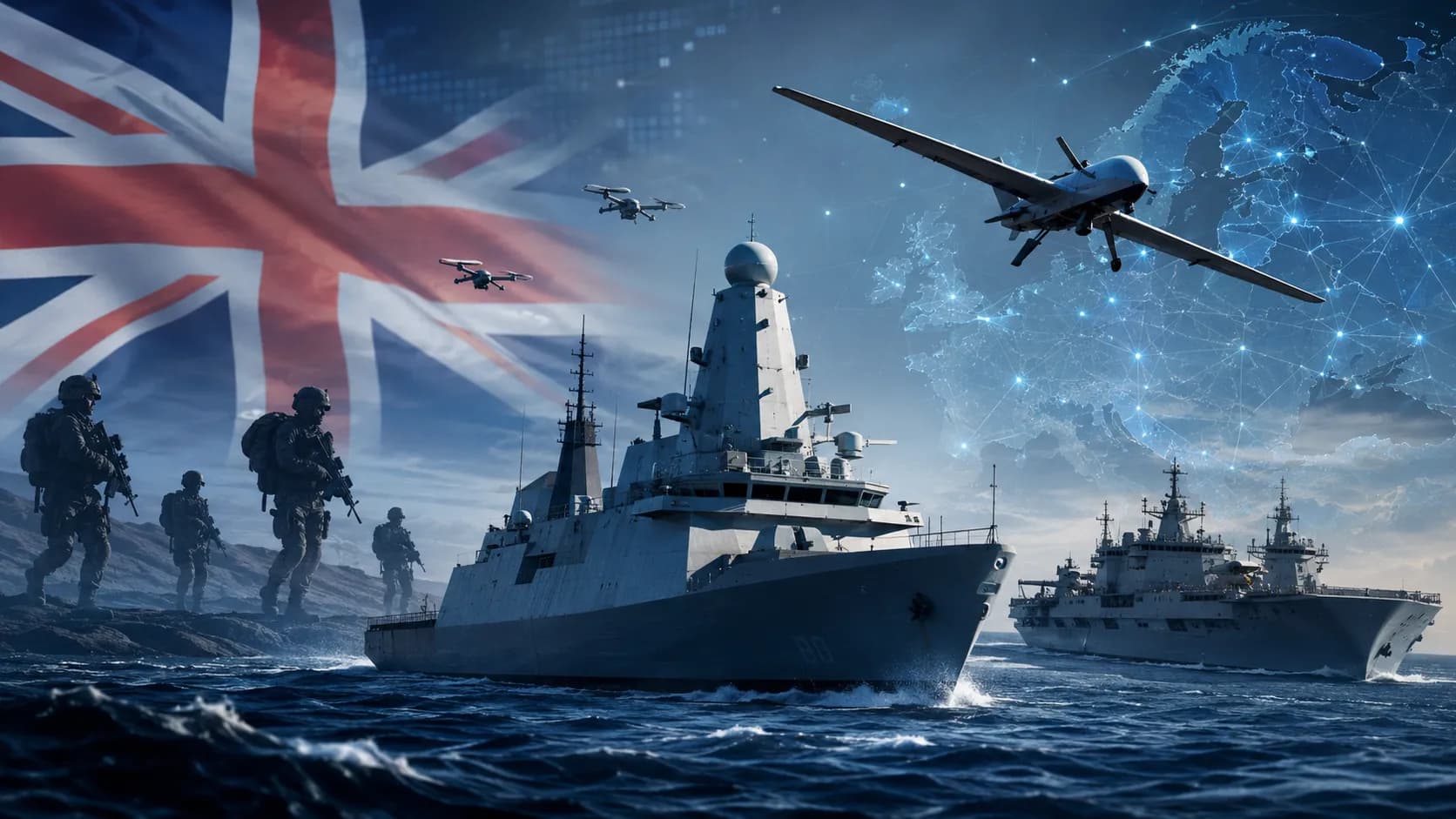
After months of delay, the UK Prime Minister has announced the Defence Investment Plan, redirecting funds toward drone-coordinating naval vessels, amphibious ships and joint European weapons programmes, while pledging £400 million to a new multilateral defence financing mechanism.
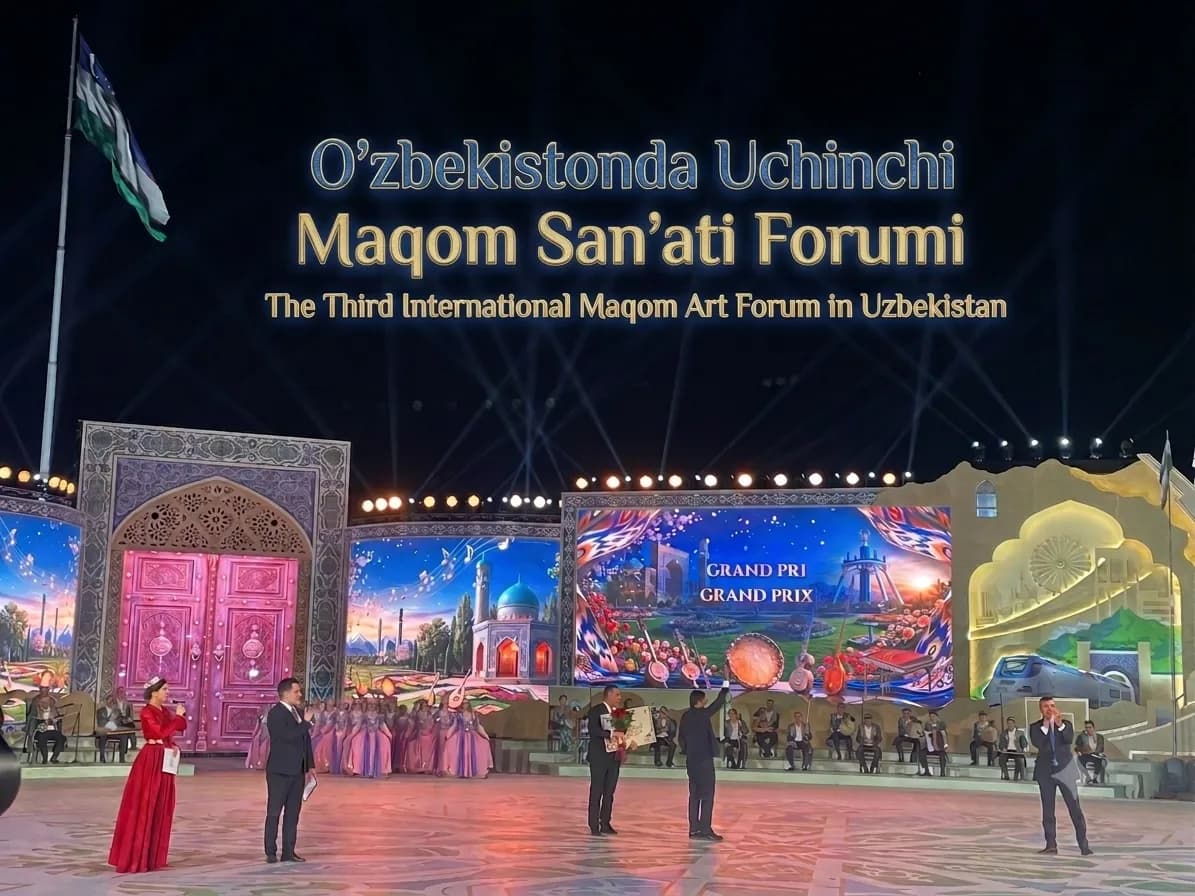
The Third International Maqom Art Forum took place in Namangan, Uzbekistan,
bringing together distinguished musicians, scholars, government officials, and
cultural representatives from around the world to celebrate one of the richest
traditions of Eastern classical music.
The opening ceremony, held on June 23, was attended by President Shavkat
Mirziyoyev of Uzbekistan. Welcoming forum participants, foreign guests, and
representatives of the cultural and artistic community, the President emphasized that
maqom is far more than a musical tradition—it is a spiritual bridge that unites
people’s hearts and promotes peace, dialogue, and mutual understanding.
Azerbaijan is strengthening its role as a regional investment and Islamic finance hub by leveraging strategic partnerships, infrastructure, and the Middle Corridor. The Baku IsDB Forum highlighted diversification, Gulf investment potential, and sustainable economic cooperation across the region.
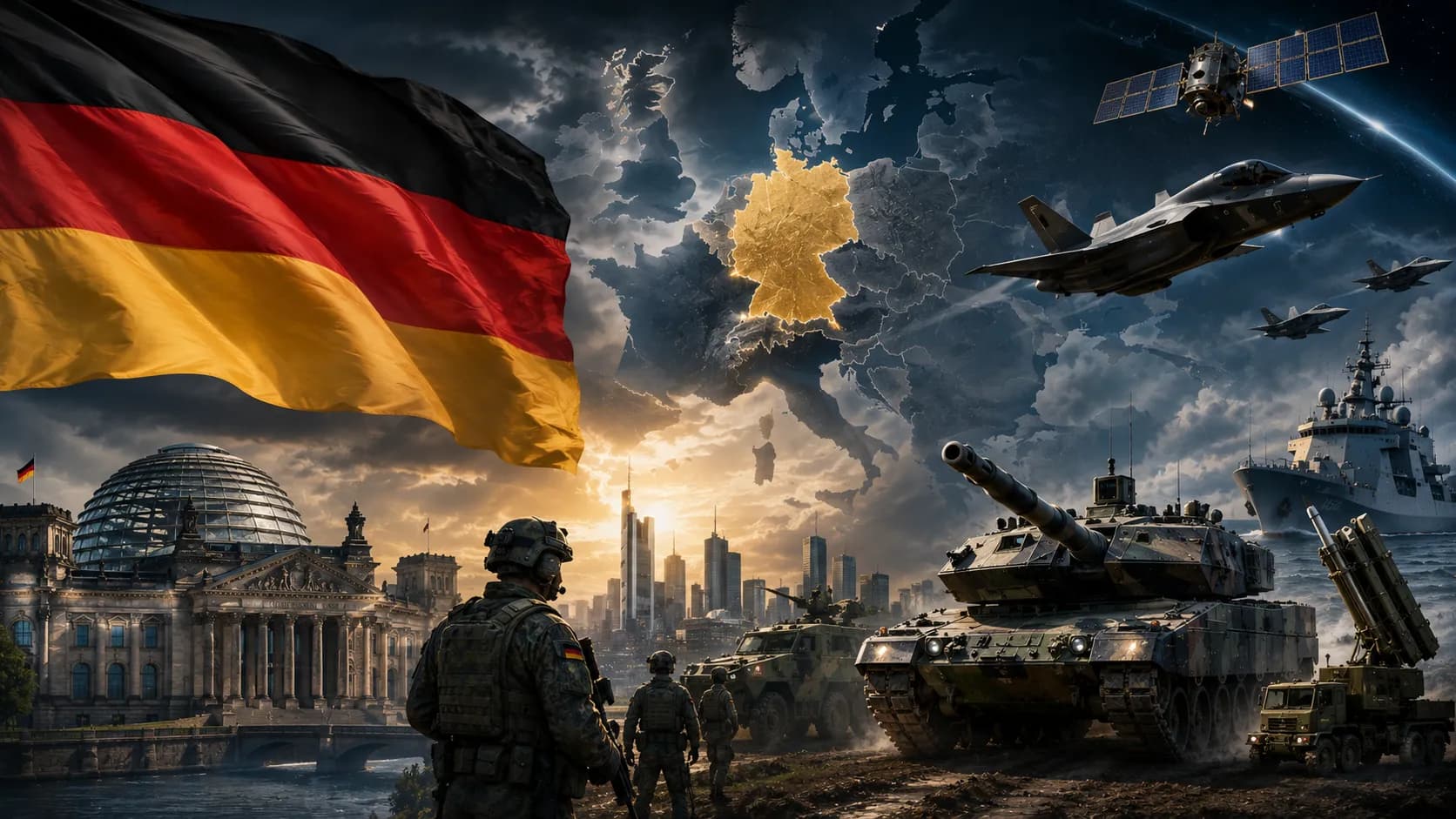
Germany is rapidly becoming Europe's leading military power through record defence spending, long-term procurement and an expanding defence industry led by Rheinmetall. Berlin's historic rearmament is reshaping European security, strengthening NATO capabilities while altering the continent's strategic balance.
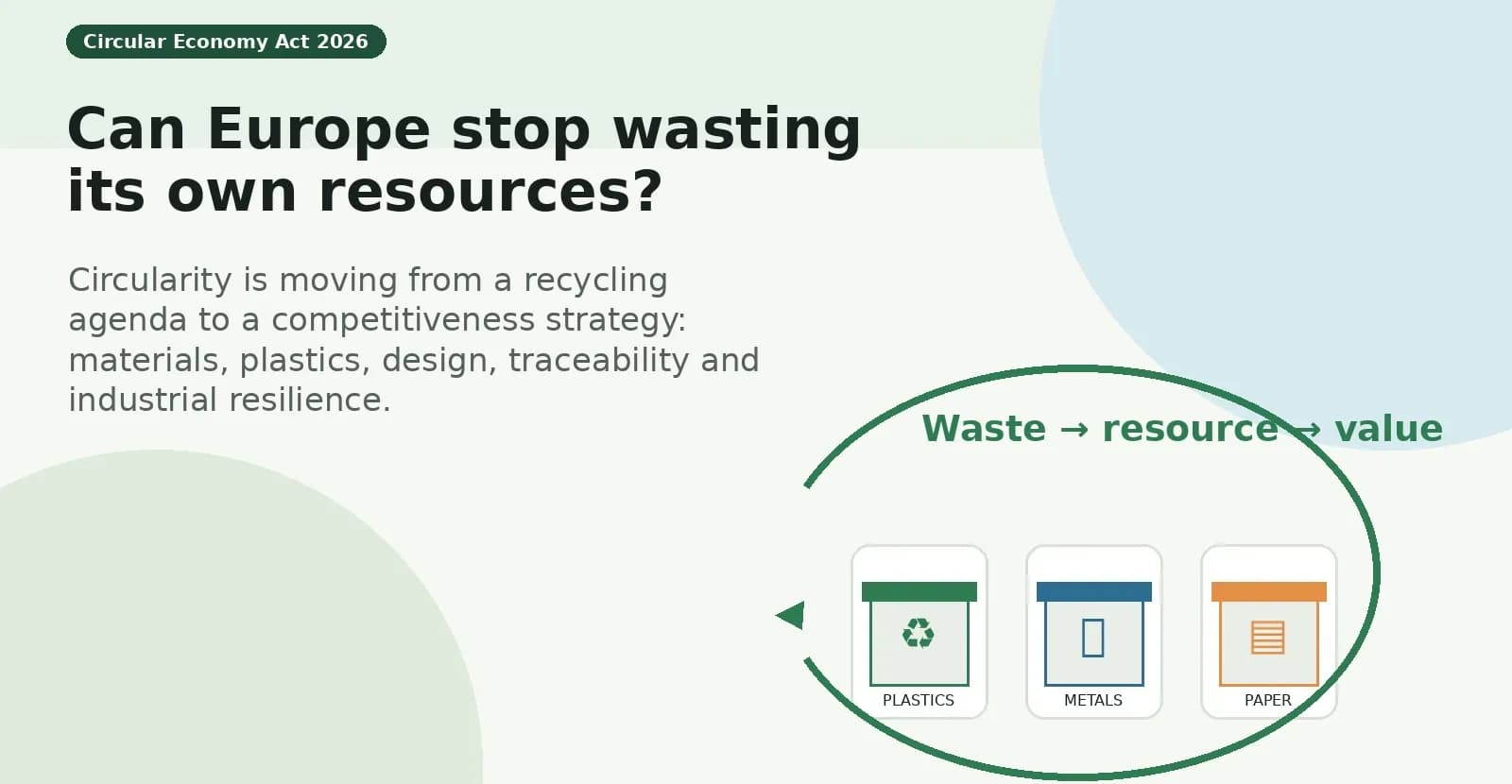
As the EU prepares its forthcoming Circular Economy Act, circularity is moving from the margins of environmental policy to the centre of Europe’s competitiveness agenda. This article argues that waste is no longer merely a disposal problem, but a strategic test of Europe’s industrial resilience, resource security and ability to build a functioning market for secondary raw materials. With plastics at the heart of the debate, the piece explores why Europe must transform recycling, product design, traceability and material reuse into pillars of a stronger, greener and more self-reliant economy.
The Connectivity Agenda Platform was launched in Brussels as a new interregional framework aimed at strengthening transport, energy, digital and trade links between Europe and Central Asia through the Caspian Sea, the South Caucasus and the Black Sea regions. The Platform seeks to combine infrastructure development with regulatory alignment, interoperability, market integration and coordinated governance, while supporting the transition from political commitments to concrete, bankable projects. Turkmenistan was represented at the event by Ambassador Sapar Palvanov, who took part in discussions on the role of regional connectivity and the development of the Trans-Caspian Transport Corridor.