Technology · Artificial Intelligence Ai
War Goes Digital
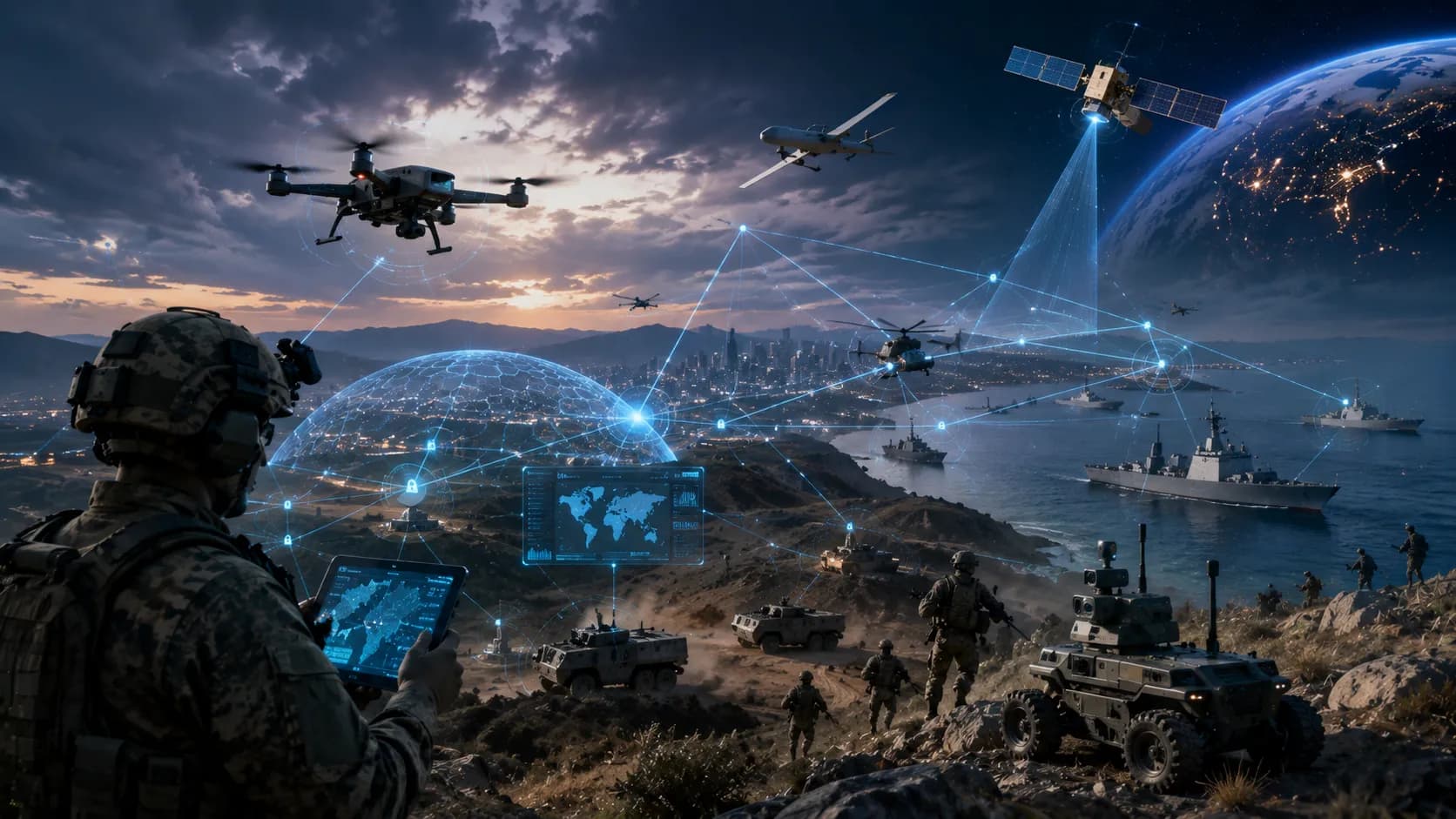
Small FPV drones have made armored movement increasingly dangerous on the Ukrainian battlefield, Reuters reported in February, illustrating how cheap unmanned systems are reshaping tactics.
Small FPV drones have made armored movement increasingly dangerous on the Ukrainian battlefield, Reuters reported in February, illustrating how cheap unmanned systems are reshaping tactics.
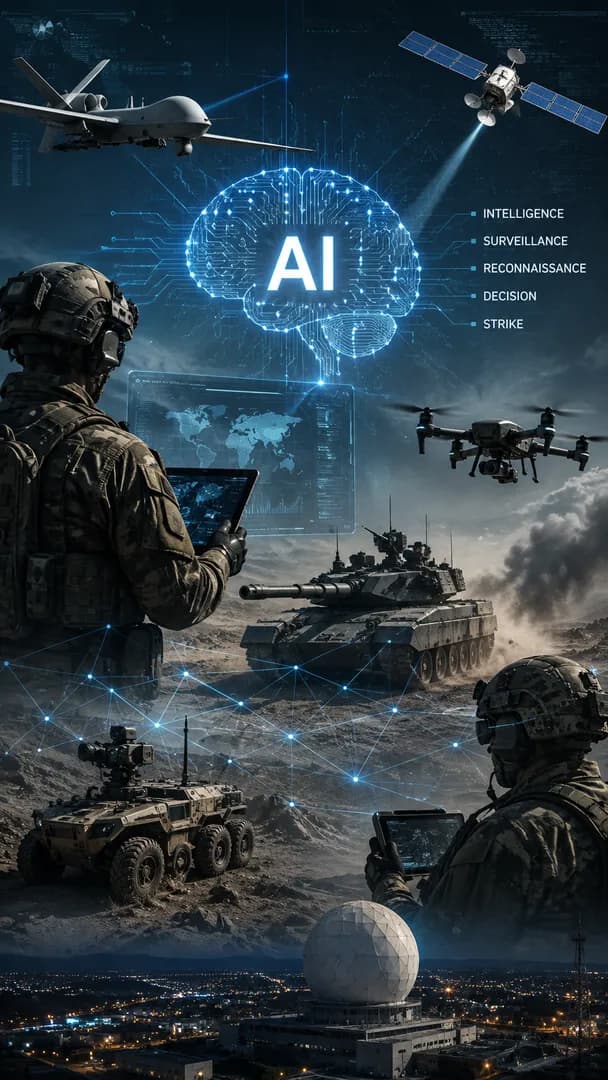
The Pentagon's 2026 AI strategy and Palantir's Maven Smart System signal a shift toward software-defined warfare, with startups like Smack Technologies raising $61 million for AI decision-making tools.
The Global Digital Health Certification Network now spans 82 countries, giving around 2 billion people access to digital health records.

With nearly 5,000 cases and over 2,300 deaths in the DRC, the WHO has declared the Ebola outbreak a Public Health Emergency of International Concern.
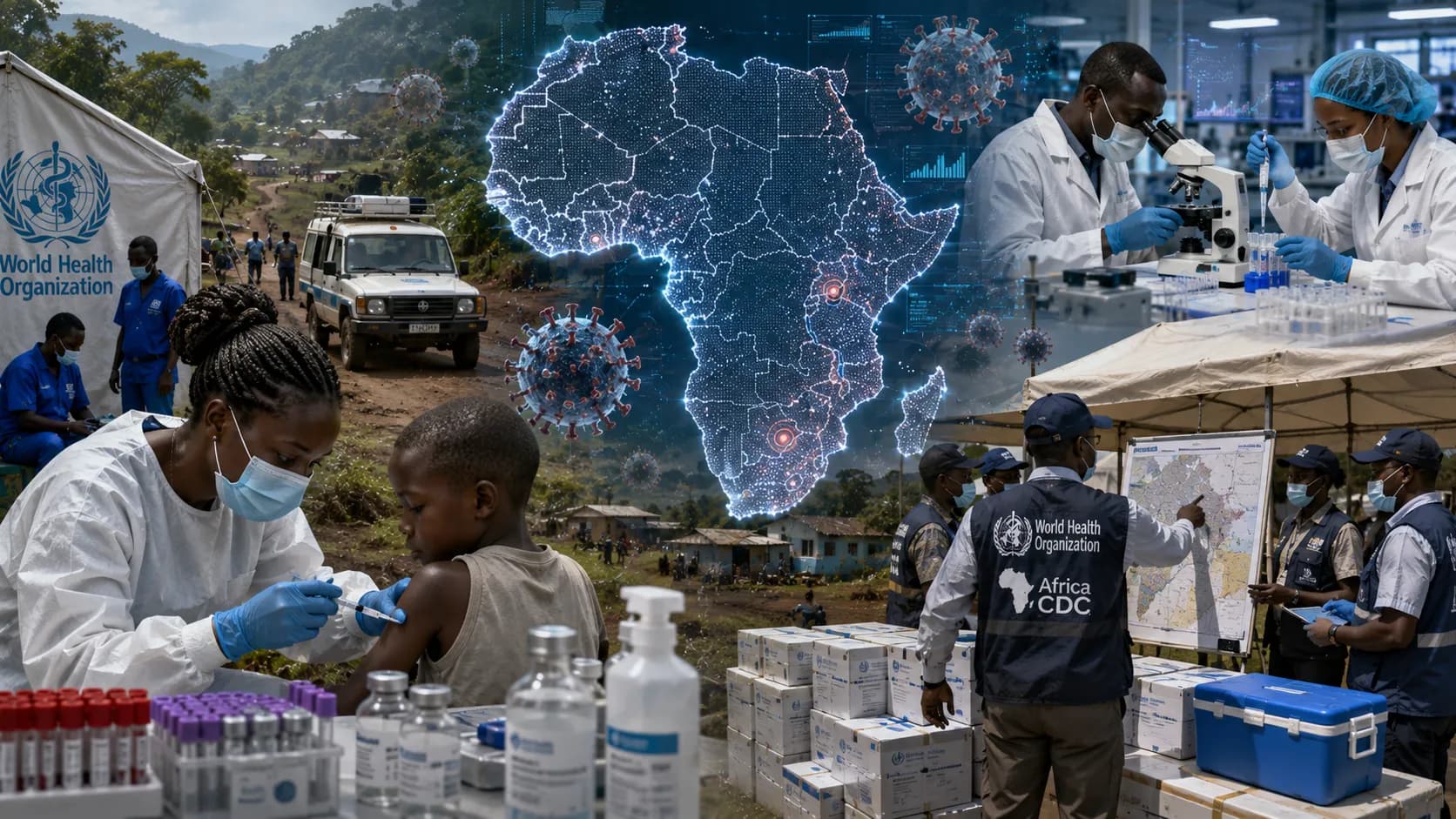
WHO has drawn up research roadmaps for 10 viral families and a group of bacteria to develop diagnostics, treatments, and vaccines before the next pandemic emerges.

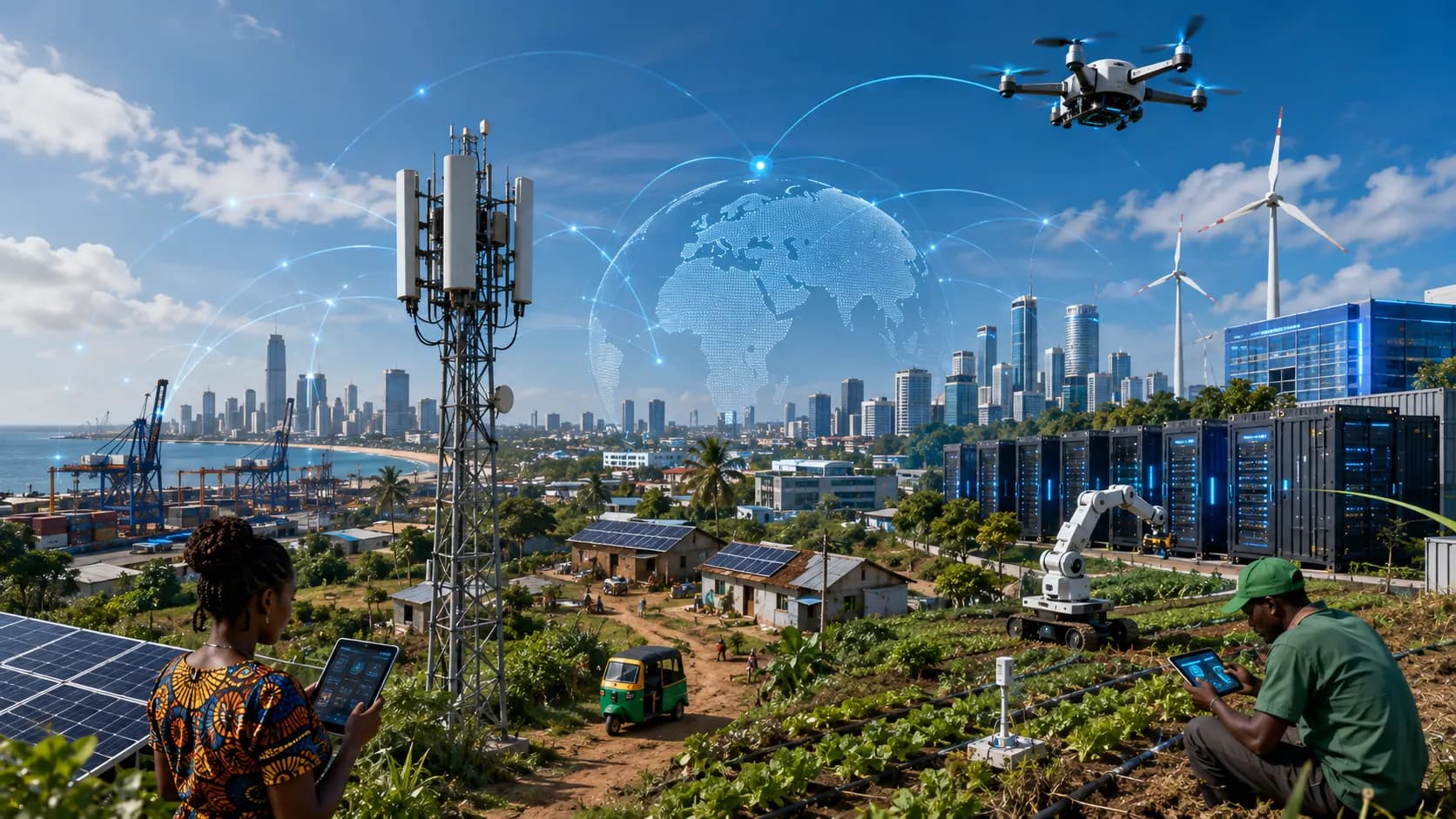
India has announced over $160 billion in data-center investments and is backing domestic AI models to reduce reliance on foreign technology.
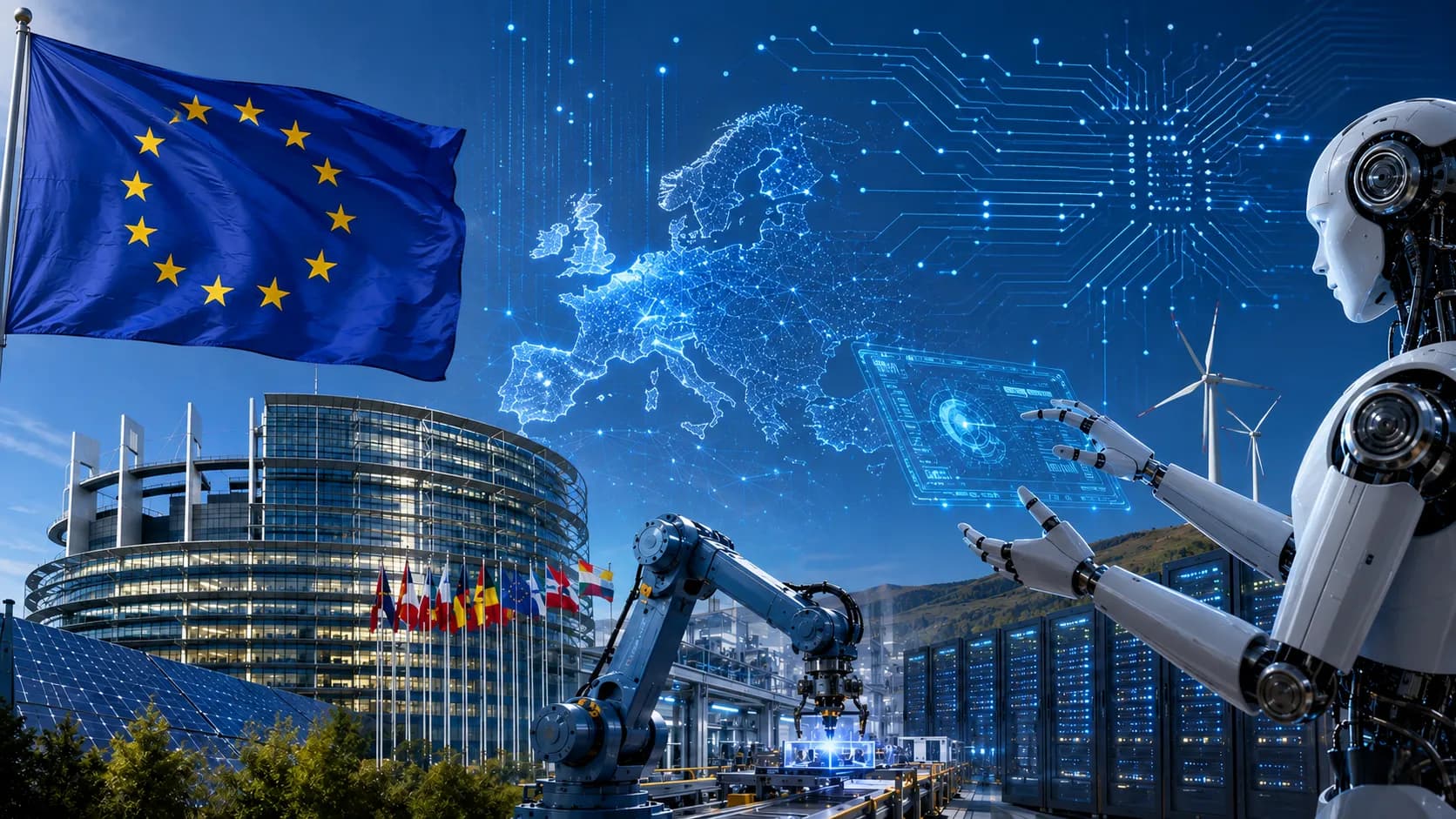
The EU aims to mobilize over €30 billion for up to seven AI Gigafactories, each with more than 100,000 advanced processors, to boost computing power within the bloc.
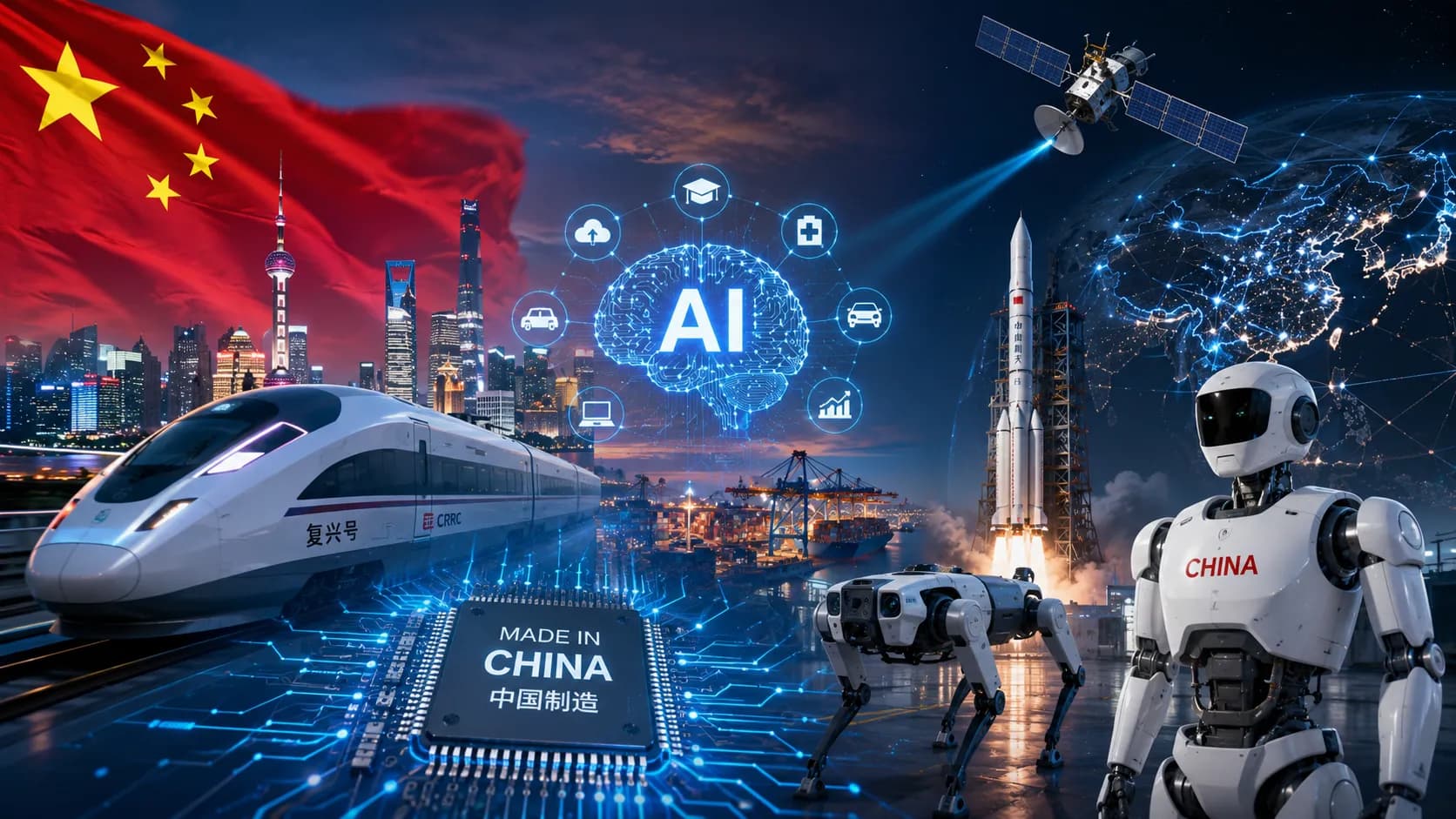
Open AI models from Chinese labs could accelerate adoption across Asia, offering low-cost, customizable alternatives to Western systems.
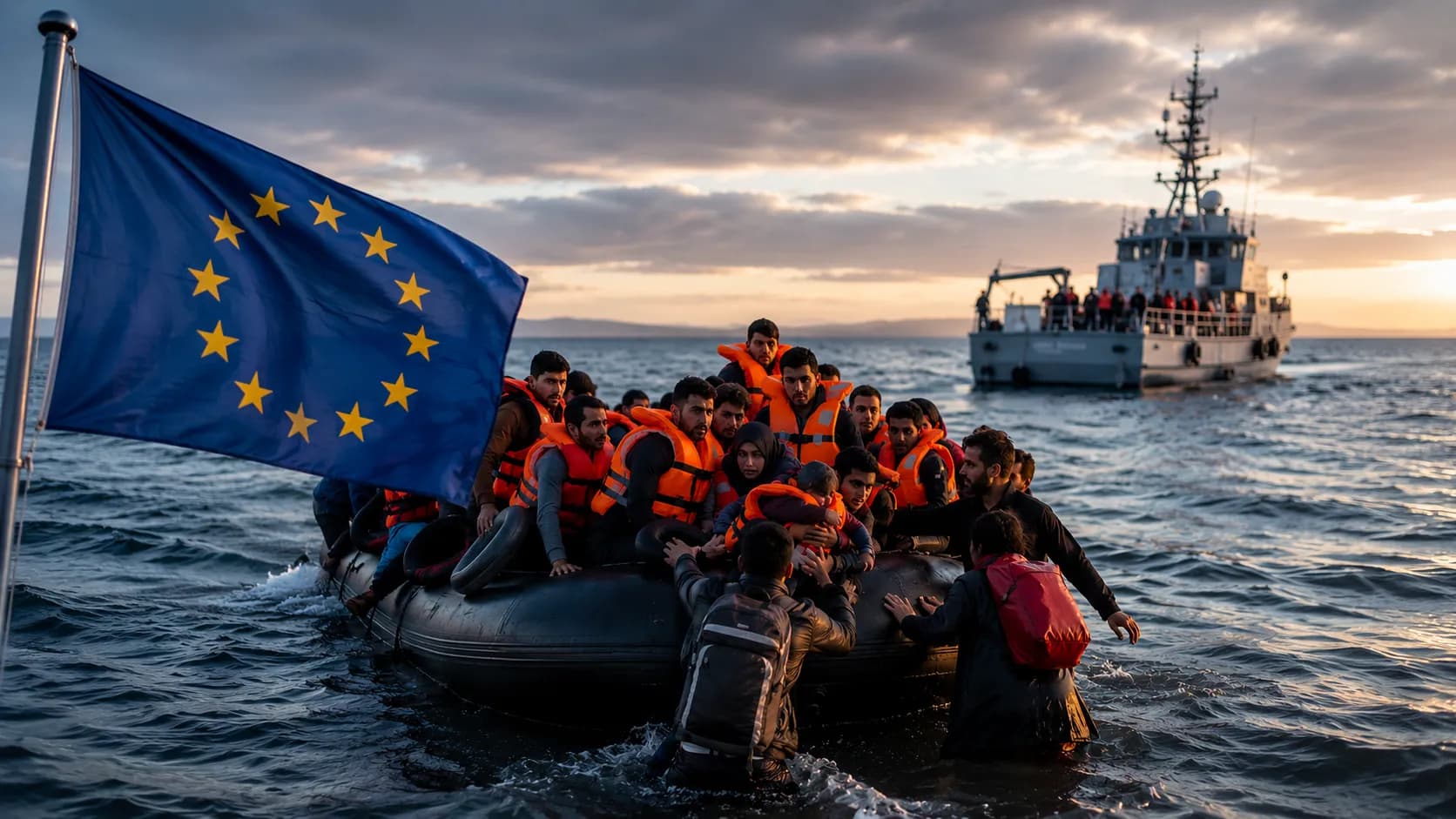
The new EU Pact on Migration and Asylum, in force since June, has failed to ease tensions, with Italy and Germany clashing over responsibility for asylum seekers and NGO rescue vessels.
The August 23 vote marks the first parliamentary election under a new constitution, replacing the bicameral system with a single-chamber Kurultai, a change unseen since 1991.
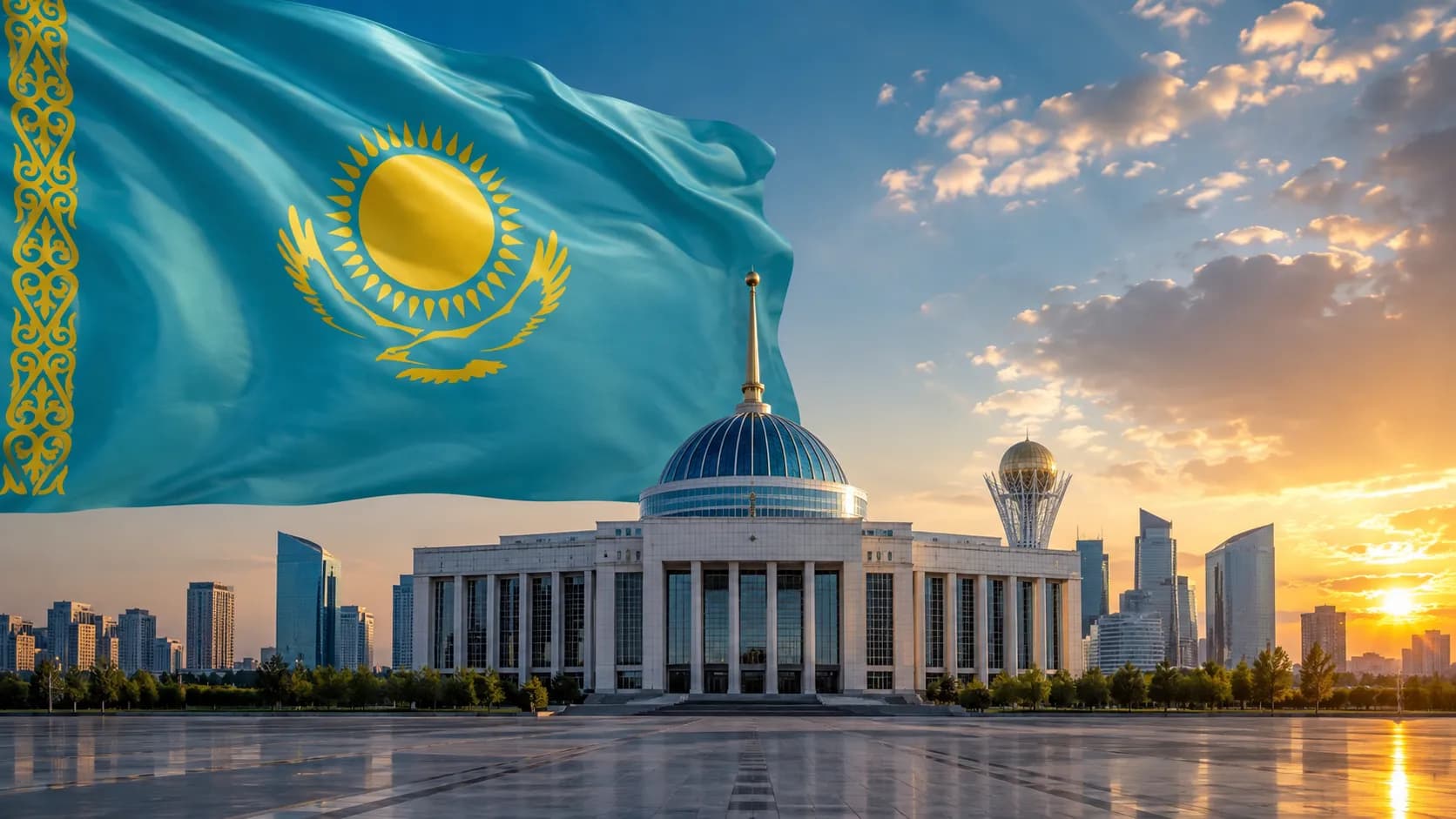
Today, Kazakhstan is holding a historic nationwide vote, as citizens elect deputies to the country’s new Qurultay, the unicameral Parliament established under Kazakhstan’s recently adopted Constitution.
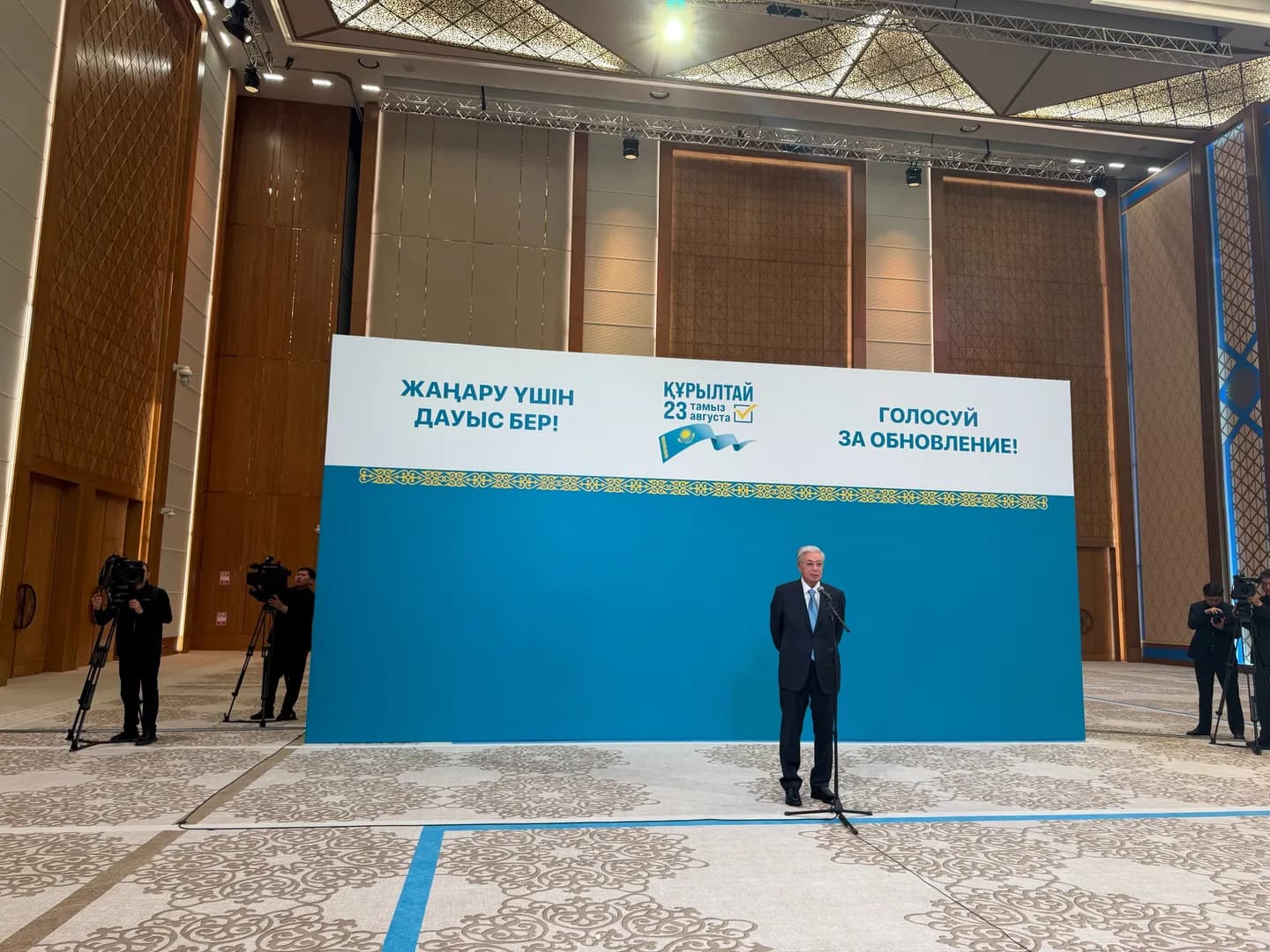
Seven parties are contesting 145 seats in the new unicameral Kurultai, with 545 candidates on party lists and women, youth, and disabled persons making up 43.9% of candidates.
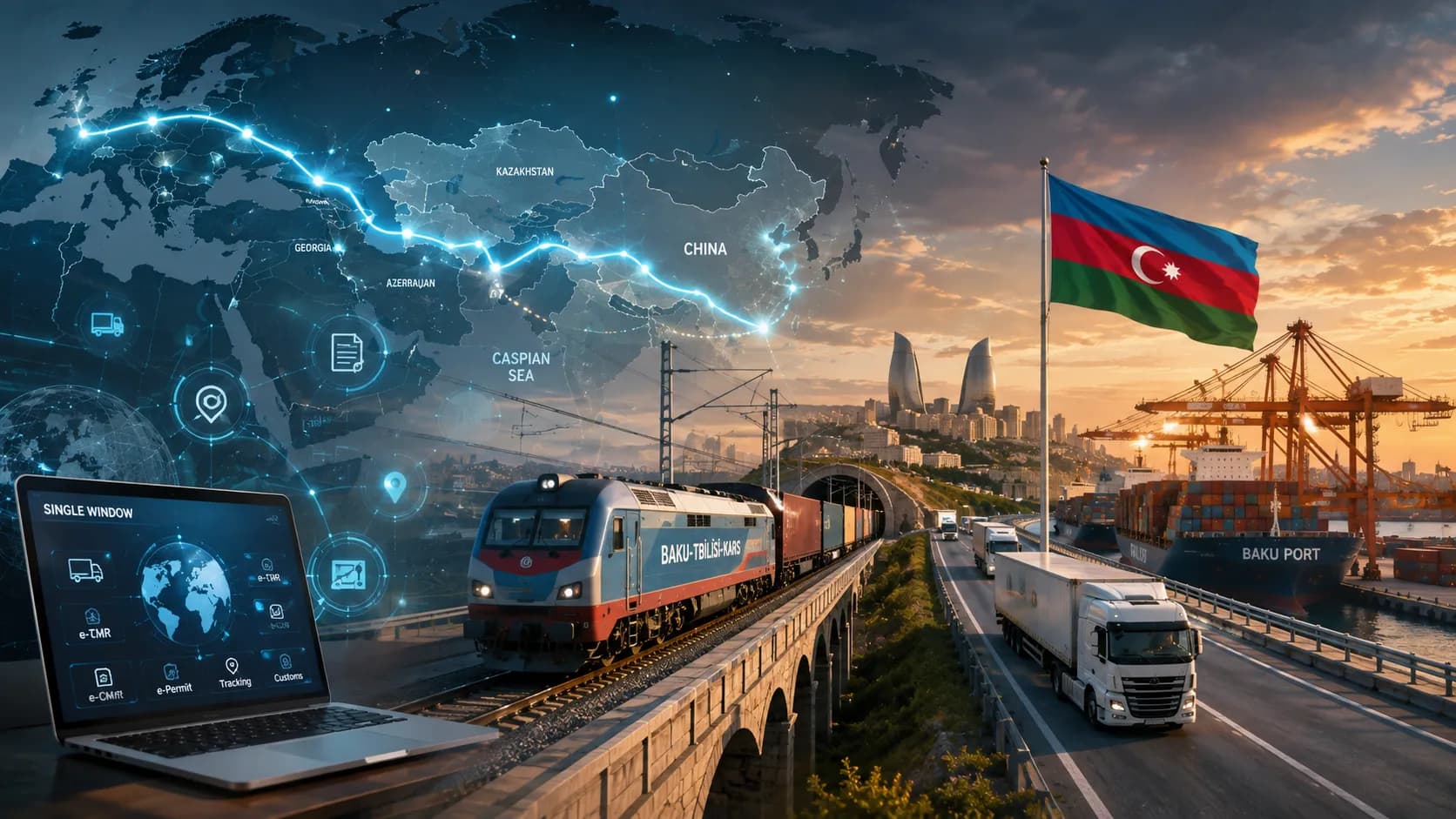
Azerbaijan's digital reforms have cut China-Europe transit times from 38-53 days to 12-18, but coordination gaps and infrastructure limits still pose challenges.
Balaji Srinivasan's network state concept has been tested in Montenegro and Malaysia, but these experiments remain dependent on host countries for basic governance.

With 33% of international buyers planning to increase sourcing from Pakistan, compliance with labour and environmental standards is becoming a key competitive factor for the country's textile industry.
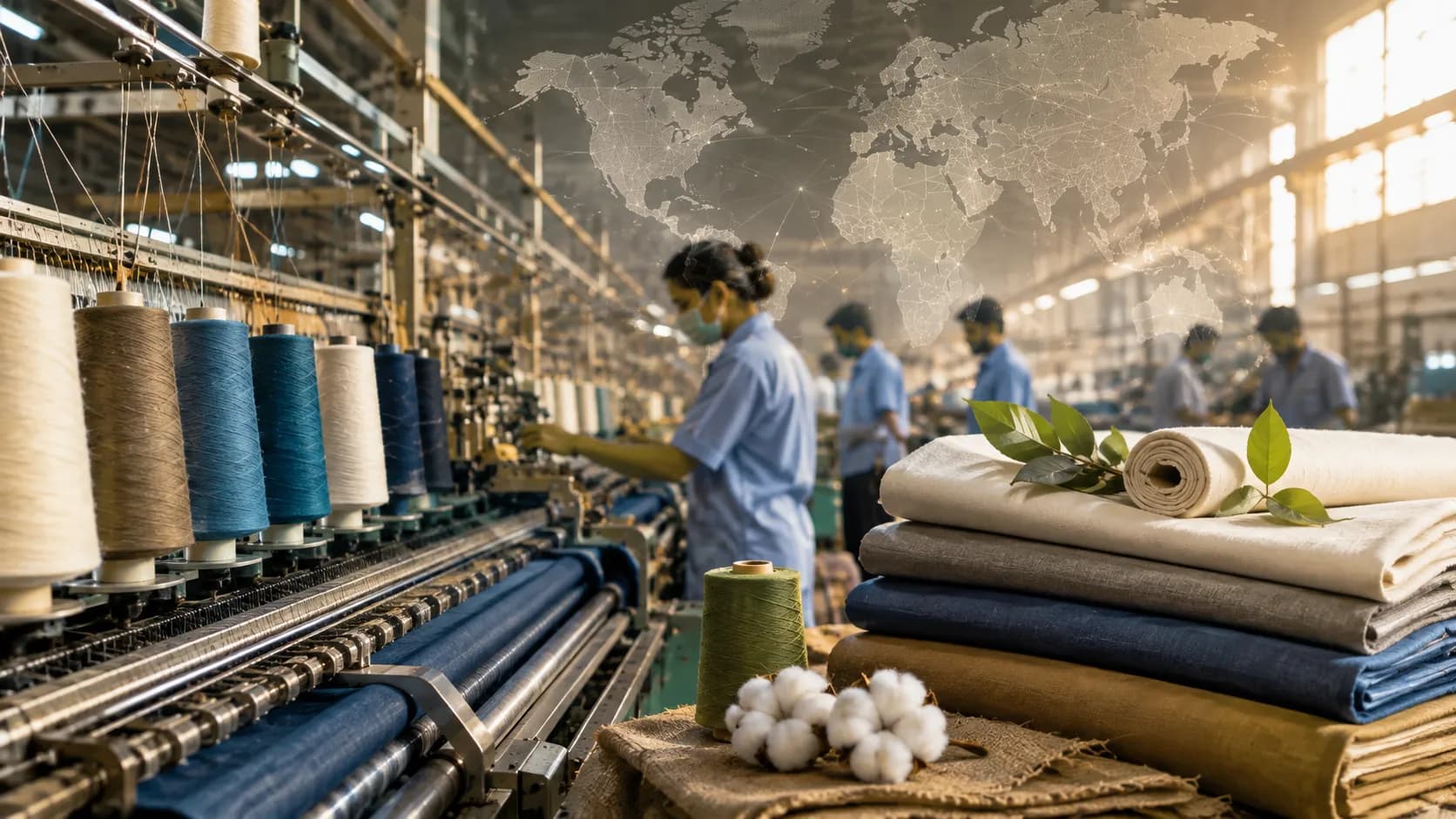
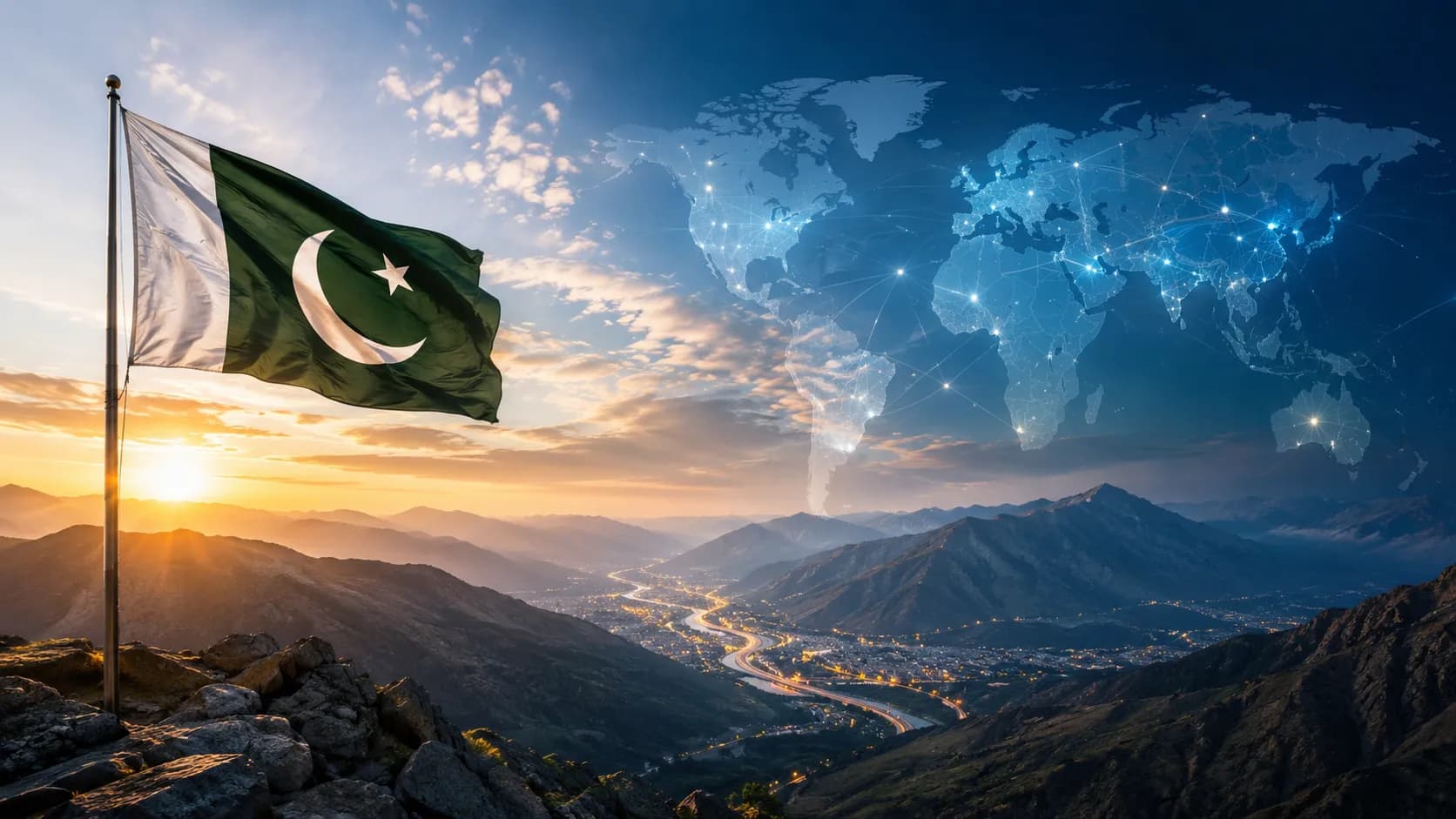
Pakistan's economic stability, not just military strength, is key to its strategic autonomy, with external financing and energy dependence limiting its foreign-policy options.
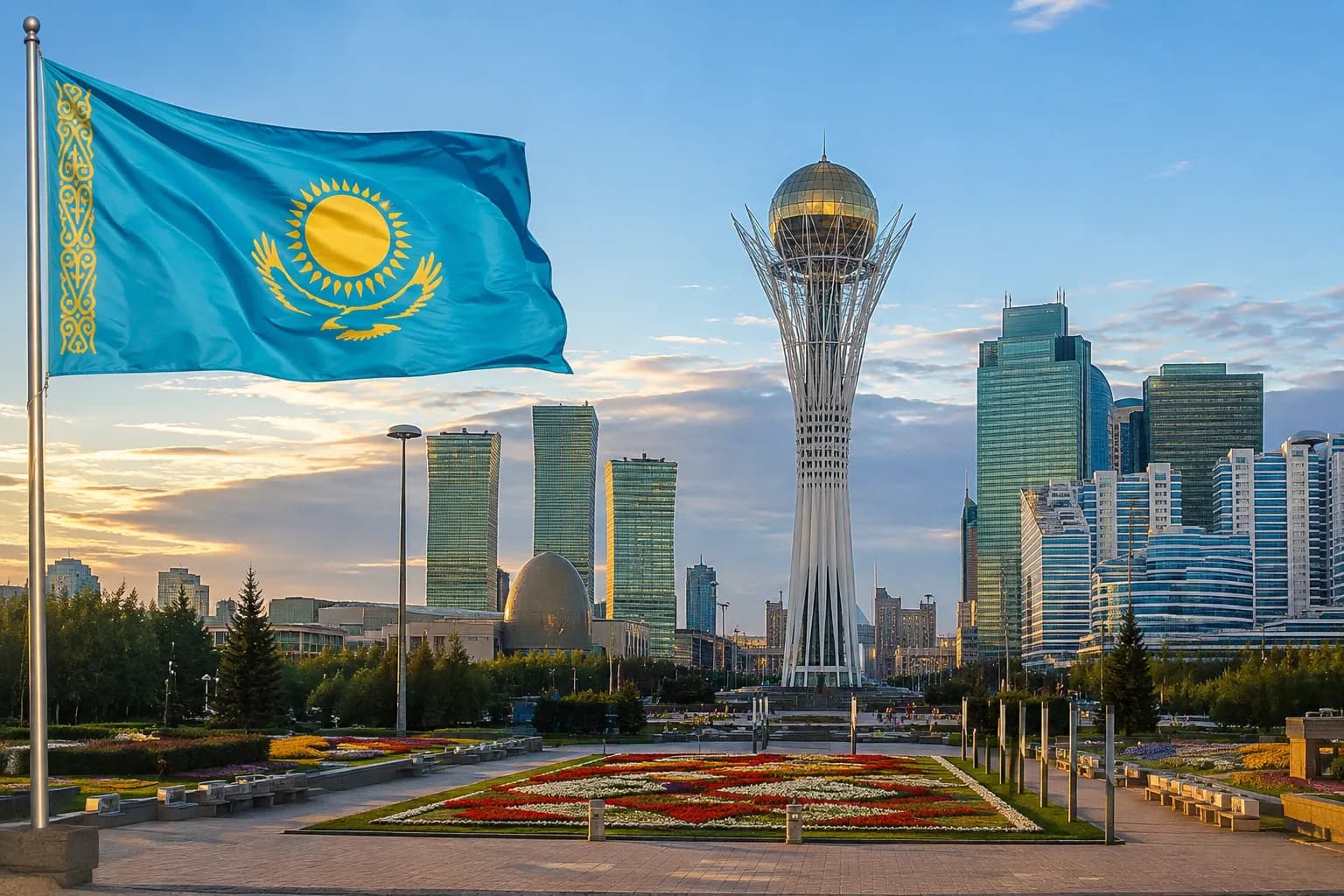
Kazakhstan’s First Qurultay Elections 🇰🇿 August 23: First elections to the new unicameral Qurultay.
This week, football fans across Europe are once again turning their eyes toward Central Asia, as FC Qairat Almaty — the reigning champions of Kazakhstan — take on RSC Anderlecht in the play-off round of the UEFA Europa League qualifying path.
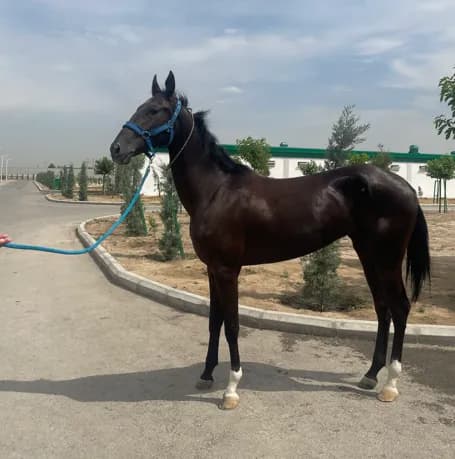
“These horses are an unearthly breed. Perfection, miracles of miracles. … Gold that came down from heaven.”
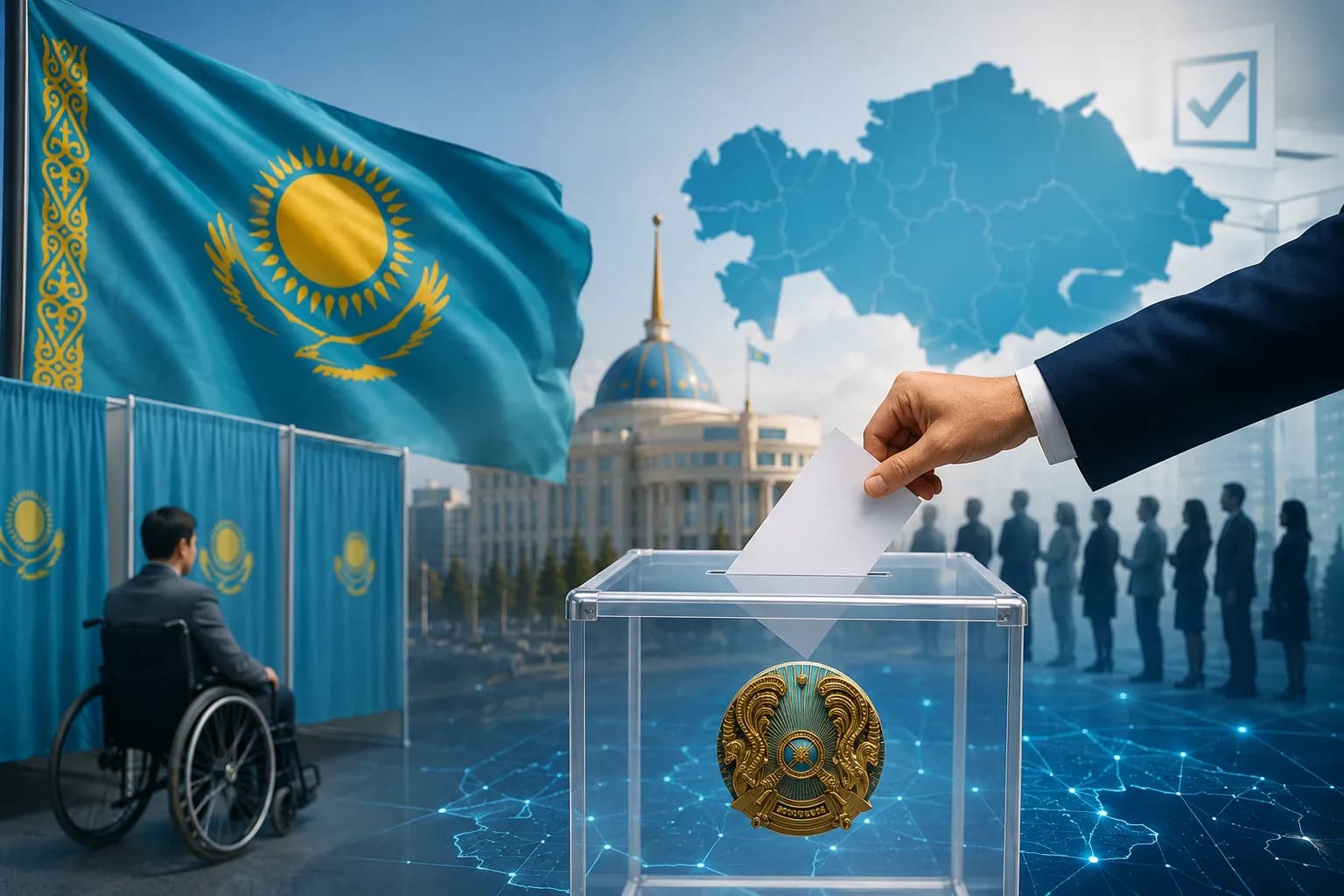
This Sunday, 23 August 2026, millions of Kazakhstanis will walk into polling stations to take part in one of the most consequential moments in their nation’s modern history: the first-ever election to the Qurultay (Құрылтай), Kazakhstan’s newly established single-chamber parliament.

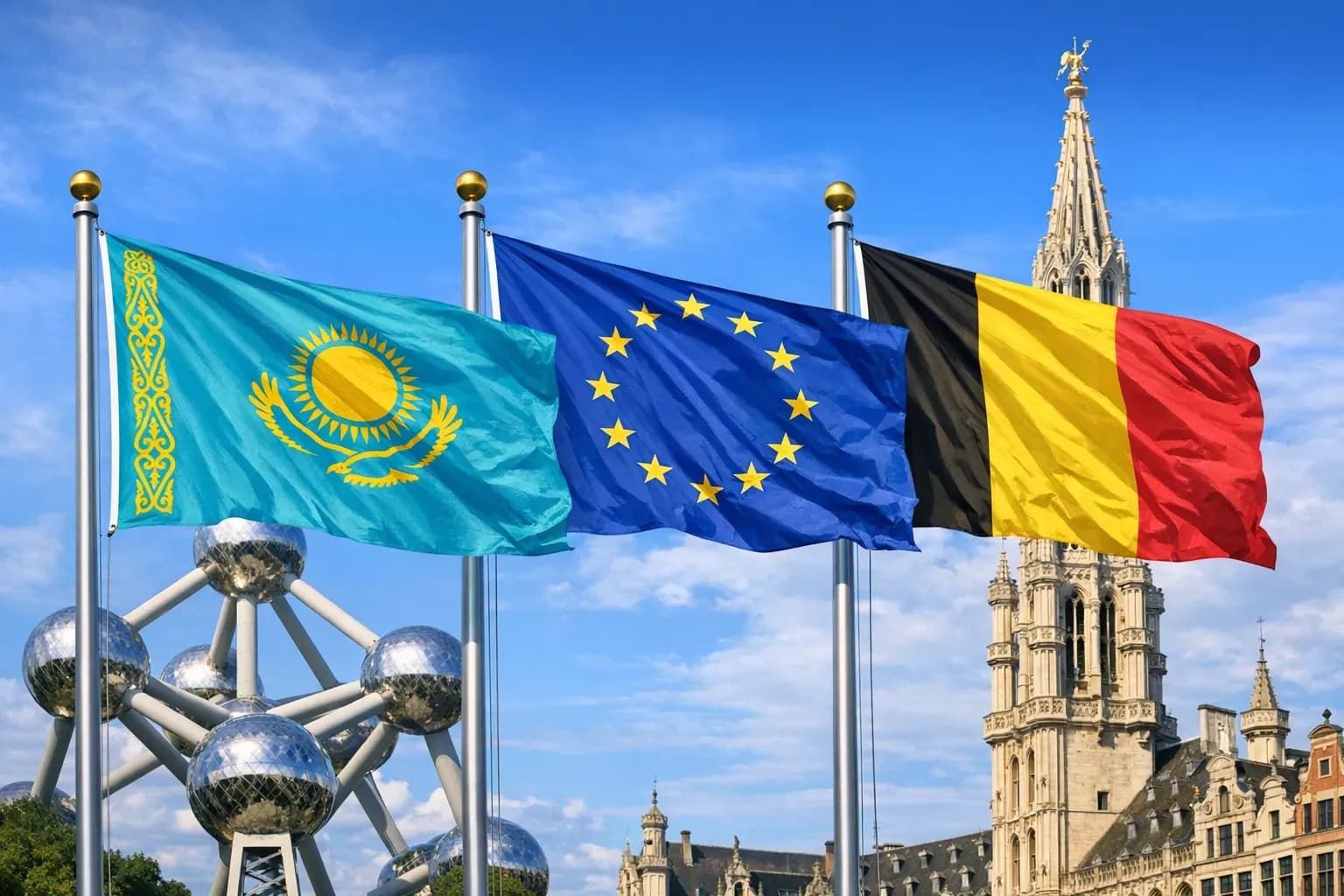
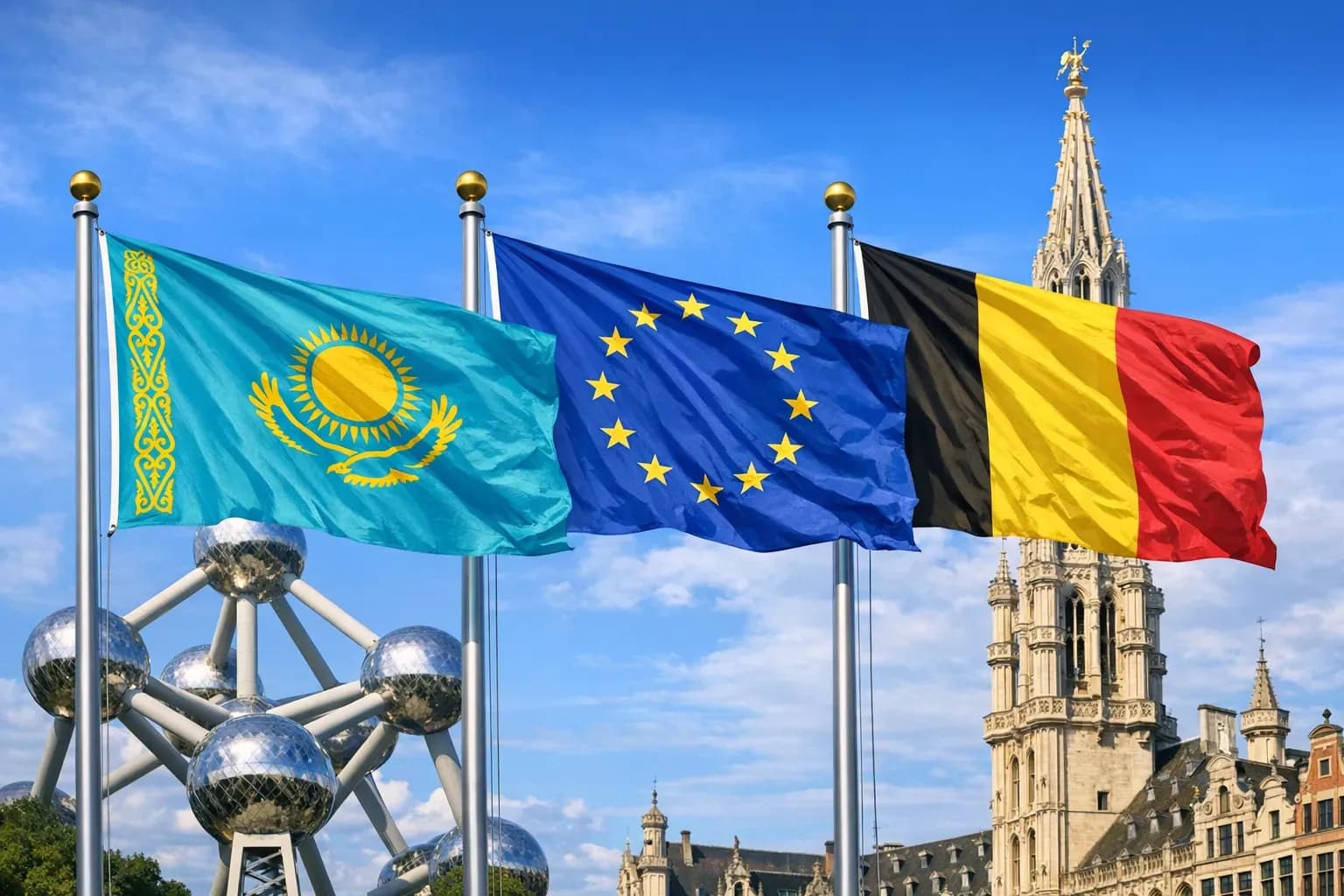
At a glance From 12 to 15 October 2026, King Philippe of the Belgians will pay his first-ever State visit to Kazakhstan, at the invitation of President Kassym-Jomart Tokayev. It will be the first time in history that a Belgian sovereign travels on an official visit to the Central Asian country, since diplomatic relations were established in 1992.
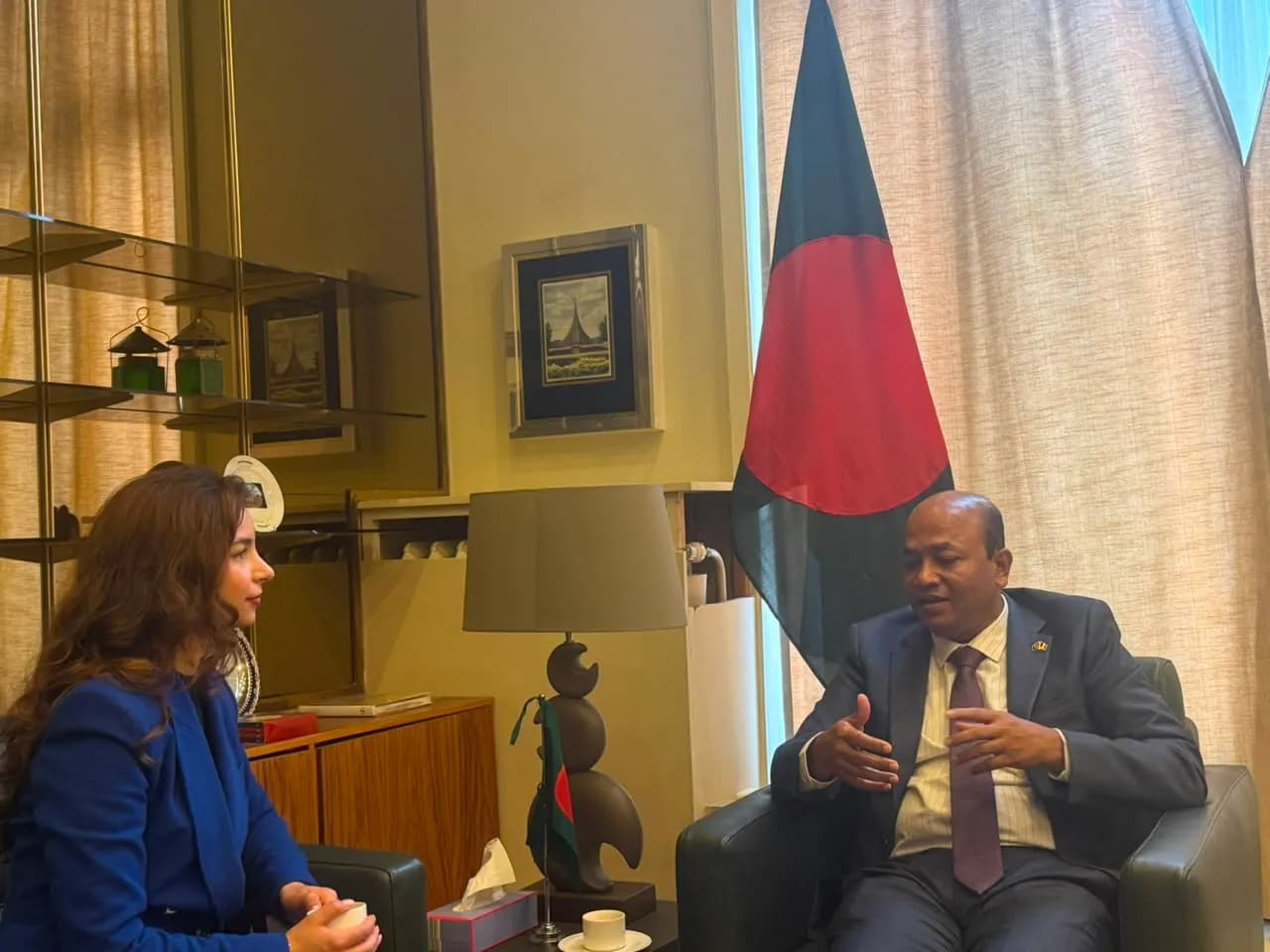
Interview with H.E. Khandker Masudul Alam, Ambassador of Bangladesh to Belgium, Luxembourg and the European Union
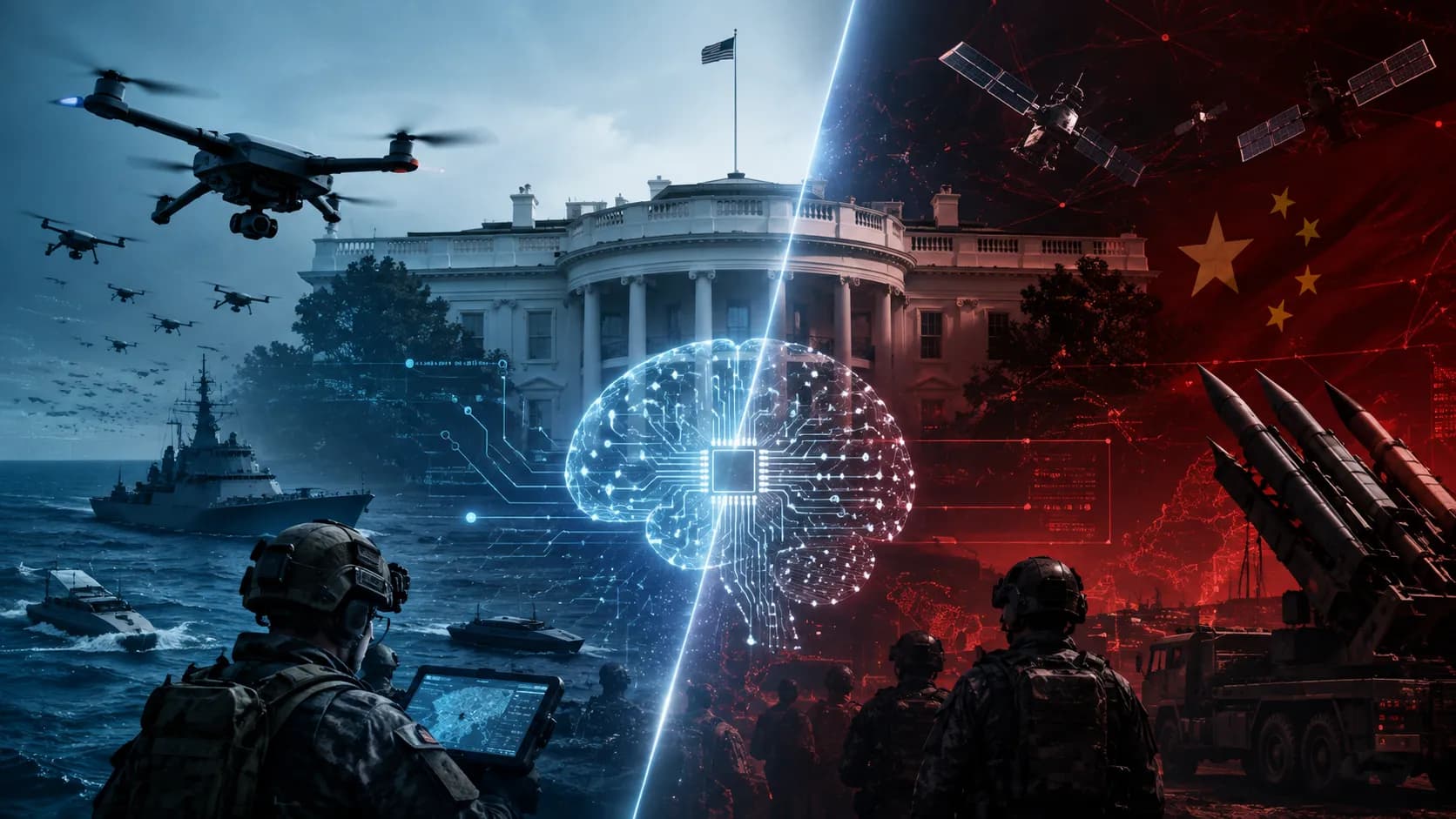
The new strategy may deepen reliance on large AI models and computing infrastructure, conflicting with diverse defense ecosystem goals.
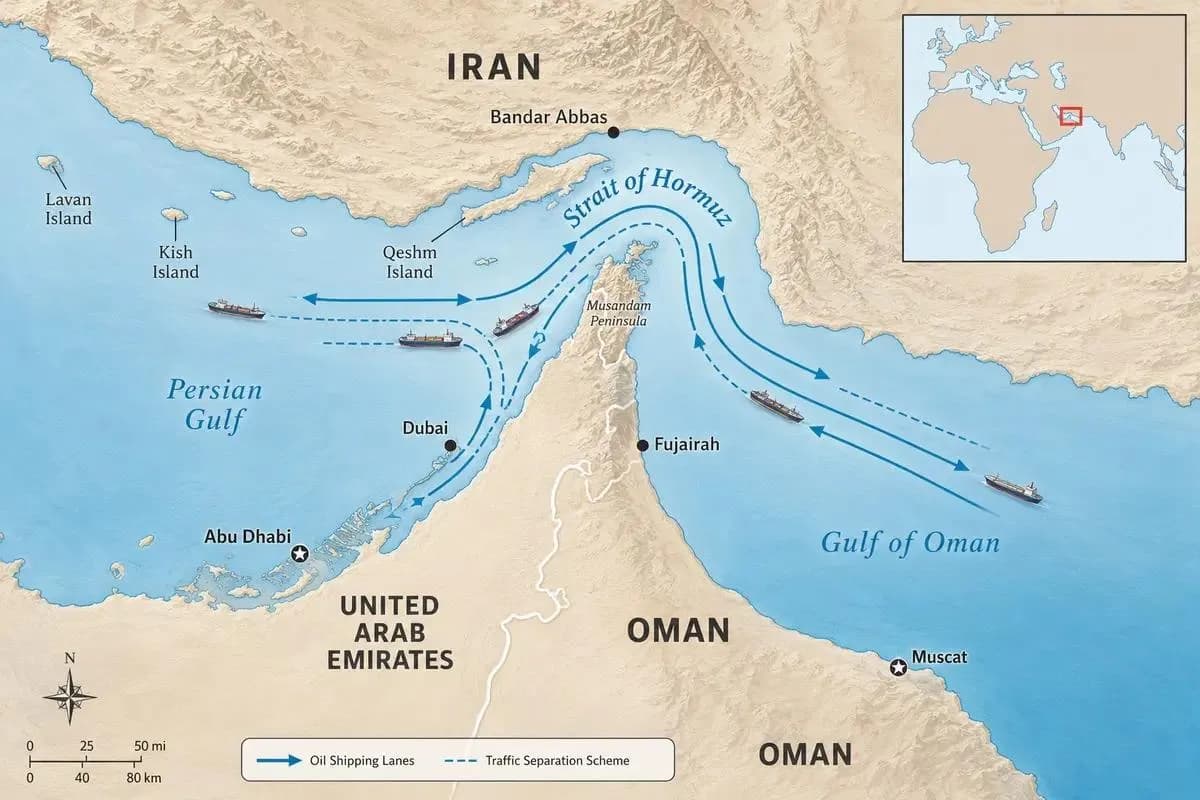
• Iran says Hormuz will remain closed. • Tehran demands an end to US oil sanctions. • The June interim deal has collapsed. • Iran signals a more offensive posture.