The Strait of Hormuz: Iran’s Bargaining Power Meets America’s Search for an Exit
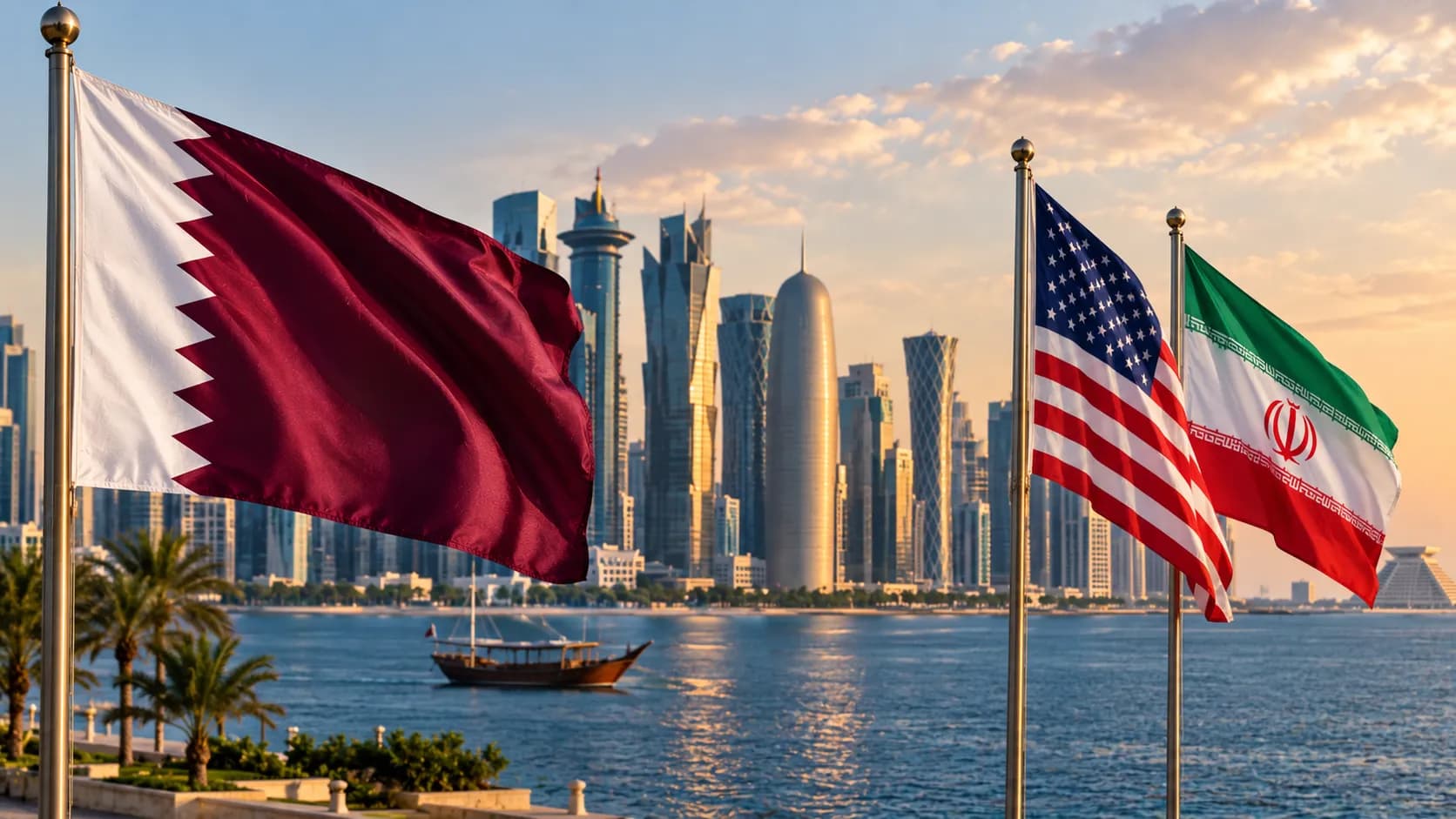
İran and the United States are locked in a critical dispute over the Strait of Hormuz. Tehran links a full reopening to sanctions relief and other concessions, while Washington seeks to restore shipping without weakening its broader position.
The Strait of Hormuz: Iran’s Bargaining Power Meets America’s Search for an Exit
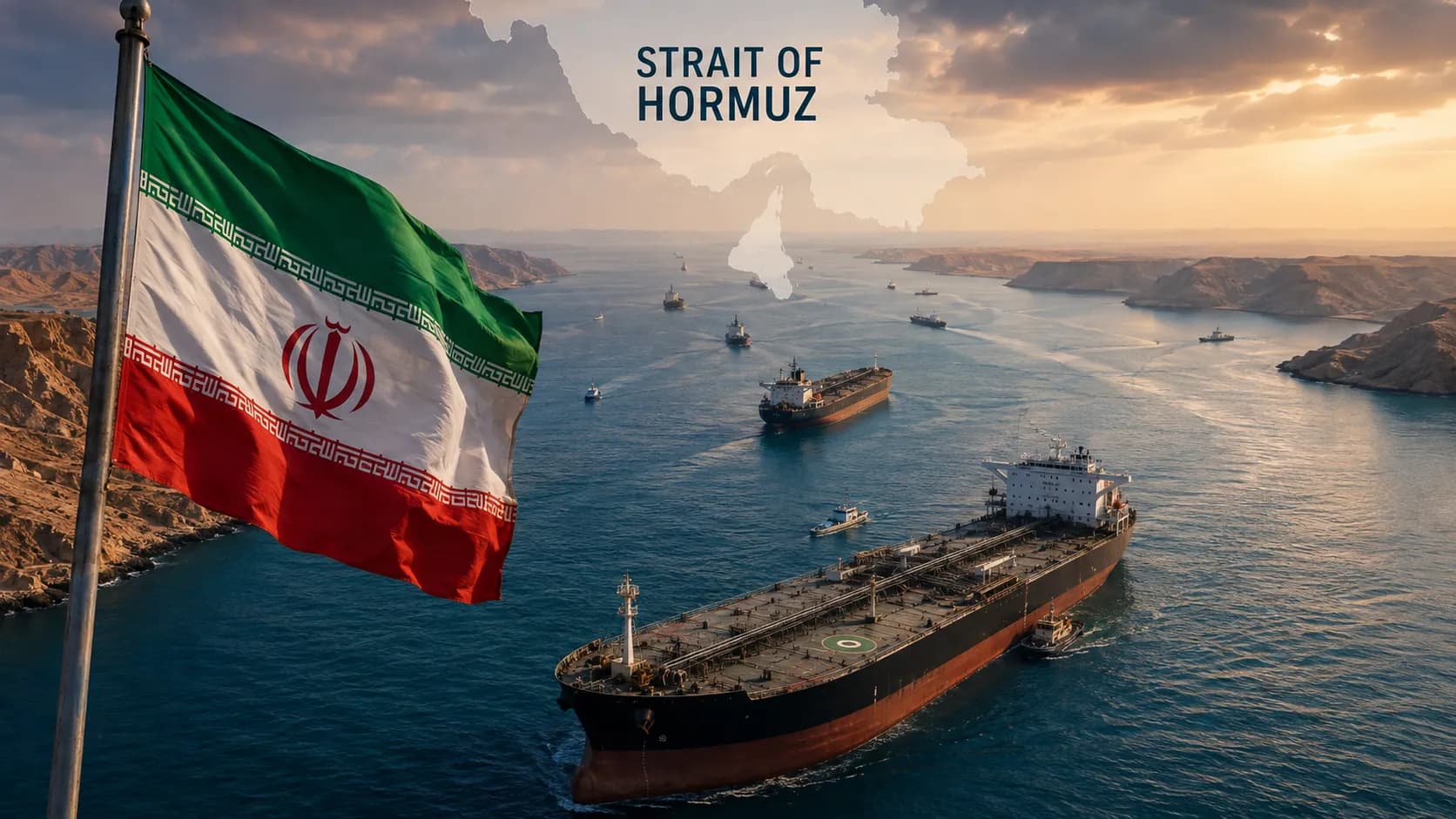
The Strait of Hormuz has once again become the centre of a high-stakes confrontation between Iran and the United States, with the future of one of the world's most important energy corridors increasingly tied to the broader terms of a fragile regional settlement. Iran says an agreement with Oman on new shipping arrangements is nearing its final stage, but Tehran has made clear that reopening the waterway fully will depend on Washington meeting a series of demands.
The dispute illustrates how the Strait has evolved from a maritime chokepoint into a central bargaining instrument in the wider US-Iran conflict. For Washington, restoring commercial navigation is essential to reducing pressure on global energy markets and regional economies. For Tehran, control over access through the Strait provides significant leverage at a moment when the United States is seeking a way to contain the consequences of a prolonged confrontation.
A Negotiated Opening Through Oman
Iran and Oman have been negotiating a framework intended to establish new arrangements for shipping through the Strait of Hormuz. US officials said on August 7 that progress was being made and that they expected an agreement soon.
However, the emerging arrangement does not automatically mean that the Strait will return to unrestricted commercial navigation. Tehran has linked a full reopening to several US concessions, including compensation for damage caused by US and Israeli airstrikes, the lifting of sanctions, an end to military threats and the release of frozen Iranian assets.
This makes the negotiations considerably broader than a technical agreement over maritime traffic. The future of Hormuz has become intertwined with questions of sanctions, financial assets, military deterrence and the wider political settlement between Washington and Tehran.
The Iranian position also remains internally complex. On August 8, Iran's Revolutionary Guard said that reopening the Strait was not dependent on the talks with Oman, introducing further uncertainty over how the proposed arrangement should be interpreted.
Hormuz as Strategic Leverage
The significance of the Strait extends far beyond Iran and the United States. Hormuz is one of the world's most important energy transit routes, connecting the Persian Gulf with the Gulf of Oman and the wider Indian Ocean. A prolonged disruption therefore creates consequences for oil markets, shipping costs, energy security and the economic stability of countries far beyond the Middle East.
This explains why negotiations over the Strait have attracted intense international attention. Markets have reacted cautiously to signs of progress, with oil prices remaining relatively stable as investors assess the possibility of renewed shipping through the waterway.
Yet the current situation demonstrates that reopening a maritime corridor is not simply a question of whether ships can physically pass through it. The central issue is under whose security and political conditions that passage will occur.
Earlier proposals reported by Reuters indicated that Iran was seeking substantial control over inbound traffic and oversight of outbound shipping. Such arrangements would have important implications for the principle of freedom of navigation and for the regional balance of power.
Washington's Difficult Calculation
For the United States, the Hormuz negotiations present a difficult strategic calculation. Washington wants commercial shipping restored while simultaneously maintaining pressure on Tehran. These objectives can come into tension if Iran succeeds in making the reopening of the Strait conditional on major political and economic concessions.
The absence of direct US-Iran negotiations makes the situation even more complicated. Communication has continued through intermediaries following the breakdown of a temporary ceasefire, while Washington has linked the restoration of commercial shipping to Iran's compliance with the emerging framework.
The question is therefore not simply whether the United States is willing to negotiate over Hormuz. It is whether Washington is prepared to make concessions significant enough to satisfy Tehran without undermining its broader negotiating position.
For Iran, the calculation is equally complex. Maintaining restrictions on the Strait provides leverage, but prolonged disruption also carries costs for regional economies and could deepen international pressure on Tehran. A controlled reopening could therefore allow Iran to preserve strategic leverage while reducing some of the economic consequences of continued disruption.
The Gulf States Caught in the Middle
The Gulf states remain among the most directly exposed actors. Their economies depend heavily on secure maritime trade and energy exports, while the conflict has already increased concerns over the vulnerability of critical infrastructure and shipping routes.
Saudi Arabia's recent decision to deepen its defence cooperation with Türkiye and Pakistan should be viewed against this wider regional security environment. The emergence of alternative security arrangements reflects growing concern among Gulf states about the reliability of traditional security mechanisms and the possibility that regional crises could directly threaten their economic interests.
The Hormuz crisis therefore reinforces a broader trend: regional states are increasingly looking for ways to strengthen their own strategic resilience rather than relying exclusively on external powers.
Beyond a Shipping Agreement
The most important question surrounding the current negotiations is whether the proposed arrangement can become part of a broader political settlement or remain only a temporary mechanism for regulating maritime traffic.
The answer will depend largely on whether Washington and Tehran can resolve the deeper disputes underlying the crisis. Iran's demands concerning sanctions, frozen assets, military threats and compensation demonstrate that Tehran views the reopening of Hormuz as part of a larger political bargain rather than an isolated maritime issue.
At the same time, the United States must balance the immediate need to restore global shipping with its wider objective of maintaining pressure on Iran. Any agreement that appears to grant Tehran excessive control over an international energy corridor could generate criticism among US allies and regional partners.
This is why the emerging Iran-Oman arrangement is strategically significant even before its final details are known. It could establish a temporary pathway toward normalizing maritime traffic, but it could also institutionalize a new set of rules in which Iran retains greater influence over the movement of vessels through the Strait.
A Test for the Regional Security Order
The Strait of Hormuz has become a test of the wider regional security order. Its future will affect not only Iran and the United States but also Gulf monarchies, European energy consumers and Asian economies dependent on Middle Eastern energy supplies.
If the Strait is reopened under an agreement that reduces tensions and restores predictable commercial navigation, it could provide an important opening for wider diplomacy. If negotiations collapse, however, the economic and strategic consequences could extend far beyond the immediate battlefield.
For Iran, Hormuz remains one of its most powerful sources of strategic leverage. For the United States, restoring freedom of navigation is essential to limiting the wider economic consequences of the conflict. For the Gulf states and the international economy, the overriding objective is stability.
The emerging negotiations therefore represent more than a dispute over shipping lanes. They are a test of whether diplomacy can transform a strategic chokepoint from an instrument of confrontation into a mechanism for de-escalation.
As Iran and Oman approach what Tehran describes as the final stage of their discussions, the central question remains whether Washington is willing to make the concessions Iran demands—and whether Tehran is prepared to translate a negotiated reopening into a durable commitment to freedom of navigation.
The answer could determine not only the future of the Strait of Hormuz, but also the next phase of the broader US-Iran confrontation.
Ipek Tuncer
M.A. in International Relations
Follow EUReflect
See more of our reporting on Google
Mark EUReflect as a preferred source and our stories are ranked higher for you in Top Stories, Discover and Google News — and carry a “preferred” badge when they are cited in AI results.
Add EUReflect as a preferred source