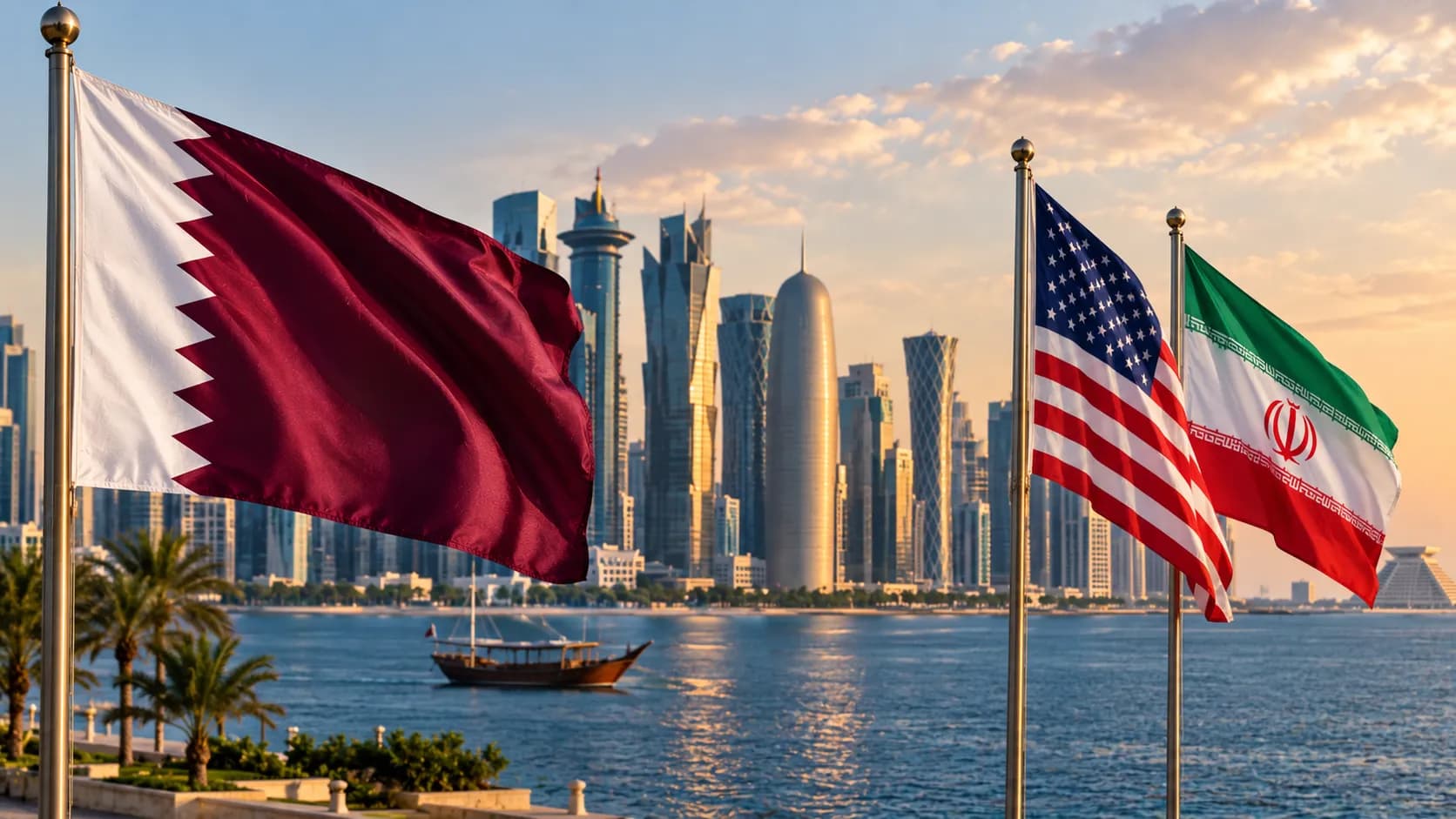
Trump Weighs New Economic Pressure on Iran as War Drags On
The Trump administration is considering tougher economic measures against Iran, including sanctions on Chinese oil refiners and banks. Washington aims to cut Tehran's revenue and supply networks, but broader measures could deepen tensions with Beijing.
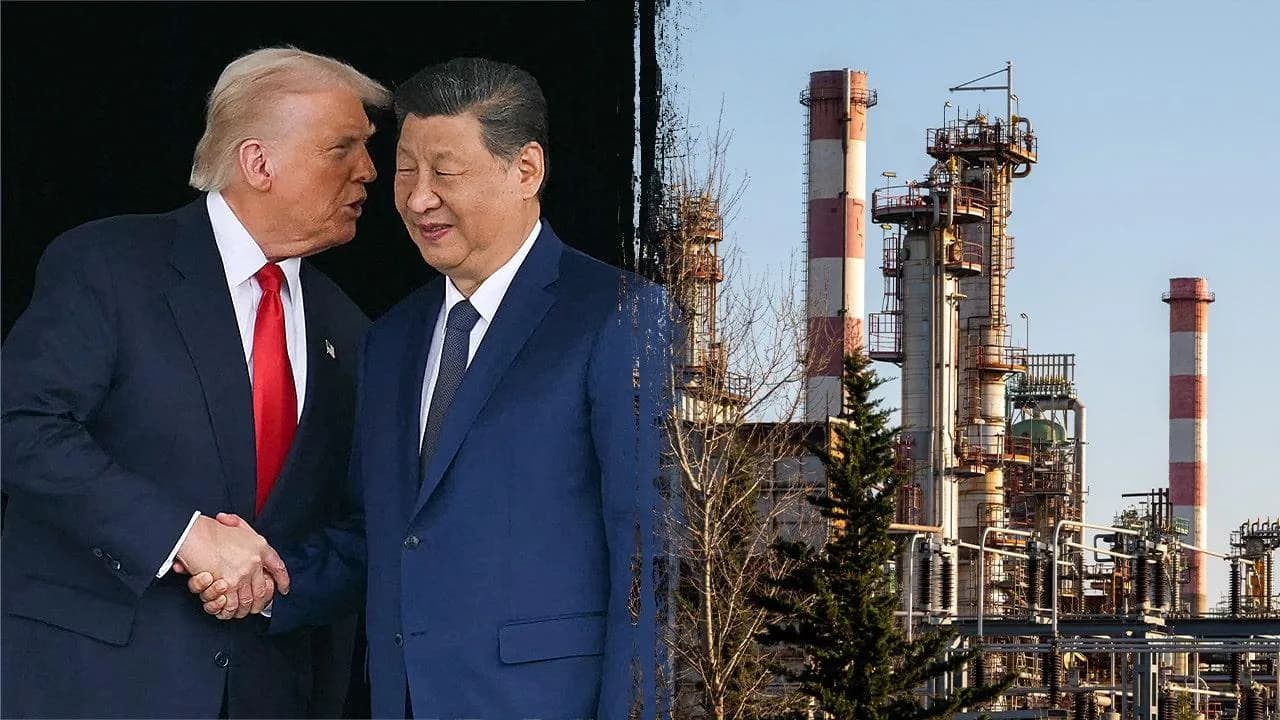
Trump Considers Tougher Economic Measures to Pressure Iran
The Trump administration is considering new ways to increase economic pressure on Iran as the conflict continues, with Washington weighing measures that could target not only Tehran but also companies and financial institutions in China that help sustain Iranian oil exports.
The United States has already imposed extensive sanctions on Iran and expanded restrictions since the war began in February. More than 1,000 individuals, vessels and aircraft linked to Iran have faced penalties, while hundreds of billions of dollars in cryptocurrency assets have also been frozen.
Washington Considers Wider Sanctions
The Trump administration is examining several options to further restrict Iran's access to international trade and financial networks.
Among the measures under consideration are additional sanctions against companies involved in Iranian oil exports, stronger enforcement against entities helping Tehran bypass existing restrictions and new pressure on countries that continue to trade with Iran.
The strategy reflects Washington's effort to increase the economic cost of the conflict without relying solely on further military escalation.
Chinese Oil Refiners Could Face Pressure
One of the most significant options involves Chinese independent oil refineries, often known as "teapots," that import large quantities of Iranian crude.
Washington could impose secondary sanctions on these companies, potentially restricting their access to the U.S.-dominated financial system.
Such measures would expand the consequences of the Iran conflict beyond Tehran and directly affect Chinese businesses involved in the country's oil trade.
Beijing's Banks Become a Potential Target
The United States is also considering targeting Chinese banks that process transactions connected to Iranian trade.
Financial sanctions could increase pressure on institutions that facilitate Iranian payments and make it more difficult for Tehran to maintain access to international financial channels.
However, targeting major Chinese financial institutions would carry wider geopolitical consequences because of the importance of U.S.-China economic relations.
Iran's Sanctions Evasion Networks Under Scrutiny
Another option is to continue targeting companies and organizations that emerge as Iran develops new methods of bypassing sanctions.
The Reuters report describes this approach as a continuing effort to identify and sanction new entities involved in Iran's sanctions-evasion networks.
Such a strategy could gradually expand the number of companies and individuals affected by U.S. restrictions.
A Land Blockade Raises Major Questions
The administration is also considering whether a land blockade involving Iran's neighboring countries could further restrict the movement of goods into the country.
However, the feasibility of such a measure remains uncertain.
Cooperation from neighboring states would be necessary, making implementation considerably more complicated than imposing unilateral financial sanctions.
Tariffs Could Expand the Economic Pressure
Secondary tariffs are another potential tool under consideration.
The possibility would depend partly on congressional action regarding the administration's authority to impose broader tariffs.
If pursued, tariffs could create additional economic pressure on countries or companies that continue commercial relations with Iran.
China Factor Complicates Trump's Strategy
China represents one of the biggest challenges to Washington's strategy.
Chinese companies remain important buyers of Iranian oil, meaning stronger enforcement against them could reduce one of Tehran's most important sources of revenue.
At the same time, measures against Chinese companies or banks could intensify tensions between Washington and Beijing.
The Iran strategy therefore has implications that extend well beyond the Middle East.
Economic Pressure Faces Limits
The effectiveness of additional sanctions remains uncertain.
Washington has already maintained extensive sanctions against Iran for decades, and Tehran has developed networks designed to circumvent restrictions.
Further measures could increase economic pressure, but they could also create new incentives for Iran and its trading partners to find alternative financial and commercial channels.
The strategy could therefore become a prolonged contest over which side can sustain economic pressure for longer.
A Broader Economic Front
The latest proposals indicate that the conflict is increasingly being fought through economic as well as military pressure.
For Washington, the objective is to restrict Iran's ability to generate revenue and maintain supply networks.
For Tehran, maintaining access to oil markets and alternative financial channels remains critical.
If Washington moves against Chinese refiners and banks, however, the economic conflict could take on a much broader international dimension.
The decisions now being considered by the Trump administration could therefore affect not only the future of the U.S.-Iran conflict, but also the already tense economic relationship between Washington and Beijing.
Ipek Tuncer
M.A. in International Relations
Follow EUReflect
See more of our reporting on Google
Mark EUReflect as a preferred source and our stories are ranked higher for you in Top Stories, Discover and Google News — and carry a “preferred” badge when they are cited in AI results.
Add EUReflect as a preferred source