Ursula von der Leyen Pushes for EU Spy Service
The European Commission plans to set up an intelligence unit to coordinate security data from EU member states, aiming to boost Europe’s autonomy and reduce reliance on U.S. intelligence. The move faces resistance from diplomats worried about overlapping powers and bureaucratic tension in Brussels.
EU Commission Moves to Create Its Own Intelligence Unit
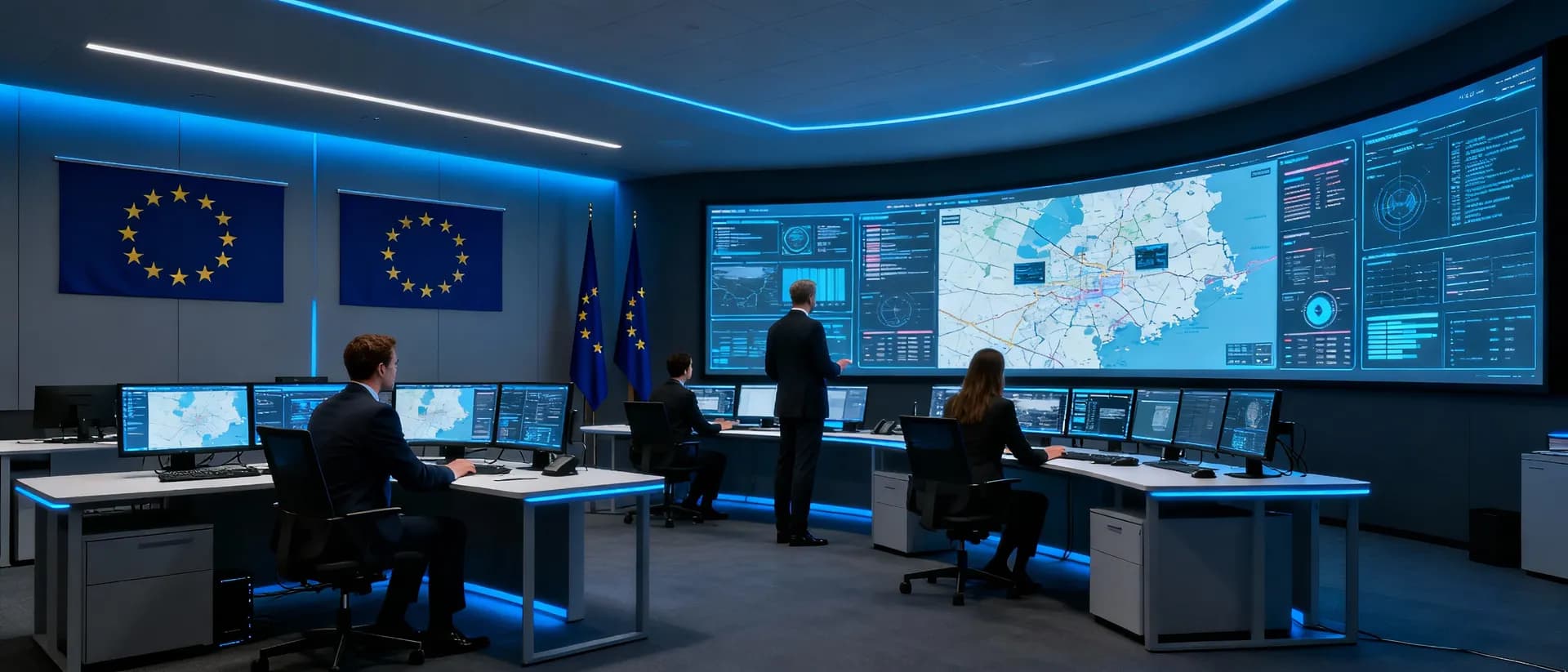
The European Commission, led by President Ursula von der Leyen, is preparing to establish a new intelligence unit aimed at consolidating security information from EU member states' national intelligence services. This move signals a significant step toward enhancing Europe's security autonomy amid increasing geopolitical tensions, notably Russia's ongoing war in Ukraine and uncertainties in transatlantic intelligence cooperation. The creation of this unit is designed to make better operational use of existing intelligence and potentially reduce Europe's traditional dependence on U.S. security guarantees.
The proposed intelligence body would be housed within the Commission's secretariat-general and staffed by officials from the national intelligence communities of the 27 member states. According to Commission spokeswoman Paula Pinho, the new unit would complement the European External Action Service and play a crucial role in the "Security College". This is a collective body involving all 26 commissioners and the Commission president tasked with EU security oversight.
Despite the strategic rationale, the plan has met with resistance from senior EU diplomats who fear it could spark bureaucratic power struggles in Brussels and diminish the influence of the EU's foreign policy chief. Diplomats also worry about potential overlaps and competition between the new Commission unit and existing intelligence agencies across the member states. Furthermore, the initiative has not yet been officially presented to all member states, where skepticism remains high about handing Brussels additional intelligence powers.
The drive behind the initiative is partly linked to external security challenges, including Russia's hybrid warfare tactics and former U.S. President Donald Trump's threats to curtail intelligence sharing with Europe. The Commission seeks to create a more integrated intelligence platform to pool data and analyses jointly, thereby fostering a stronger and more coordinated European response.
Brussels insiders reveal that while the new intelligence hub must work alongside existing bodies like the European External Action Service, it may shift the balance of power within the EU's security architecture, potentially bolstering Ursula von der Leyen's authority in this sensitive policy area.
It remains to be seen how this new intelligence service will coexist with NATO, the primary security organization for most EU countries. As the EU navigates these delicate institutional and national concerns, the unfolding developments represent a bold reimagining of Europe's security capabilities.
İbrahimjan Abdimutalipjan
Contributing writer at EUReflect.
Follow EUReflect
See more of our reporting on Google
Mark EUReflect as a preferred source and our stories are ranked higher for you in Top Stories, Discover and Google News — and carry a “preferred” badge when they are cited in AI results.
Add EUReflect as a preferred source