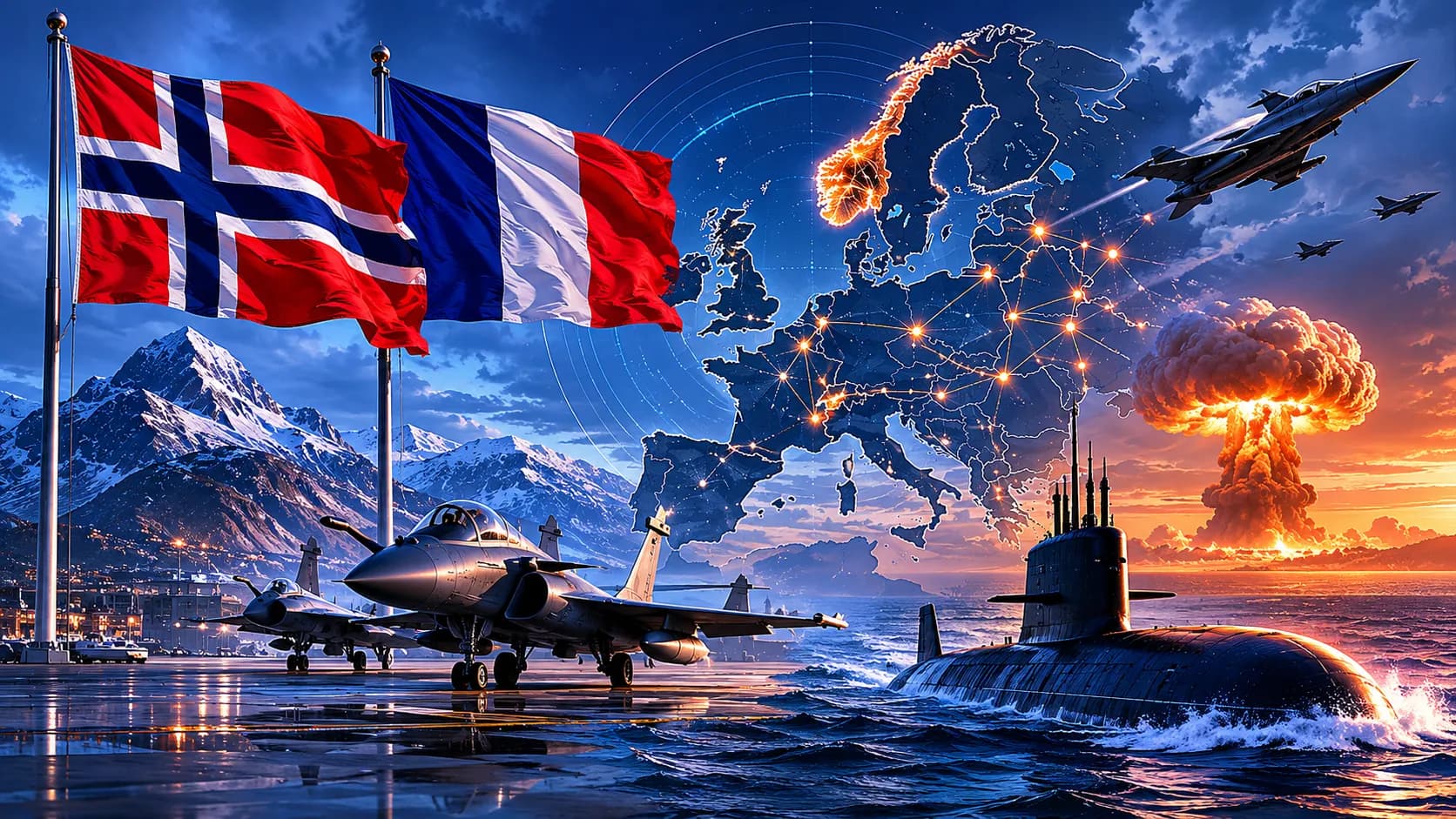
Norway joined France’s nuclear deterrence programme, signaling Europe’s growing push for strategic autonomy and reduced dependence on the US. The initiative strengthens Europe’s northern and eastern security architecture while raising major geopolitical and legal questions regarding NATO, Russia, and the NPT framework.
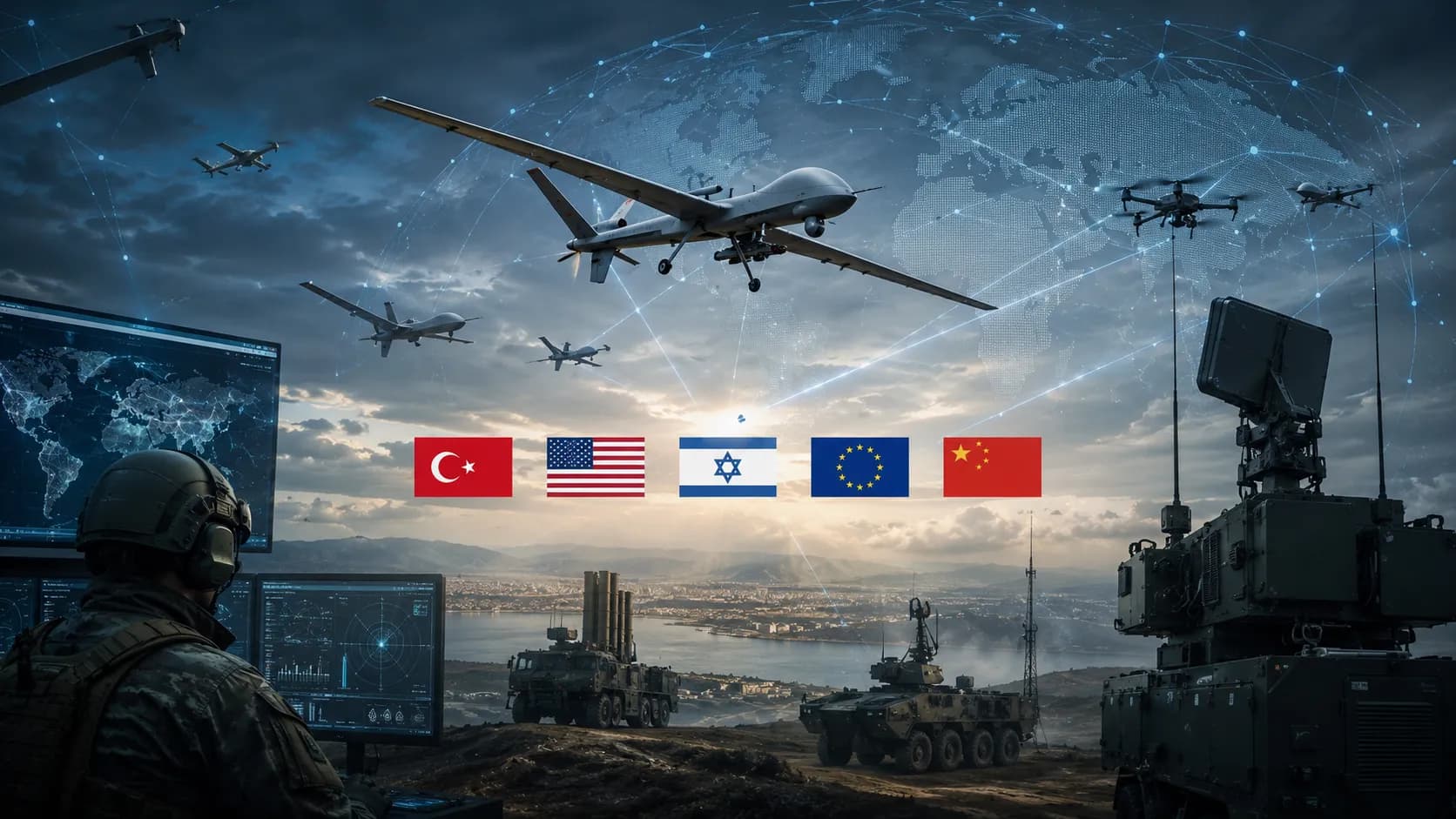
Türkiye has become a major disruptive force in global UAV warfare with Baykar, TAI, ASELSAN, and Roketsan. The US leads high-end autonomous systems, Israel dominates ISR technologies, Europe focuses on integrated defense networks, and China controls mass production. Drone warfare is shifting toward AI-driven, scalable ecosystems.
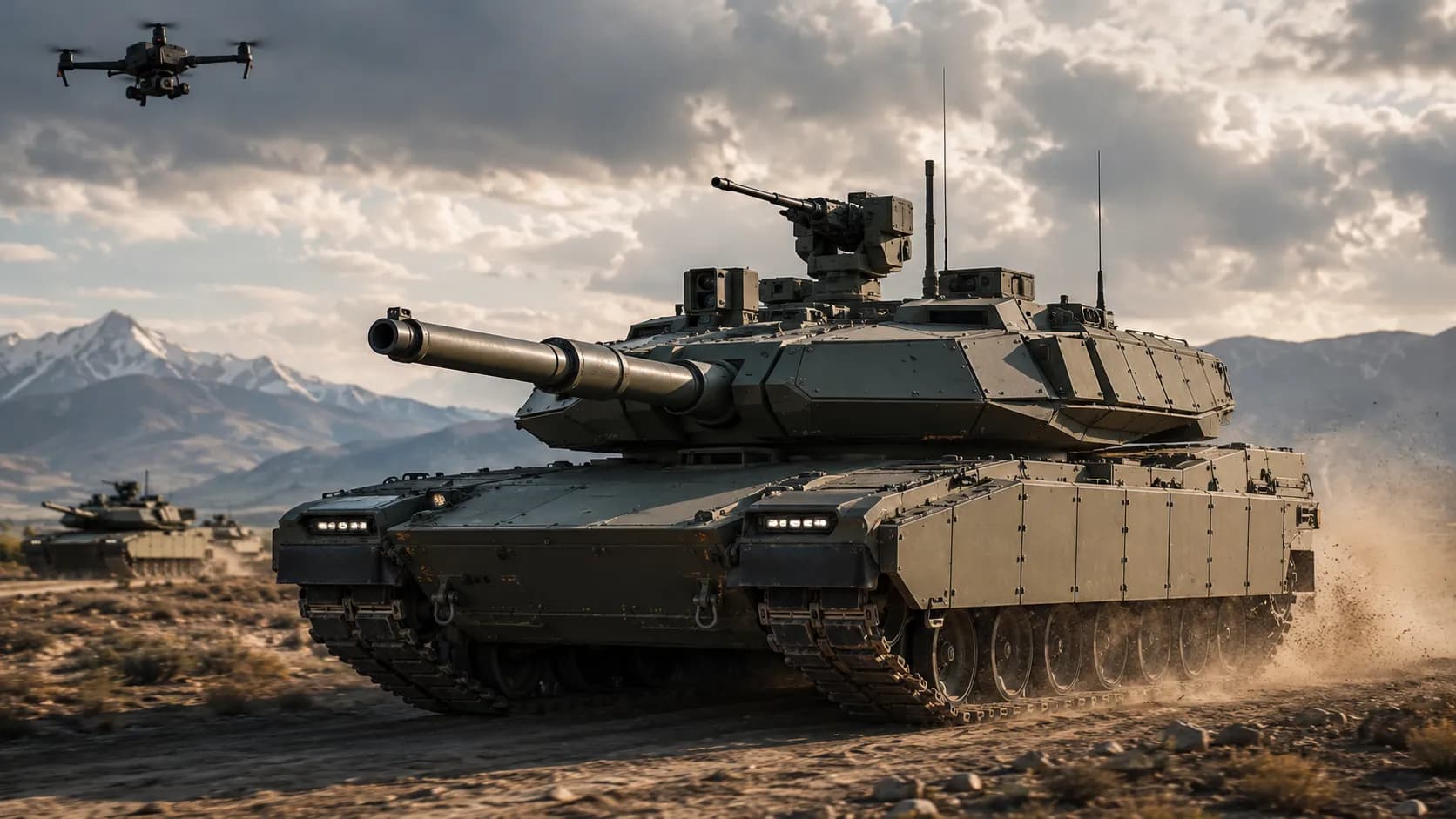
The U.S. Army has publicly unveiled new details about the M1E3 Abrams, its next-generation main battle tank, at the NDIA MDEX 2026 and Michigan Defense Expo 2026 conferences. Designed to replace the current M1A2 SEPv3, the M1E3 represents the most ambitious redesign of the Abrams platform since the original M1 entered service in 1980. The tank's most defining feature is its fully unmanned turret, which eliminates the loader from the crew and reduces the total crew to three personnel seated in an armored hull compartment. A secondary 30 mm Northrop Grumman M230LF cannon mounted atop the main turret provides dedicated counter-drone capability, while the XM251 active protection system — an Americanized derivative of Israel's Iron Fist — guards against incoming anti-tank threats. The drivetrain has been fundamentally redesigned: replacing the legacy gas turbine with a hybrid diesel-electric system is projected to improve fuel efficiency significantly and reduce combat weight from 73 to approximately 60 tons, easing logistical demands across the force. Structurally, the M1E3 is built on a Modular Open Systems Architecture, enabling rapid integration of software updates, new sensors, and upgraded fire control systems without requiring wholesale hardware redesigns. The program's pace is itself newsworthy: prototypes are expected in soldiers' hands by summer 2026, five years ahead of the original schedule. Full Initial Operational Capability is targeted for 2030. Underlying this urgency are the lessons drawn from the war in Ukraine, where drones, loitering munitions, and precision top-attack fires have exposed critical vulnerabilities in conventional armor. The M1E3 is the U.S. Army's direct response — a platform engineered not merely to survive the modern battlefield, but to dominate it.
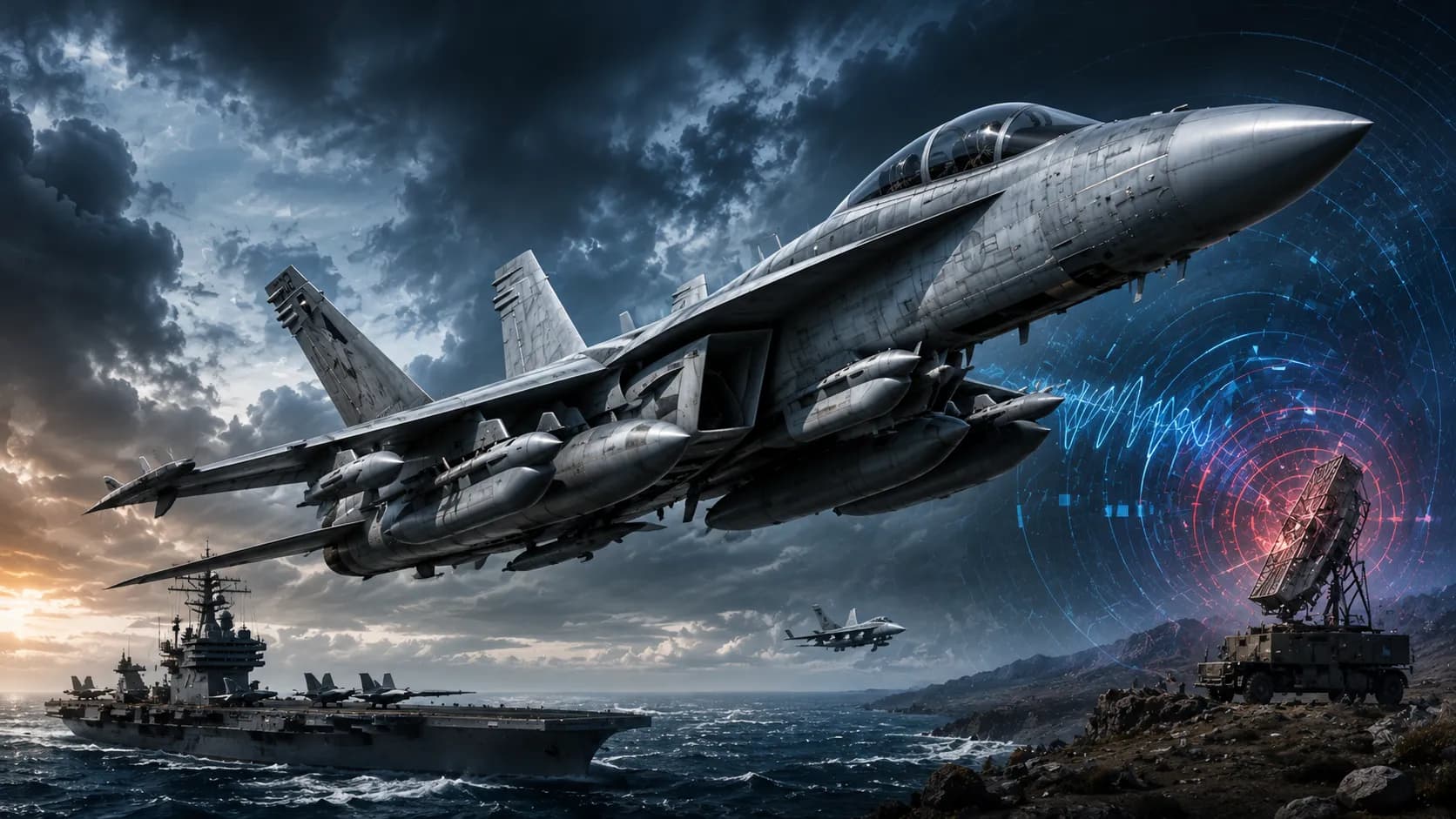
The EA-18G Growler is becoming central to U.S. electronic warfare strategy, increasingly used in real operations. Upgraded jamming systems and AI integration enhance its ability to suppress enemy air defenses, making it a key invisible strike asset in modern air combat.
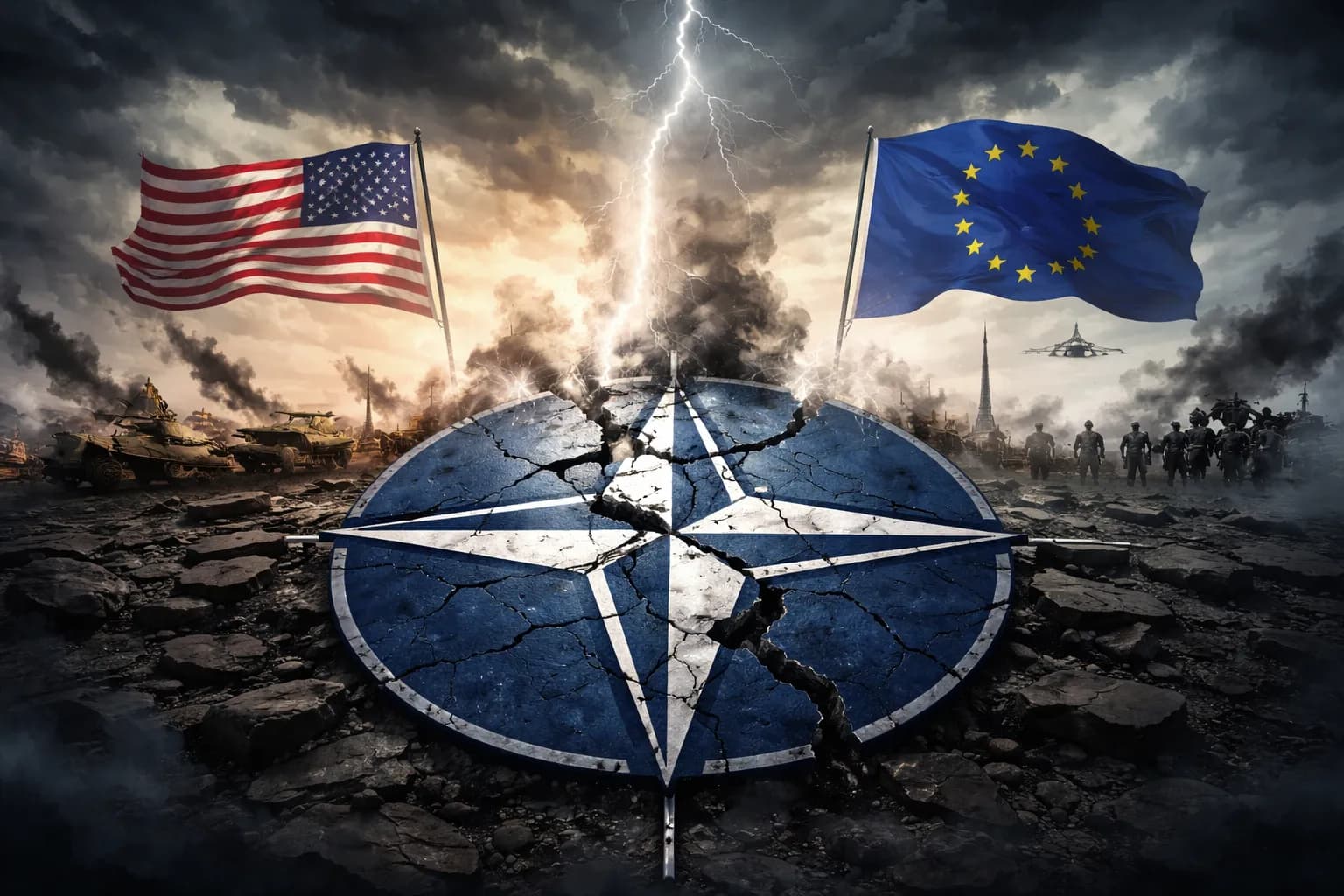
The U.S.-Iran war exposed deep fractures within NATO. European states refused to fully support Washington, intensifying a crisis of trust inside the alliance. U.S. pressure and Europe’s push for strategic autonomy are turning NATO into a weaker organization that exists more on paper than in practice.
The Israel–Hezbollah conflict reflects the intersection of security strategies and ideological narratives shaping regional instability. State security doctrines, identity politics, and struggles for international legitimacy contribute to the persistence and complexity of conflict dynamics in the Middle East.
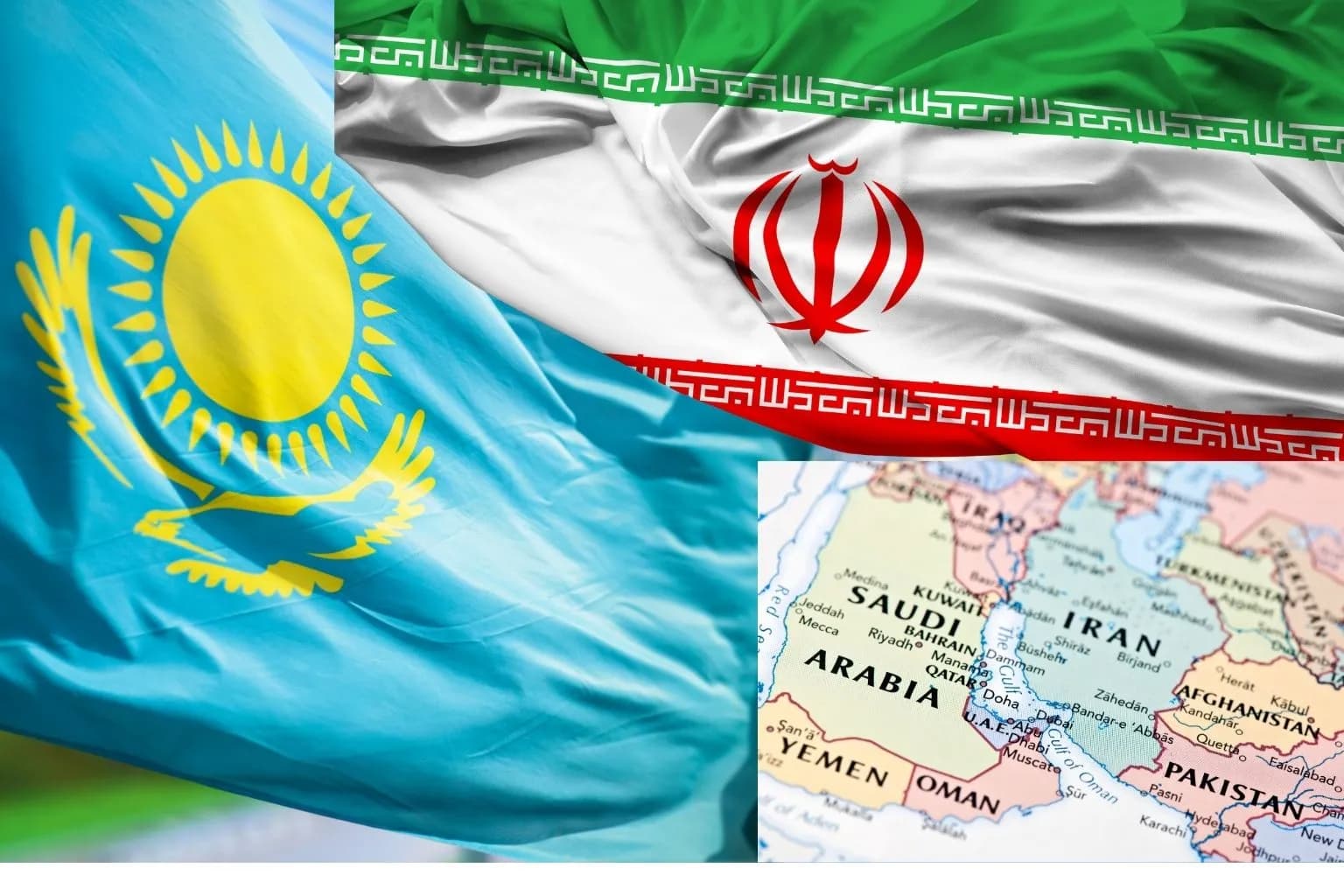
President Tokayev expressed full solidarity with Gulf states, condemning any military actions undermining their sovereignty and territorial integrity. He emphasized diplomacy and dialogue as the only path to regional stability and reaffirmed Kazakhstan’s readiness to support its partners.
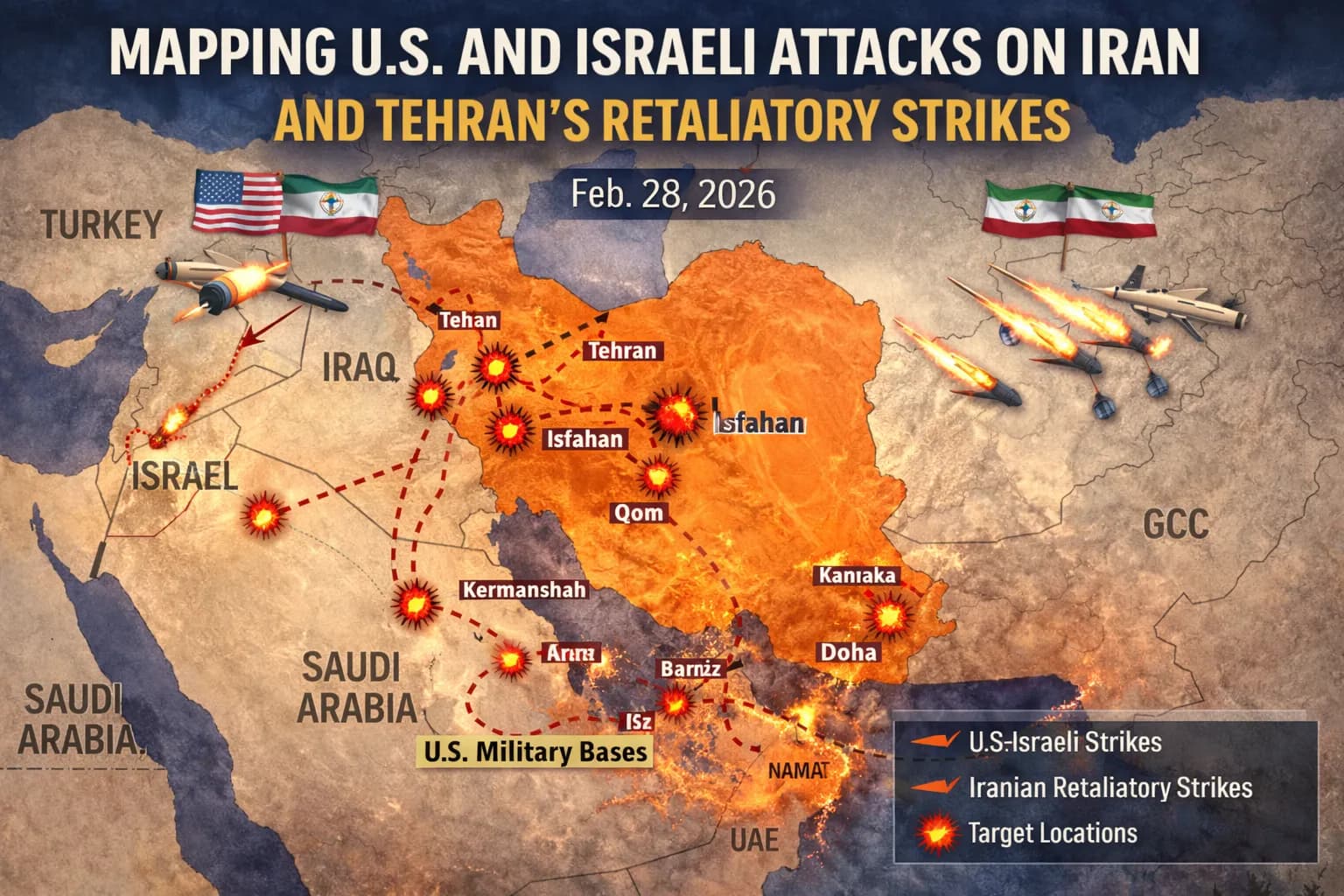
Dateline: Washington / Tehran / Middle East, Feb. 28, 2026.A coordinated series of military operations by the United States and Israel struck multiple locations across Iran on Feb. 28, 2026, with Tehran responding within hours by launching missiles and drones toward Israel and several U.S. military bases in the broader Middle East. Maps compiled from official statements and open sources show the geographic scope of the strikes and retaliatory actions, illustrating an unprecedented escalation in regional hostilities
US and Israeli strikes on Iran mark the outcome of a calibrated escalation framed by diplomacy. Under the shadow of China and Russia, the crisis is no longer regional; it has evolved into a multilayered geopolitical rupture shaped by energy security, elections, and global power competition.
US and Israeli strikes on Iran and Iran’s retaliation triggered strong reactions across the Gulf. Qatar, the UAE, Bahrain, and Kuwait condemned violations of sovereignty, rejected turning their territory into a battlefield, and warned of a possible regional war.
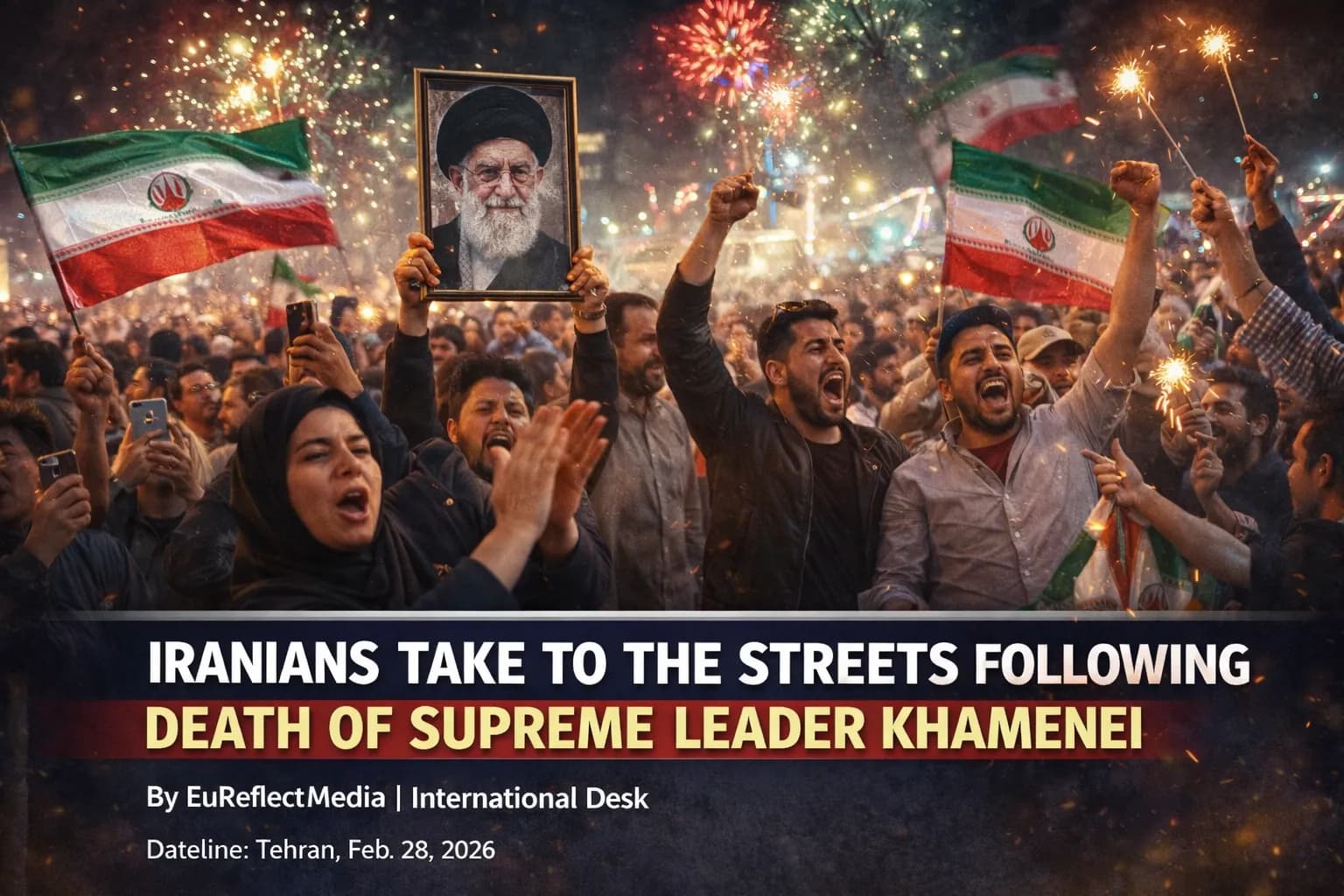
Dateline: Tehran, Feb. 28, 2026.Iranians took to the streets in several cities following reports of the death of Ayatollah Ali Khamenei, expressing a range of reactions that ranged from jubilation to private mourning, according to social media posts and open-source reporting.
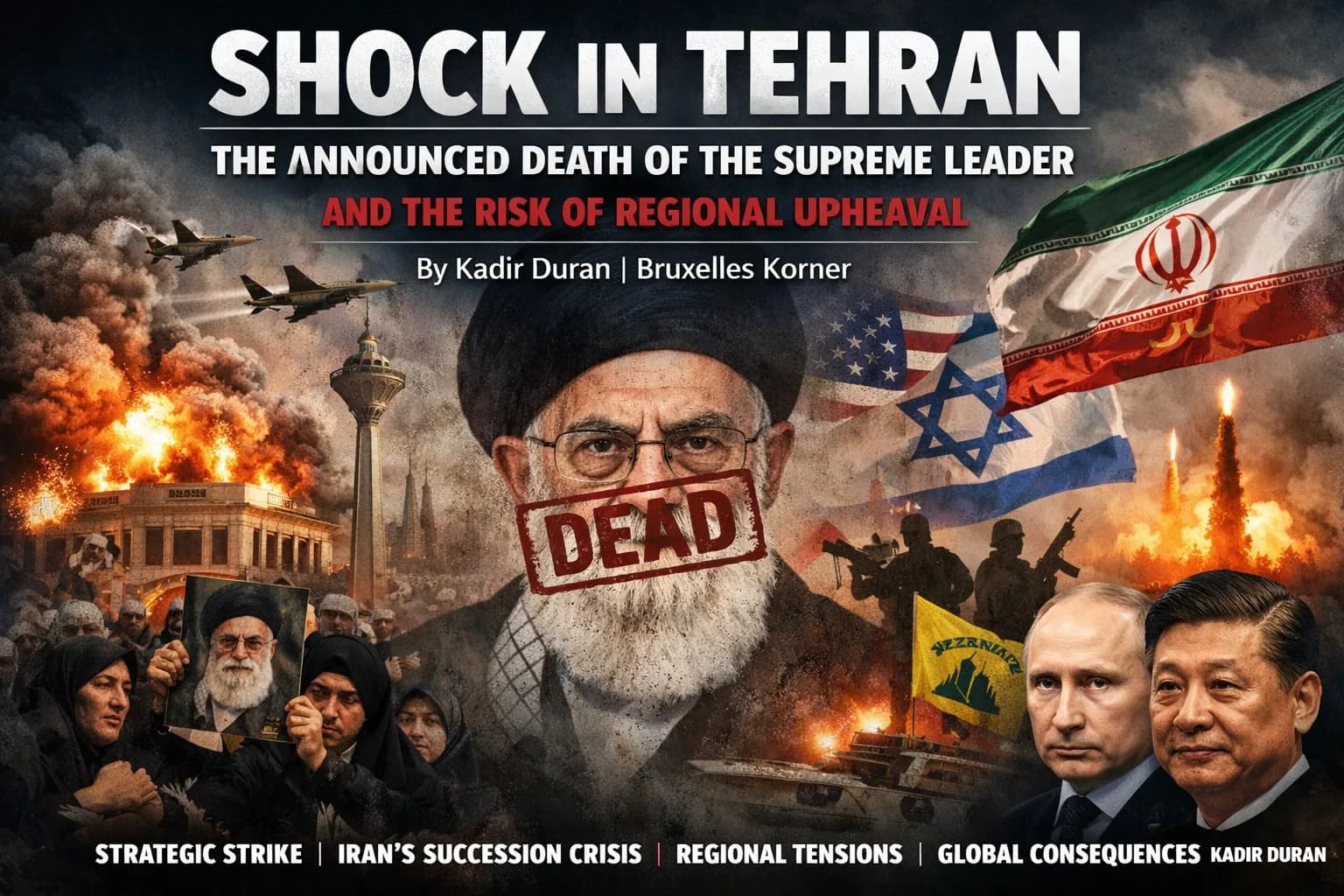
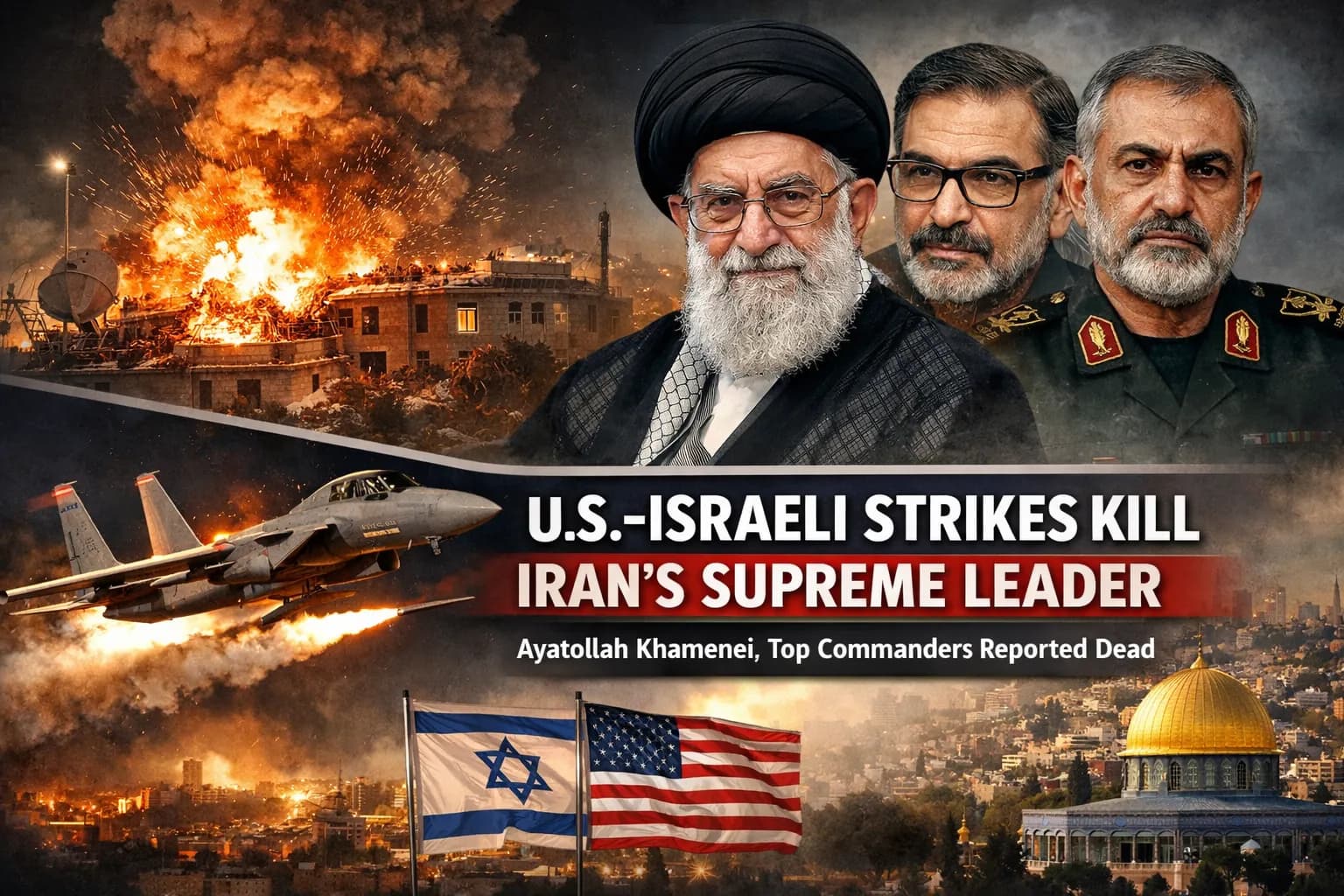
Dateline: Tehran / Jerusalem / Washington, Feb. 28, 2026.Joint military operations by the United States and Israel struck key leadership targets inside Iran on Feb. 28, 2026, resulting in the deaths of Iran’s Supreme Leader and several top military commanders, according to statements from Western officials, regional sources and open source reporting.
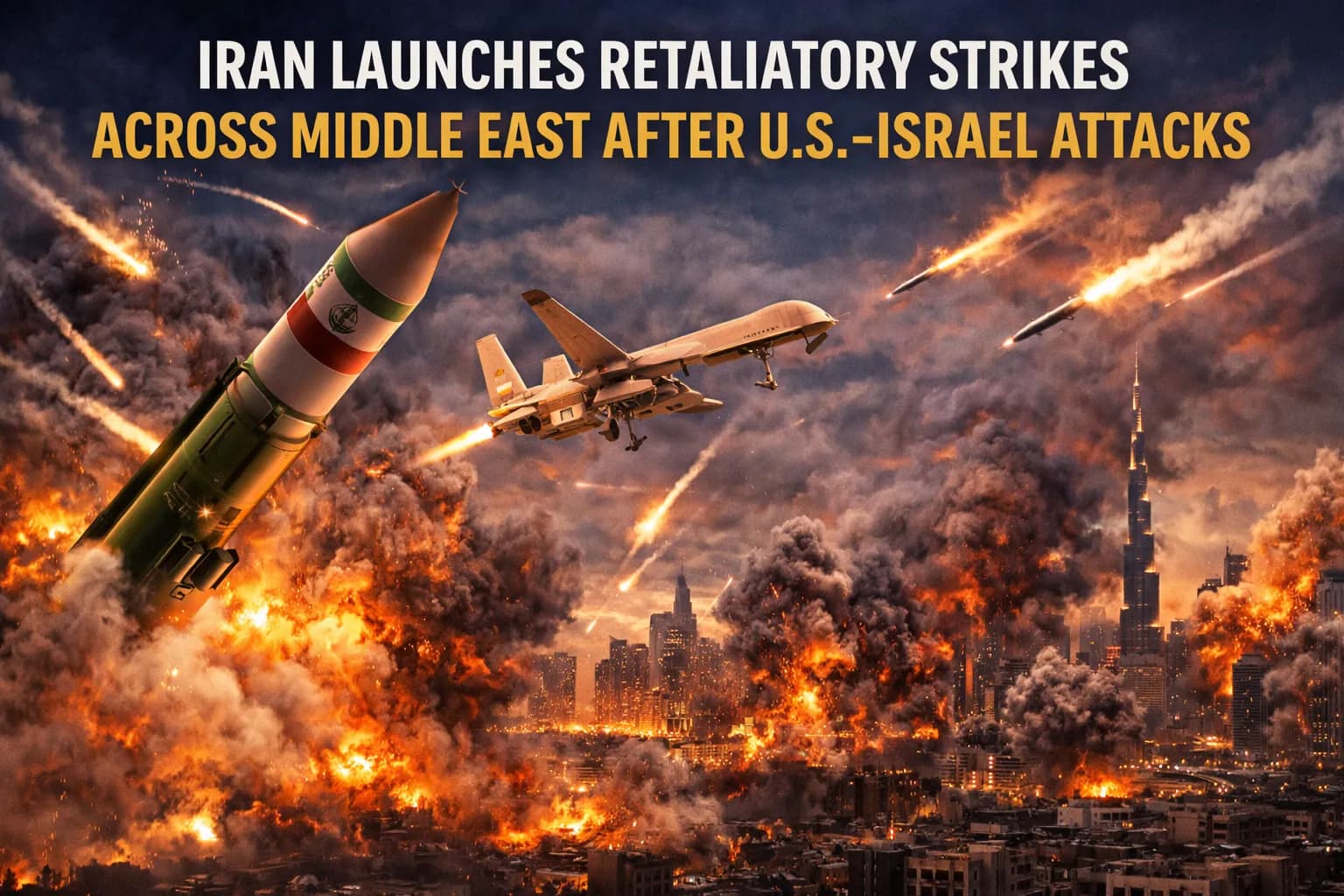
Dateline: Gulf Region / Tehran, Feb. 28, 2026.Iran launched a broad campaign of missile and drone strikes across the Middle East on Saturday, responding to earlier coordinated military attacks by the United States and Israel on Iranian territory. The retaliatory assault affected several countries in the Gulf Cooperation Council (GCC) and beyond, with explosions reported in the United Arab Emirates, Qatar, Bahrain, Kuwait, Jordan and Israel as air defences engaged incoming projectiles.
Dateline: Washington, Feb. 28, 2026
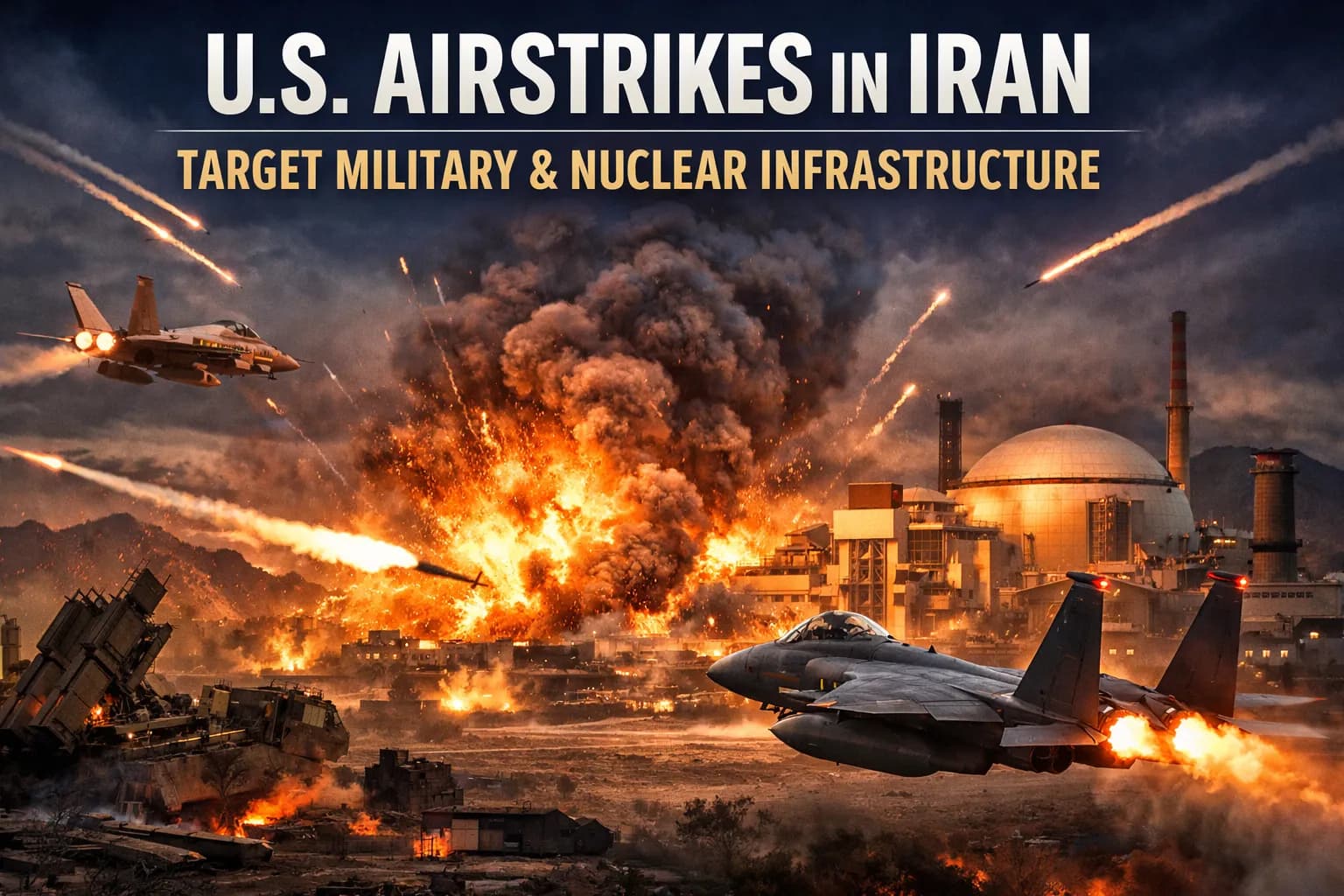
United States military forces carried out extensive airstrikes across Iran, focusing on military installations, missile systems and nuclear-related infrastructure, according to U.S. officials and reporting by The New York Times.
Dateline: Washington, Feb. 28, 2026
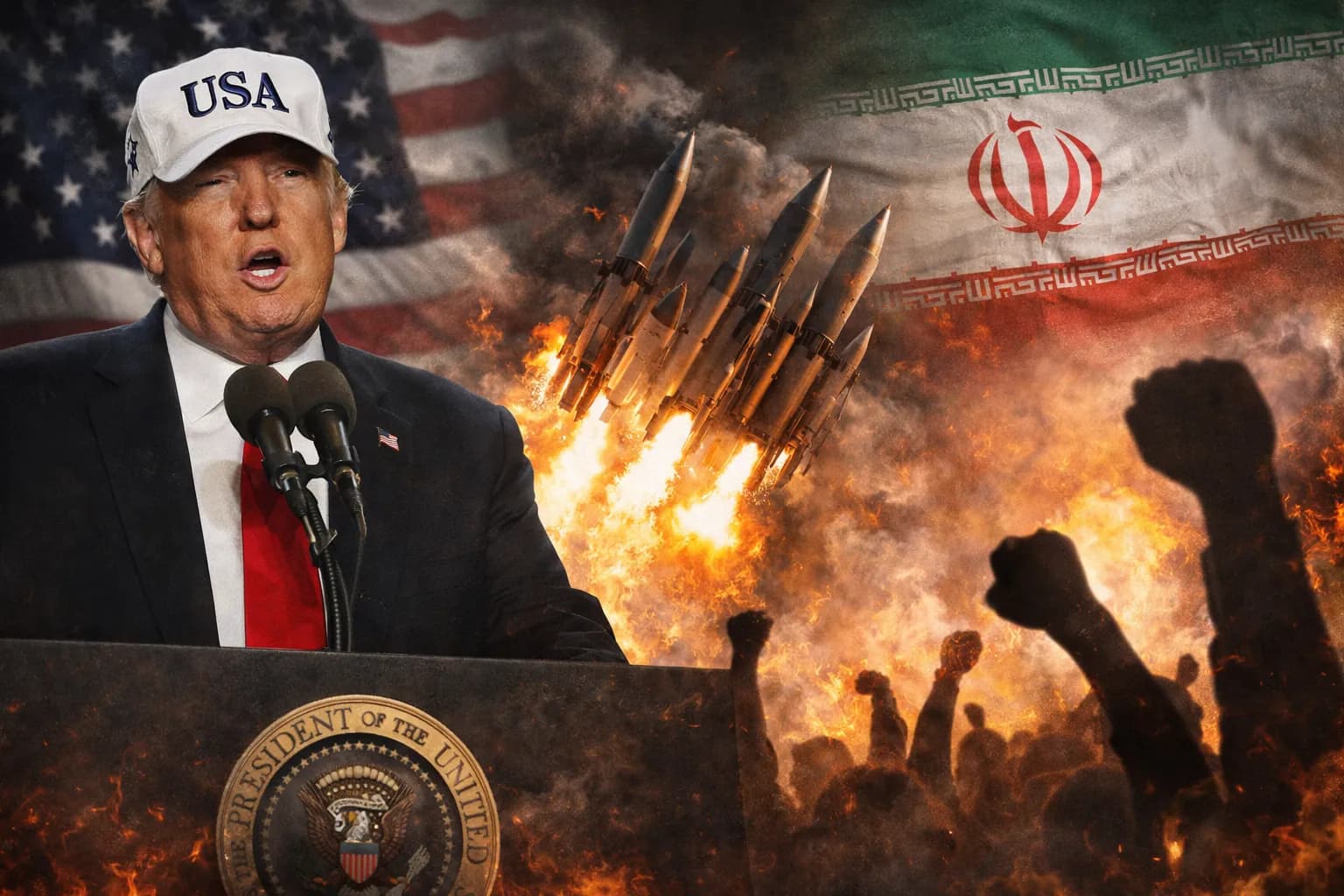
U.S. President Donald Trump announced the launch of a large-scale American military operation targeting Iran, stating that the objective is to dismantle the country’s military capabilities and nuclear infrastructure while urging Iranians to rise up against their government.
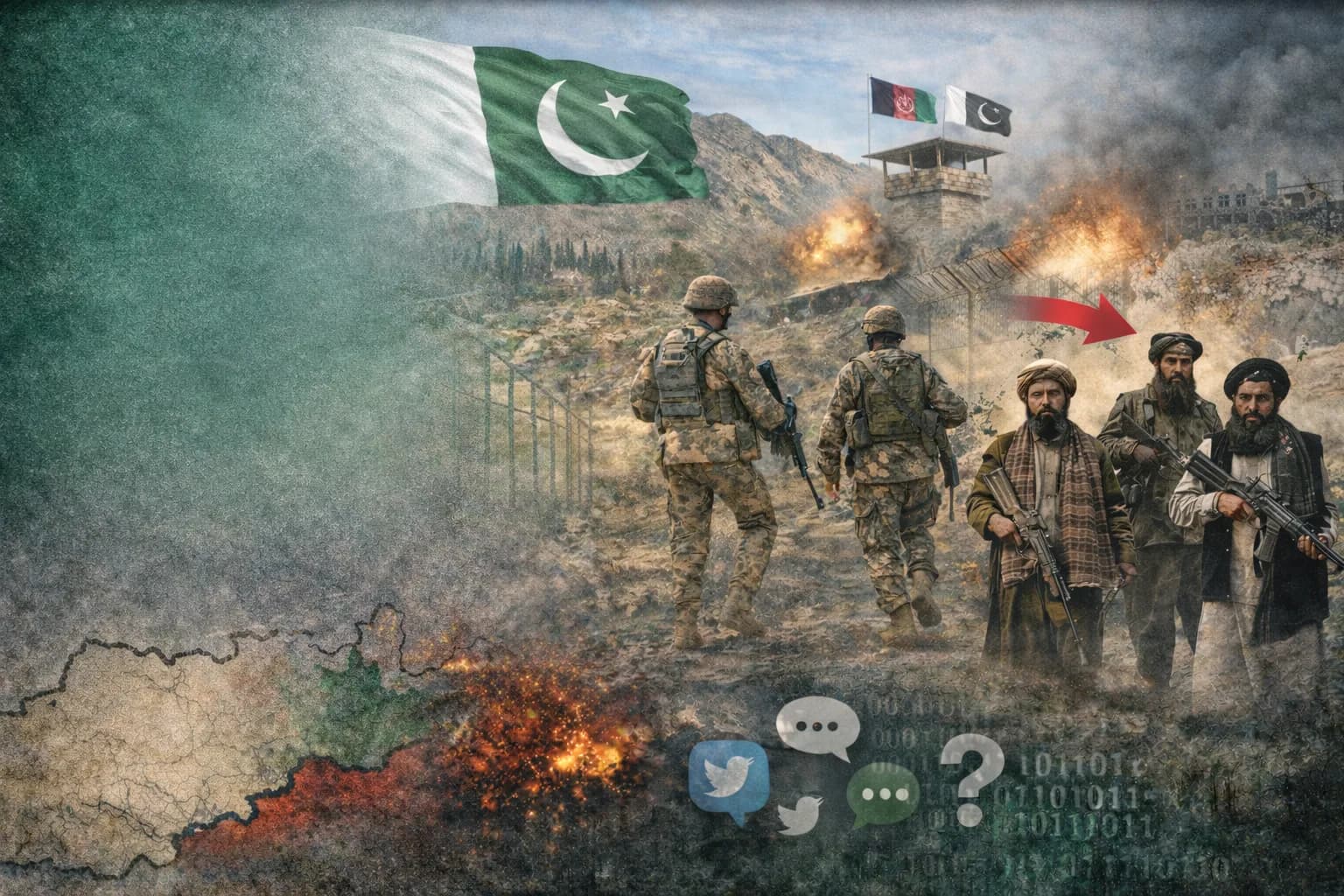
Pakistan’s Information Minister Attaullah Tarar condemned the Taliban for human rights abuses, cross-border terrorism, and repression. He stressed Pakistan’s commitment to sovereignty and urged the international community to address ongoing violations in Afghanistan.
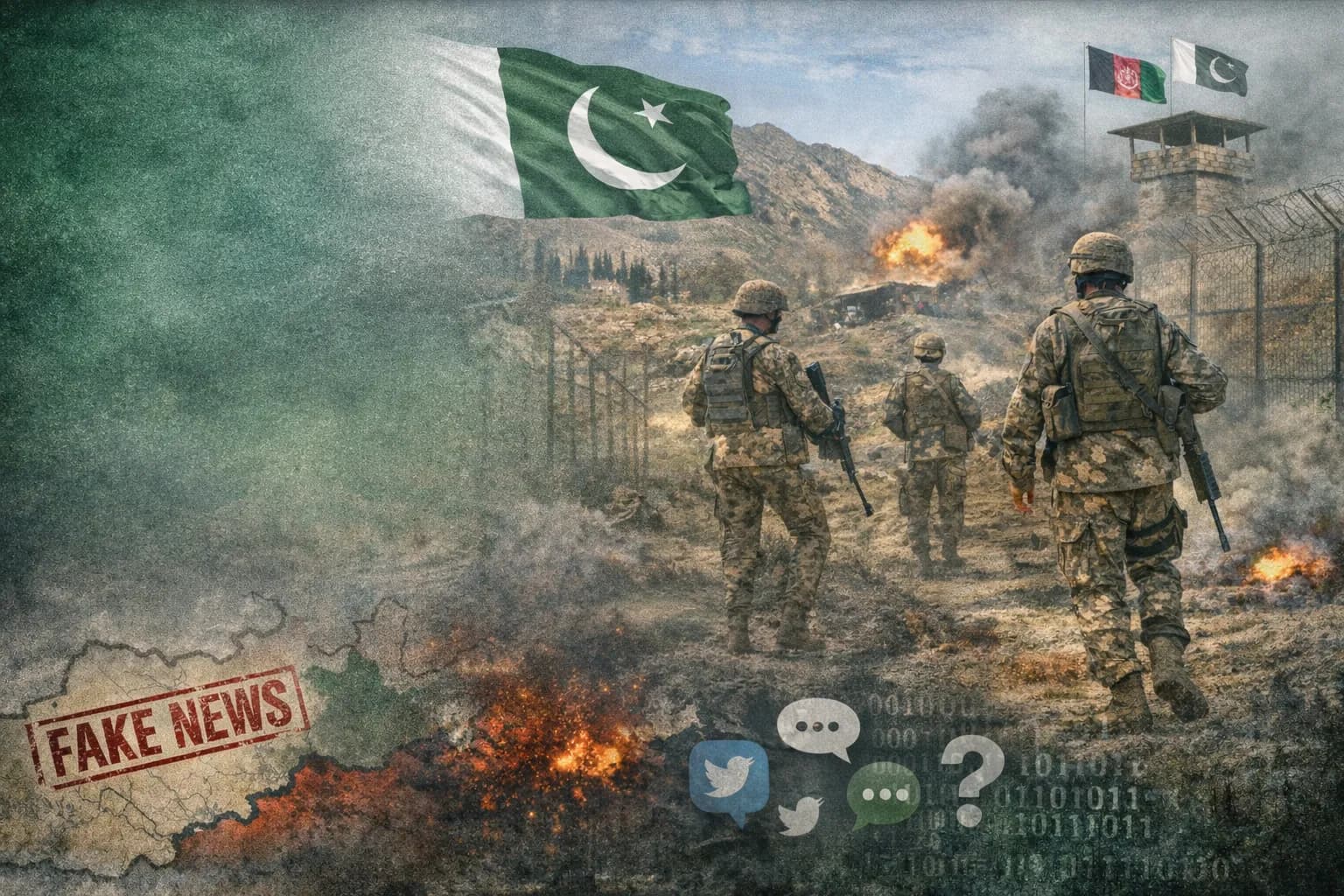
Pakistan’s Information Minister Attaullah Tarar described claims about recent Pakistan–Afghanistan border incidents as disinformation, stressing that Pakistan will defend its sovereignty while remaining committed to regional peace and stability.
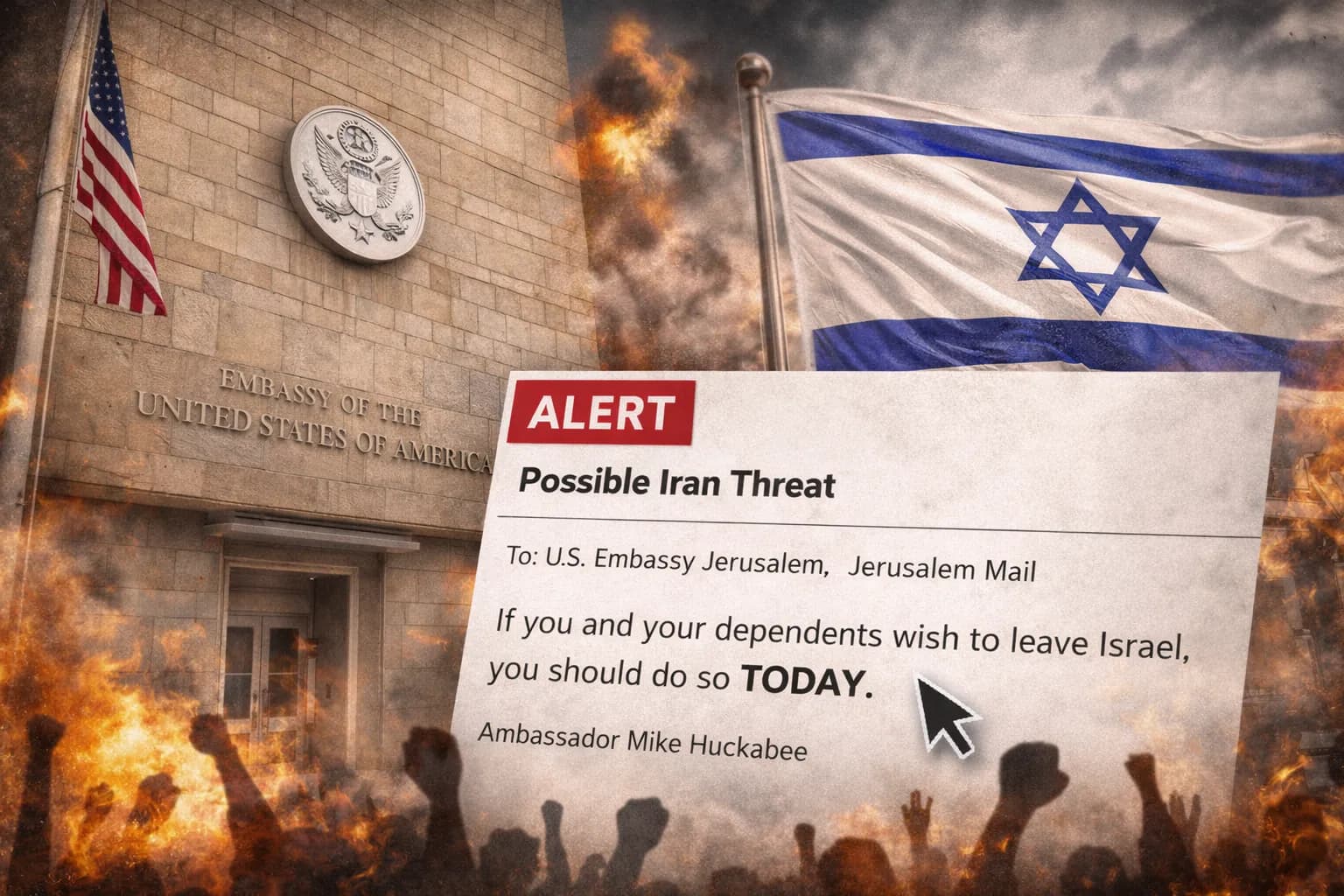
Dateline: Washington / Jerusalem, Feb. 27, 2026
The United States has authorized its diplomatic personnel and their families to leave Israel, signaling heightened concern in Washington over the possibility of a military confrontation with Iran, according to official communications reviewed by U.S. media.
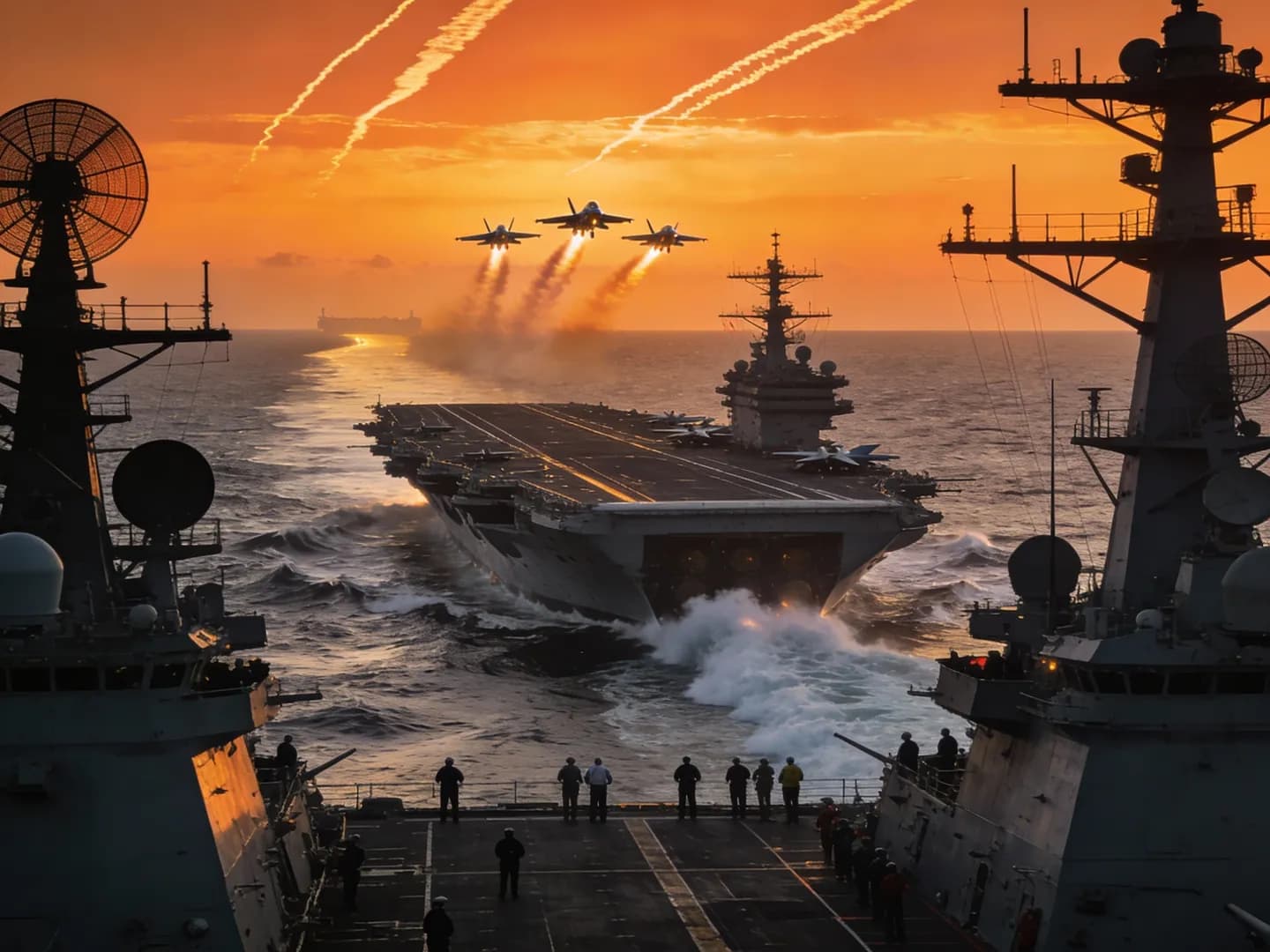
Tensions in the Gulf are rising sharply after the US navy ordered the USS Abraham Lincoln carrier strike group to leave the Indo-Pacific and to set course to the Persian Gulf. This puts a powerful American naval formation on a trajectory that could bring into striking distance of Iran within days. This move signals that Washington wants visible, high-end military options on the table.