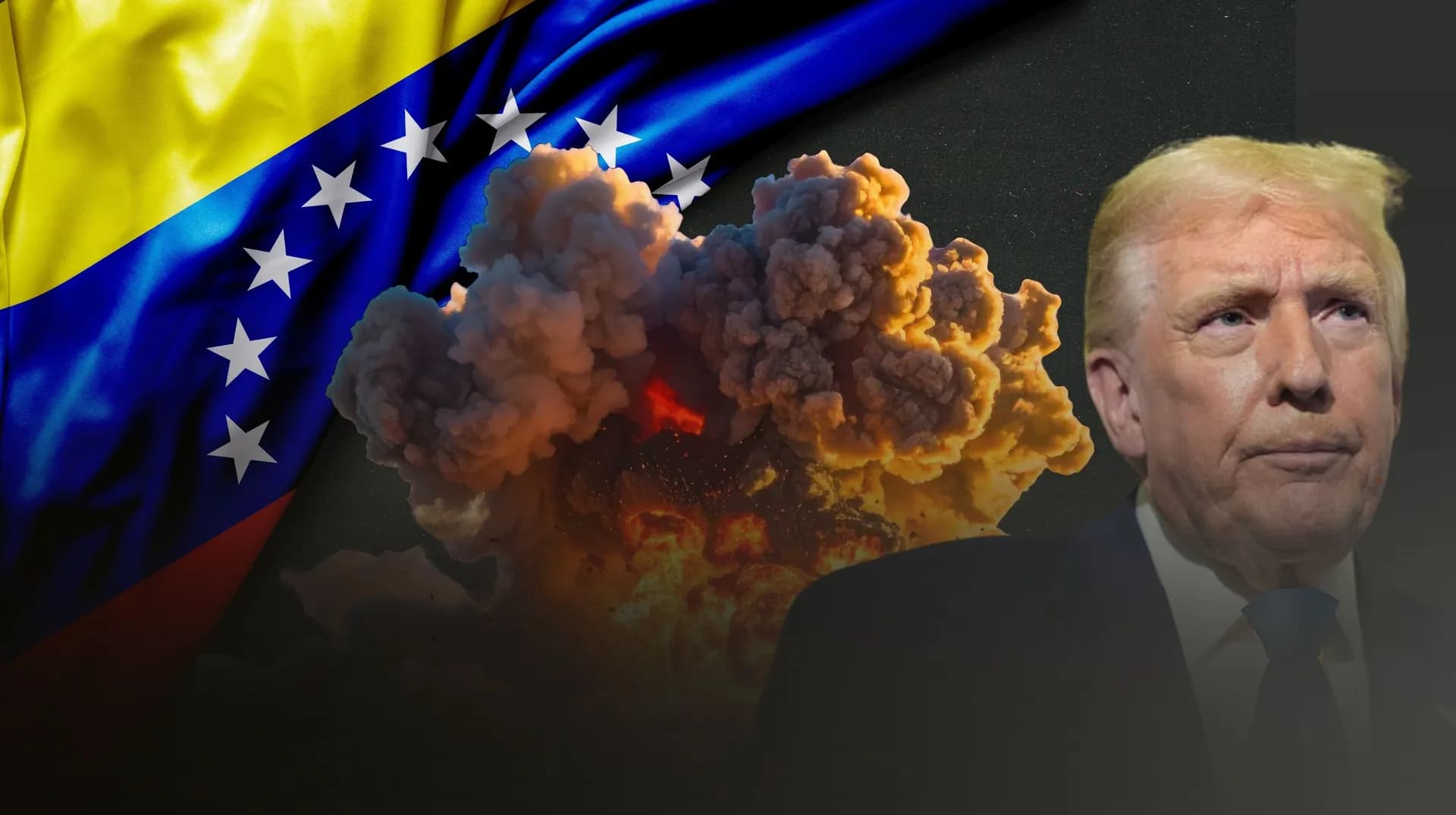
The United States carried out a military operation in Venezuela overnight, triggering explosions in Caracas and other regions and leading to the alleged capture of President Nicolás Maduro and his wife Cilia Flores, according to statements by U.S. President Donald Trump.
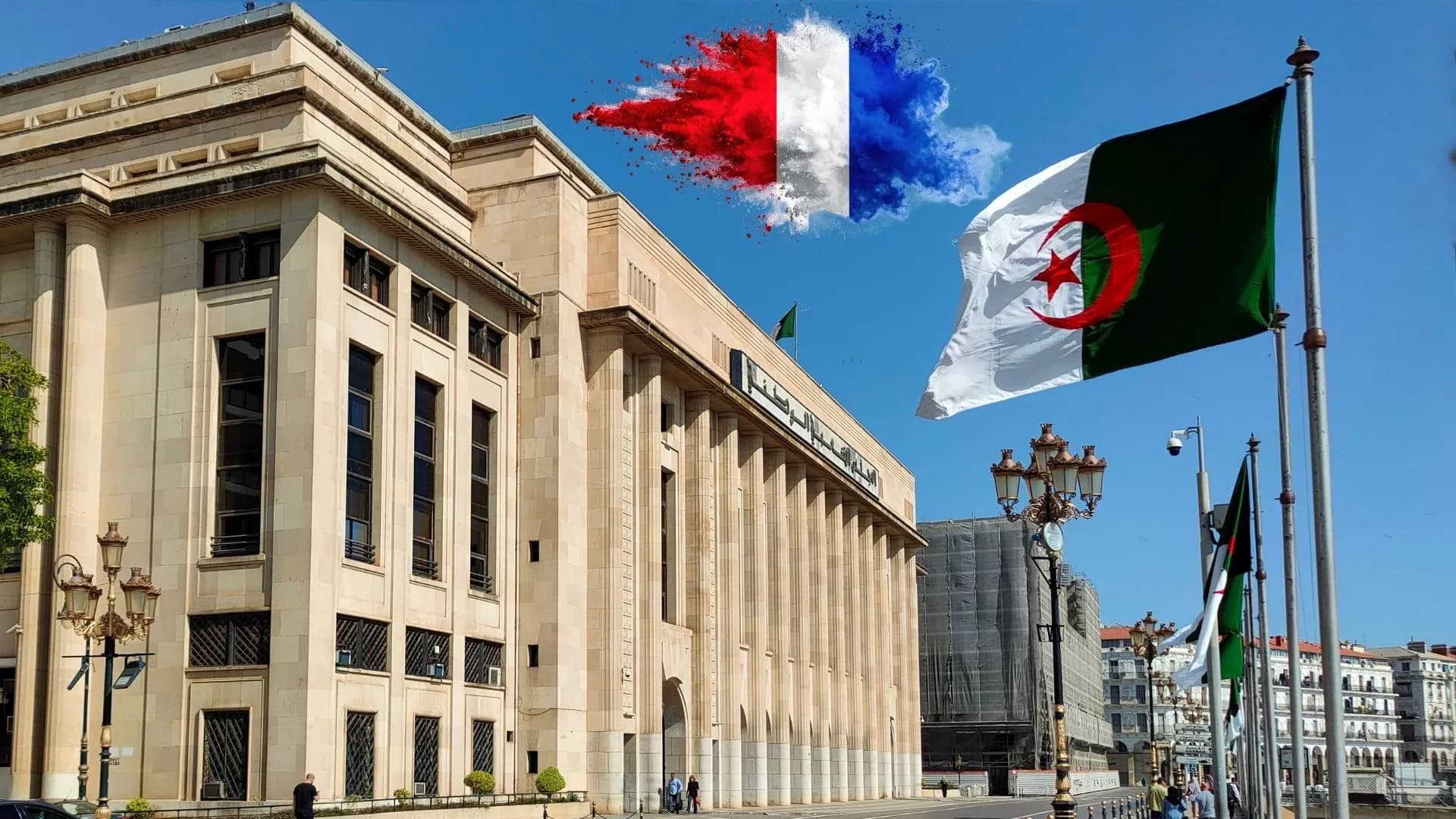
Algeria’s parliament has criminalized the French colonial period, defining it as a state crime and opening the door to compensation claims. France views the move as hostile to dialogue, deepening long-standing tensions over memory, sovereignty, and regional politics.
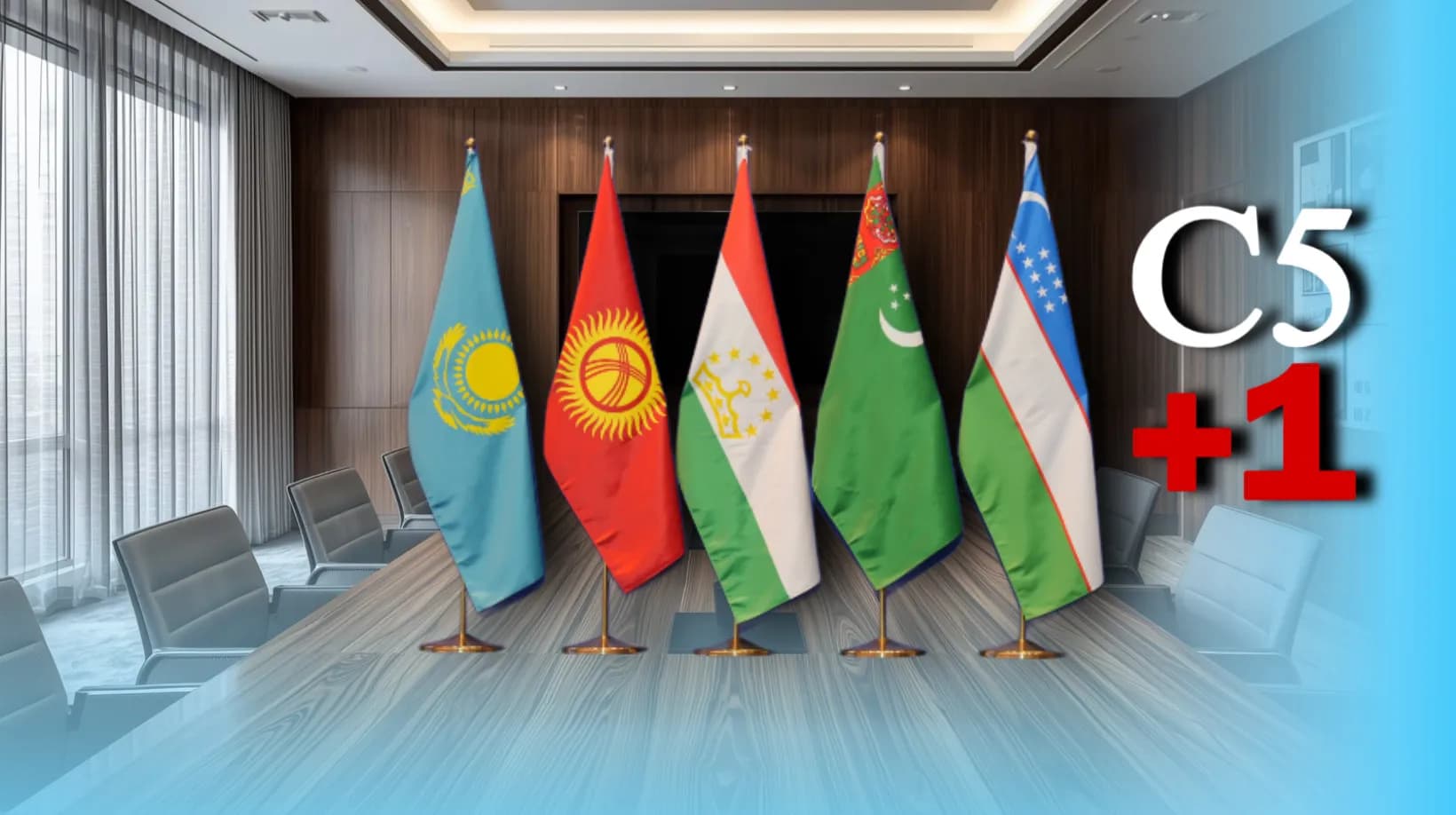
In 2025, Central Asia reshaped its foreign policy through an unprecedented series of “Central Asia Plus (C5+1)” summits with global powers. This diplomacy strengthened multi-vector engagement, advanced regional institutionalization, and positioned the C5 as active, strategic actors in global geopolitics.
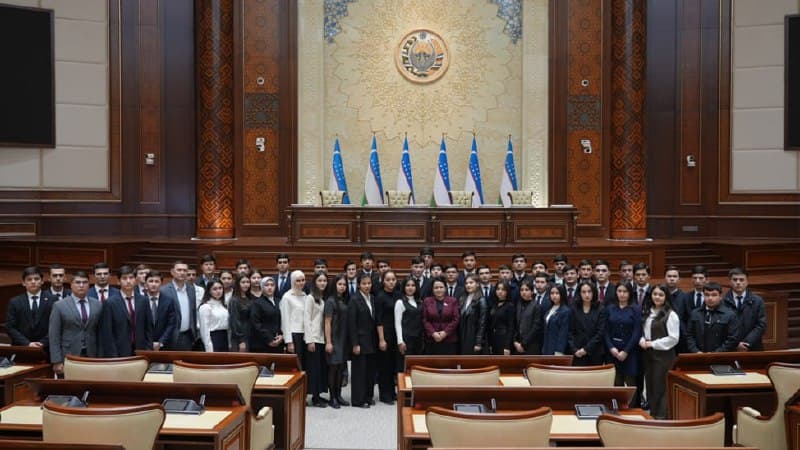
Uzbekistan closed 2025 with historic economic achievements, record GDP and exports, and rising reserves. With ambitious reforms, space and technology goals, green energy investments, and workforce transformation, 2026 is set to mark Uzbekistan’s emergence as a new strategic power in Eurasia.
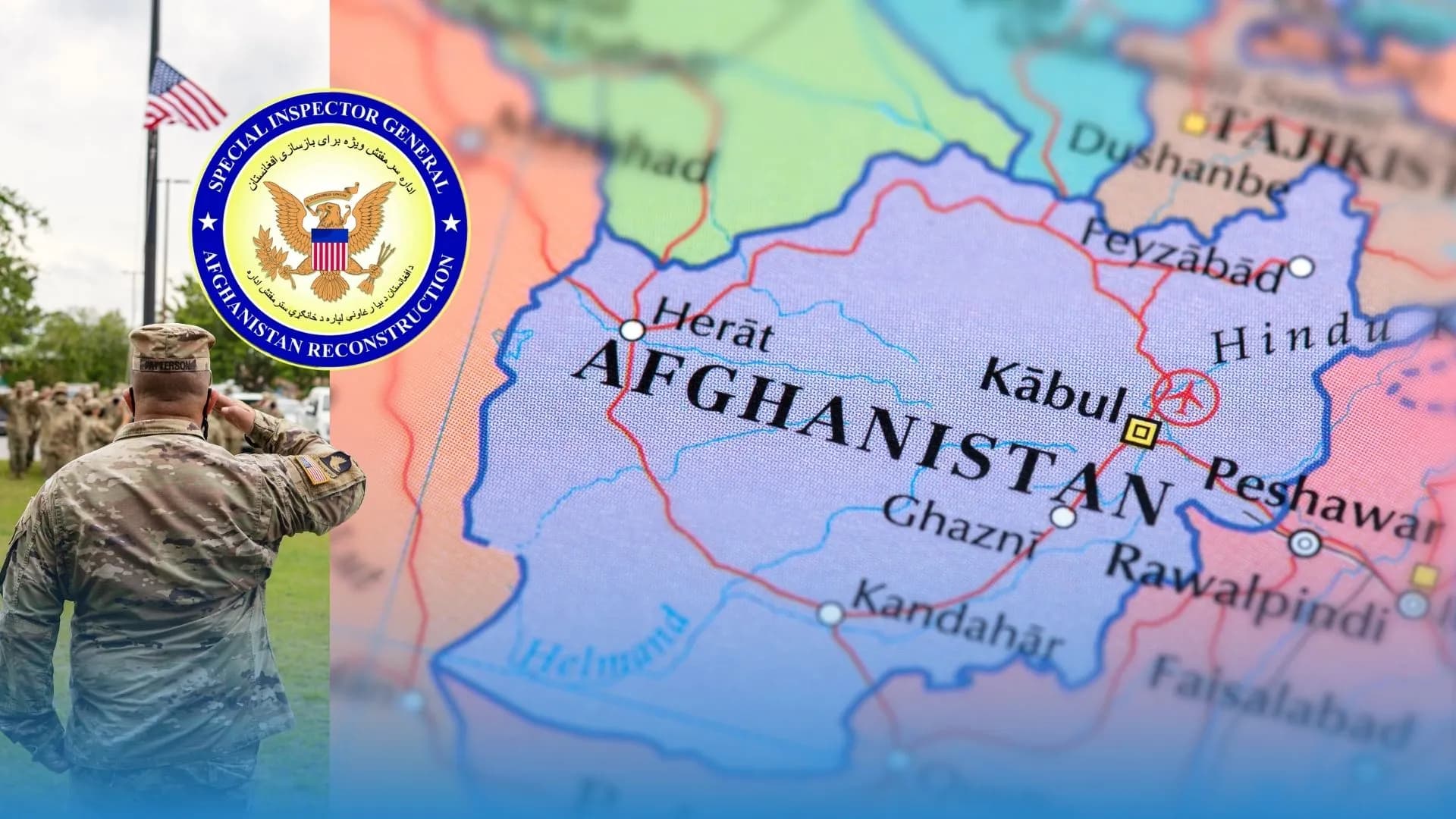
According to SIGAR’s final report, nearly $145 billion spent by the United States on rebuilding Afghanistan over 20 years was squandered due to corruption, poor planning, and institutional failures. Massive funding for security forces failed to produce lasting stability, while repeated warnings from watchdogs were largely ignored. The outcome was a strategic, financial, and human failure.
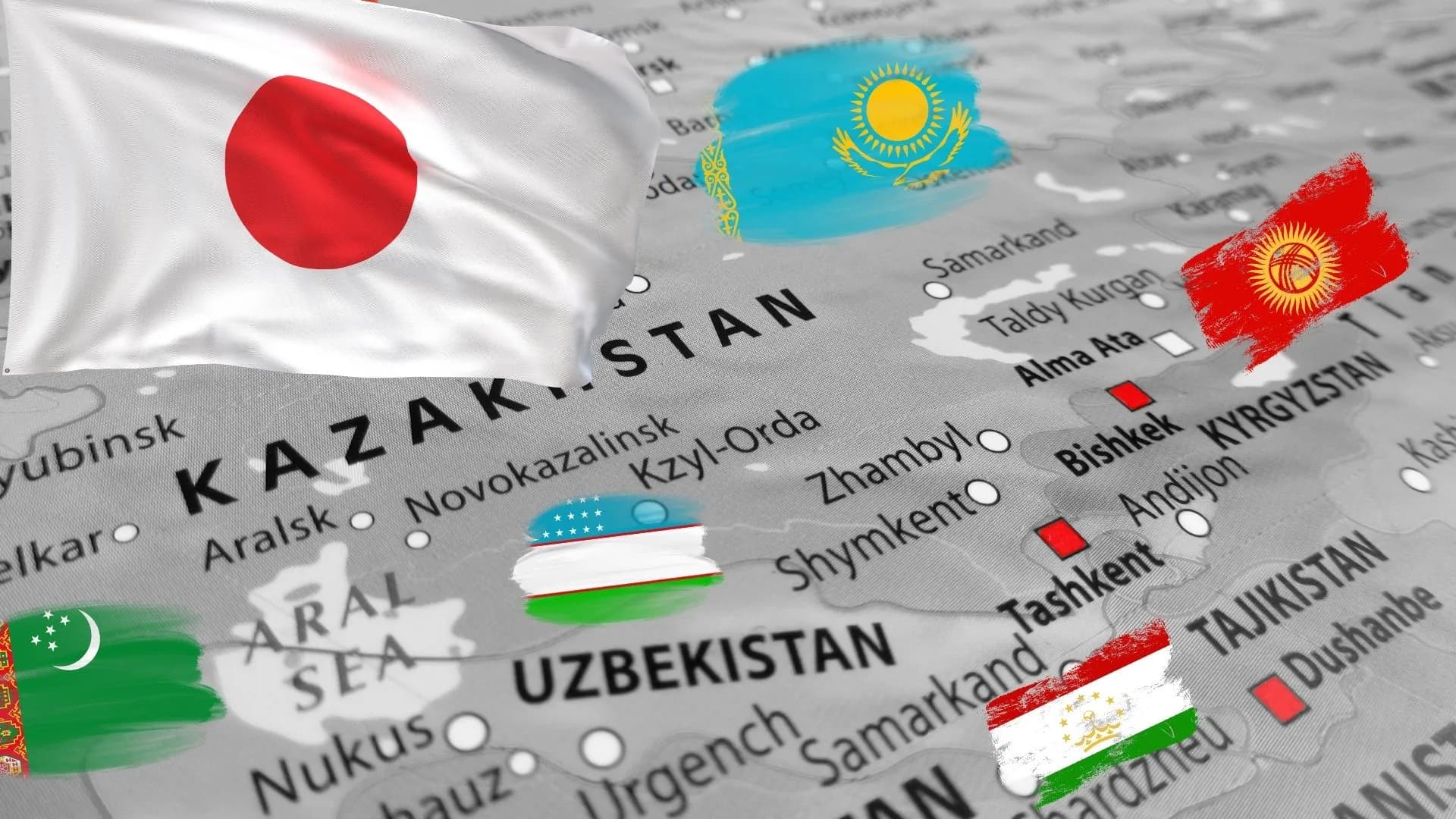
The 2025 Central Asia + Japan Summit elevated relations to a new phase by institutionalizing cooperation at the leaders’ level. The Tokyo Declaration and the CA+JAD Tokyo Initiative, with a ¥3 trillion target, set concrete goals in trade, investment, infrastructure, energy transition, and technology. Japan deepened cooperation in transport corridors, energy (nuclear and renewables), industrial value chains, and digital sectors, while strengthening its soft power through education, capacity building, and cultural diplomacy. The summit confirmed Japan’s role as a long-term, rule-based, and non-competitive partner in Central Asia.
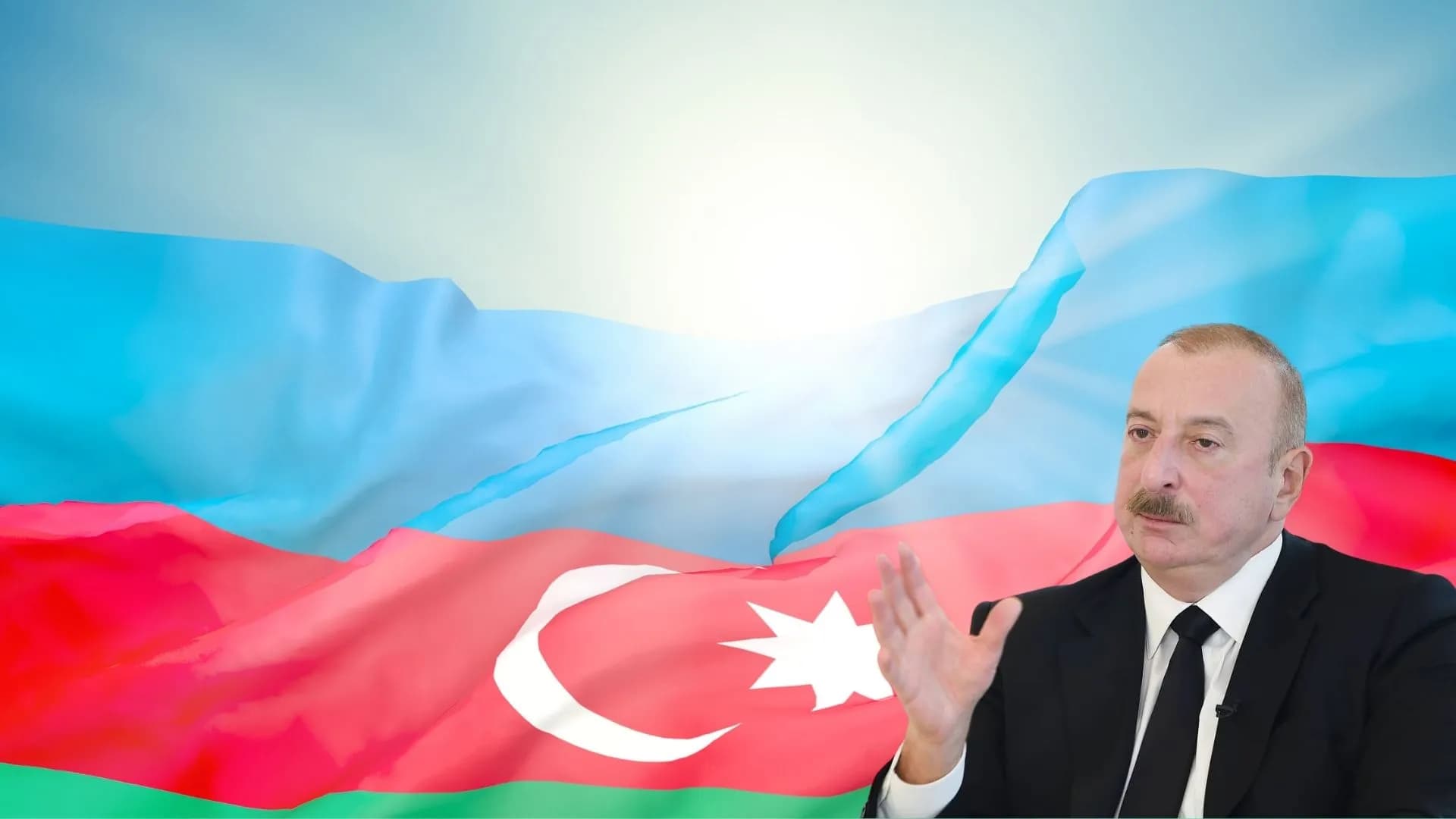
President Ilham Aliyev, born on 24 December 1961, is one of the most influential political figures in the modern history of the Republic of Azerbaijan. He has led the country since 2003, a period characterized by greater sovereignty, economic modernization, the liberation of the occupied territories, and increased global status. My research article provides a detailed analysis of the vision, performance, and achievements of President Ilham Aliyev, especially the Karabakh Victory, Azerbaijan's hosting of COP29, and transitioning the country to green energy. We will see that how the leadership of President Aliyev has transformed Azerbaijan to become a strong, progressive, and well-respected state in the international arena.
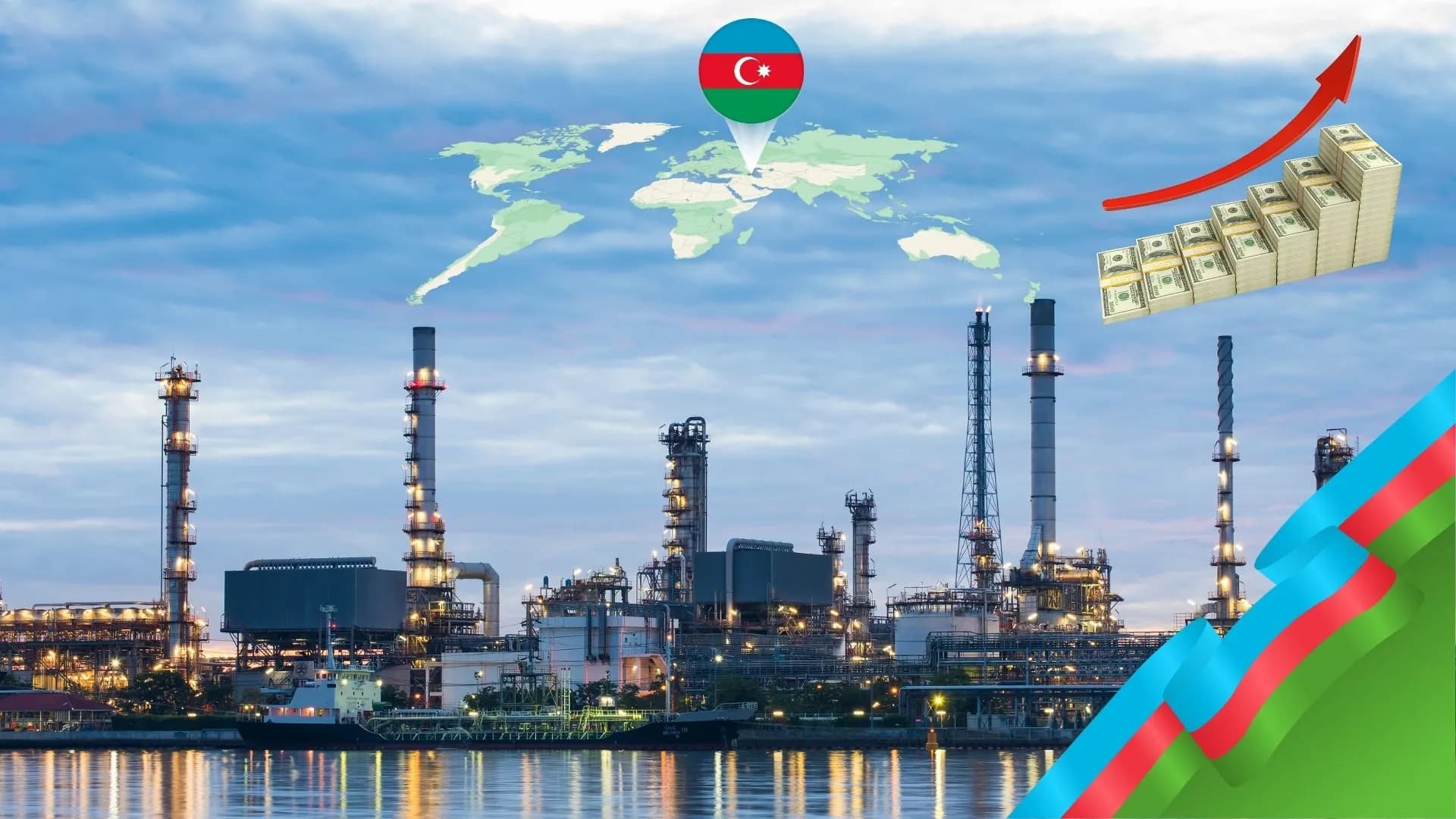
Azerbaijan has moved beyond an oil- and gas-dependent growth model toward comprehensive economic diversification focused on agriculture, industry, logistics, tourism, the digital economy, and renewable energy. Guided by the “Azerbaijan 2030” vision, government policies, infrastructure investment, human capital development, and innovation-driven reforms have turned non-oil sectors into key engines of growth. This strategy strengthens Azerbaijan’s economic resilience, sustainability, and global integration.
This study examines continuity and change in Eurasian multilateralism from COMECON and the Warsaw Pact to the Shanghai Cooperation Organization. Unlike its Soviet-era predecessors, the SCO adopts a flexible and pragmatic model linking security and economic development. However, this flexibility also limits the organization’s ability to manage internal disputes such as Kashmir and Afghanistan. The SCO is best understood not as a fully formed alternative order, but as an evolving experiment in Eurasian multilateralism.
The decision by Soulaimane El Mokadem, a former PTB deputy in Brussels, to join the Socialist Party (PS) goes far beyond a simple party switch. It is a politically revealing event, sitting at the crossroads of three deep-seated crises
The official visit to Japan clearly demonstrated President Shavkat Mirziyoyev’s political character, governance style, and strategic vision. This trip was not only about diplomacy—it showed how and where he intends to lead New Uzbekistan, with clarity and determination.
The European Union is approaching a critical decision on how to finance Ukraine’s estimated €137 billion funding needs for the 2026–2027 period. EU leaders meeting in Brussels remain divided between using frozen Russian state assets and relying on new EU-level borrowing. European Commission President Ursula von der Leyen has framed this decision as a turning point for Europe’s strategic autonomy and security. The outcome of the summit will reveal whether the EU can convert its geopolitical ambitions into sustainable financial and political action.
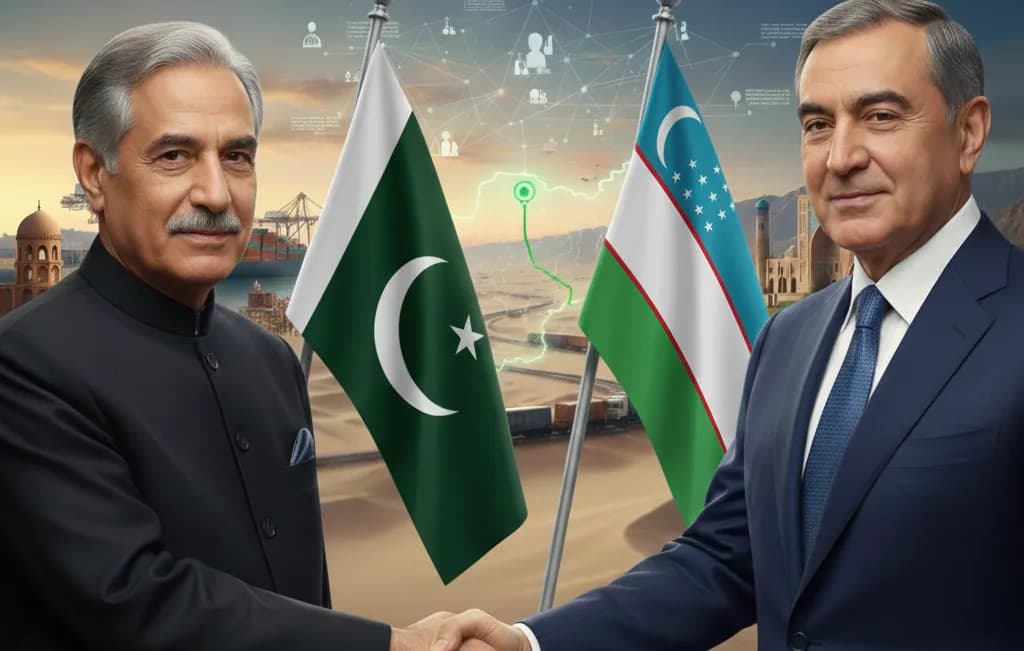
Pakistan–Uzbekistan relations have evolved from cautious diplomacy into a strategic, economy-driven partnership centered on trade, transit, and regional connectivity. Pakistan positions itself as a gateway linking landlocked Central Asia to global markets via its ports, while Uzbekistan seeks diversified access routes and energy cooperation. Despite security and infrastructure challenges—particularly in Afghanistan—the partnership has the potential to reshape regional integration across South and Central Asia.
Turkmenistan marks 30 years of permanent neutrality with the inauguration of a new national monument and a major exhibition of achievements. The country highlights its active diplomatic role, cultural heritage, and commitment to peace, sustainable development, and international cooperation.
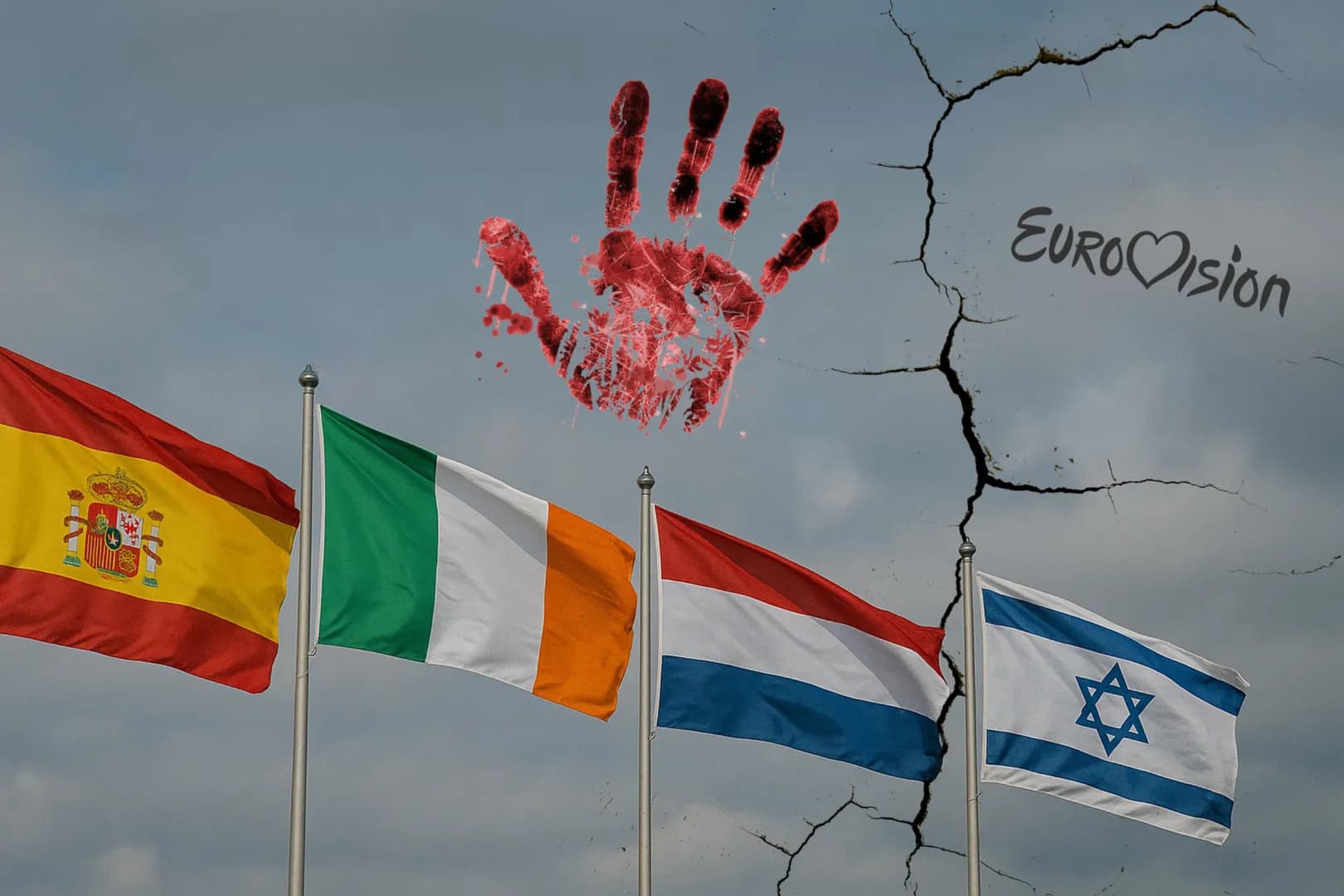
France will participate in Eurovision 2026 and criticizes Spain, Ireland, the Netherlands, and Slovenia for boycotting the contest over Israel’s inclusion. French Foreign Minister Jean-Noël Barrot called the boycott “obscurantism” and argued that culture should not be politicized. The dispute reflects growing divisions in Europe over how to handle the Israel–Gaza conflict in cultural arenas.
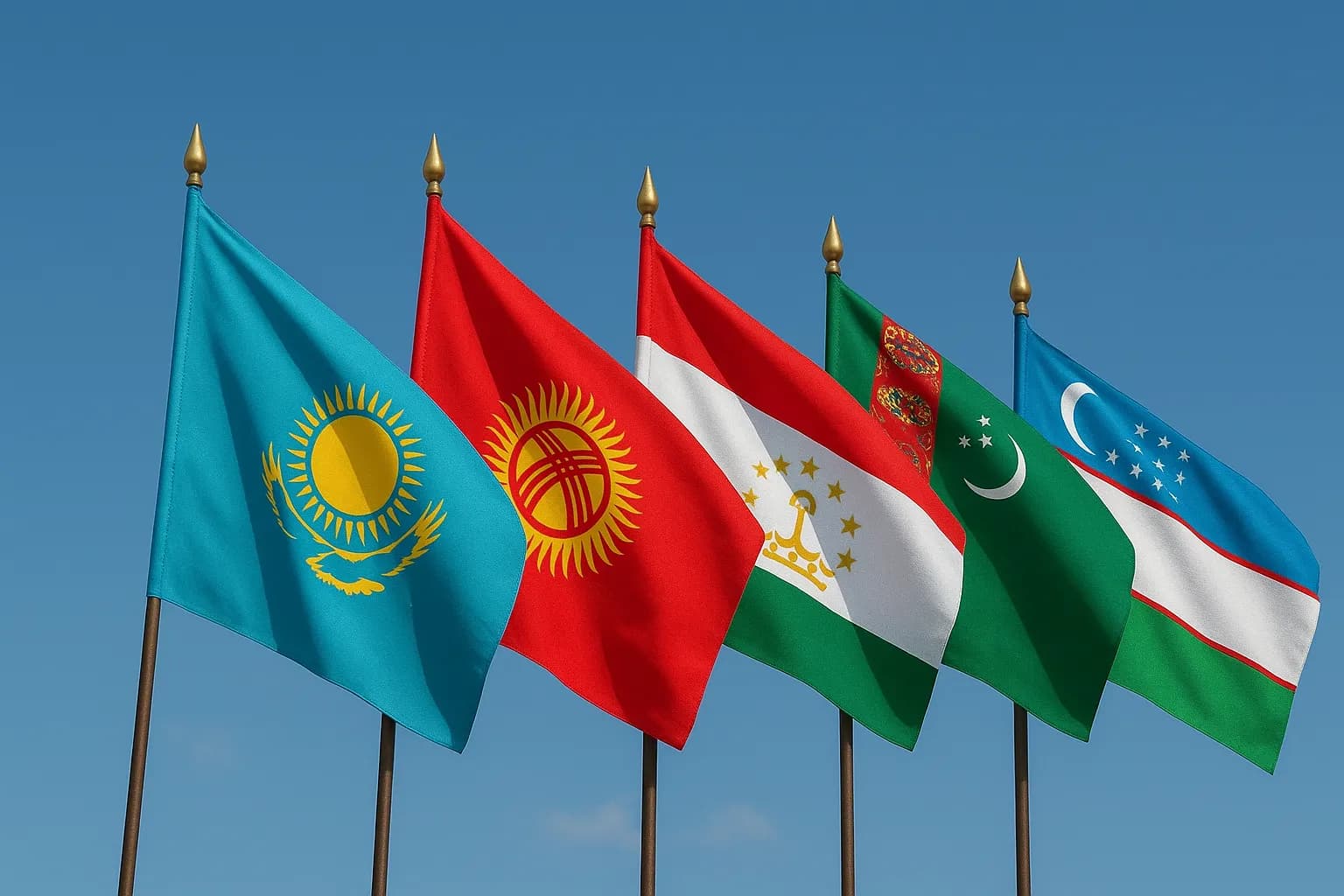
Since 2018, annual Consultative Meetings have helped Central Asian countries build stronger political trust, enhance regional cooperation, and coordinate policies on security, trade, energy, and development. These summits have improved unity, boosted economic ties, and led to major joint initiatives, with the 2025 meeting further expanding cooperation and admitting Azerbaijan as a full member.
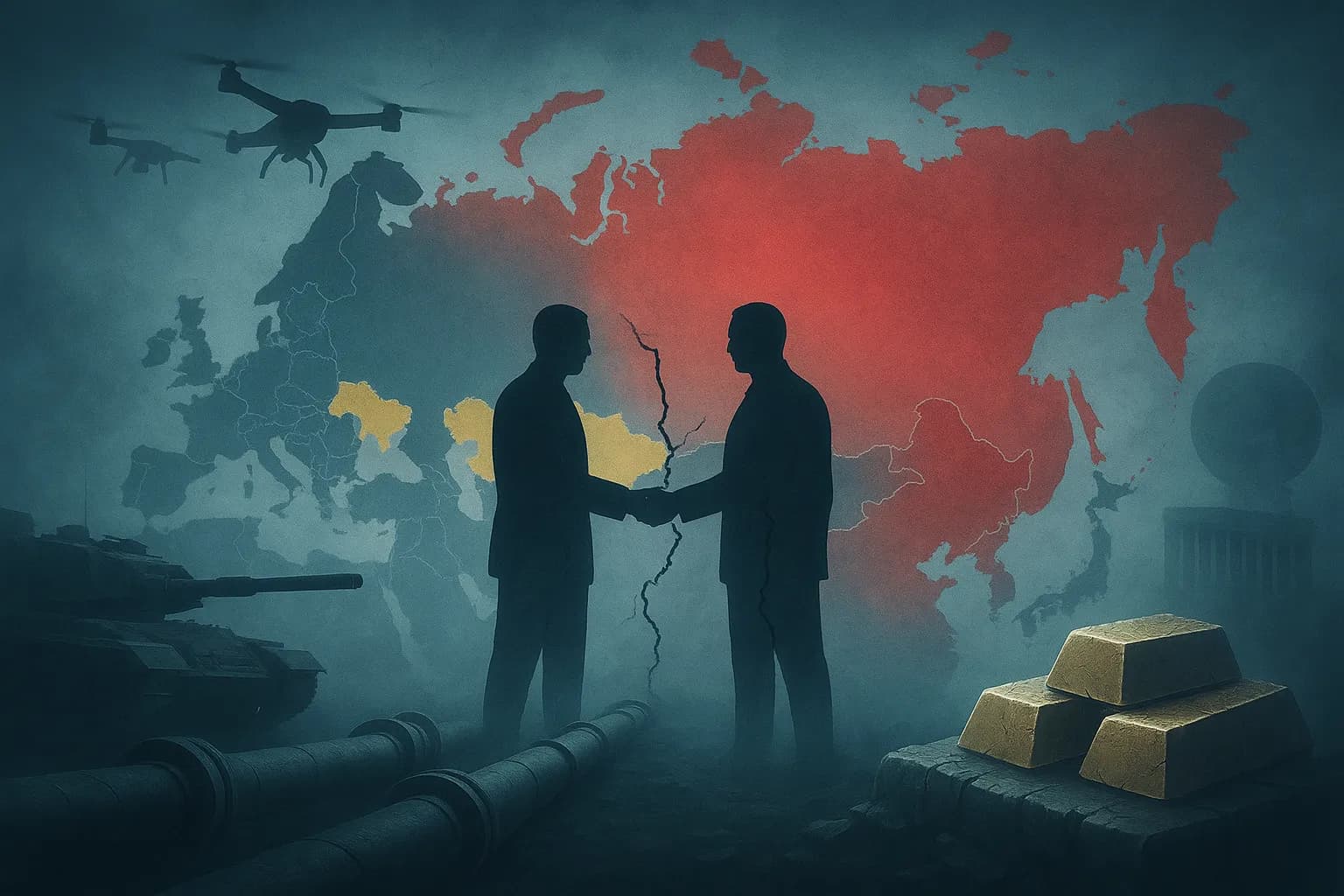
The Trump-led 28-point peace plan pressures Ukraine to accept military limits and territorial concessions while Russia continues advancing and refuses to retreat without gains. Europe feels increasingly isolated but backs Ukraine’s sovereignty. Negotiations remain tense, and the article warns that an unbalanced deal could lock in long-term instability and permanently reshape global geopolitics.