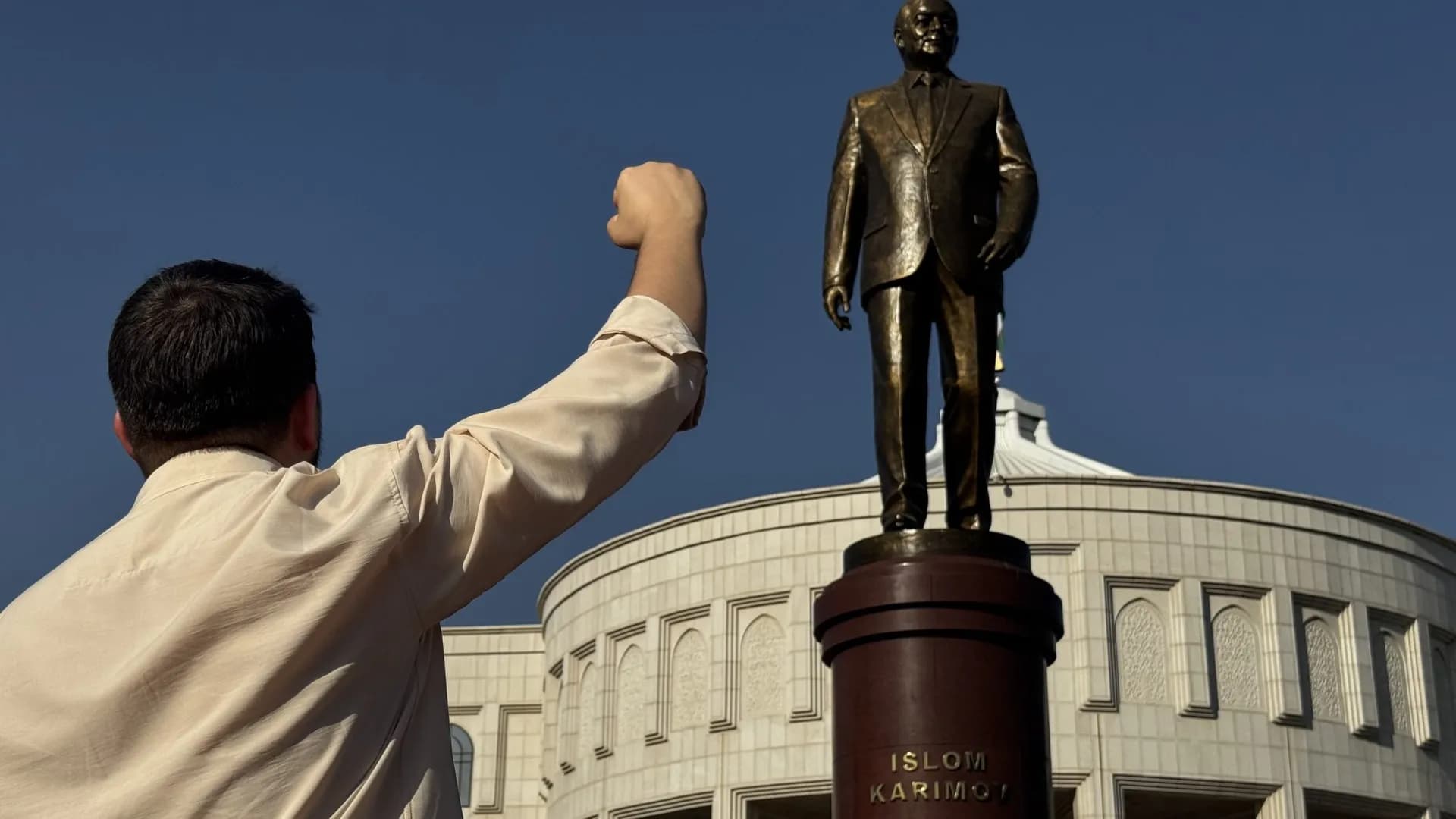
Islam Karimov (1938–2016), the first President of independent Uzbekistan, was the key architect of the country’s post-Soviet nation-building project. His leadership combined political independence with the creation of a national ideology that he viewed as essential for state survival and legitimacy. Karimov redefined Uzbekistan’s identity by reviving historical memory, celebrating figures like Amir Timur and Alisher Navoi, and replacing Soviet symbols with new national emblems. He balanced religion as a source of unity and morality while curbing extremism and implemented language reforms to strengthen national consciousness while preserving diversity. His model, based on ideology, history, religion, and language, remains a blueprint for achieving stability and unity in multi-ethnic, transitional states.
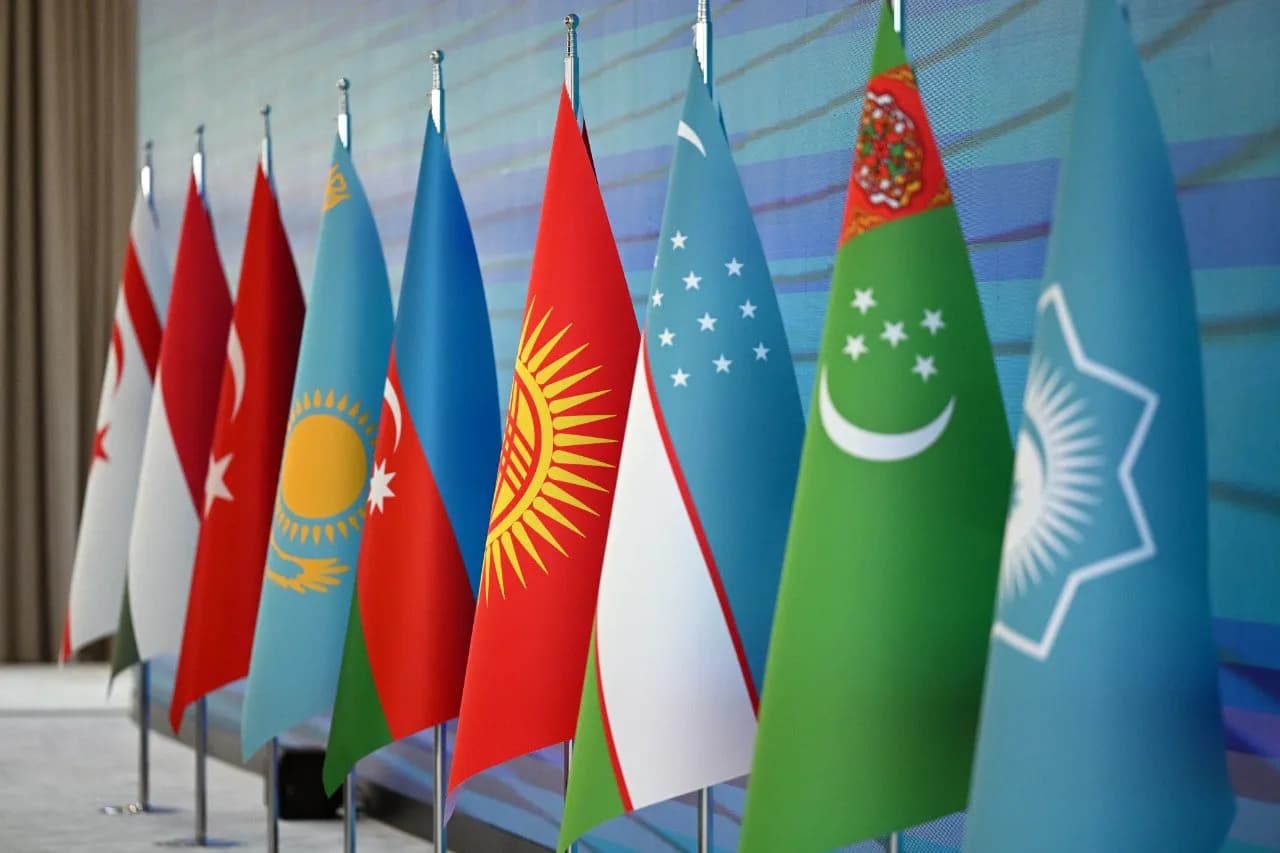
“The End of the Old Map” explores how the collapse of traditional Eurasian trade routes—through Russia and Iran—has forced a historic realignment of global logistics and power. The text argues that the “Middle Corridor,” traversing Turkey, Azerbaijan, and Kazakhstan, is not a choice but a necessity shaped by geopolitical crises. With the Northern and Southern corridors paralyzed by war and sanctions, the Turkic heartland emerges as the strategic backbone of a new Eurasian order. This transformation—driven by logistics, energy, digital infrastructure, and defense integration—is redefining the Organization of Turkic States (OTS) as a geopolitical and economic force. The paper concludes that the unification of the Turkic world is not romantic idealism, but a historical compulsion dictated by modern geography and global competition.
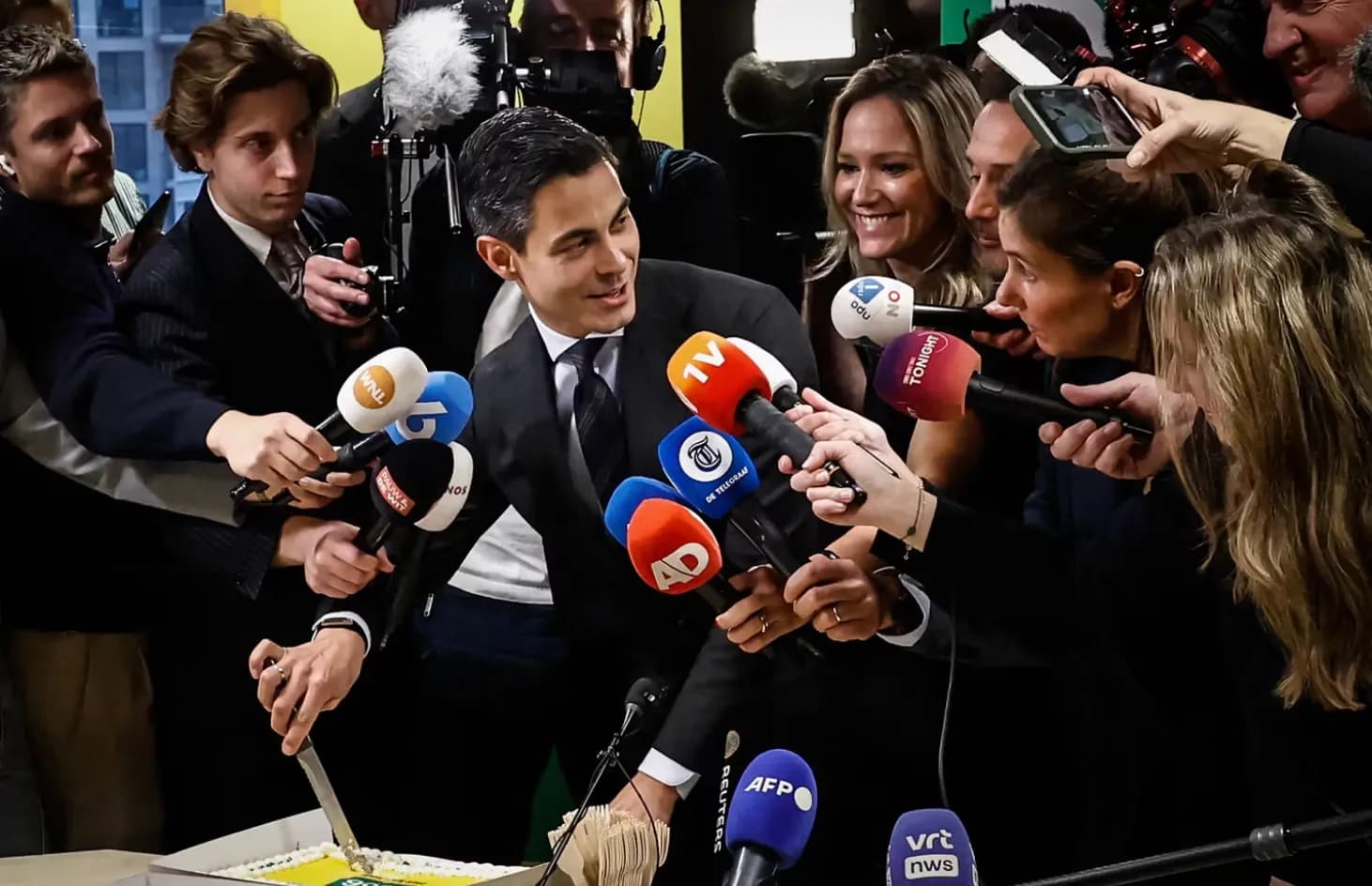
Dutch centrist leader Rob Jetten and his party D66 claimed victory in a tight election, positioning him to become the youngest prime minister in the Netherlands. The result marks a shift away from the far-right dominance of recent years, as Geert Wilders’ PVV lost ground to smaller parties. Despite D66’s win, analysts warn that forming a coalition will be difficult in the country’s increasingly fragmented political landscape. Jetten called for cooperation on key issues such as economy, migration, climate change, and housing, while experts stress that the far right remains influential and public trust in politics is still very low.
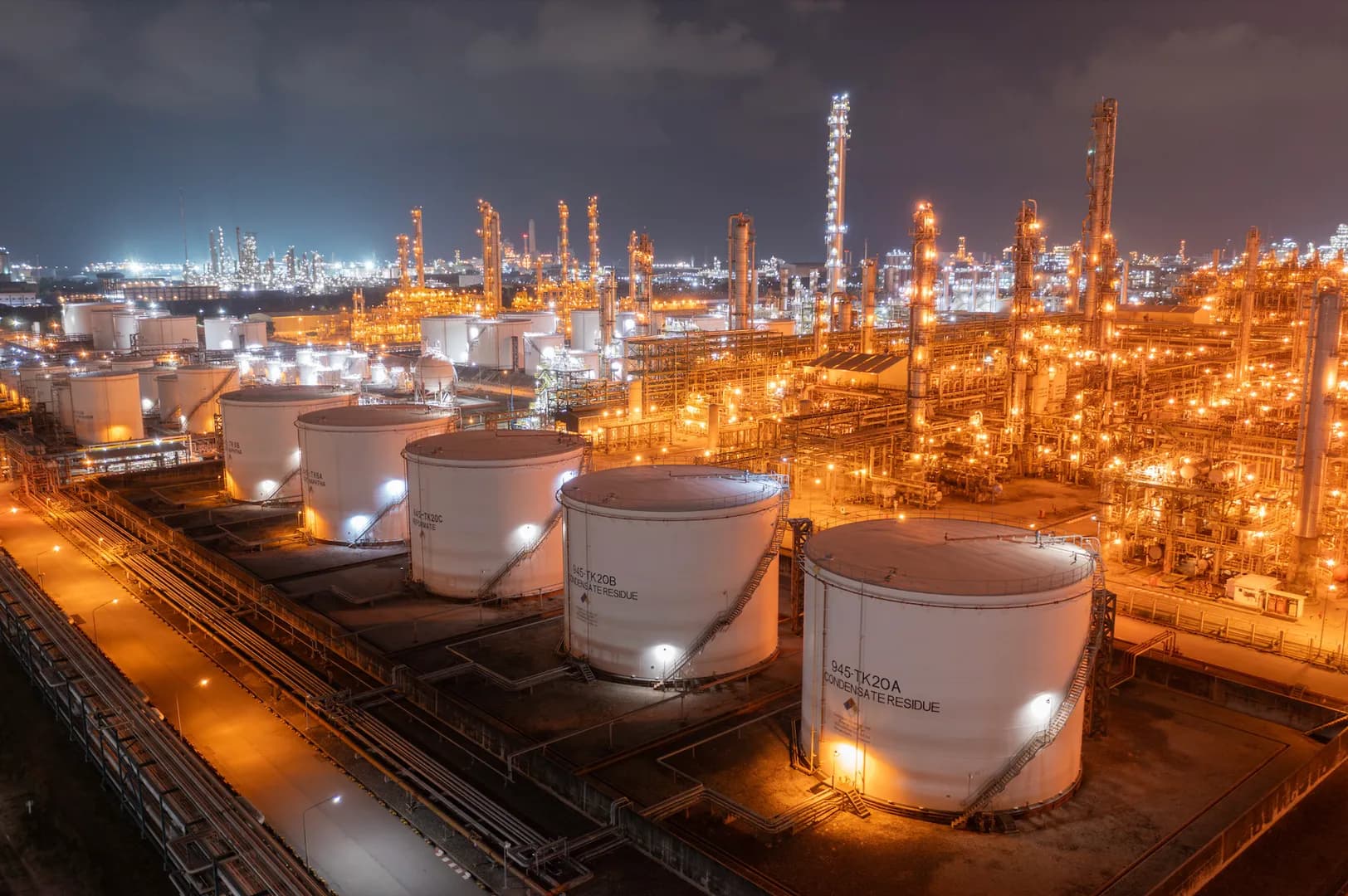
The 21st century has transformed energy from a mere economic commodity into a strategic instrument of global power. This article explores how five energy corporations—Saudi Aramco, ExxonMobil, Shell, Chevron, and PetroChina—function as hybrid entities operating at the intersection of economics, politics, and diplomacy. Using a historical-political lens, it argues that these firms are no longer corporate actors but geopolitical institutions that influence state policies, determine market stability, and shape international relations. The research highlights how national energy sovereignty, state capitalism, and market-driven geopolitics merge within these entities, producing a new form of “energy empire” where corporate decisions yield geopolitical consequences. Ultimately, the study redefines energy not as fuel but as power itself.
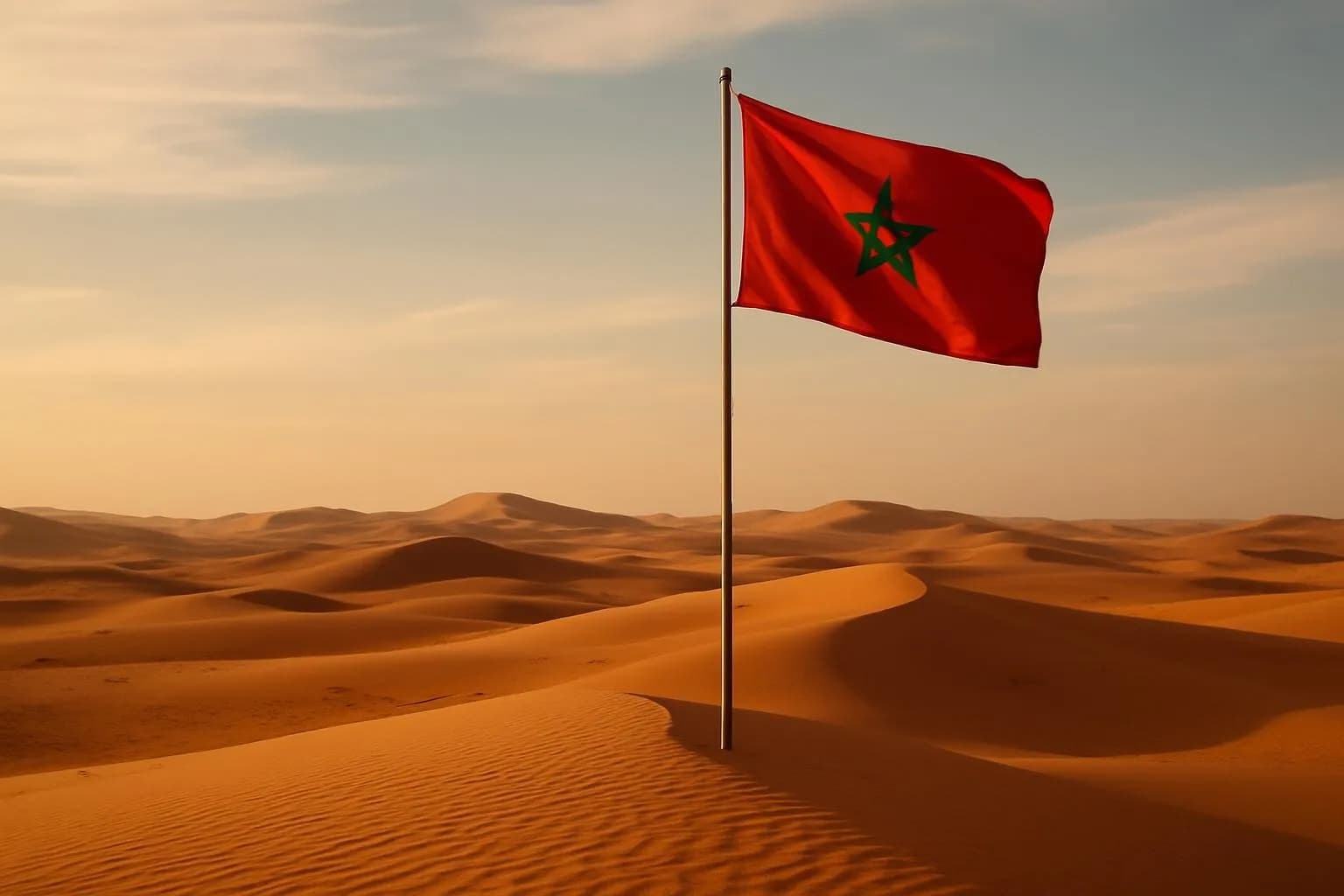
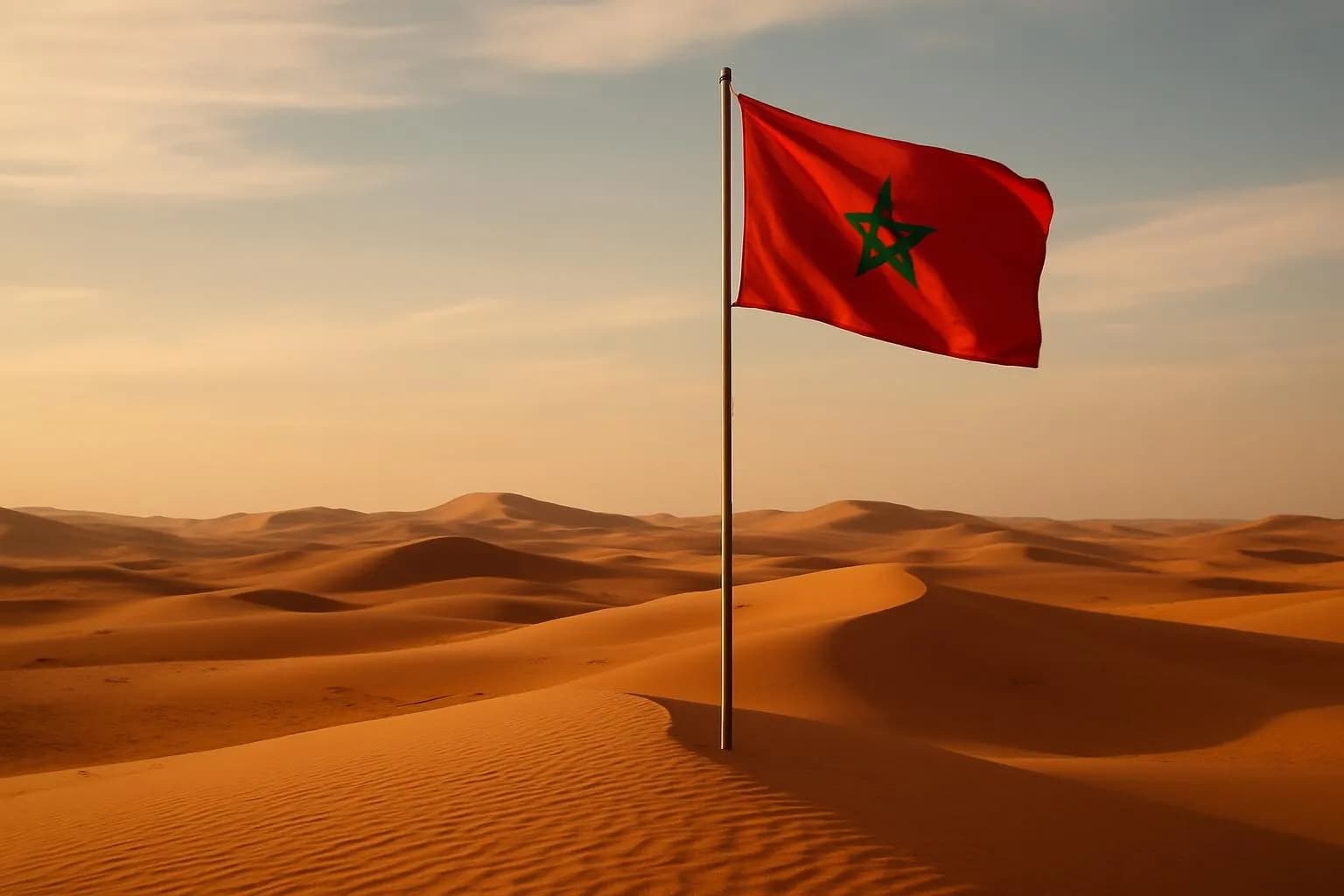
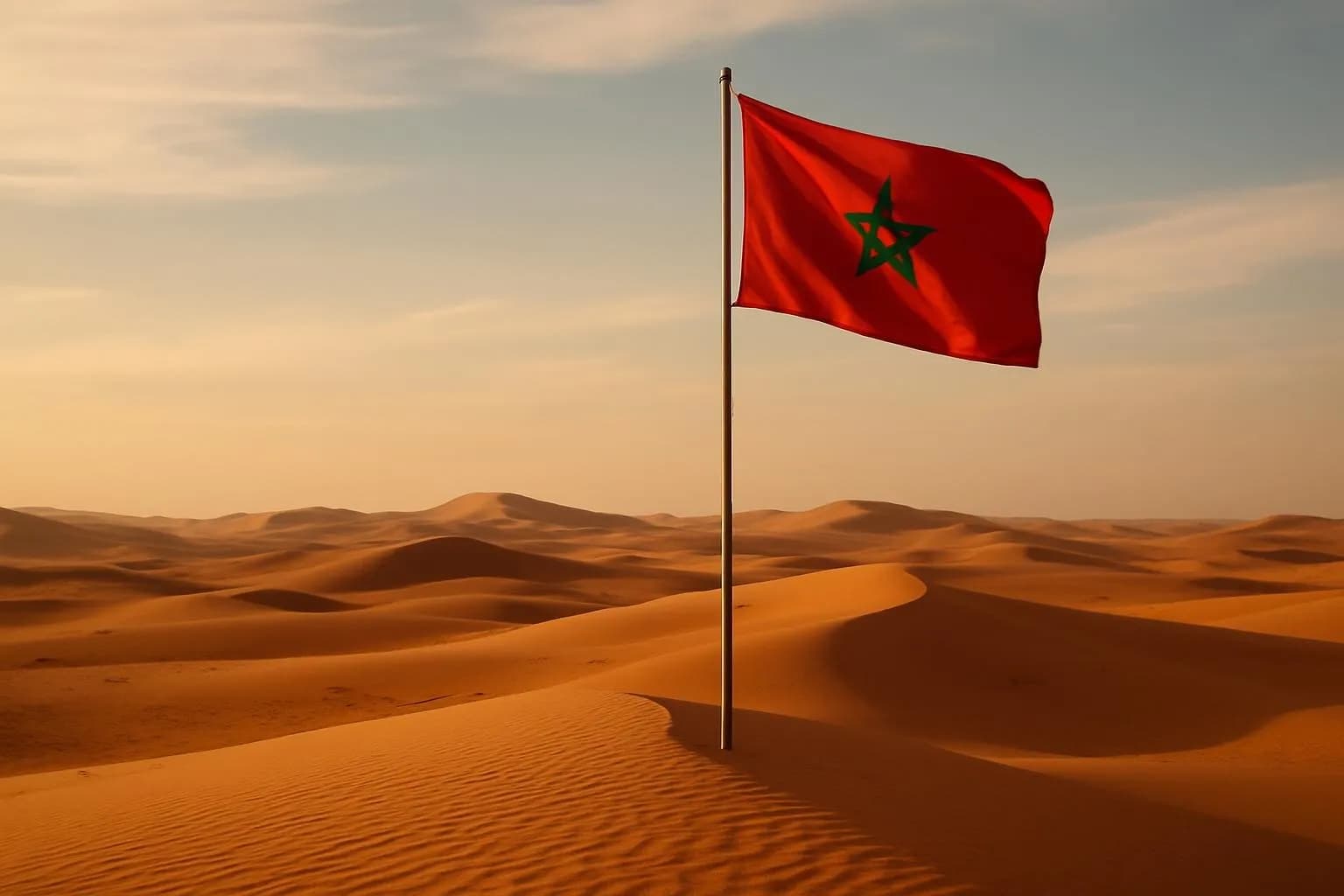
Mohammed VI hails a “historic victory” after UN resolution on Western Sahara
King Mohammed VI celebrated what he called a “historic and resounding victory” for Morocco after the UN Security Council adopted a resolution endorsing autonomy under Moroccan sovereignty as a credible solution for Western Sahara.
The decision is seen as a major diplomatic milestone for Rabat, reinforcing international momentum behind Morocco’s plan, already backed by the US, Spain, France, the UK, the EU – and, recently, Belgium.
In a solemn address marking 50 years since the Green March and 70 years of independence, the monarch declared the start of a “new victorious chapter” and invited Algeria to open a path toward reconciliation, stressing “no winner and no loser.”
He also called on Sahrawi populations in the Tindouf camps to return, affirming national unity.
The resolution renews MINURSO until 2026 and passed with 11 votes in favour, while Russia, China, and Pakistan abstained and Algeria declined participation.
The speech situates Western Sahara as a pillar of Morocco’s regional economic and security strategy, including major infrastructure projects connecting to the Sahel and increasing European investment interest—particularly in energy, trade, and stability.
Algeria and the Polisario rejected the decision, accusing the UN of ignoring Sahrawi self-determination.
The development underscores rising international support for Rabat, amid geopolitical priorities including migration, green hydrogen, and Mediterranean security.
As Morocco looks ahead, the key question remains:
Will this diplomatic breakthrough help unlock long-stalled dialogue with Algiers and pave the way for regional stability?
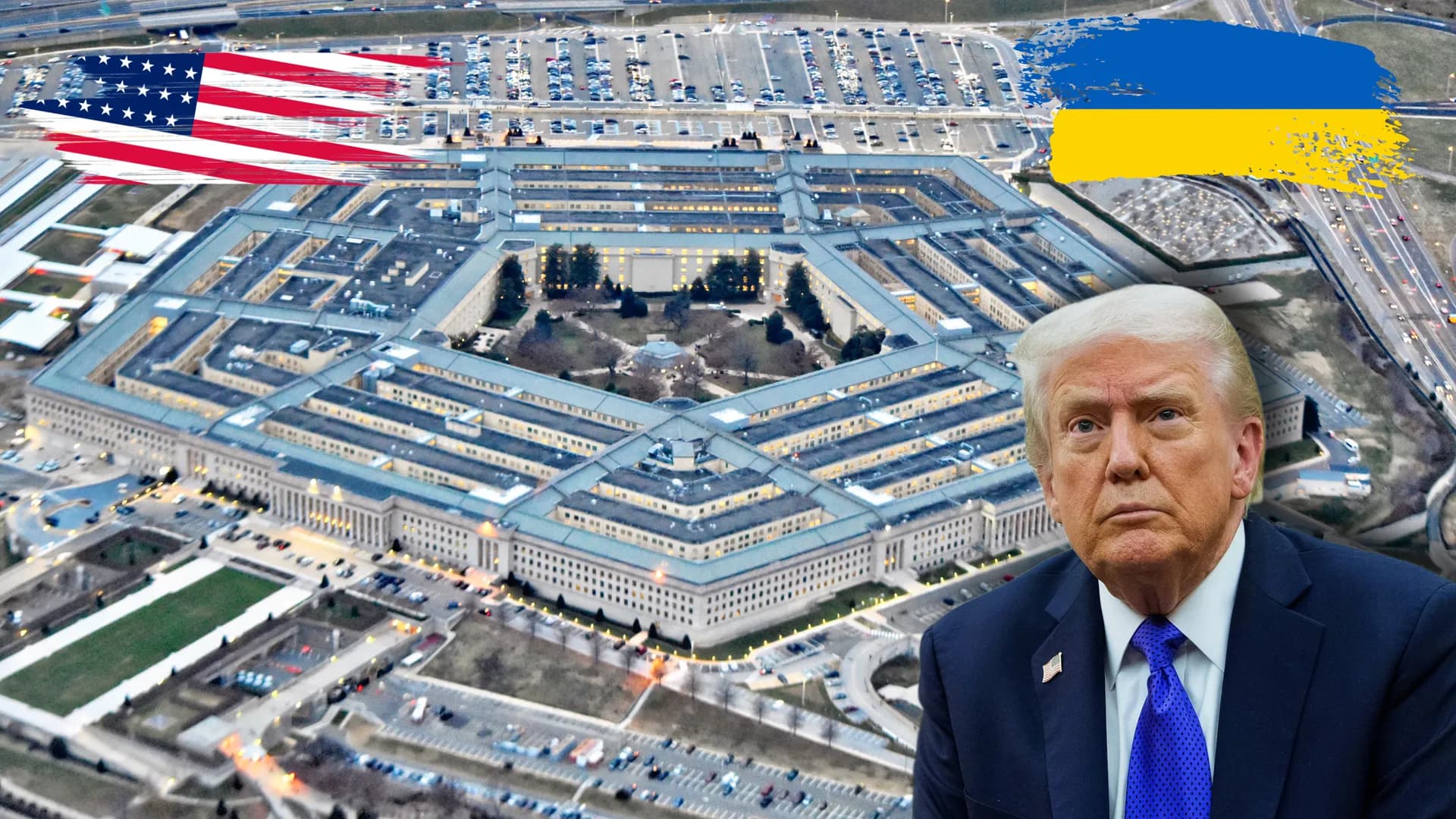
The Pentagon has authorized the potential transfer of long-range Tomahawk missiles to Ukraine, marking a major escalation in U.S. support if approved. However, President Donald Trump has yet to sign off on the move, citing concerns about U.S. defense needs and strategic stability with Russia. The decision follows months of internal debate and comes amid warnings from Moscow about a “serious” response should Tomahawks strike Russian territory. Despite Pentagon readiness, operational and diplomatic hurdles remain.
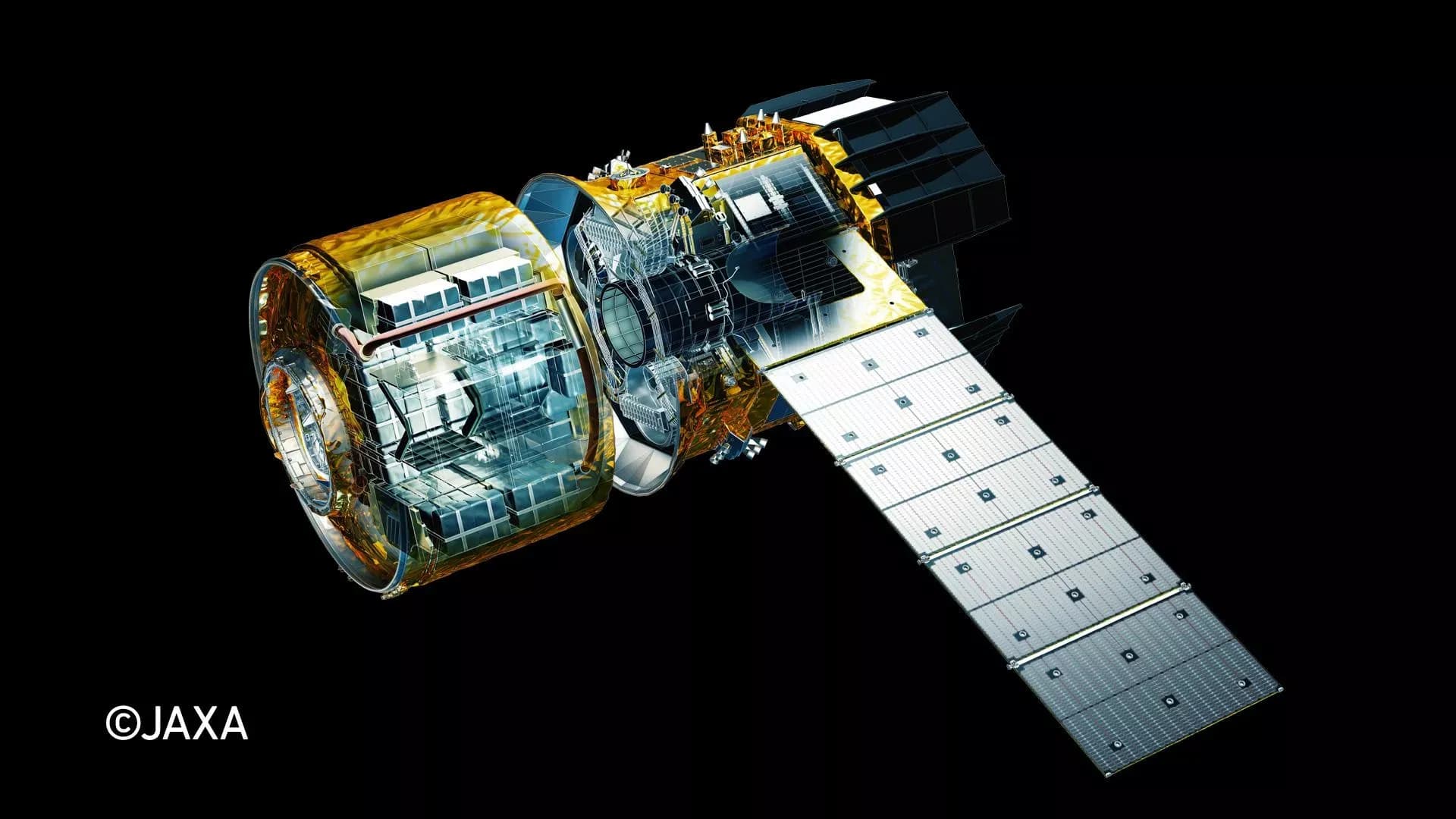
Japan’s recent initiative to test hypersonic missile-tracking technology through its HTV-X spacecraft represents a significant leap in space-based defense capabilities. This paper examines the strategic rationale behind this development, its technological characteristics, and its broader implications for regional and global security architecture, particularly amid escalating hypersonic weapon competition among China, Russia, and North Korea.
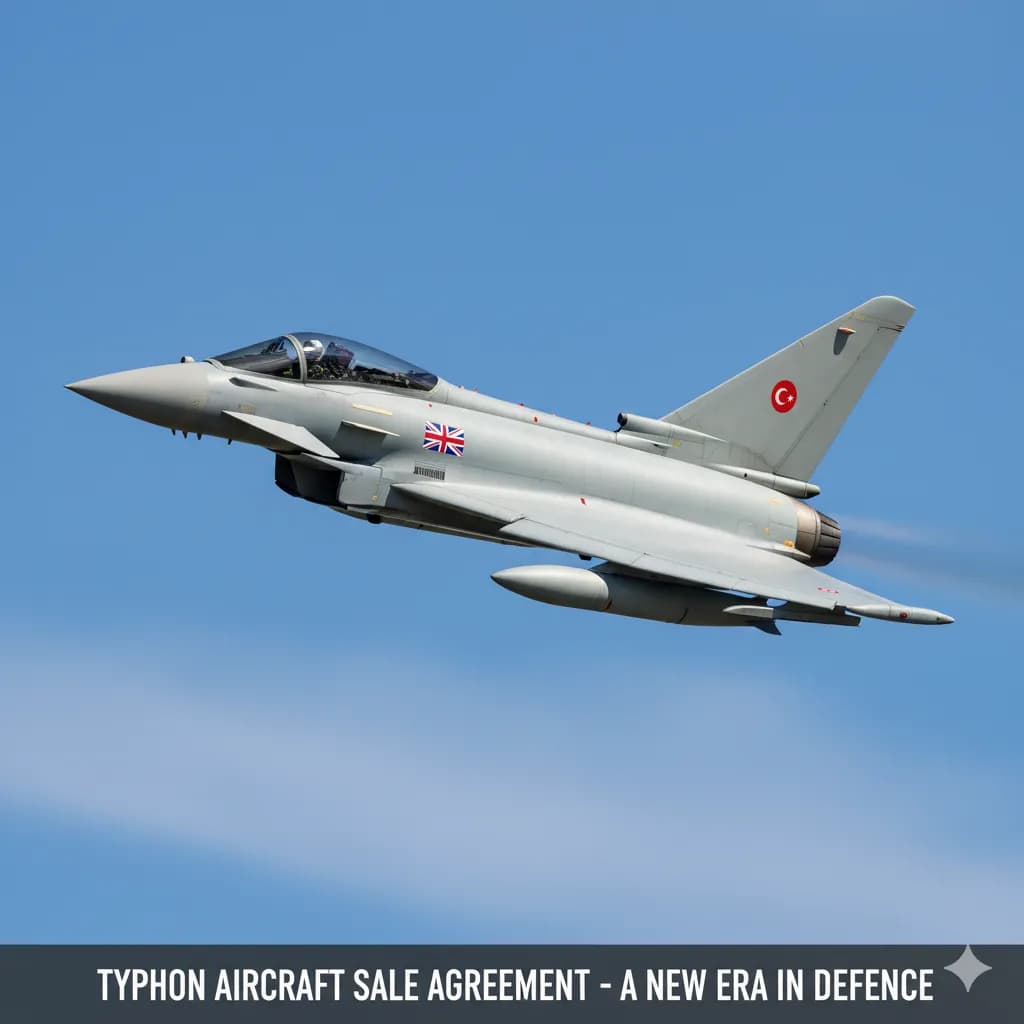
The agreement signed between Turkey and the United Kingdom on October 27, 2025, represents a significant step in the defense industry. Under the agreement valued at 8 billion pounds, Turkey will procure 20 Eurofighter Typhoon fighter jets. From a future perspective, significant progress can be achieved for Turkey if the right steps are taken. However, there are also criticisms. The appropriateness of Turkey making such a large expenditure under high inflation and budget pressures is being questioned, especially regarding the use of second-hand aircraft. Geopolitical discussions continue: The agreement may unsettle Russia; Turkey should break the perception of "having chosen sides" created by the deal. Beyond Russia, which Turkey is dealing with, there are many security issues in the region. In this sense, Russia ranks lower on Turkey's list of problems. What is important for Turkey is to close the gap in new-generation fighter jets and to consolidate its leading role in the region as soon as possible.
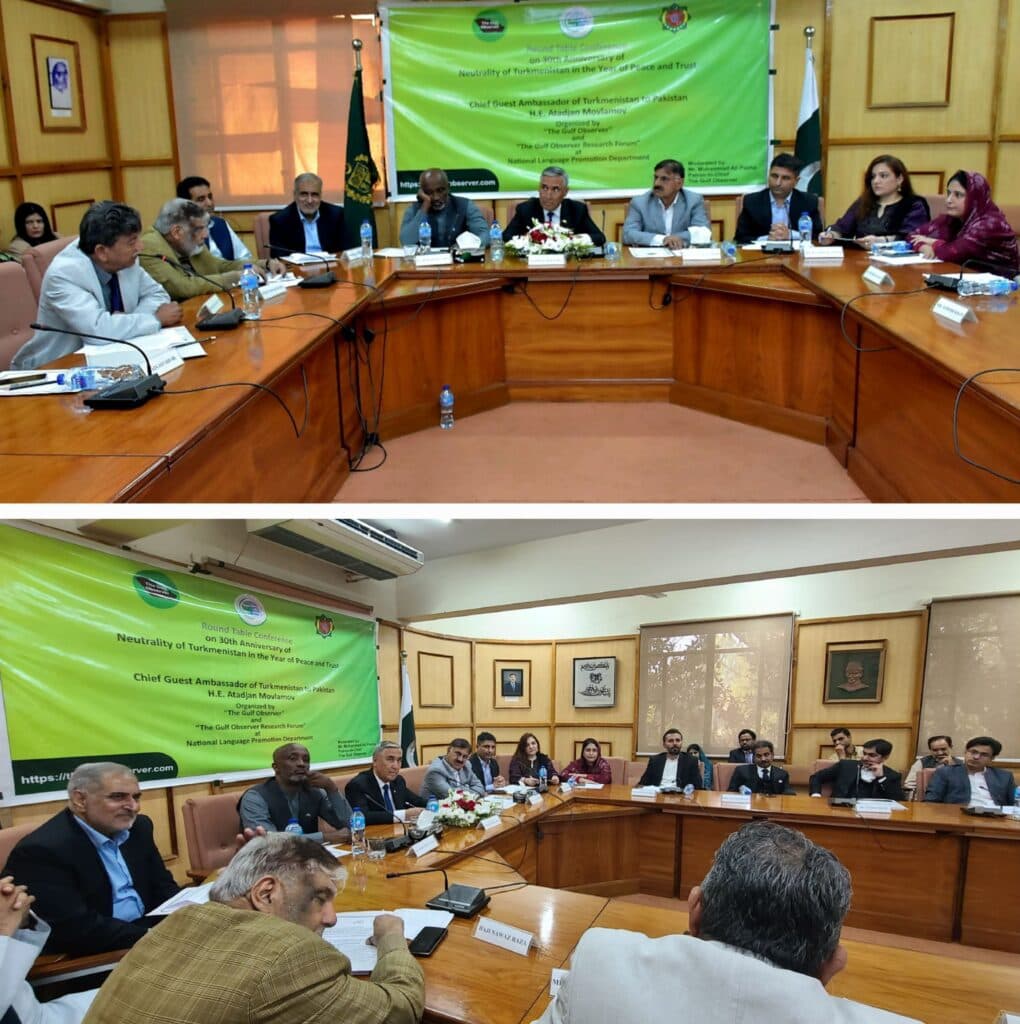
The Gulf Observer Research Forum and the Embassy of Turkmenistan in Islamabad Hold Round Table Conference on 30 Years of Turkmenistan’s Permanent Neutrality
Malaysia has declared its readiness to join BRICS “as early as tomorrow,” signaling a major diplomatic shift toward the Global South. Prime Minister Anwar Ibrahim’s remarks during the ASEAN Summit in Kuala Lumpur underscore the country’s ambition to balance ASEAN pragmatism with broader multipolar engagement. Supported by Brazil and welcomed by Russia and China, Malaysia’s prospective accession could mark a turning point in Southeast Asia’s participation in global governance. The move highlights Malaysia’s evolving foreign policy — one defined by strategic autonomy, south-south cooperation, and a growing voice in reshaping the international order.
According to Zhang Weiwei, the China Model offers an alternative to the Western liberal-democratic system, emphasizing stability, meritocracy, and prosperity as the foundations of governance. Rooted in China’s civilizational heritage, it represents the revival of a “civilizational state.” China’s foreign policy follows the principles of peaceful rise, non-interference, and security through development, focusing on economic cooperation and harmony rather than coercion. Zhang’s idea that the “Chinese model may win out” reflects the shift toward a multipolar and culturally diverse global order. Initiatives like the Belt and Road Initiative illustrate this vision, positioning China as a promoter of balance and plural modernity in global governance.
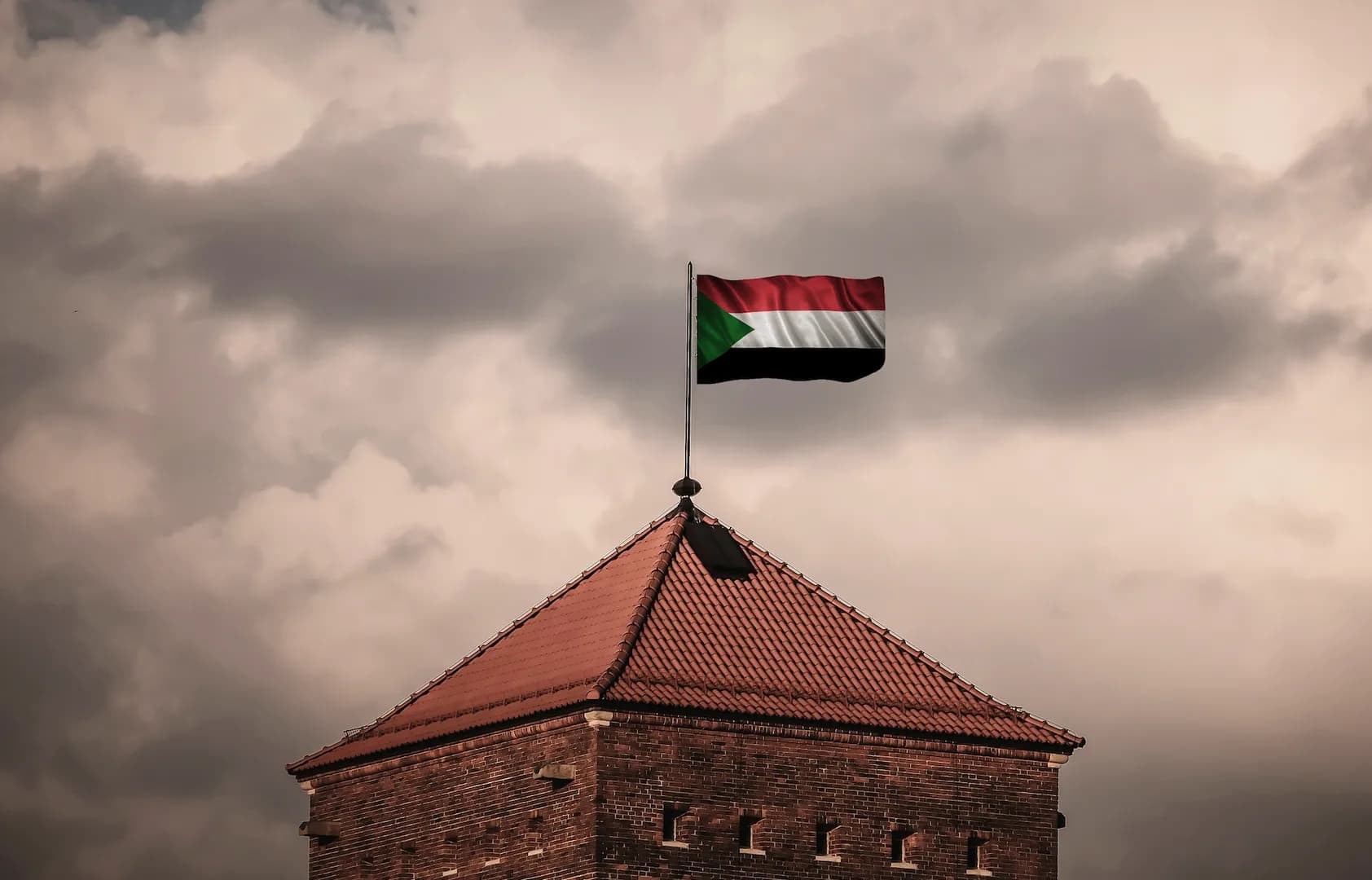
United Nations (UN) Secretary-General António Guterres has called on the Sudanese Armed Forces and the Rapid Support Forces (RSF) to immediately begin negotiations for a resolution to the conflict. Guterres expressed deep concern over the escalating military situation, particularly in the city of El Fasher in North Darfur, demanding an immediate halt to the hostilities.
The Secretary-General noted that hundreds of thousands of civilians besieged by the RSF have been dying daily from hunger, disease, and violence for over 18 months, describing the situation as a risk of a "major humanitarian catastrophe." Guterres condemned indiscriminate attacks on civilians, ethnically motivated violence, and grave violations of international humanitarian law.
Guterres emphasized the need to lift the siege immediately, ensure the unhindered flow of humanitarian aid, and stop the influx of external weapons and foreign fighters into the region. The UN has called on the international community to support negotiation efforts and strengthen aid delivery.
The U.S. State Department has appointed seasoned diplomat Steven Fagin as the civilian head of the Gaza Agreement Implementation Center, established to oversee the ceasefire’s execution and humanitarian coordination in Gaza. Fagin, fluent in Arabic, Kurdish, and Russian, brings over 25 years of experience from key diplomatic posts in Iraq, Yemen, and Central Asia. The center, located near Kiryat Gat and led militarily by Lt. Gen. Patrick Frank, hosts around 200 U.S. soldiers specializing in logistics and reconstruction. Secretary of State Marco Rubio announced the appointment during his visit to the center, reaffirming Washington’s commitment to Gaza’s stability and recovery.
U.S. President Donald Trump brokered a historic peace accord between Thailand and Cambodia, aiming to end decades of deadly border disputes and open a new phase of regional cooperation.
EUReflect attended the commemoration of the 69th anniversary of the 1956 Hungarian Revolution at the Embassy of Hungary in Brussels, hosted by Ambassador Tamás Iván Kovács. The event brought together diplomats, officials, and cultural representatives, including ambassadors from Kazakhstan, Kyrgyzstan, Türkiye, Moldova, and Malaysia, as well as Belgium’s Deputy Prime Minister Jan Jambon and Birgit Stevens from the Foreign Ministry.
Belgium defended its position at a summit of European Union leaders, preventing a breakthrough on a new Commission plan to lend 140 billion euros to Ukraine using the frozen assets of the Russian central bank noted yahoonews.
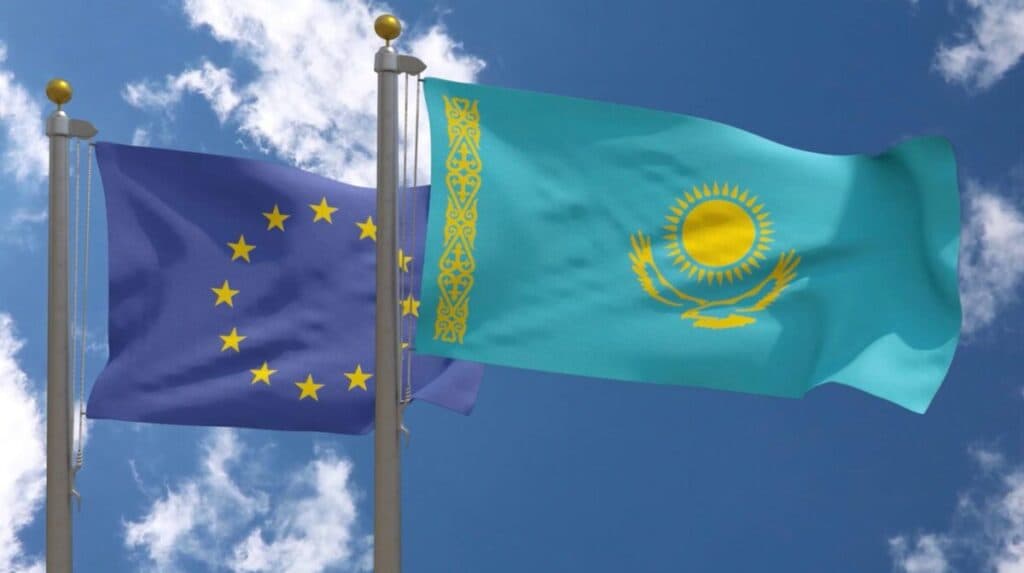
While Kazakhstan celebrates its National Day on 25 October, this year also marks the 10th anniversary of the signing of the Enhanced Partnership and Cooperation Agreement (EPCA) between Kazakhstan and the European Union, which was concluded in December 2015.