Politics · International Relations
India’s Diplomatic Traffic Signals a More Assertive Global Role
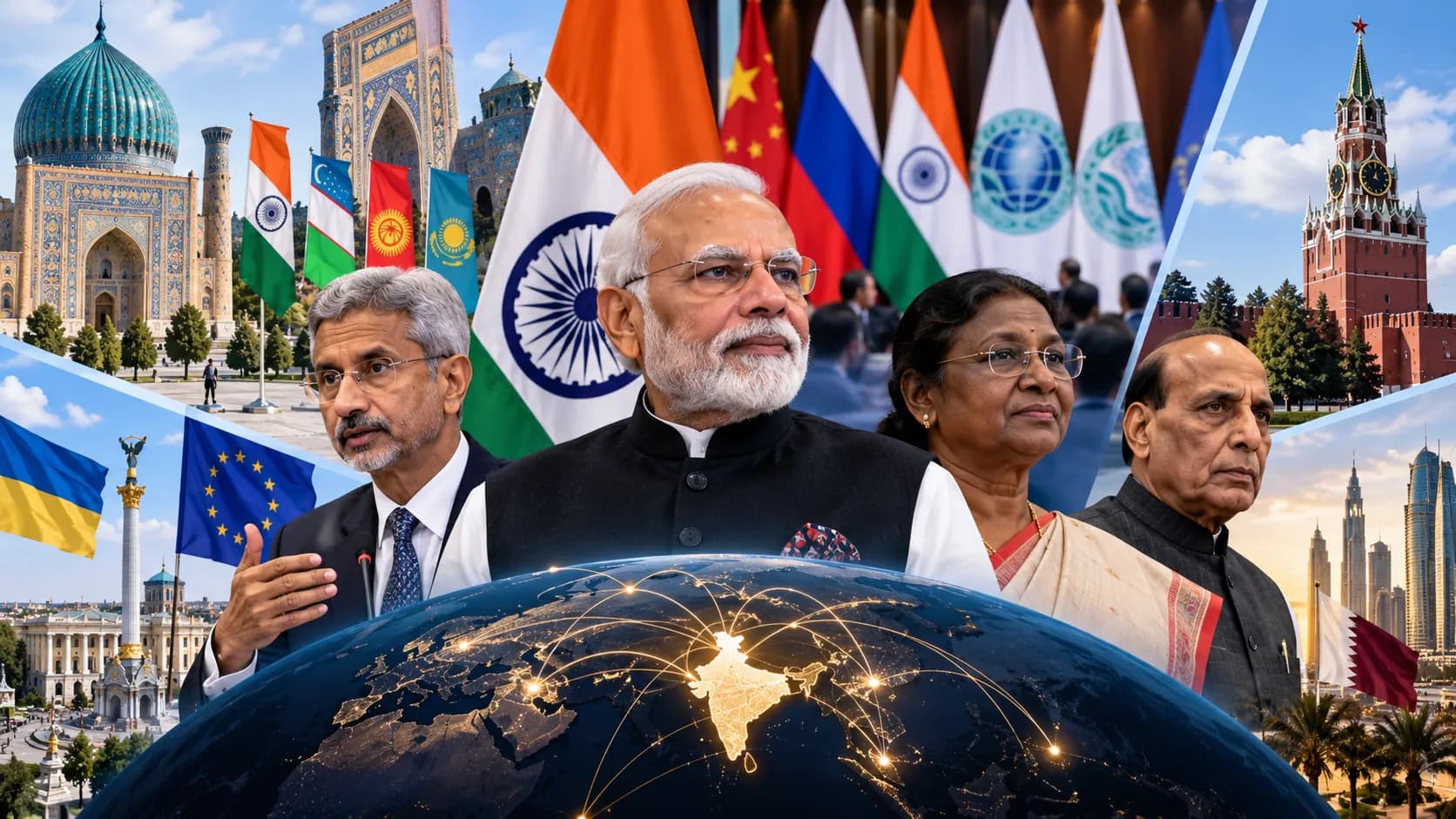
Despite Western pressure, India maintains its Russia partnership, using platforms like the SCO to engage multiple powers simultaneously.
Despite Western pressure, India maintains its Russia partnership, using platforms like the SCO to engage multiple powers simultaneously.
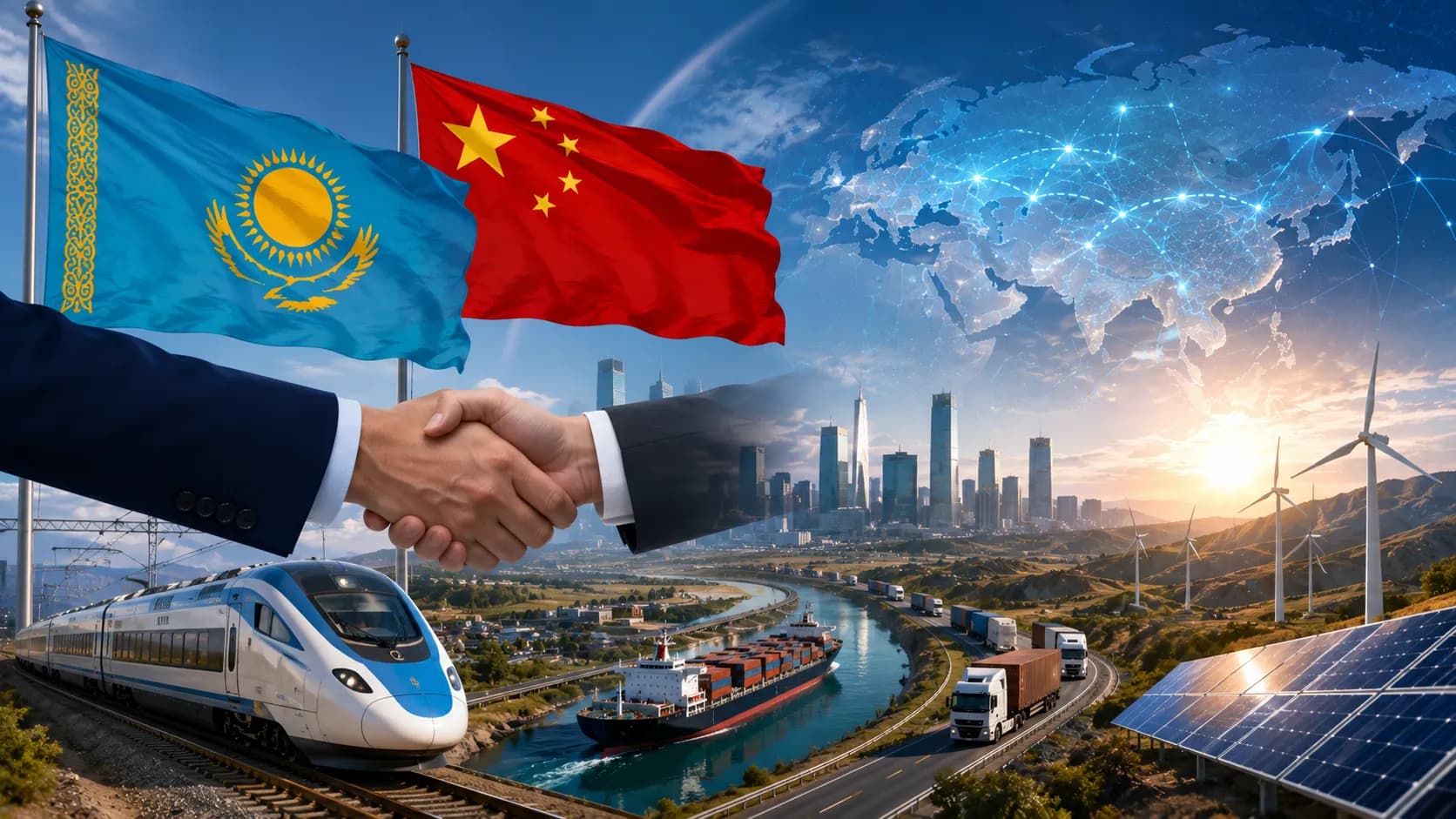
Kazakhstan's president frames ties with Beijing as part of a broader push for Eurasian connectivity and multilateralism, highlighting the Middle Corridor's role in linking China with Europe.
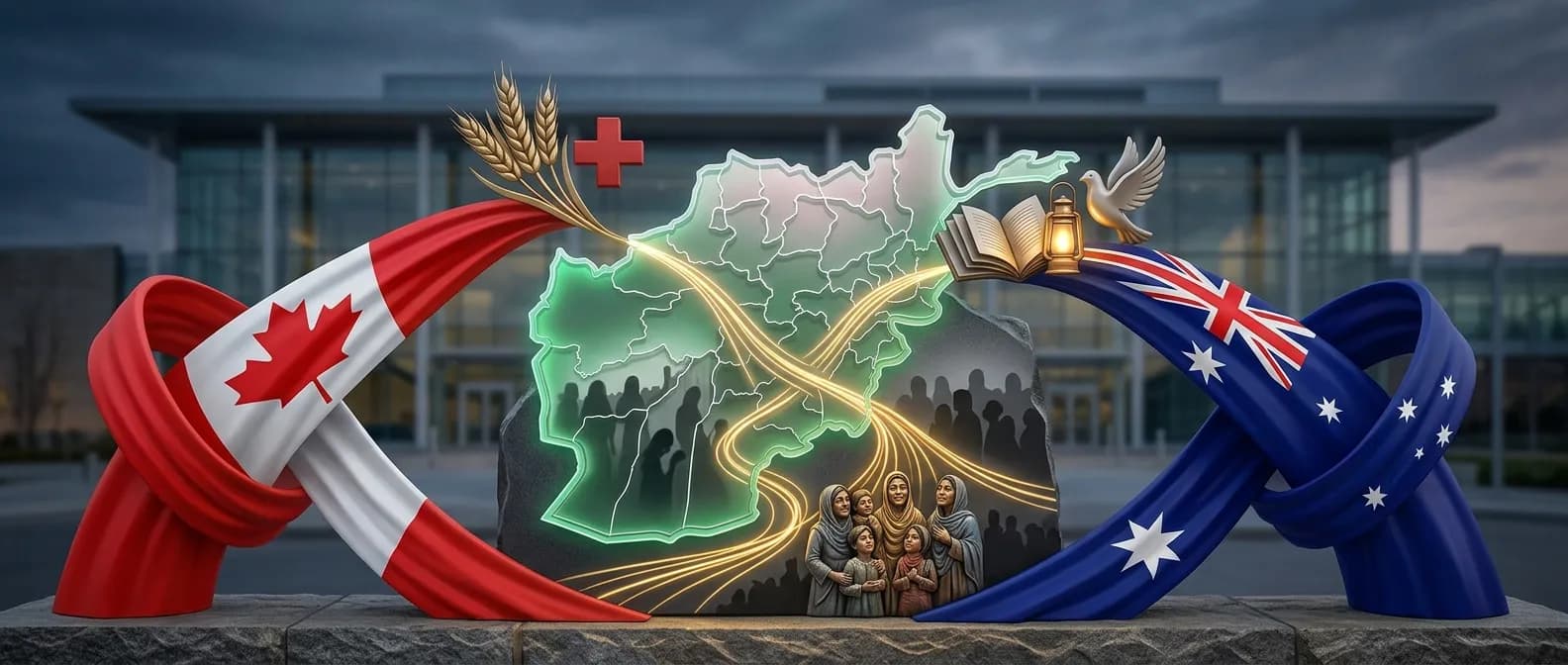
Canada and Australia have reaffirmed their strong support for the people of Afghanistan, five years after the Taliban takeover of Kabul, while condemning continued human rights violations and restrictions on fundamental freedoms.
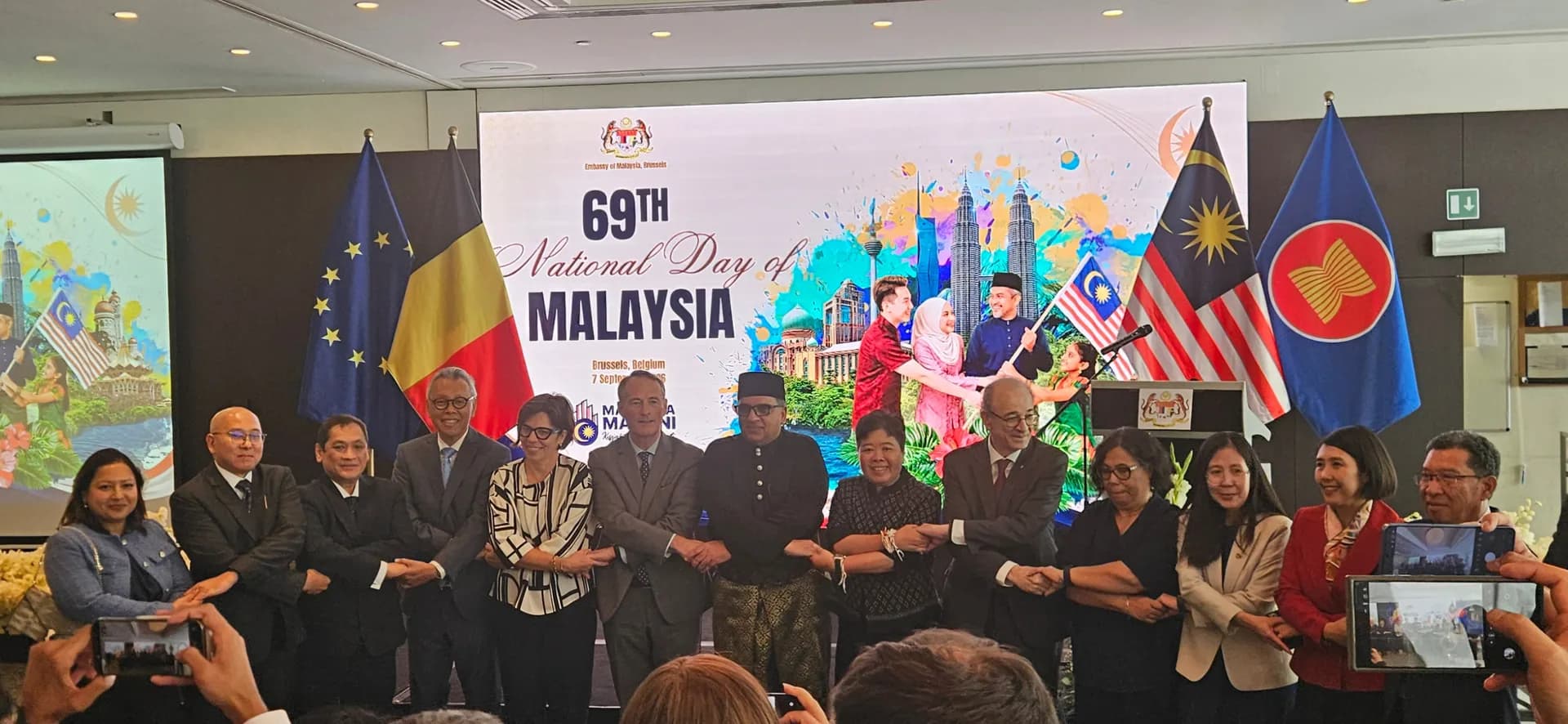
On 7 September 2026, the Embassy of Malaysia in Belgium hosted a diplomatic reception in the Grand Ballroom of The Hotel, Boulevard de Waterloo 38, 1000 Brussels, to mark the 69th anniversary of Malaysia’s independence. Far from being a mere ceremonial protocol, the event served as a strategic platform to present Kuala Lumpur’s political, economic, and diplomatic vision to its European partners. Before an audience of diplomats, Belgian authorities, and European institutional representatives, H.E. Dato’ Mohd Khalid Abbasi Abdul Razak delivered a speech that went well beyond commemoration to outline the contours of a confident and forward-looking Malaysian diplomacy.
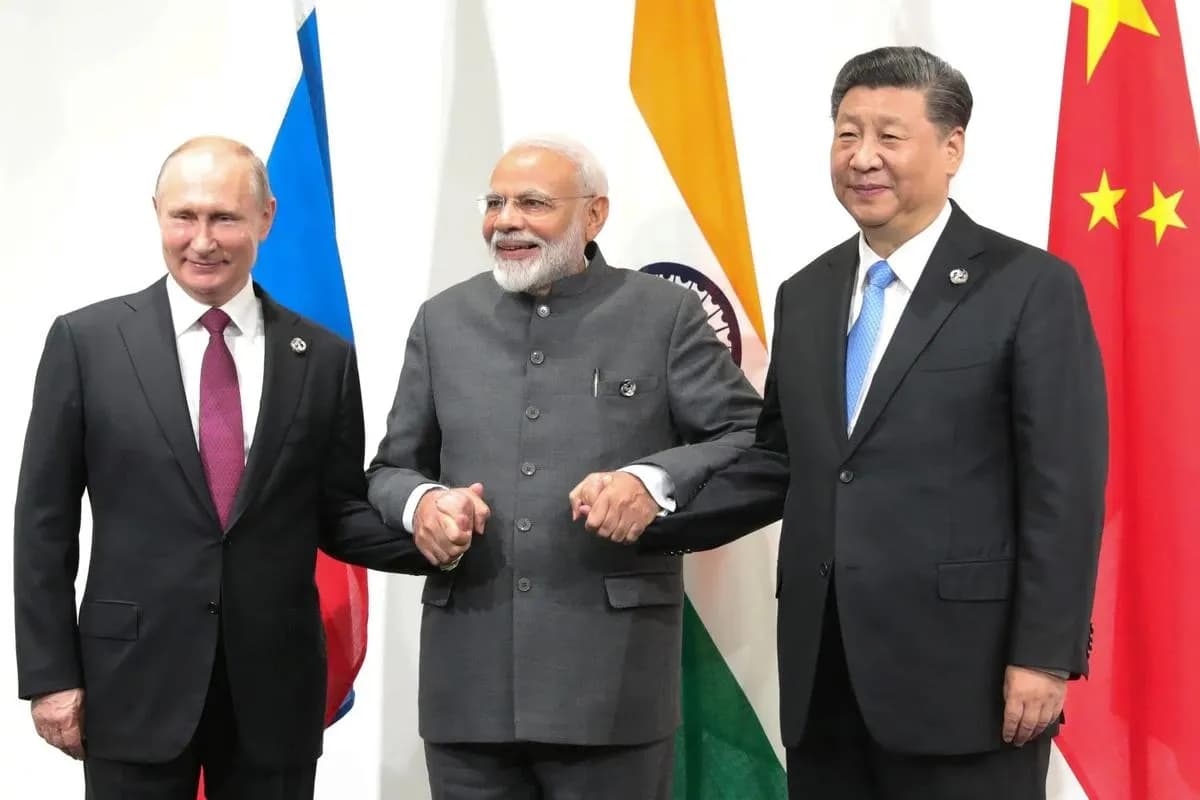
The SCO summit in Bishkek brings China, Russia and India together as major powers seek greater influence in an increasingly multipolar international system
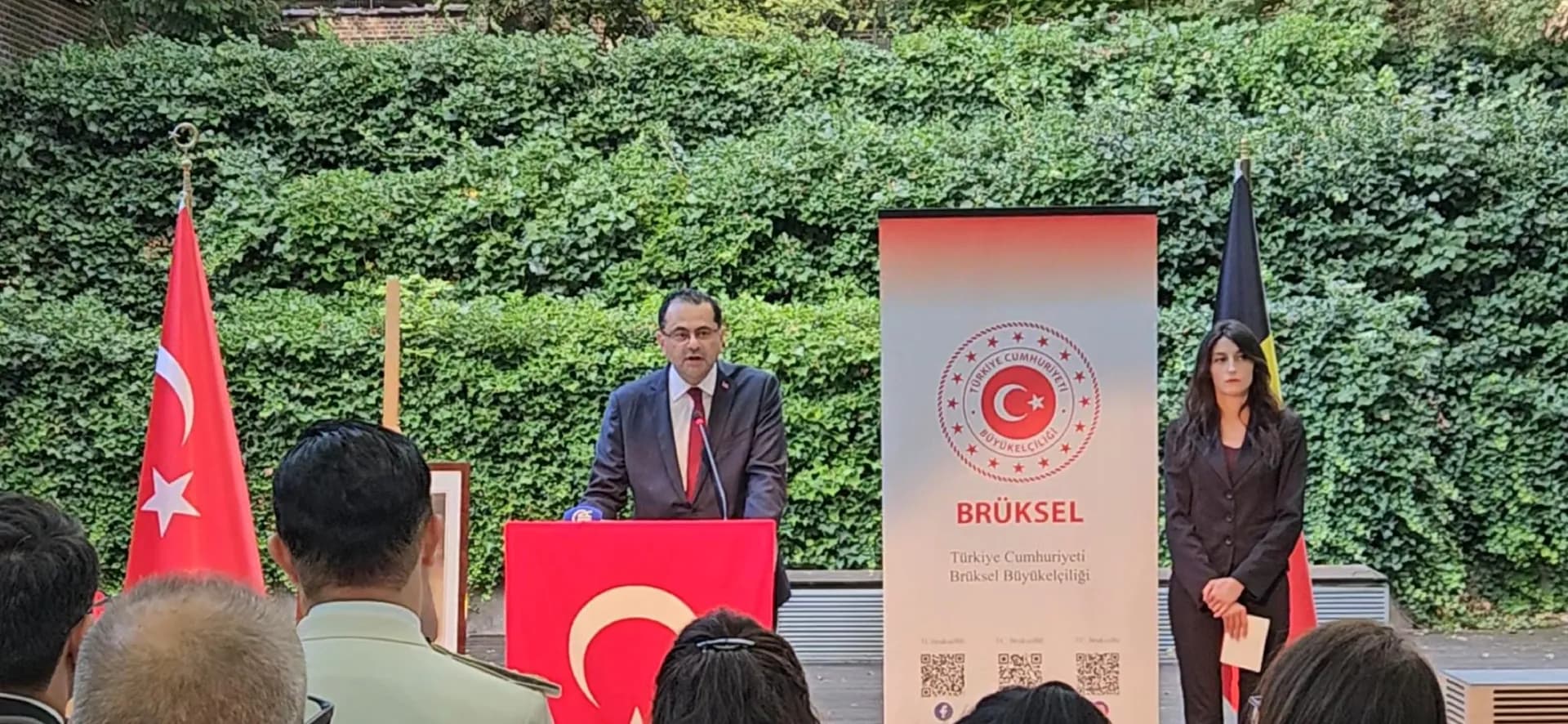
On the occasion of Victory Day, the Embassy of Türkiye in Brussels commemorated the historic 30 August 1922 victory.
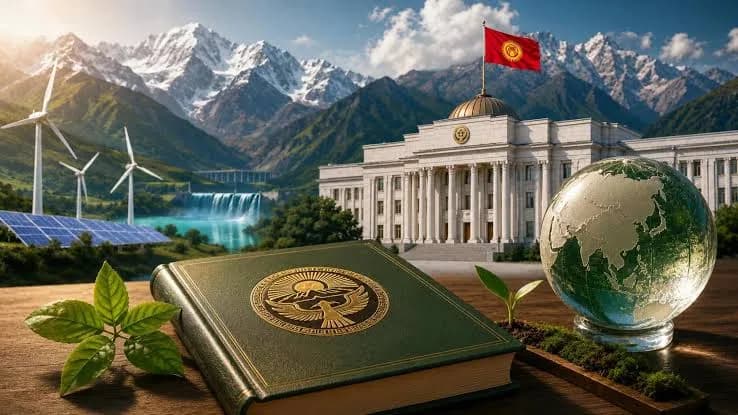
How a landlocked nation of mountains and nomads became one of Eurasia's busiest diplomatic crossroads
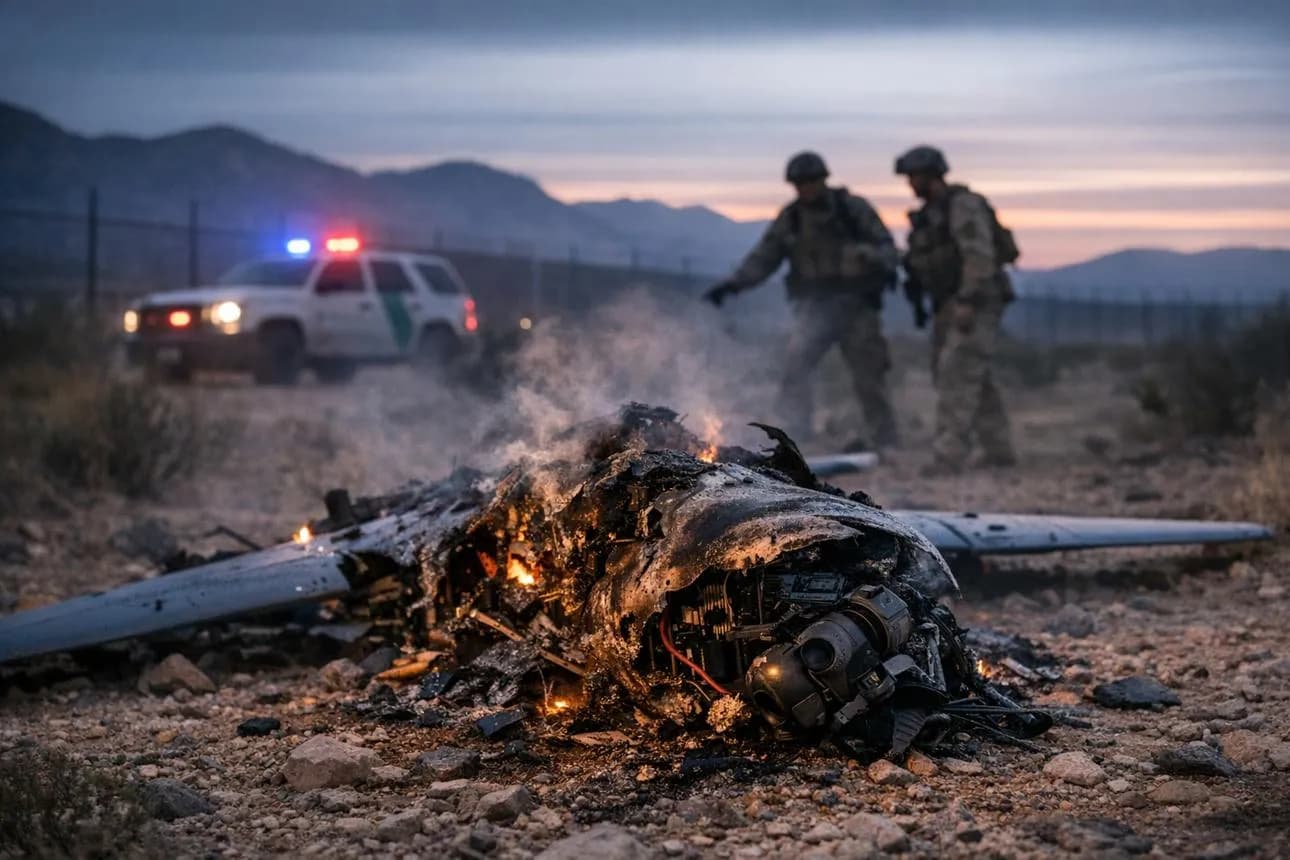
The US military has used a high-energy laser system to disable three cartel-linked drones near the US-Mexico border. The operation highlights Washington’s growing reliance on directed-energy technology to counter emerging threats along the southern border.
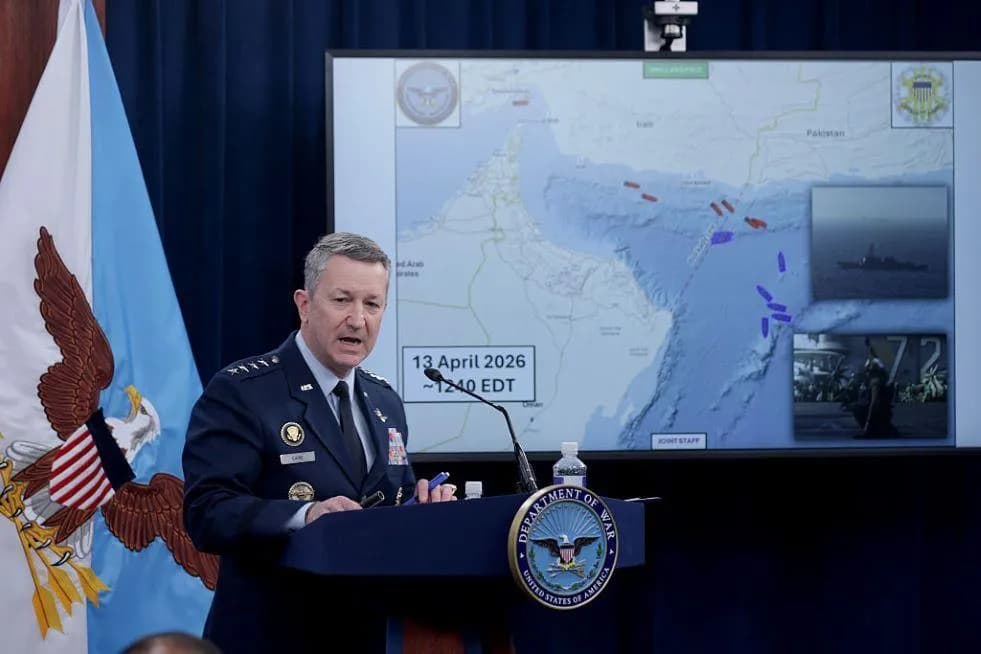
The United States and Iran have resumed direct military exchanges after a month-long lull, with US forces striking Iranian launchers near the Strait of Hormuz and Tehran retaliating with missile attacks on US bases in Jordan. The escalation has raised fresh concerns over regional security and the safety of one of the world’s most important energy routes.
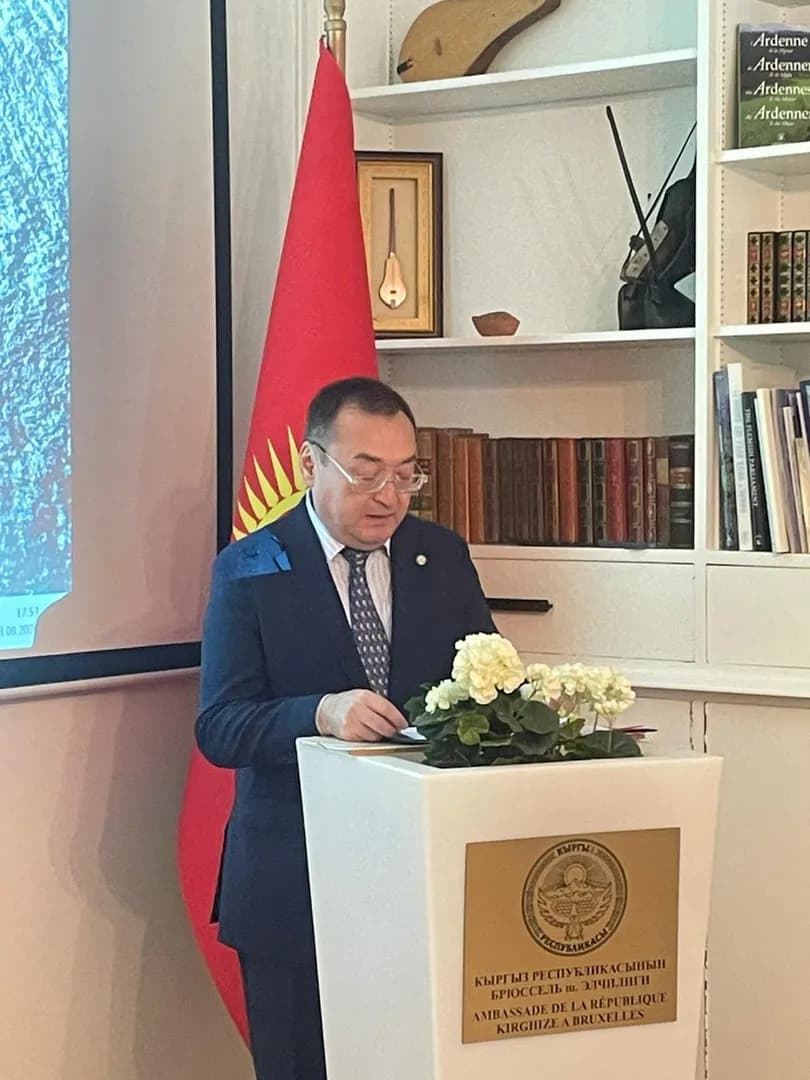
Independence and Inheritance: Kyrgyzstan Celebrates 35 Years of Sovereignty in Brussels
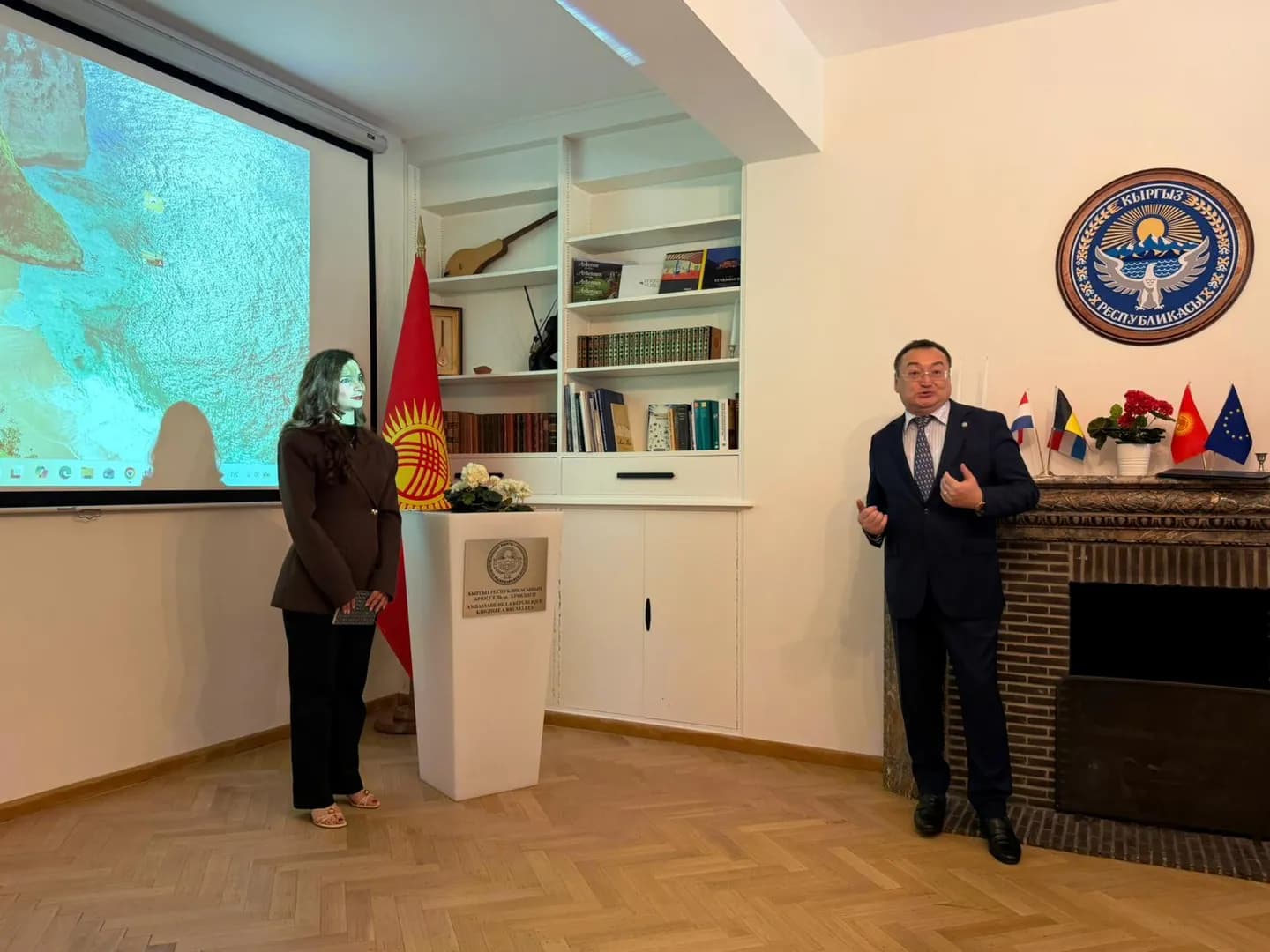
At the 35th anniversary of Kyrgyzstan’s independence, the official address in Brussels framed sovereignty as a strategic project linking domestic judicial reform, digital modernisation and the China–Kyrgyzstan–Uzbekistan railway to deeper partnership with the European Union.
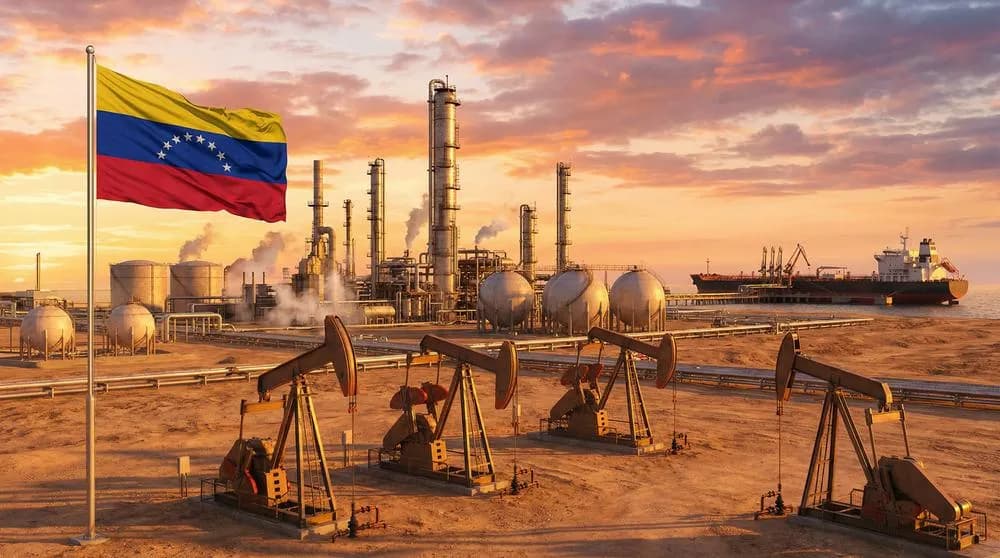
The United States and Venezuela have announced a landmark agreement that would give Washington control over more than 65 billion barrels of Venezuela’s proven oil reserves. The deal is expected to attract more than $100 billion in private investment and generate over $209 billion in tax revenues for Venezuela, although key details about its implementation remain unclear.
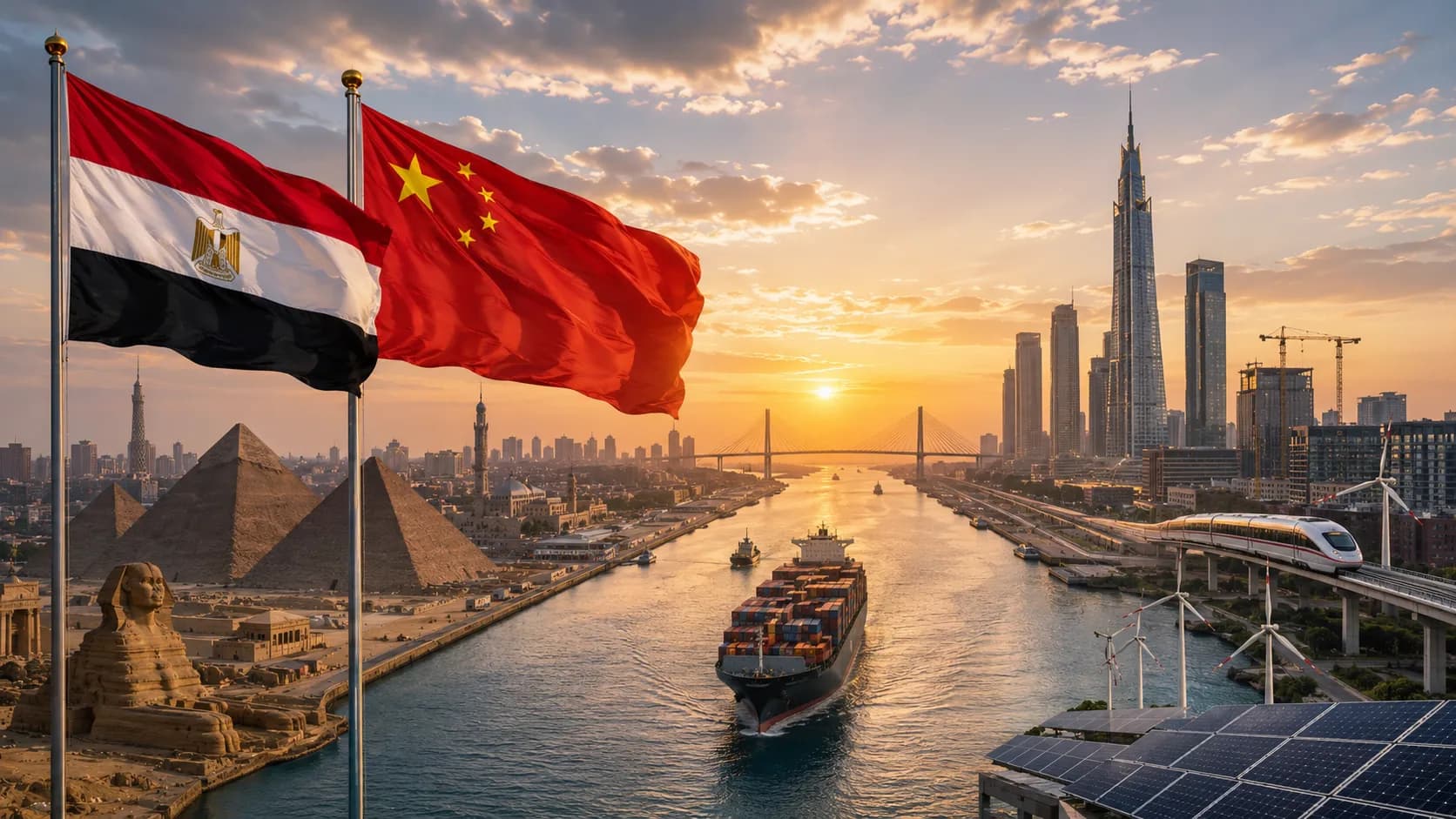
Xi's first Egypt visit since 2016 comes as bilateral trade tops $19 billion, but Cairo seeks to address a structural imbalance by attracting Chinese factories to the Suez Canal zone.
The EU-Mercosur trade deal, now provisionally in force, gives South American nations a third major economic partner beyond China and the US.

New rules allow larger equity investments and add defence-related activities to the EIC's remit, signalling a shift toward project-based support.
Brussels keeps €93bn in retaliatory tariffs suspended but ready, as it seeks to balance trade ties with strategic autonomy.
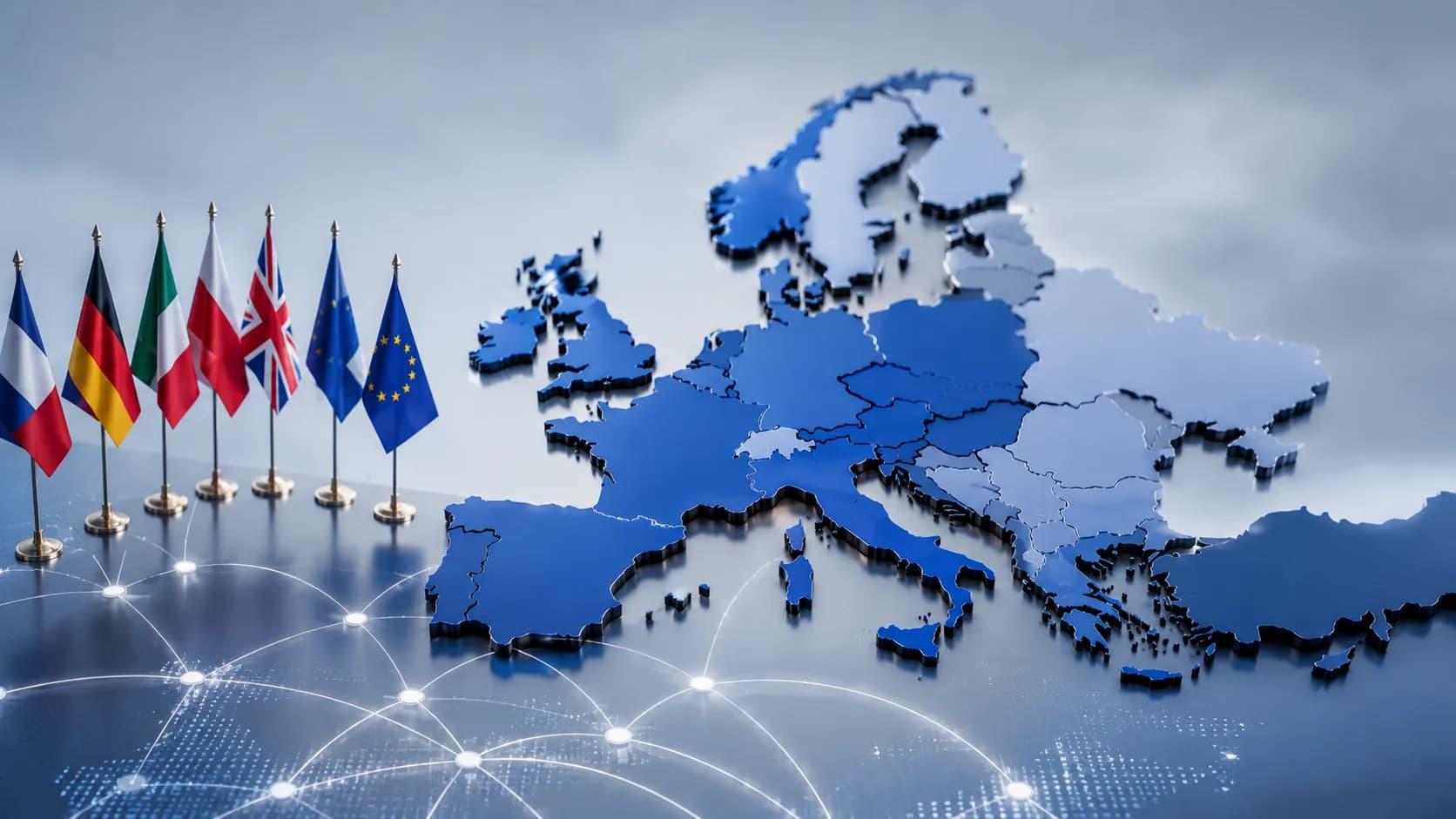
The E5 format, which includes the UK despite its EU exit, could form the nucleus of a new strategic bloc, with members focusing on defence production and military mobility.
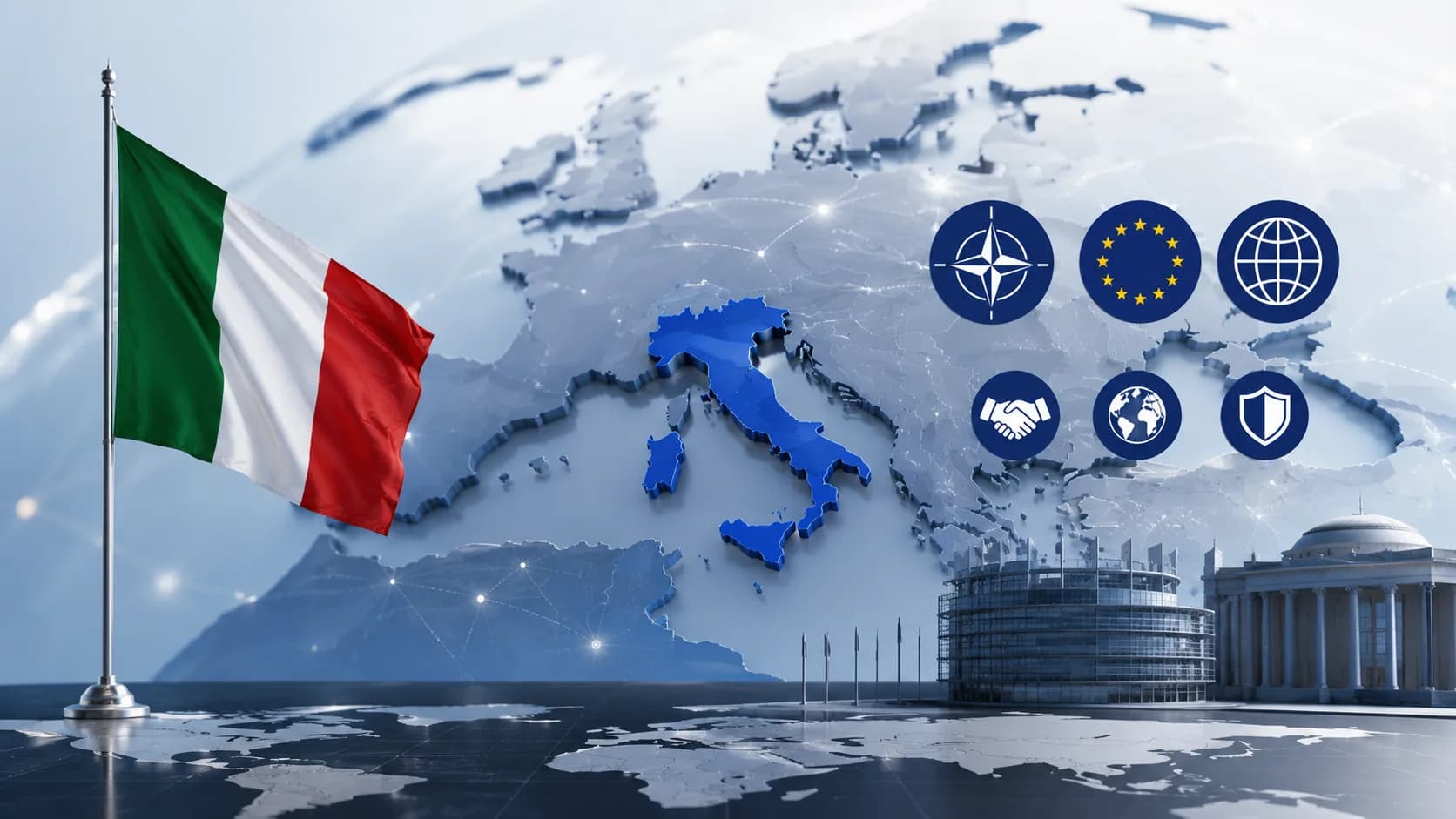
Meloni's government has moderated its Euroscepticism, seeking to influence EU policy from within, notably on migration, rather than confronting Brussels.
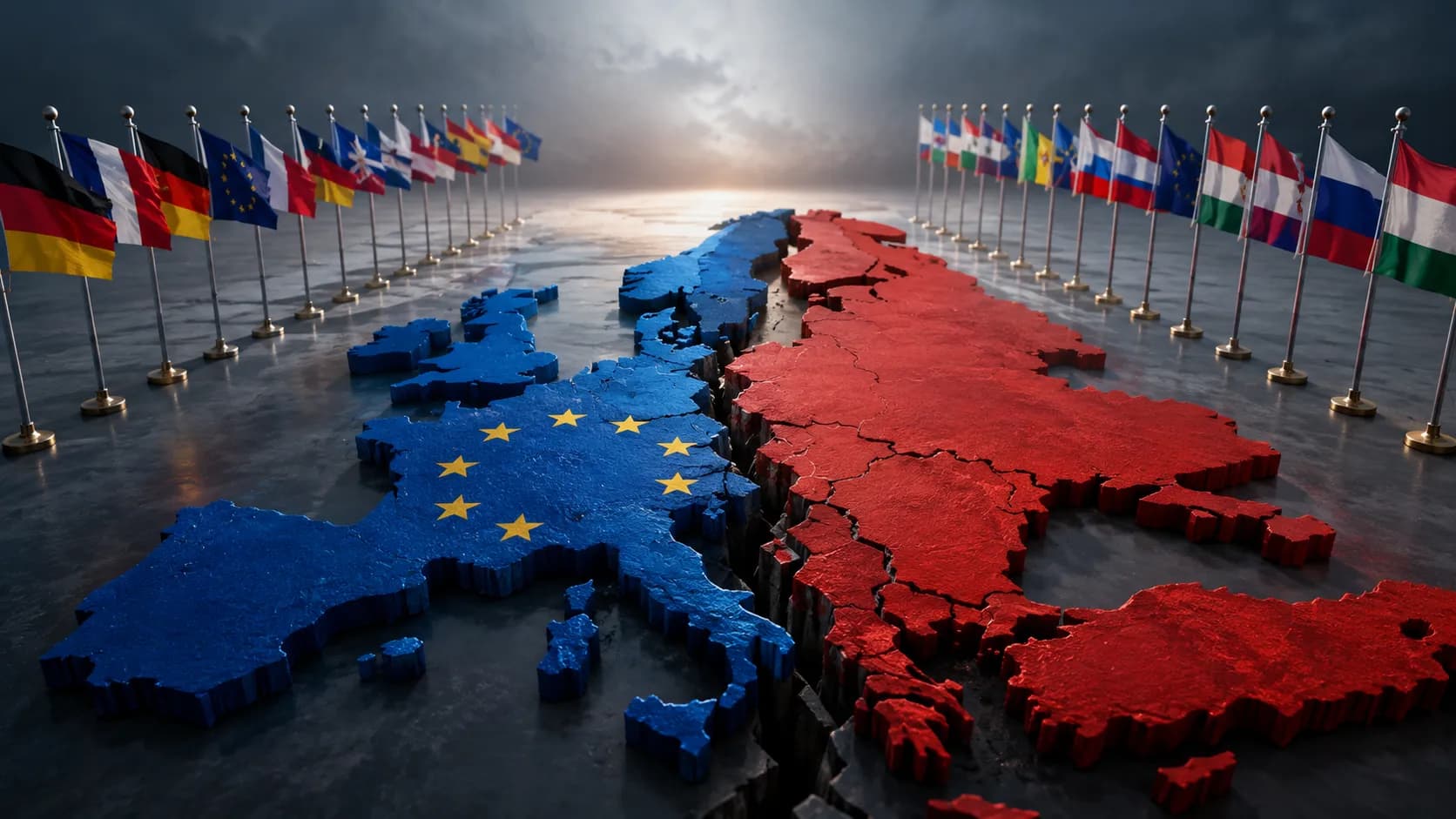
Defence spending across the EU is set to hit €454bn in 2026, with 23 member states already meeting the 2% GDP threshold, but priorities diverge sharply.
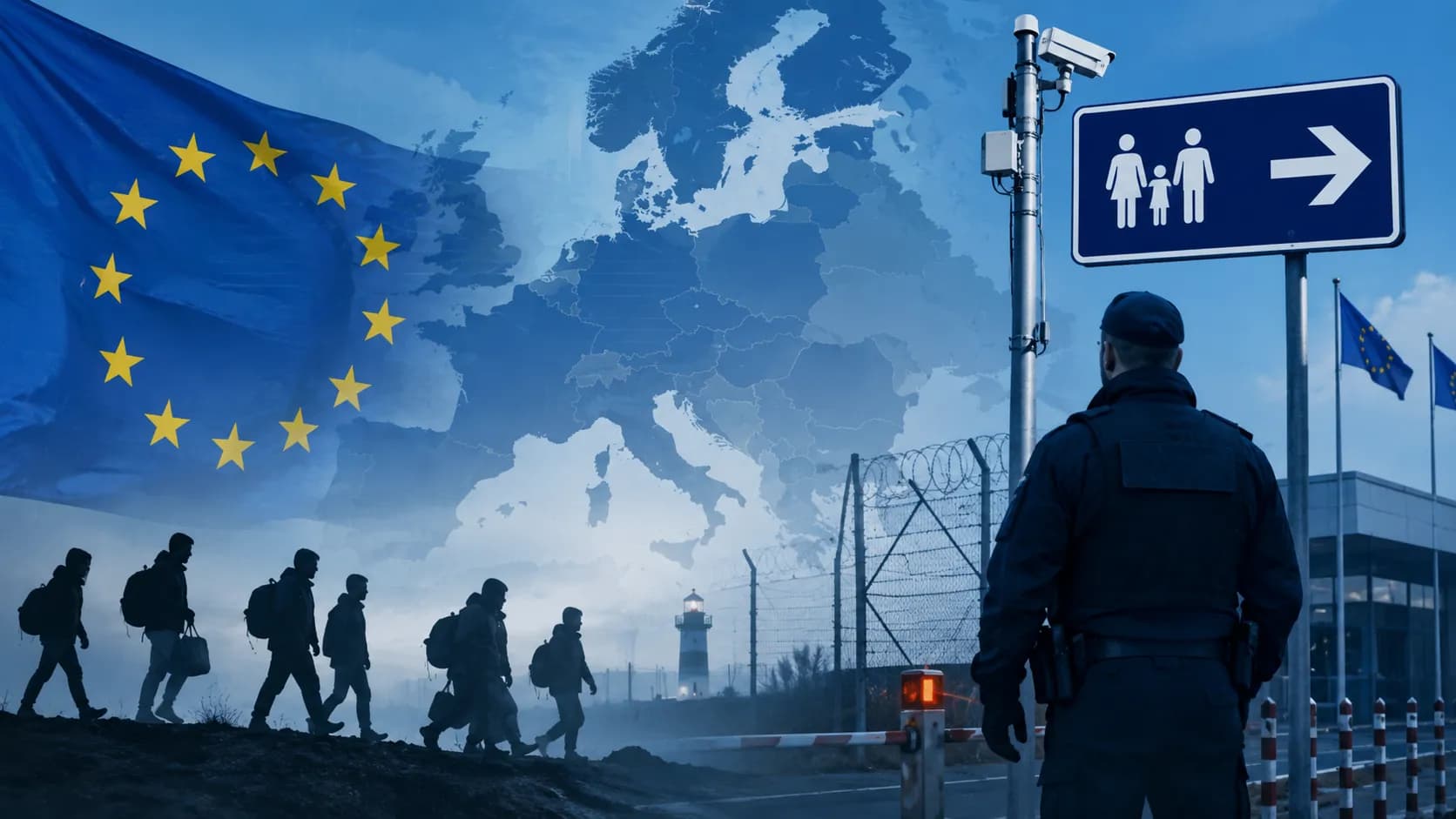
Irregular border crossings into the EU fell by 37% in the first seven months of 2026 compared with the same period last year, according to preliminary Frontex data.
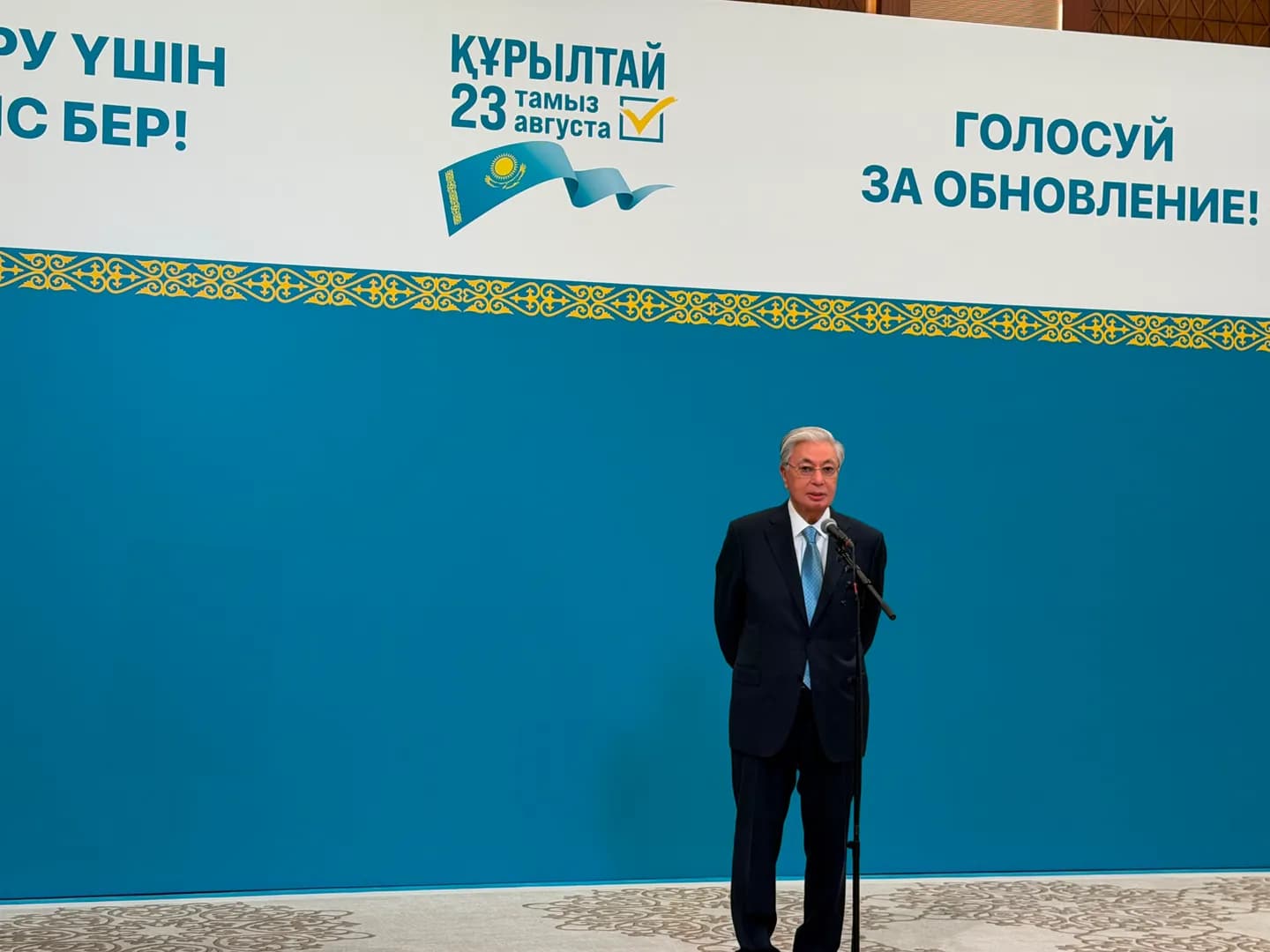
Kazakhstan’s Central Election Commission (CEC) has officially registered 145 deputies of the Qurultay, the country’s new unicameral parliament, with their parliamentary mandates taking effect, today, on August 27.
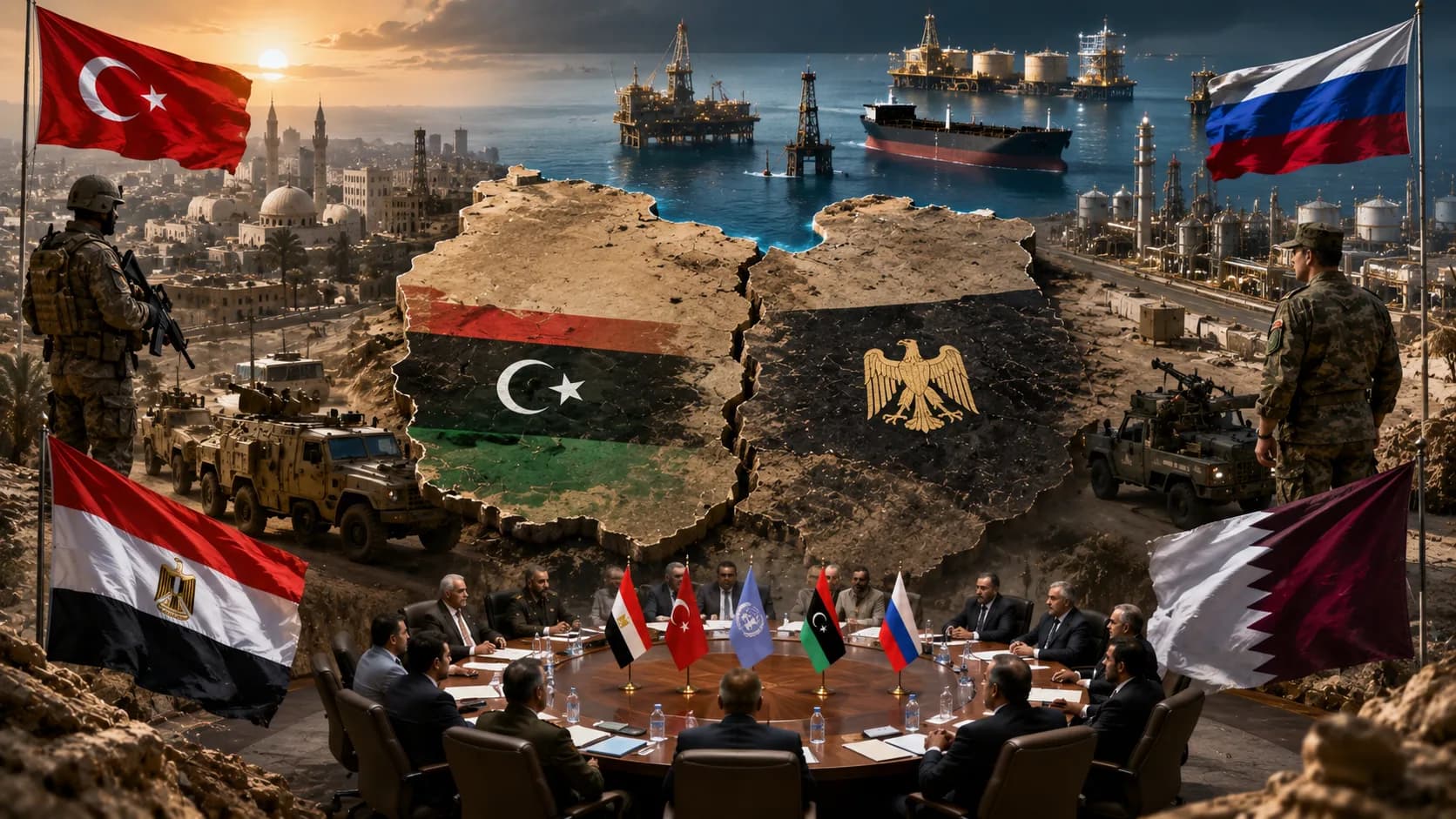
Ankara's new 'One Libya' policy includes direct talks with Haftar's camp, while Cairo reopens channels with Tripoli, signaling a shift from proxy rivalry to pragmatic engagement.
Yabloko's exclusion from the ballot highlights how the war has narrowed legal opposition, leaving only Kremlin-approved parties in the vote.