India’s Changing Strategic Concept
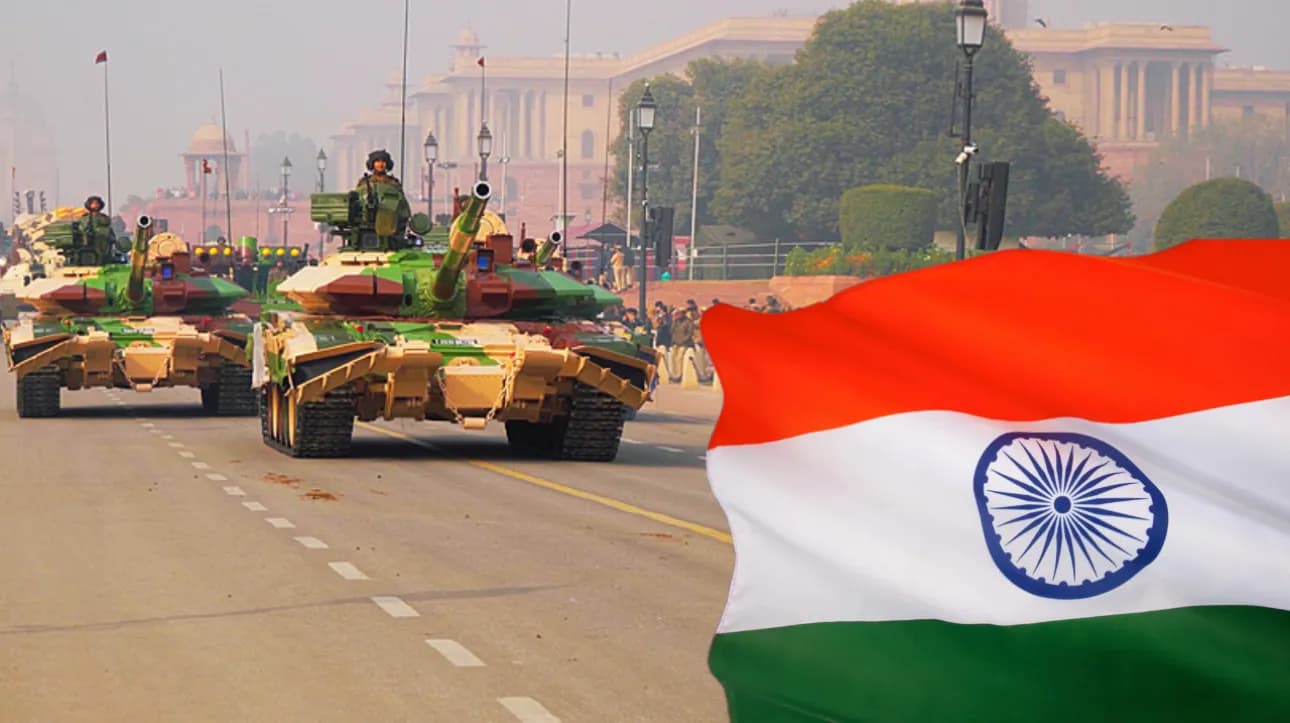
India’s Strategic Forces Command (SFC), established on January 4, 2003, plays a pivotal role in managing the nation’s nuclear arsenal under the National Command Authority (NCA). While its creation marked a significant stride in India’s defense architecture, the evolution of the SFC over the past 22 years has introduced critical strategic risks and far-reaching implications for regional and global security.
Strategic Risks and Implications
The SFC’s enhanced operational readiness, designed to fortify India’s nuclear deterrence, inherently increases the risk of accidental or unauthorized launches. A key concern arises from the maintenance of high-alert levels for portions of India’s nuclear arsenal, particularly systems targeting Pakistan. These weapons can be launched within seconds or minutes in a crisis scenario, which, although bolstering deterrence, also heightens the chance of miscalculations or technical malfunctions leading to unintended escalation.
This vulnerability was starkly highlighted in 2022 when a BrahMos missile was accidentally launched, underscoring the potential dangers tied to high-alert nuclear postures. The rapid response capabilities that the SFC champions can inadvertently compromise safety protocols, increasing the probability of human error or system failures under stressful conditions.
Impact of No First Use Policy
India’s declared No First Use (NFU) policy further complicates this strategic equation. High readiness levels conflict with the essence of NFU, as quick-launch postures could unintentionally signal aggressive intent during crises. In a region fraught with historical tensions and frequent military stand-offs, such signaling could provoke adversaries to adopt similarly aggressive stances, escalating conflicts unnecessarily.
Moreover, the blurred lines between conventional and nuclear platforms—such as dual-capable aircraft like Su-30 MKIs modified for nuclear-capable BrahMos missiles—add layers of ambiguity. Adversaries may misinterpret the deployment of dual-use systems during conventional conflicts, potentially triggering disproportionate retaliatory actions.
Challenges in Command and Control
The evolution of the SFC has raised questions regarding the robustness of India’s centralized command and control mechanisms. As operational readiness increases, so does the complexity of maintaining strict hierarchical oversight, especially during high-stress situations. This decentralization risk threatens the integrity of India’s strategic decision-making processes and could lead to conflicting orders or unauthorized use of nuclear assets during crises.
India’s nuclear-capable ballistic missile submarines (SSBNs), such as INS Arihant and INS Arighat, while enhancing second-strike capabilities, also present command and control challenges. The relative autonomy required for submerged operations may dilute centralized control, increasing the potential for miscommunication or unauthorized actions during rapid escalations.
Storage and Deployment Risks
The transition from liquid-fueled Prithvi-II missiles to solid-fueled, canister-stored systems capable of near-instant deployment has improved readiness but also introduced storage and handling risks. Facilities like INS Varsha, with underground tunnel complexes for warhead and missile storage, must maintain impeccable safety protocols to prevent accidents that could have catastrophic consequences.
Conclusion
While the SFC’s advancements have undeniably strengthened India’s nuclear deterrence, they carry inherent strategic risks. The dual-edged nature of high readiness—enhancing security while increasing the likelihood of accidental or unauthorized use—necessitates comprehensive risk mitigation strategies. Ensuring robust command and control systems, clear communication channels, and stringent safety protocols will be critical in balancing deterrence with stability. India’s ability to manage these dynamics will significantly influence not only regional security but also the broader global non-proliferation landscape.
Selman Altuntas
Contributing writer at EUReflect.
Follow EUReflect
See more of our reporting on Google
Mark EUReflect as a preferred source and our stories are ranked higher for you in Top Stories, Discover and Google News — and carry a “preferred” badge when they are cited in AI results.
Add EUReflect as a preferred source