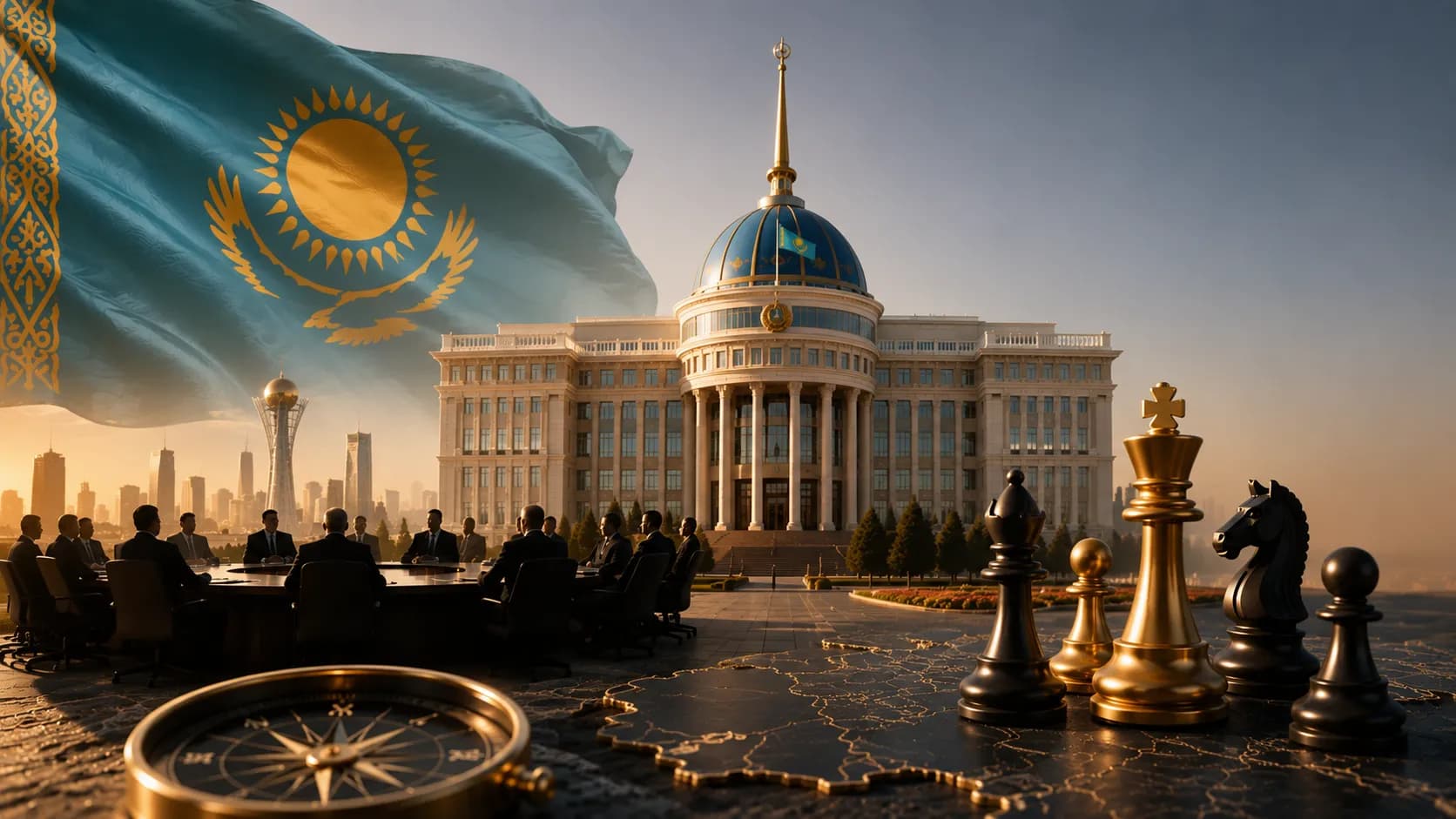
While the previous parliament passed over 300 laws in three years, the unicameral Kurultai is less about legislative efficiency and more about consolidating a new political hierarchy.
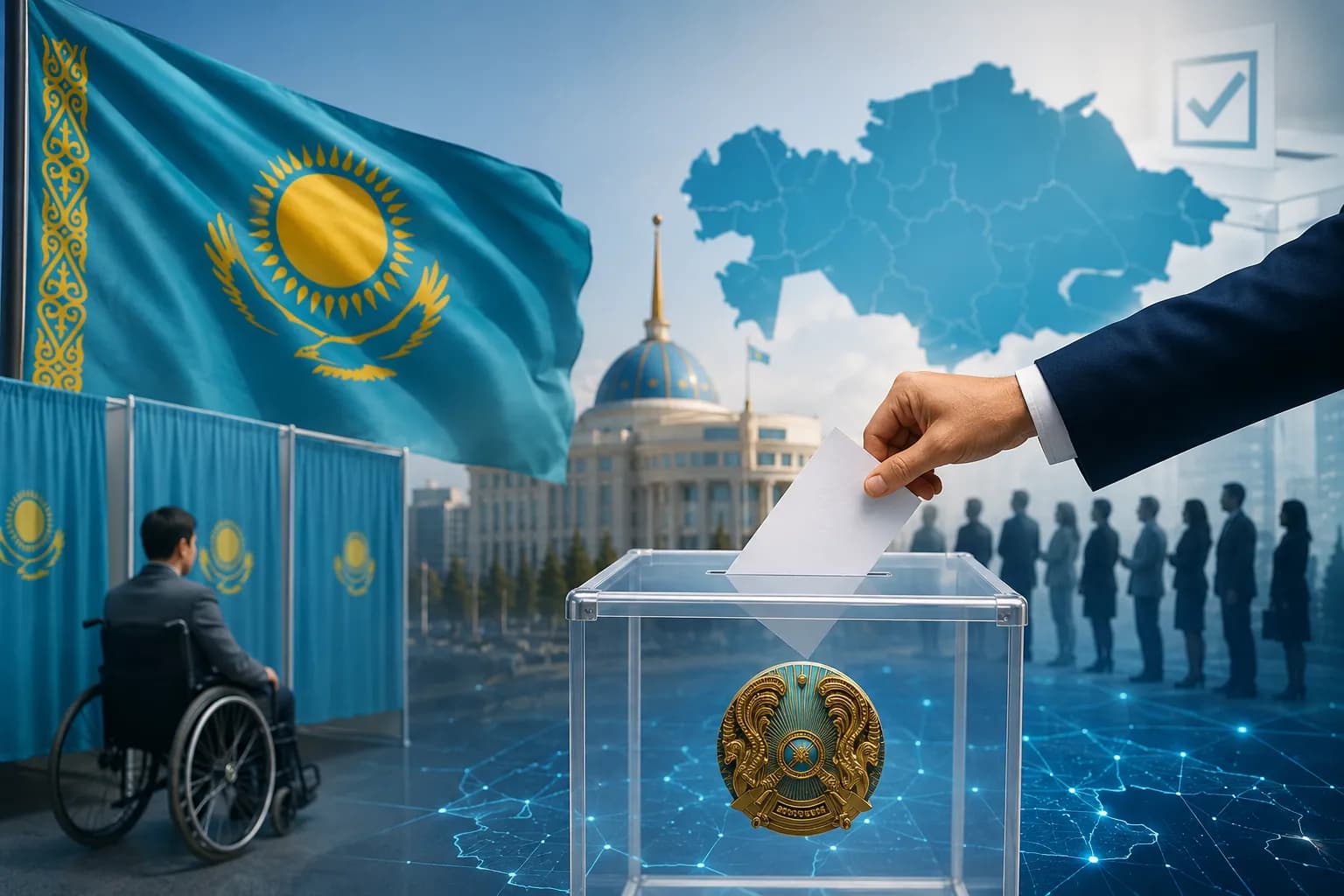
The August 23 vote marks the first parliamentary election under a new constitution, replacing the bicameral system with a single-chamber Kurultai, a change unseen since 1991.
Seven parties are contesting 145 seats in the new unicameral Kurultai, with 545 candidates on party lists and women, youth, and disabled persons making up 43.9% of candidates.
Written by journalist Danylo Aleksandrov.
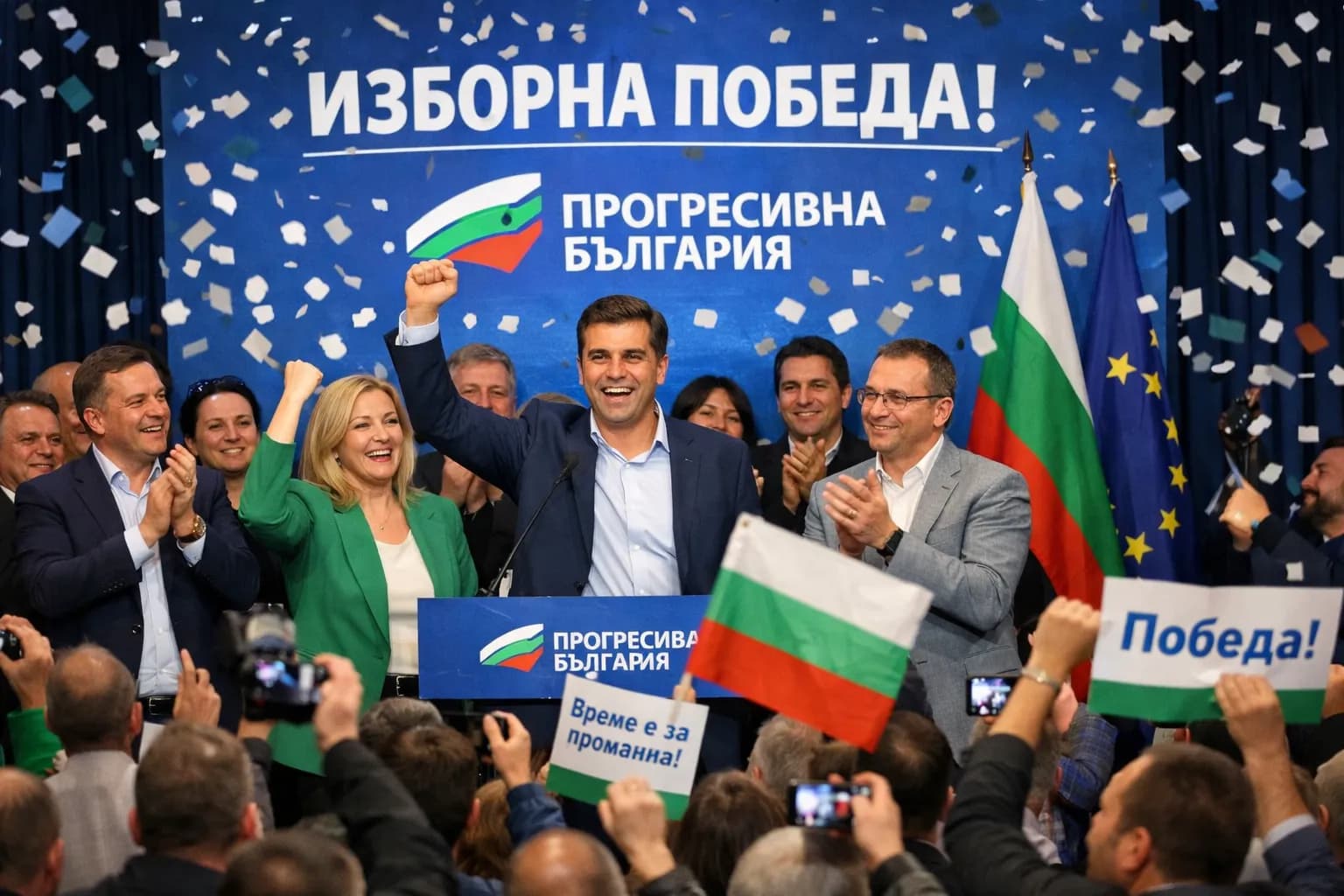
BBC reports, that Sunday’s elections in Bulgaria were won by Progressive Bulgaria party, led by Rumen Radev.
It is reported, that Progressive Bulgaria party has won enough seats in the parliament (135 out of the 240) to gain a majority. This reflects popularity of Radev and his party, which rose after the the previous government tried to adopt a controversial budget in December. This caused protests, which were supported by Radev, who was the country’s president then. The current elections became 8th in 5 years.
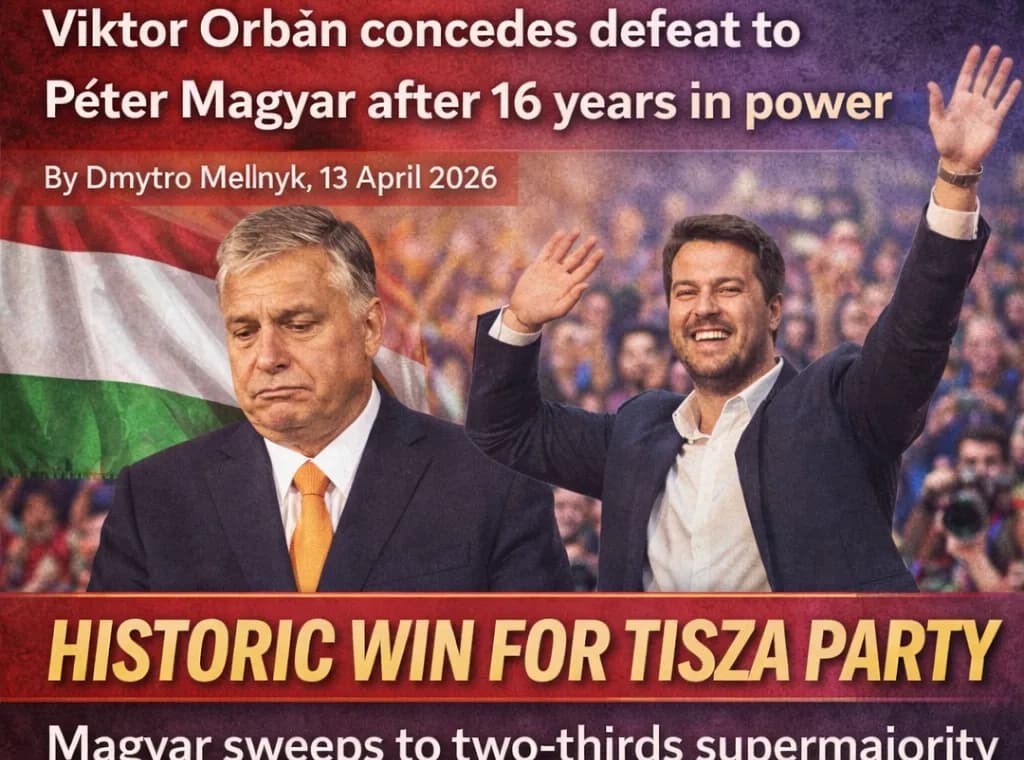
By Dmytro Melnyk, 13 April 2026
Viktor Orbán concedes defeat to Péter Magyar after 16 years in power.
Yesterday, April 12, Hungary’s election ended with Viktor Orbán conceding defeat to
Péter Magyar and his Tisza Party, marking a historic political shift. His defeat propels
Magyar and Tisza into power with a two-thirds supermajority, accordin
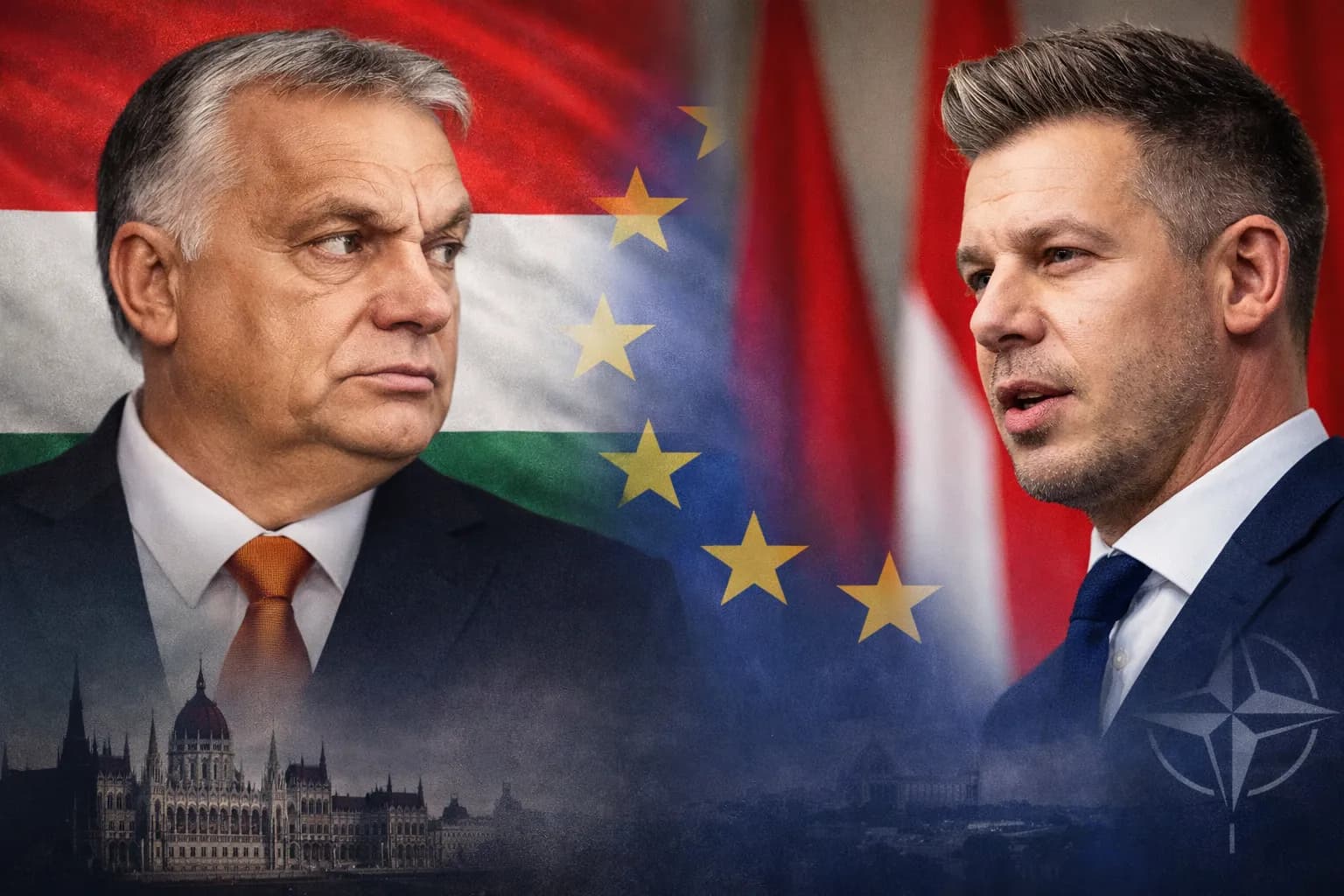
Viktor Orbán faces Péter Magyar in a pivotal election that will determine whether Hungary continues its illiberal path or shifts toward pro-EU reforms, with major implications for the EU, NATO, and regional democracy.
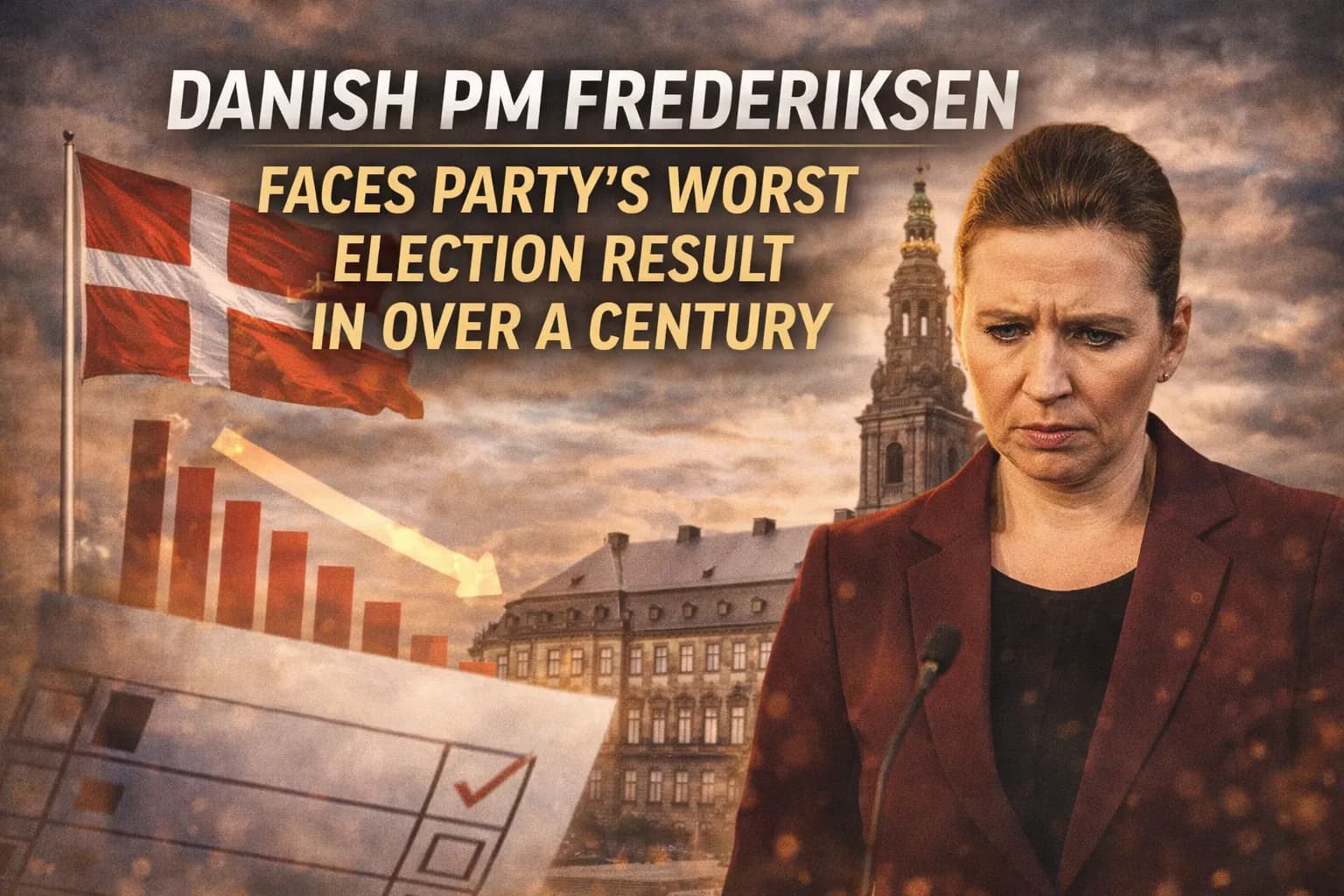
In the recent general election in Denmark, held on Tuesday, the Social Democrats—led by Prime Minister Mette Frederiksen—recorded one of their weakest performances in more than a century, according to reports.
Written be Correspondent Danylo Aleksandrov
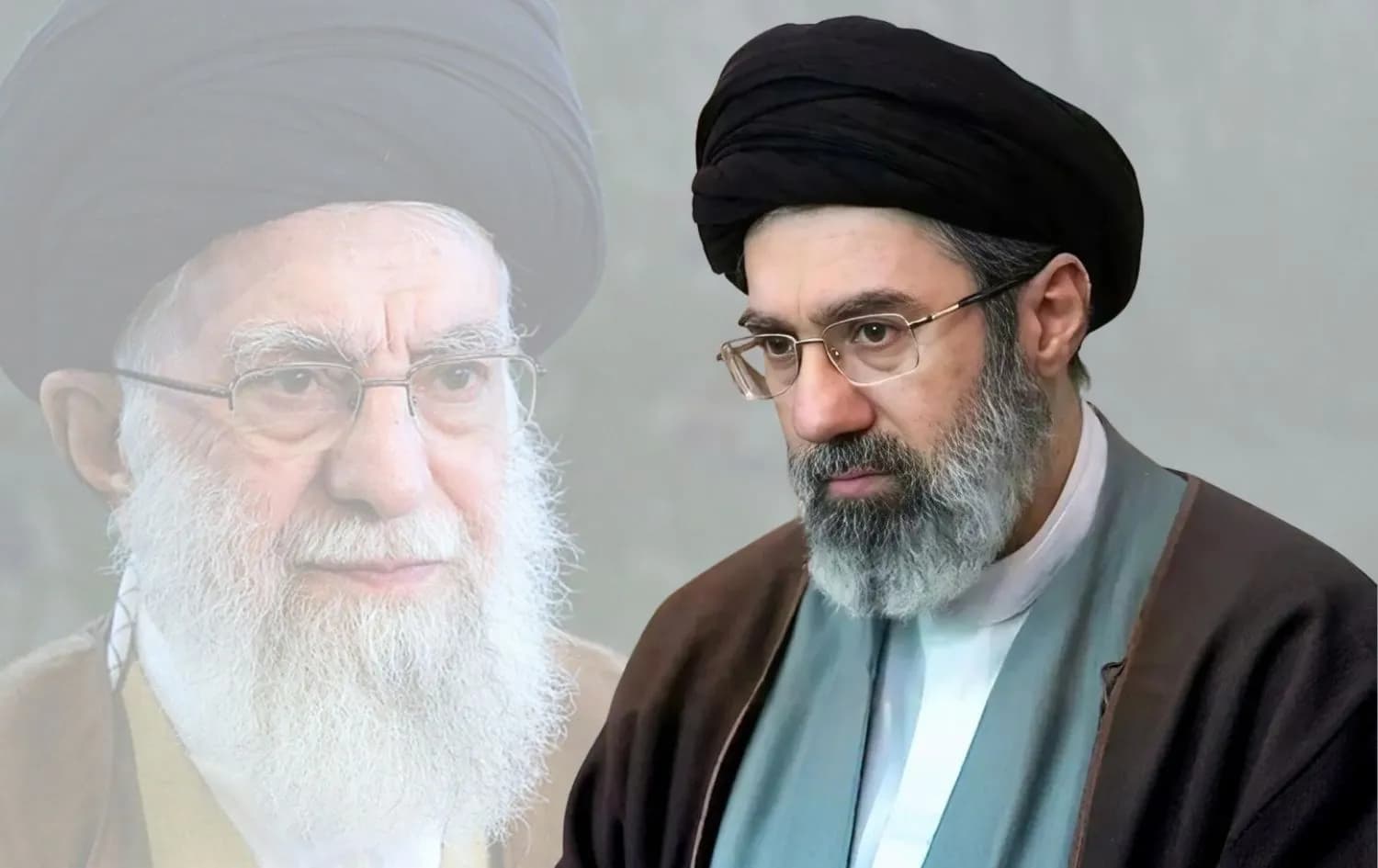
Mojtaba Khamenei, son of the late Supreme Leader, has been appointed Iran’s new Supreme Leader following US-Israel attacks. His rise consolidates hardline influence, links to the IRGC, and economic networks, signaling potential continuity of authoritarian policies and limited reformist leverage.
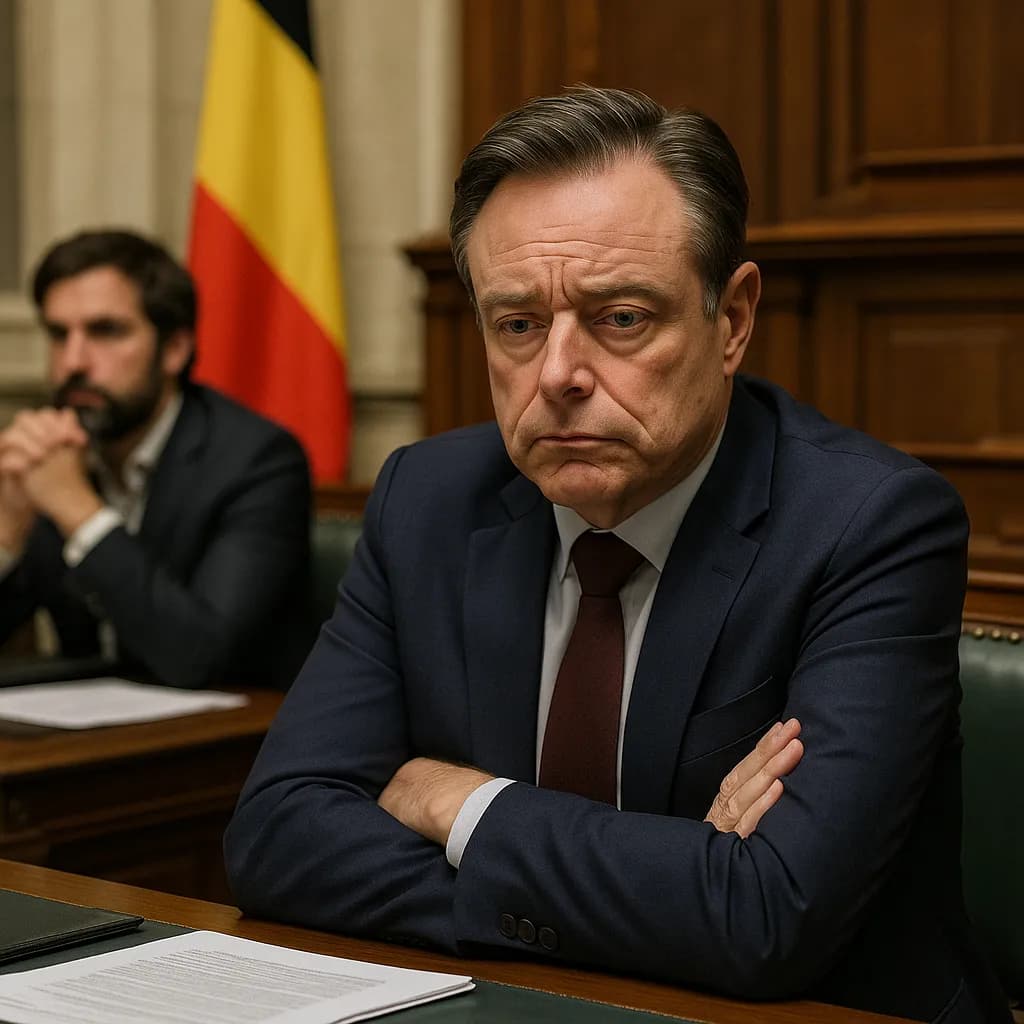
The decision by Soulaimane El Mokadem, a former PTB deputy in Brussels, to join the Socialist Party (PS) goes far beyond a simple party switch. It is a politically revealing event, sitting at the crossroads of three deep-seated crises
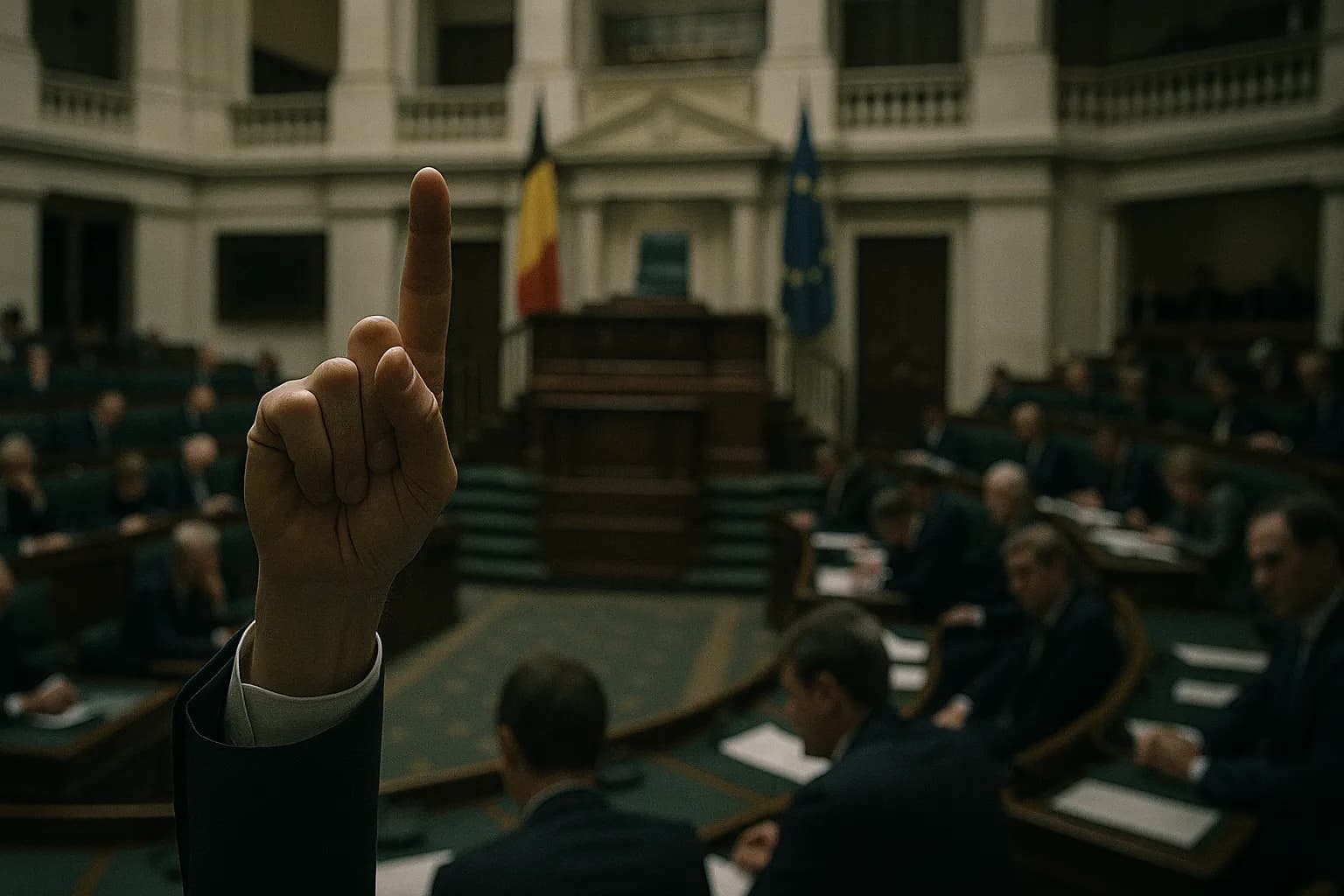
But who really benefits from this last-minute budget deal supposedly designed to save the government from collapse or from decisions taken at the very last minute without real reflection?
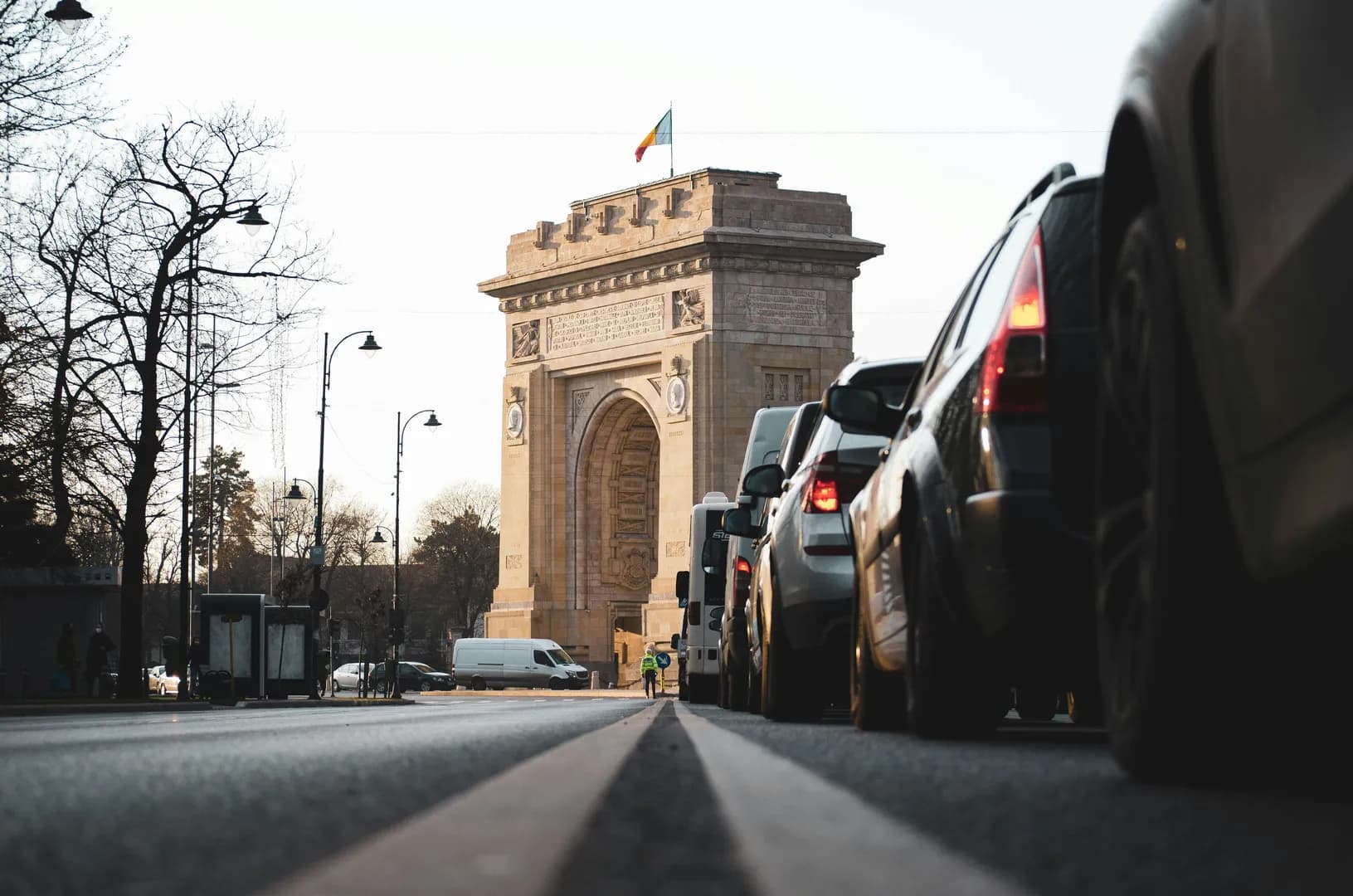
After months of institutional uncertainty, Bucharest heads into a high-stakes mayoral race that will determine the direction of Romania’s most important city. With major challenges in mobility, pollution, governance, and political fragmentation, the outcome will shape both national politics and the capital’s emerging role as a regional hub.
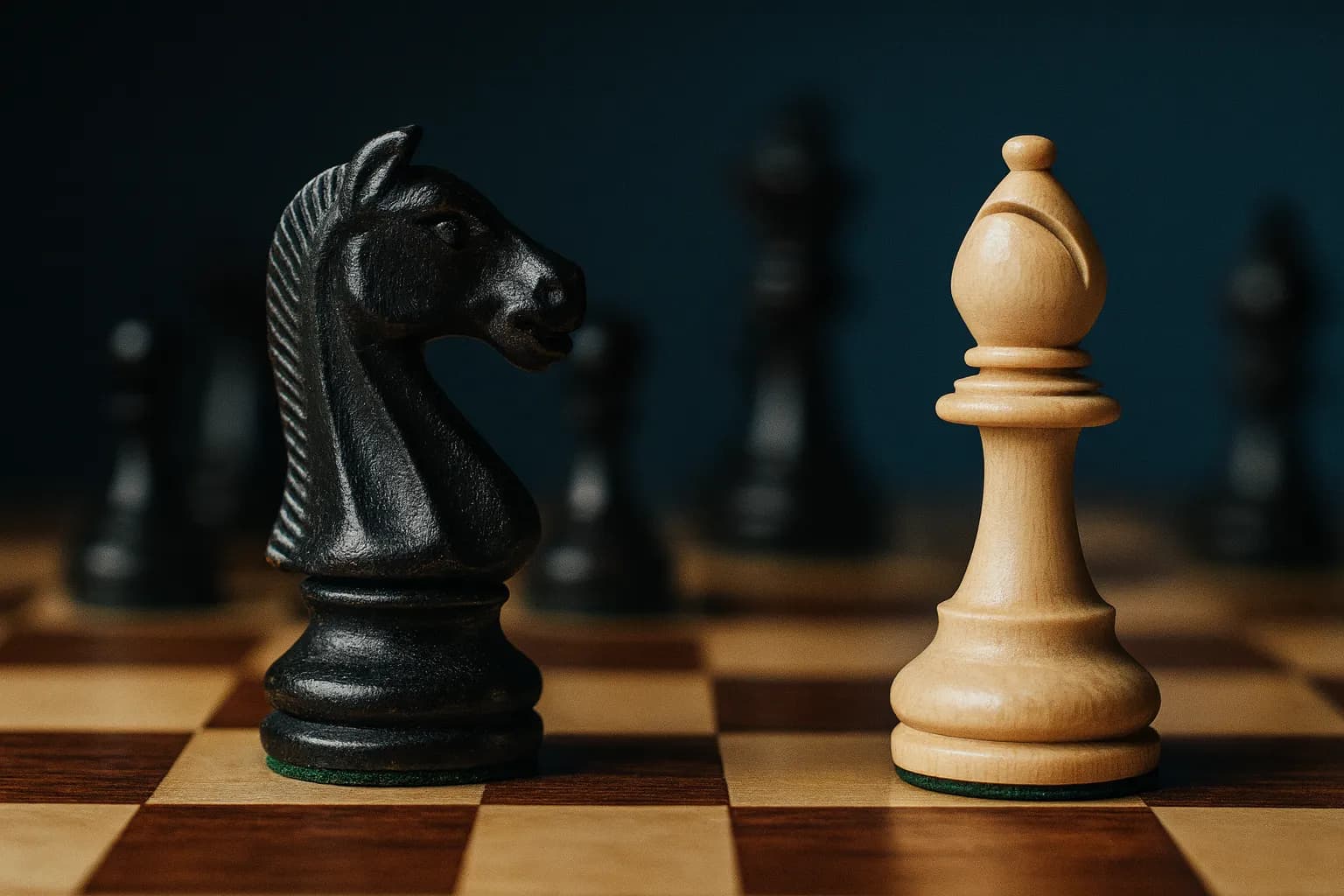
Georges-Louis Bouchez has presented a new internal organizational chart for the MR. Officially, it is a reorganization. Unofficially, it is a tactical manoeuvre on the liberal chessboard, where the president advances his pieces without truly altering the party’s dynamics.
At only 34 years old, Zohran Mamdani has been elected mayor of the American metropolis, becoming the first Muslim mayor in the city’s history and one of the youngest to occupy the office in more than a century.
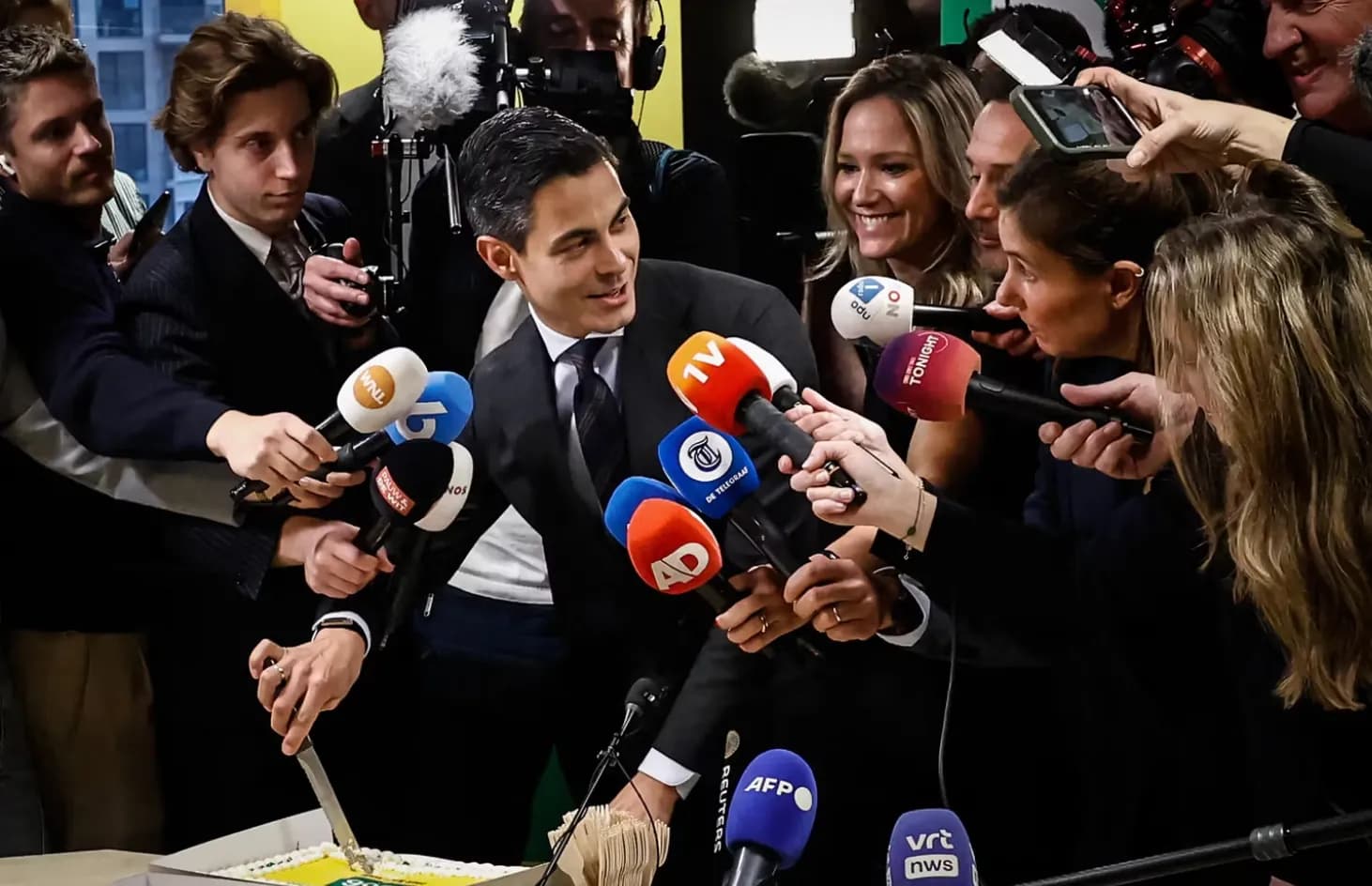
Dutch centrist leader Rob Jetten and his party D66 claimed victory in a tight election, positioning him to become the youngest prime minister in the Netherlands. The result marks a shift away from the far-right dominance of recent years, as Geert Wilders’ PVV lost ground to smaller parties. Despite D66’s win, analysts warn that forming a coalition will be difficult in the country’s increasingly fragmented political landscape. Jetten called for cooperation on key issues such as economy, migration, climate change, and housing, while experts stress that the far right remains influential and public trust in politics is still very low.
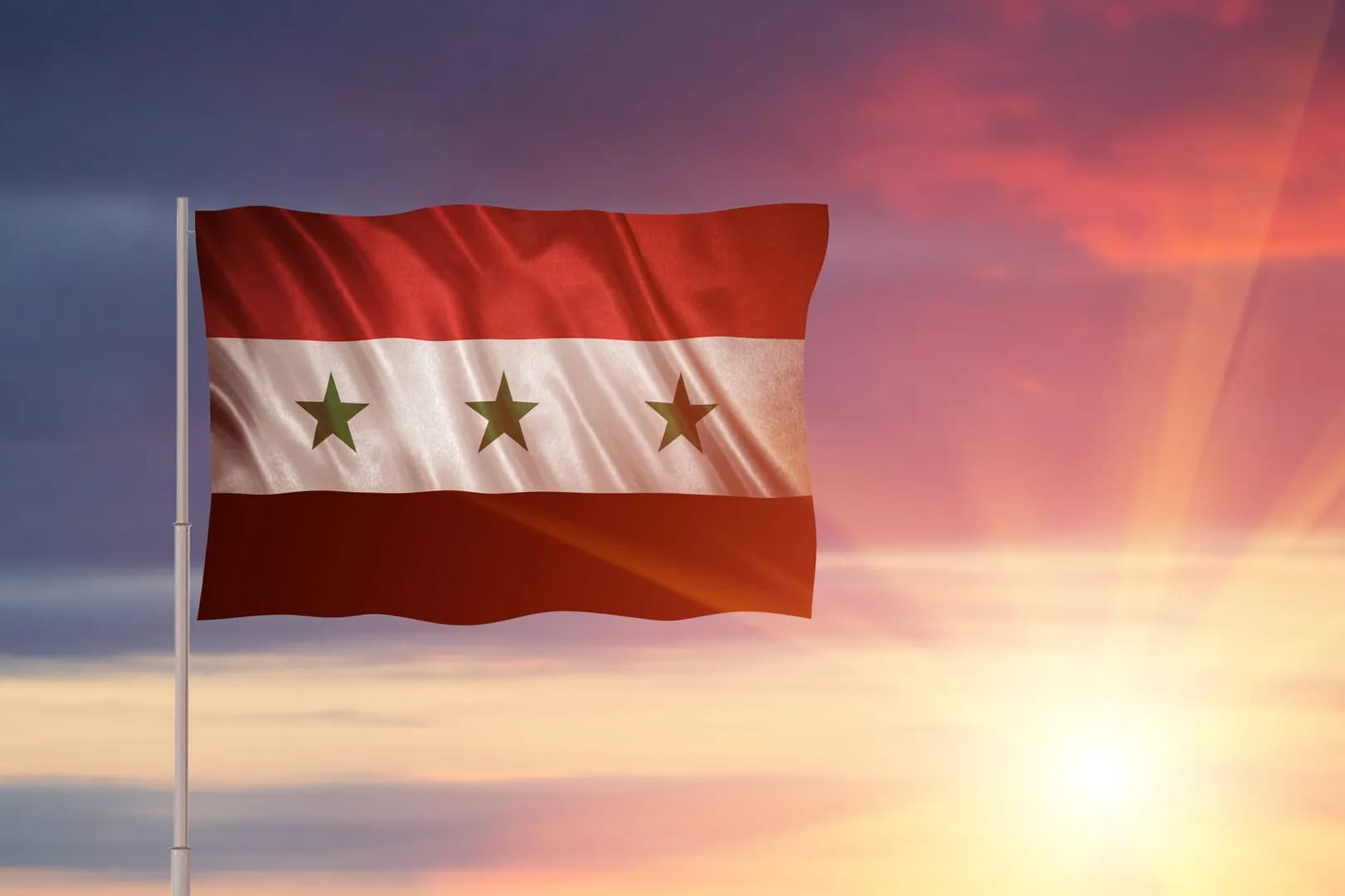
For the first time in more than half a century, Syrians are preparing to witness something their country has been denied for decades: a genuine People’s Assembly.