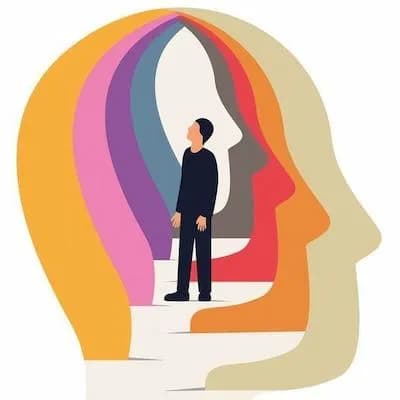
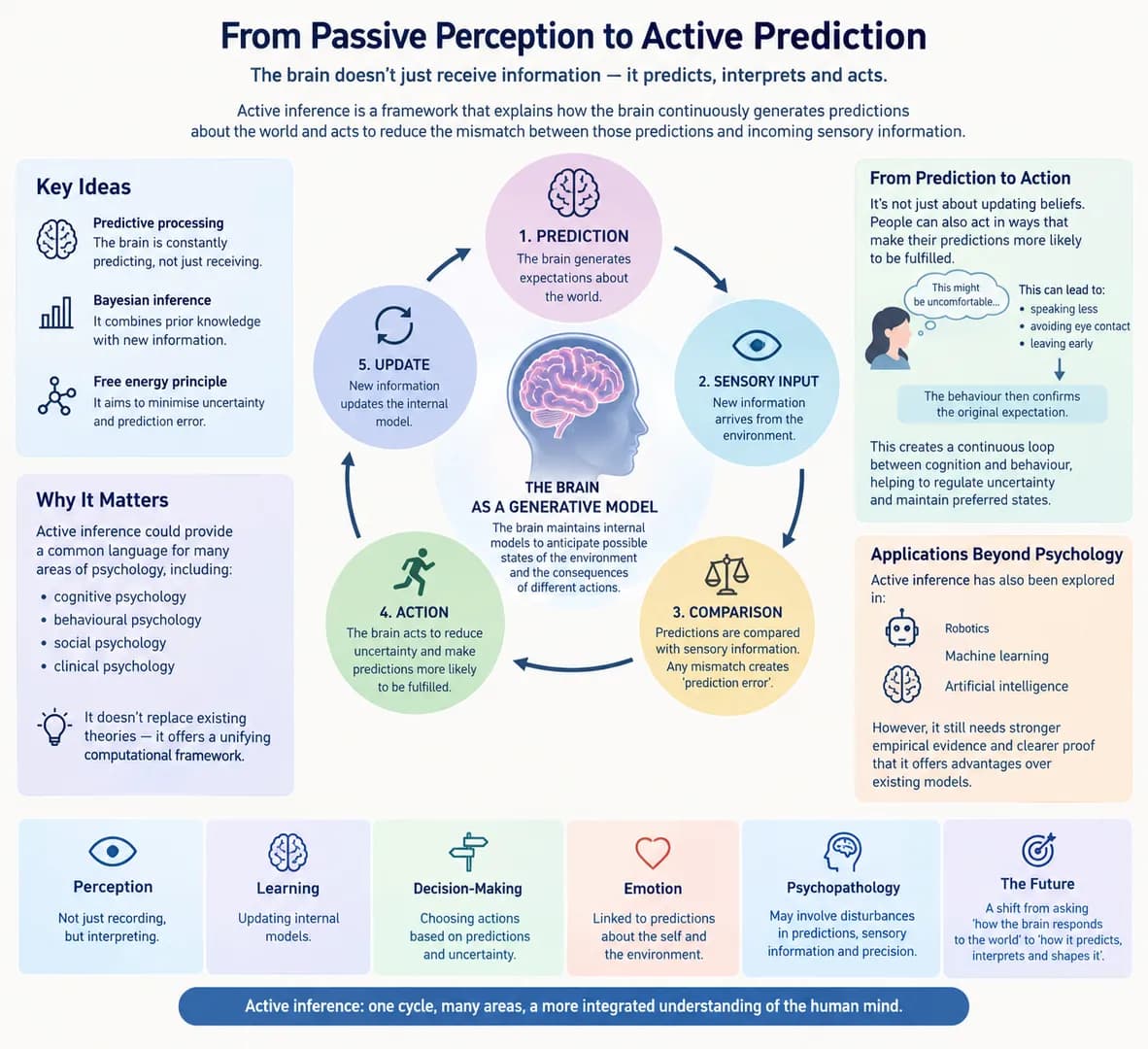
Technology is no longer simply something people use. A new theoretical approach called technopsychology argues that technology actively mediates how people think, remember, pay attention and interact with the world.
Thirteen Days explores nation-building, leadership, and psychological resilience during the Cuban Missile Crisis. It depicts Kennedy’s strategic decision-making, advisor dynamics, and the balance of power, loyalty, and diplomacy under extreme pressure, highlighting lessons for statecraft and crisis management.
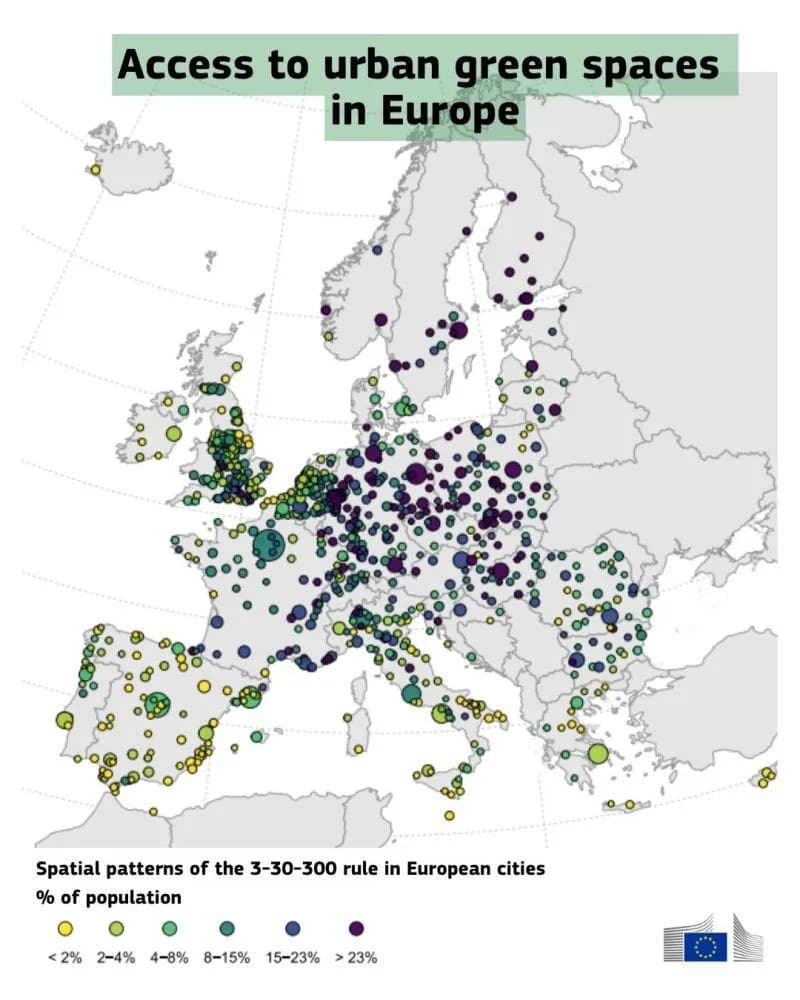
The places where people live may influence more than their physical health. Growing research in environmental psychology suggests that access to green spaces can also be associated with psychological well-being. New European evidence is examining how parks, vegetation and greener neighbourhoods shape people's everyday experiences of stress, connection and quality of life.
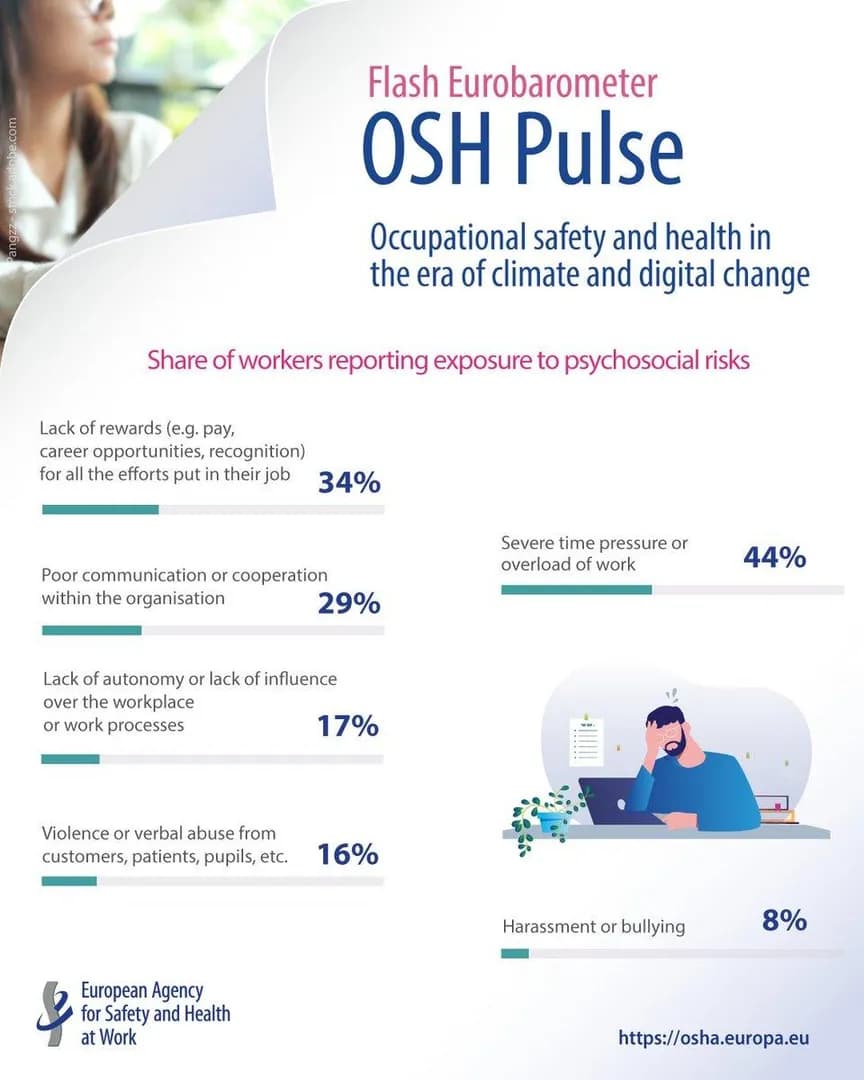
Work is more than a source of income. It can provide structure, social connection, purpose and a sense of belonging, but workplace conditions can also create significant psychological pressure. New European research is placing greater emphasis on how workload, communication, job insecurity and organisational culture shape employees' mental well-being.
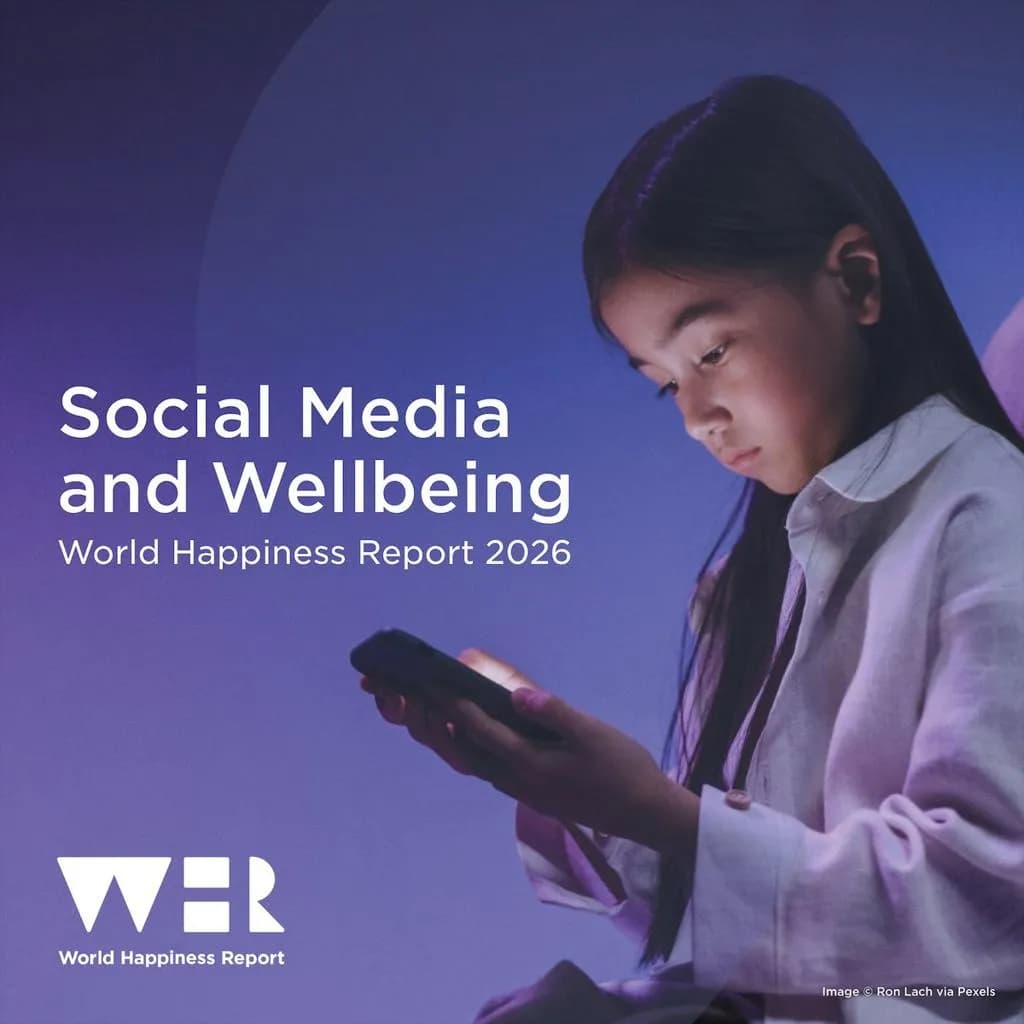
Social media has become a central part of young people's everyday lives, but its relationship with happiness is more complicated than a simple question of screen time. New European and international research suggests that the effects of social media depend on how young people use these platforms, their social environment and the type of engagement they experience online.
Loneliness is increasingly being understood not simply as a private emotional experience, but as a broader psychological and social issue. New European research shows that younger generations are particularly vulnerable, while changes in social life, digital communication, work patterns and community structures are reshaping how people experience connection.
A long-term UK study suggests that persistent financial adversity during adulthood is associated with poorer cognitive performance in midlife and signs of later brain ageing.
European researchers argue that anhedonia should no longer be understood as a single dopamine-related problem, calling for a more multidimensional approach to reward and motivation.
A large international study led by researchers in Denmark found that psychiatrists agreed on the same diagnosis in only about 55% of cases, raising questions about psychiatric classification.
New research from the University of Southampton suggests that irregular sleep schedules between weekdays and weekends may be associated with higher anxiety levels among adolescents.
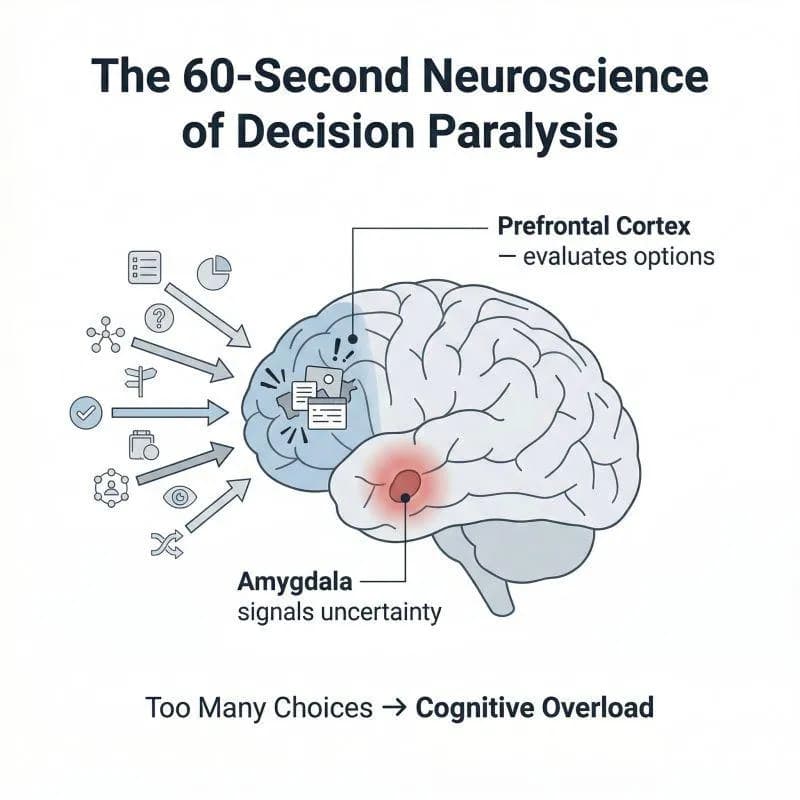
Psychological uncertainty can influence emotions, decision-making and behavior. New research shows that uncertainty is not always harmful and may also support curiosity, attention and learning.
A new psychological framework proposes that mental life can be understood through five interconnected dimensions: action, thought, emotion, experience and being. The model aims to create a common language across different psychological theories and therapeutic approaches.
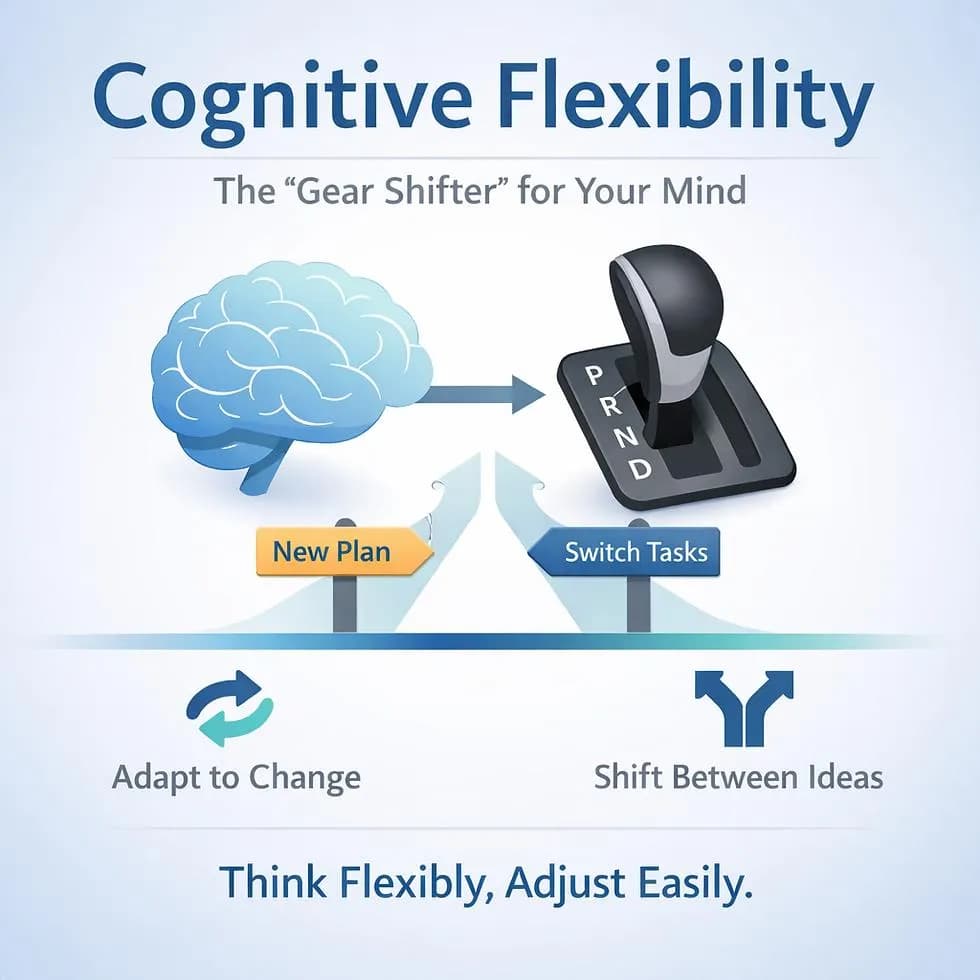
Cognitive flexibility is usually described as the ability to adapt thinking when circumstances change. A new theoretical model proposes that this ability may not be a single mental capacity, but a system composed of three interacting forms of flexibility.
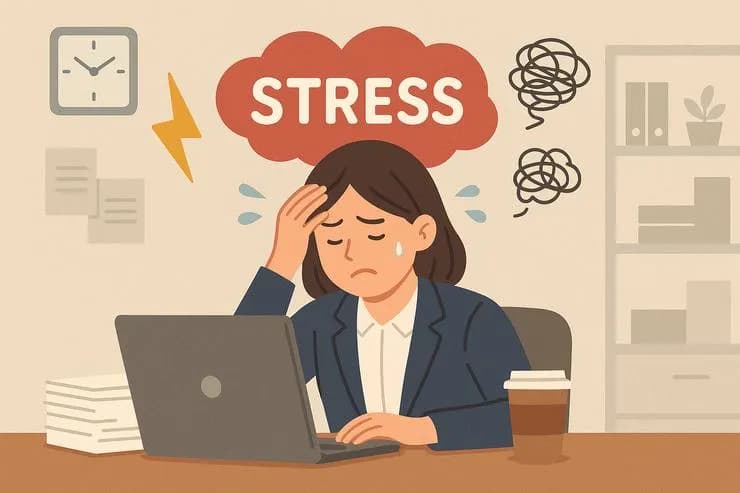
A new theoretical model is proposing a different way to understand how people interpret stressful situations. Rather than treating stress appraisal as a collection of separate categories, the Circumplex Model of Stress organizes these experiences along two fundamental dimensions: controllability and threat.
Psychology is entering a period in which some of its most familiar concepts are being reconsidered. Rather than assuming that constructs such as emotion, personality, motivation, or intelligence have fixed meanings across people and situations, emerging theoretical work is asking whether psychological concepts are inherently dependent on context, language, culture and perspective.
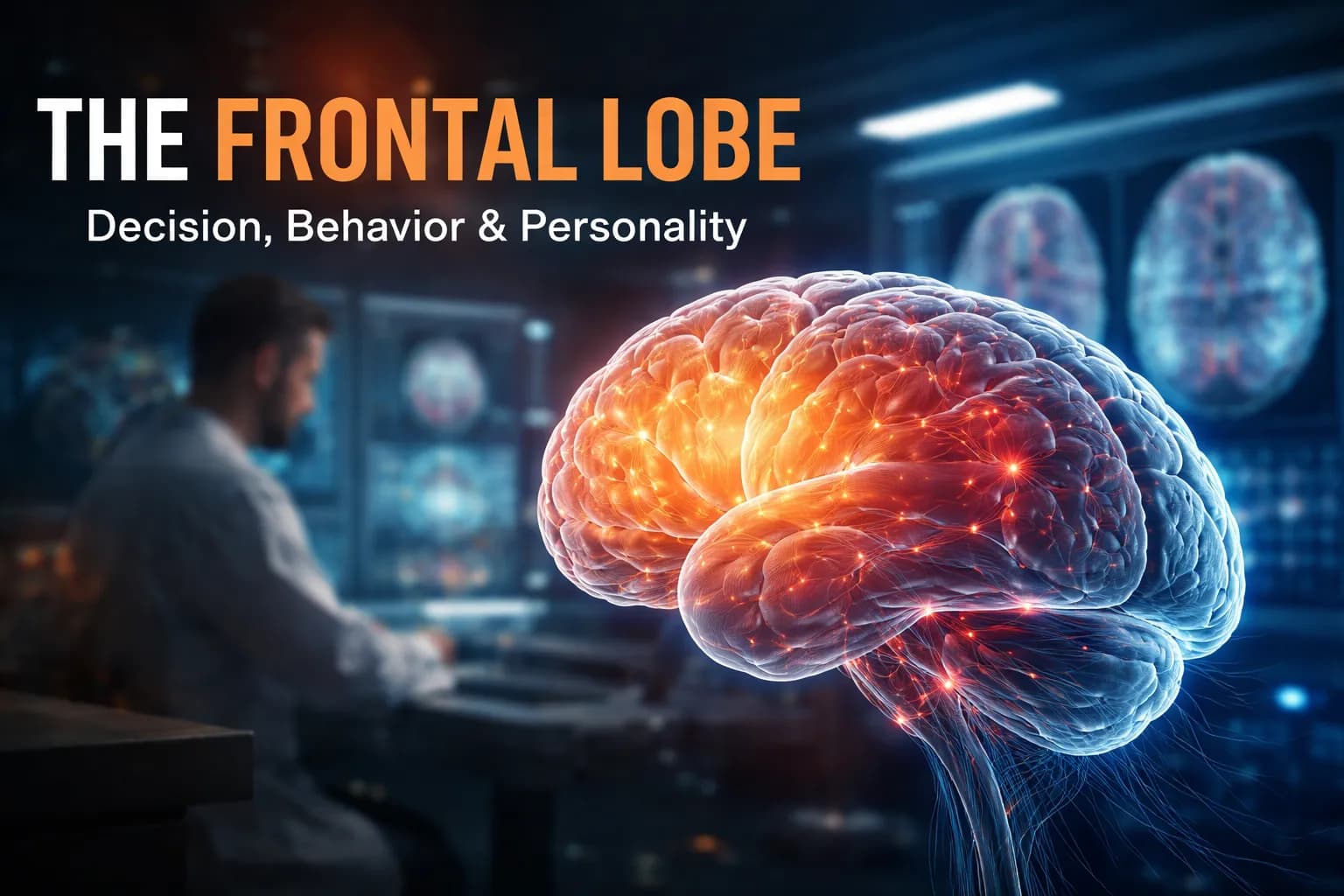
The frontal lobe is the brain’s central system for executive control, decision-making, emotional regulation, and personality. Its proper functioning enables self-regulation, social adaptation, and responsible behavior, while dysfunction may lead to impulsivity, poor judgment, and social instability.
Human behavior often changes in the presence of others. Individuals who appear calm, reserved, or cautious when alone may behave more boldly, emotionally, or even aggressively in crowds. Such transformations are commonly explained through the concept of group psychology, which assumes that individuals lose their personal characteristics and become absorbed into a collective mind. However, the individualistic psychology perspective challenges this assumption by arguing that groups do not possess an independent psychological existence. Instead, what is described as group behavior emerges from changes in individual cognitive, emotional, and perceptual processes within a social context.
From this viewpoint, crowds do not override individual psychology; rather, they alter how individuals perceive responsibility, evaluate risk, interpret social cues, and regulate emotions. This article examines crowd behavior through the lens of individualistic psychology, focusing on how individual mental processes operate differently in collective settings. Drawing on everyday examples from Türkiye, the study aims to explain crowd-related behavioral changes in a clear and accessible manner while maintaining academic rigor.
Jean Piaget’s cognitive development theory explains how children actively construct knowledge through schemas, assimilation, accommodation, and equilibration. By outlining developmental stages and their educational implications, the theory shows why learning must align with cognitive readiness and remains central to constructivist education.
Trauma affects individuals who experience it directly and may also influence subsequent generations. In Türkiye, traumatic experiences such as earthquakes, forced migration, terrorism, and domestic violence are widespread. This article examines the intergenerational transmission of trauma through psychological processes and epigenetic approaches. The aim is to explain, in clear and accessible language and with examples from Türkiye, how trauma can be transmitted to children through family relationships, parenting styles, and biological vulnerabilities.
In the digital age, social media has significantly transformed the ways individuals perceive and present themselves. This article examines the impact of social media on the self within the frameworks of symbolic interactionism and individualistic psychology. The aim of the study is to explain, in simple terms, how the self is reshaped in digital environments through social interactions and individual psychological processes.
Kohlberg’s stages of moral development constitute not only a psychological model but also a roadmap that connects individual conscience with societal order. The framework continues to serve as one of the most influential compasses in humanity’s ongoing pursuit of what is truly “right.”
Erik Erikson's Psychosocial Development Theory divides human life into eight stages, each involving a psychosocial conflict that must be resolved. Positive resolution of these conflicts promotes healthy personality development and adaptation, while negative resolution can lead to psychological difficulties. The theory provides an important framework for understanding development, identity formation, and social adaptation across the entire lifespan, from childhood to old age.
This article defines the concepts of cognitive intelligence (IQ) and emotional intelligence (EQ), highlighting their differences as well as their complementary nature. While IQ emphasizes cognitive functions such as problem-solving and logical reasoning, EQ focuses on emotional and social skills. A review of the literature demonstrates that high IQ alone is insufficient for long-term success in personal and professional life; EQ also plays a critical role. The article further proposes a four-week integrated program for developing both EQ and IQ, illustrated with practical case studies.