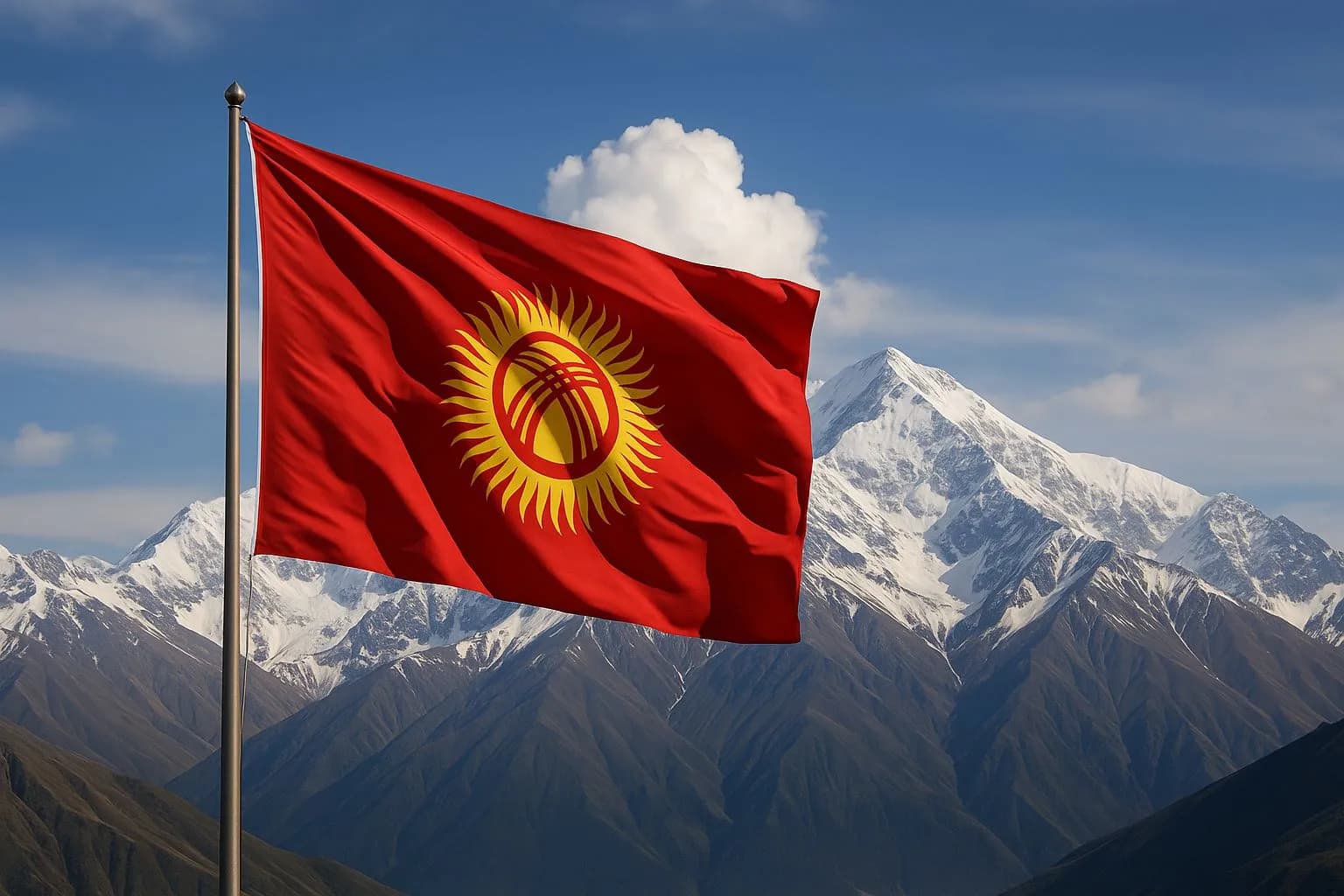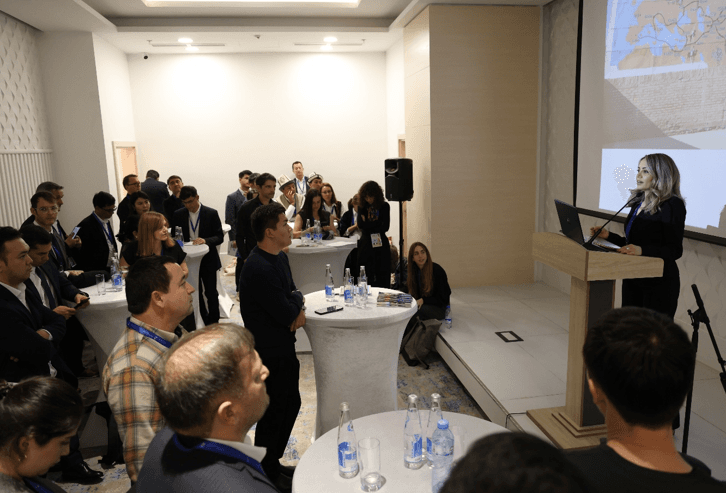
Aware of the fundamental role played by mountain ecosystems both for biodiversity preservation and for the socio-economic well-being of mountain populations Kyrgyzstan has emerged in recent years as one of the most committed actors in global environmental diplomacy.
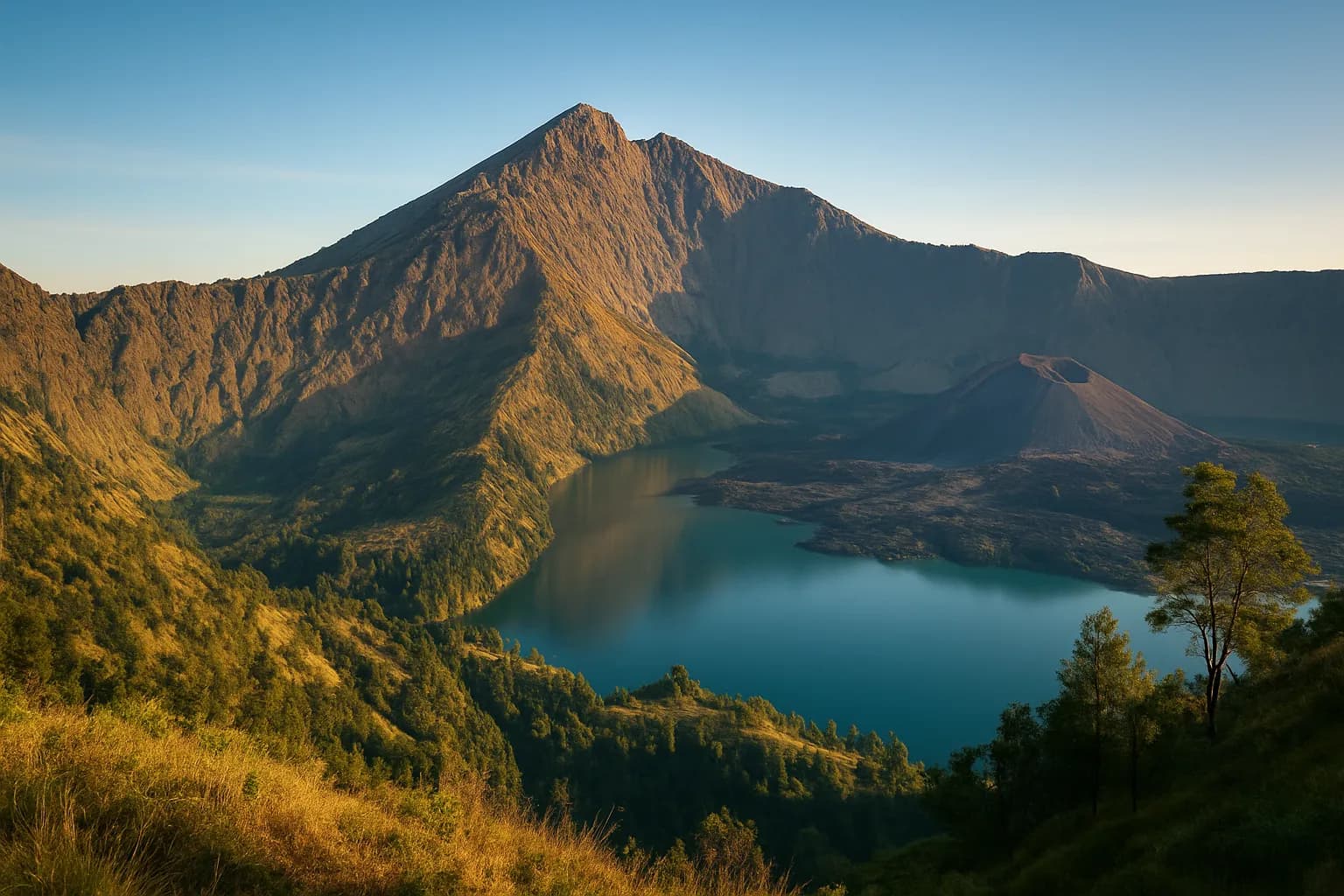
Mount Rinjani is an impressive 3,726-meter volcano on Lombok Island, serving as both a sacred site for the Sasak and Balinese communities and a renowned ecotourism destination thanks to its rich geology and natural beauty. Shaped by major eruptions, the mountain stands out with its vast caldera and Segara Anak Lake. As a national park, it maintains a sustainable balance between cultural heritage, biodiversity, and tourism.
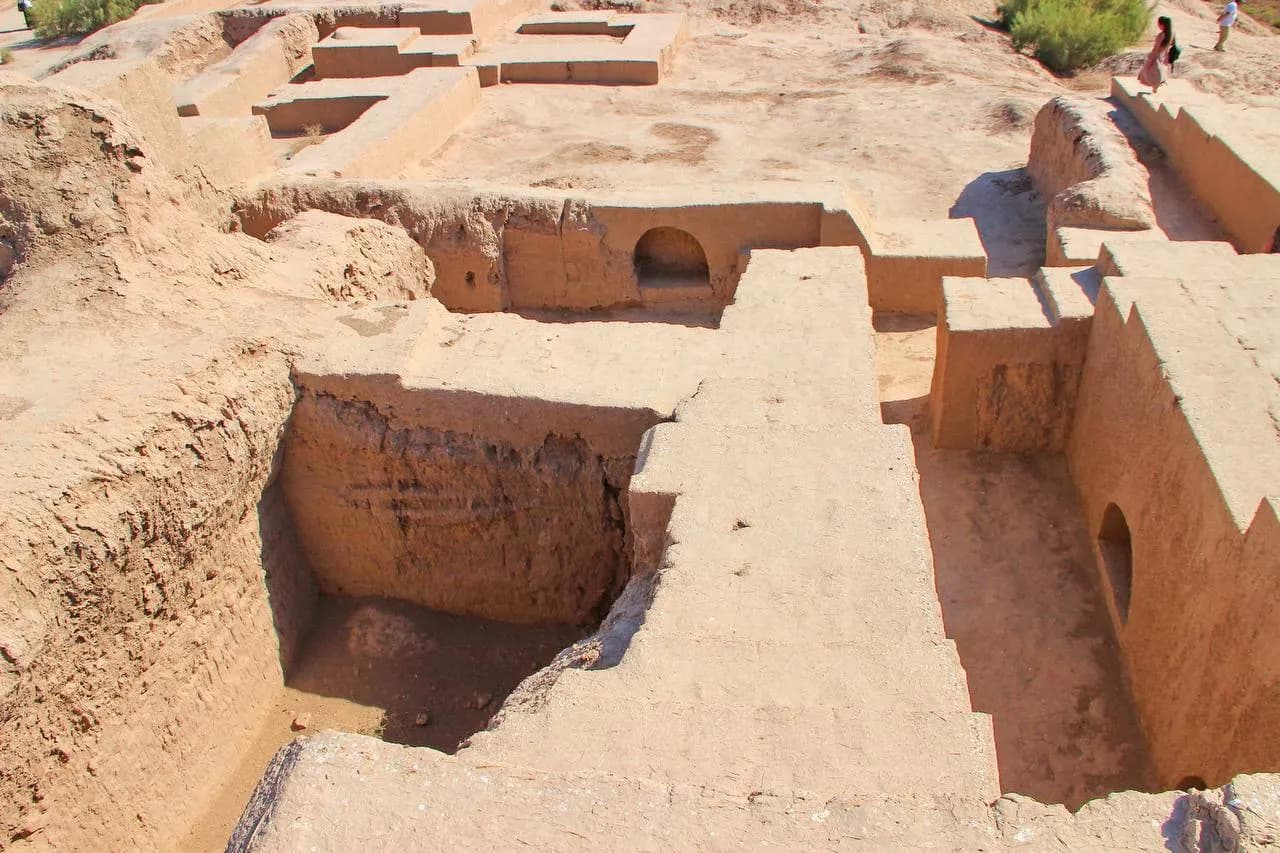
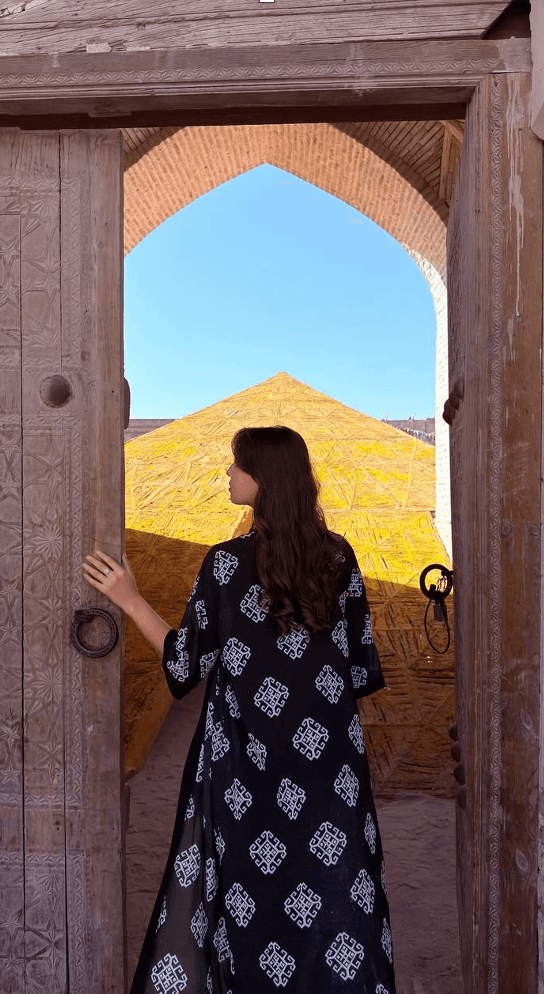
Why should we visit Guldursun-Kala in Karakalpakstan, Uzbekistan? Hidden in the windswept plains just 9 kilometers north of Turtkul lies a forgotten titan of history — the awe-inspiring fortress of Guldursun-Kala.
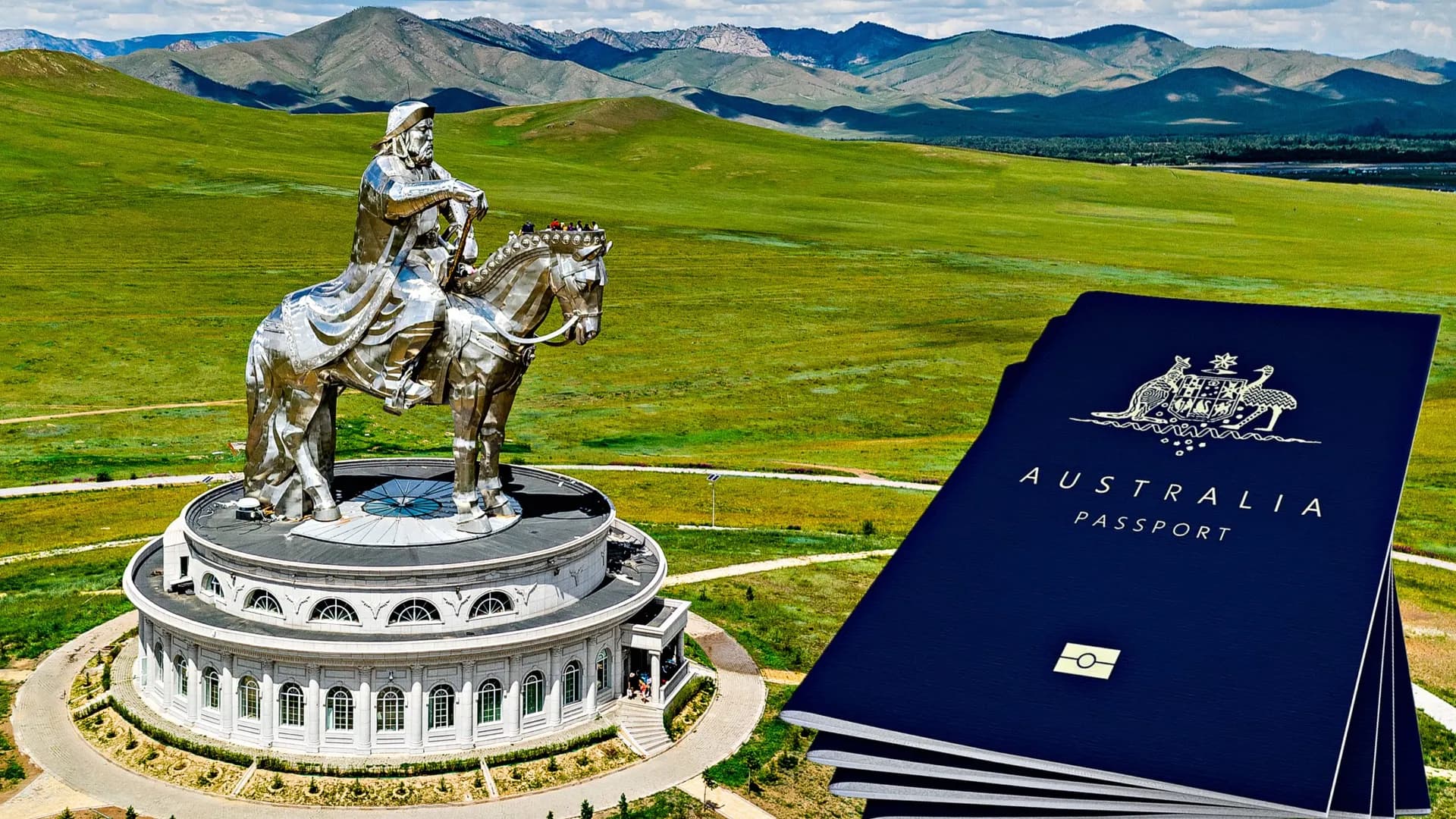
The demand among Australians for Mongolia and Central Asia in 2025 is not a “temporary hype” but a manifestation of a deeper trend: “meaningful” and less dense travel, supported by institutional actions of operators and the general normalization of outbound tourism.
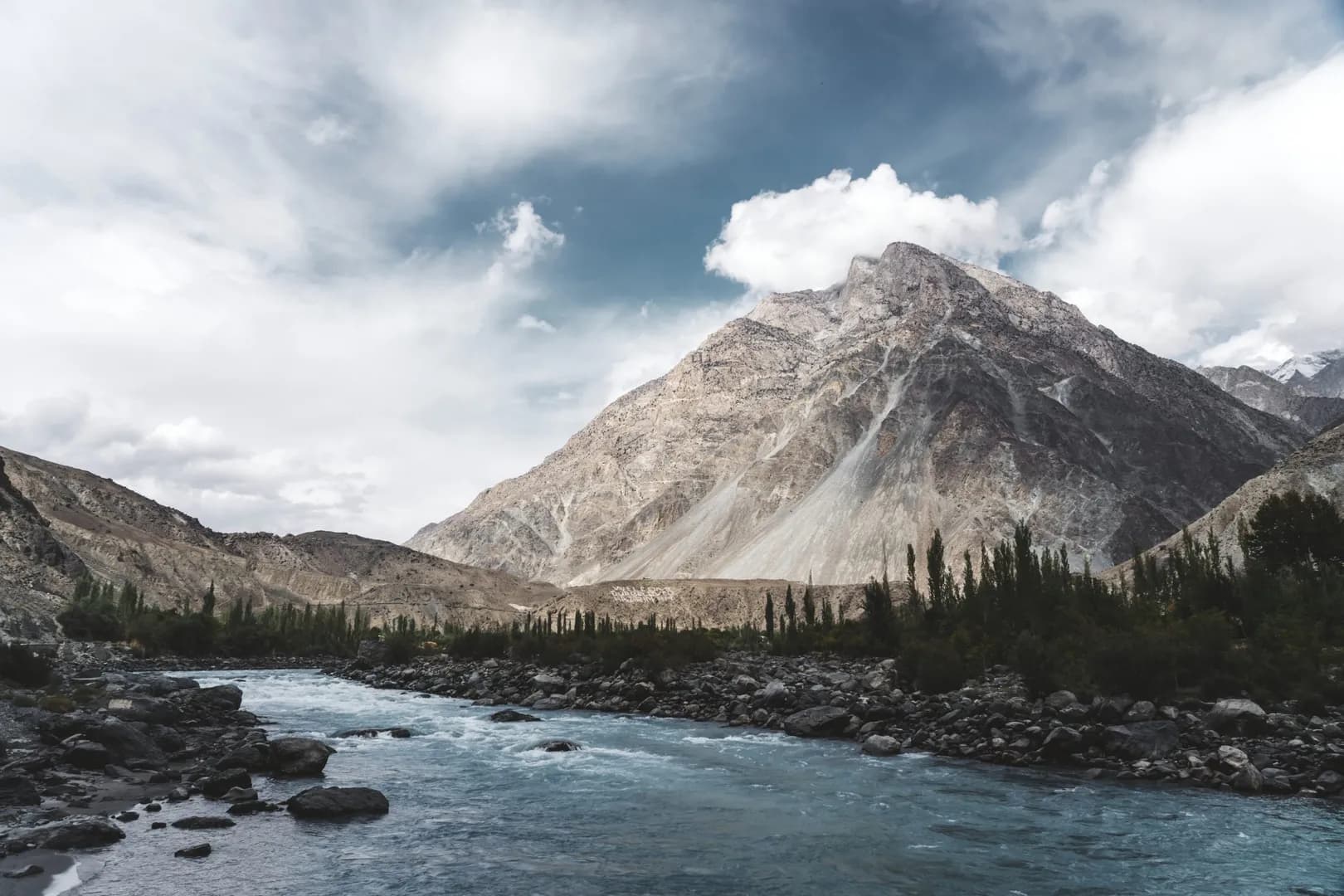
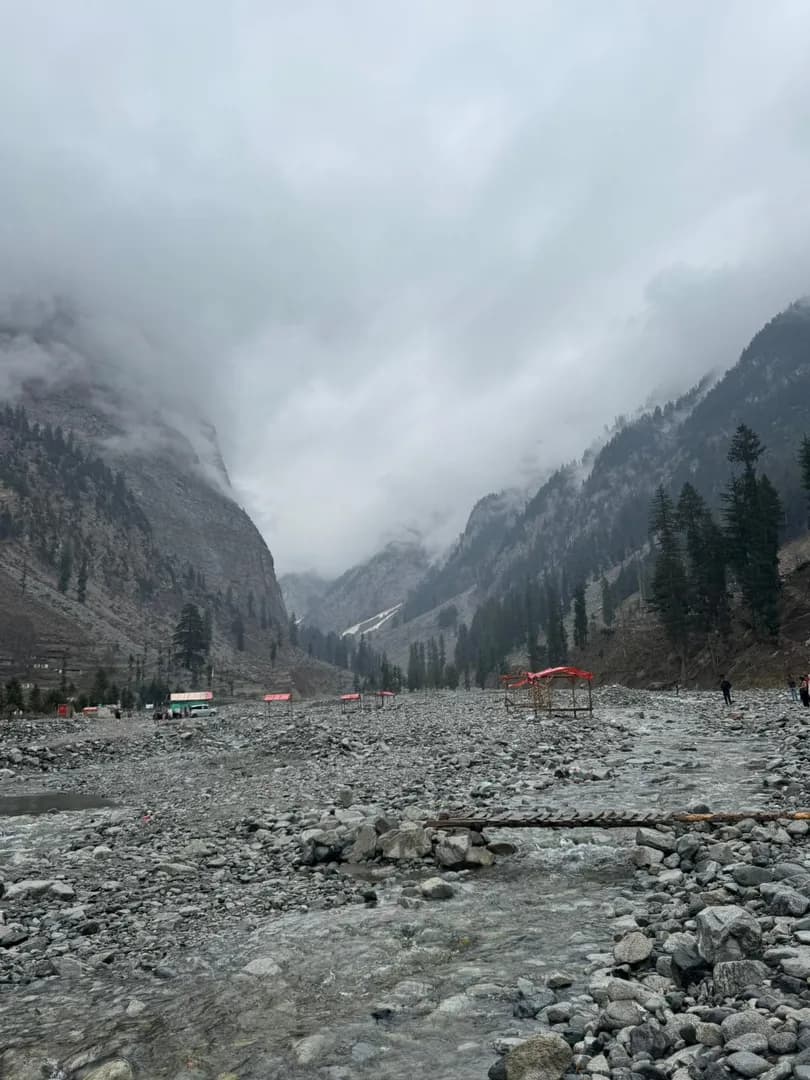
Pakistan is an exceptionally diverse land, stretching from the Karakoram peaks to the Arabian Sea. With over 220 million people and 70 languages, its culture is a blend of Central Asian, Persian, Arab, and Turkic influences. It is celebrated for its stunning northern landscapes (like K2 and the Karakoram Highway), historical cities (Lahore, Multan, Taxila), and economic hubs (Karachi, Gwadar). International media has recognized it as an exciting emerging tourist destination. The country's true highlight is its unforgettable hospitality; guests are treated with overwhelming warmth and respect. Pakistan is a land defying stereotypes, full of possibilities.
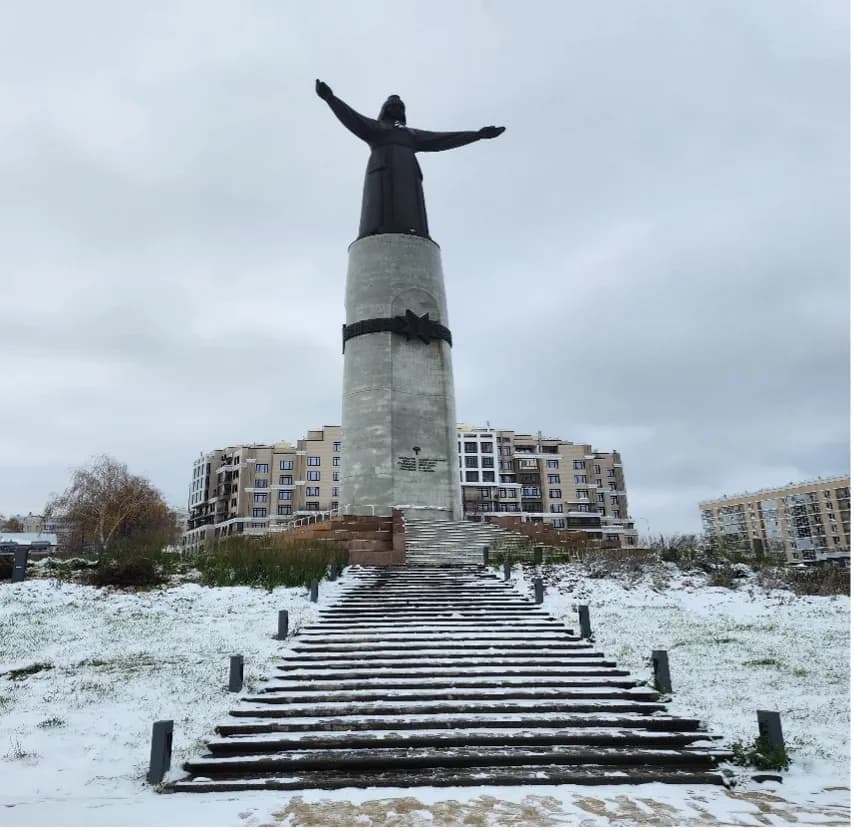
Hidden in Russia’s Volga region, Chuvashia is a cultural treasure waiting to be discovered. Cheboksary, its picturesque capital, dazzles with stunning landmarks like the Monument of Mother, vibrant public art, and the National Museum’s rich displays of traditional costumes and crafts. Here, folklore, music, and centuries-old traditions thrive alongside modern life, offering travelers an authentic glimpse into a proud and living culture.
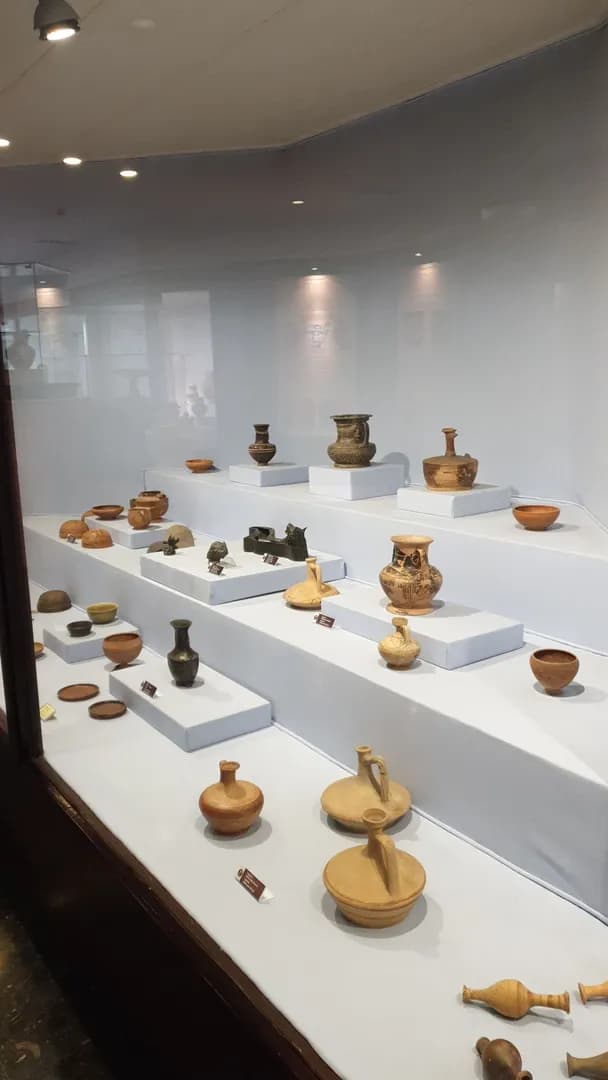
This study explores how ceramic forms exhibited in the İzmir Archaeology Museum reflect the aesthetic sensibilities and cultural spirit of the civilizations that produced them. Beyond their functional roles, these artifacts embody the creative dialogue between humanity and nature, capturing the rhythm, values, and worldview of their eras. Through formal and stylistic analysis of ancient ceramics, the paper argues that each vessel, figurine, or amphora serves as a silent chronicle of its time—preserving the aesthetic ideals, technological knowledge, and emotional depth of the societies that shaped them. By interpreting ceramics as cultural texts, the study situates them within a broader framework of artistic continuity and human expression.
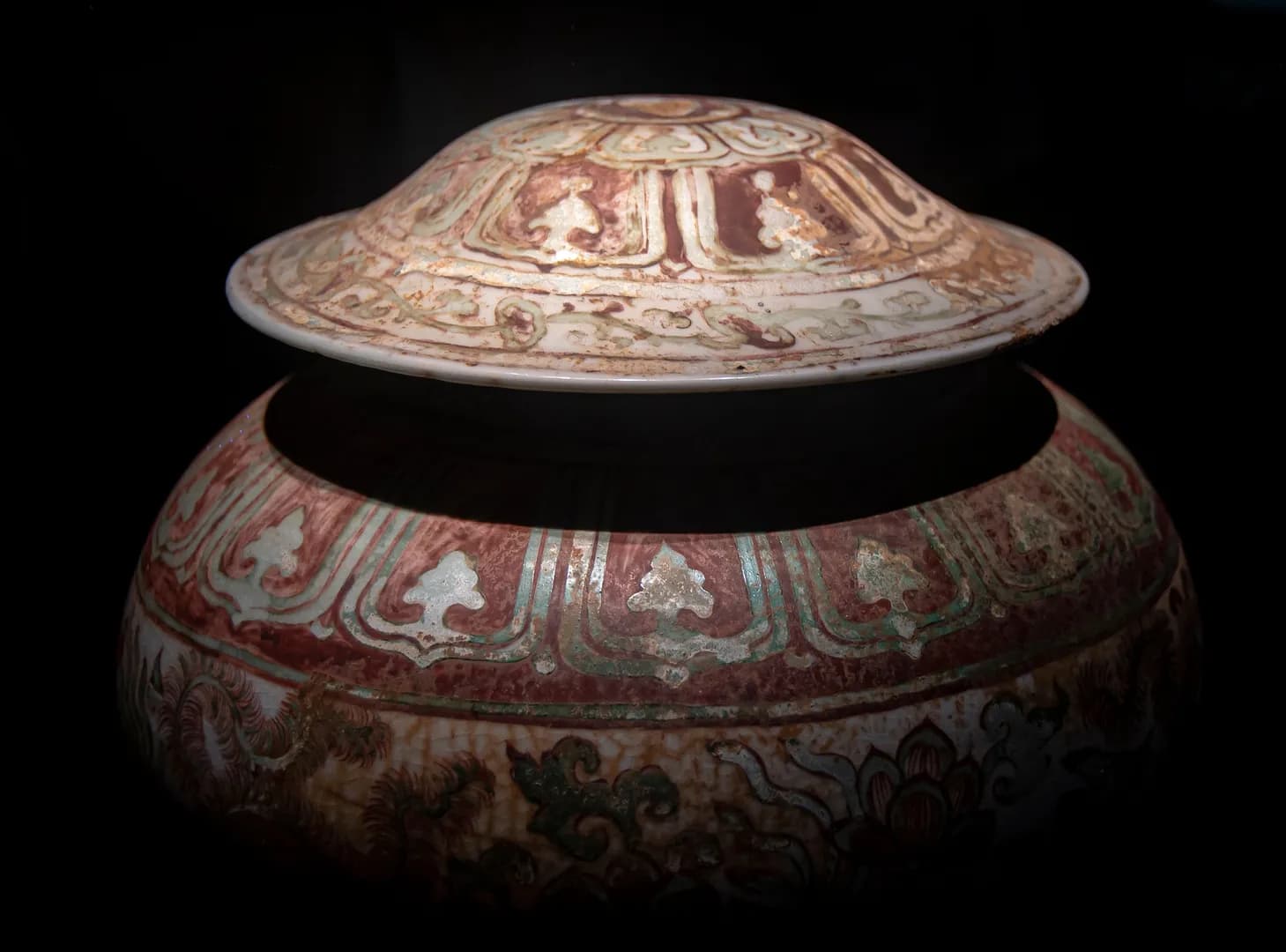
This article examines the evolution of ceramic art from its historical development to contemporary technological innovations. It focuses particularly on how digital design, 3D printing, automation, and new material technologies have transformed ceramic production. The balance between preserving traditional handicrafts and embracing the possibilities offered by modern technologies is discussed, emphasizing that these two spheres should not be seen as mutually exclusive but as complementary.
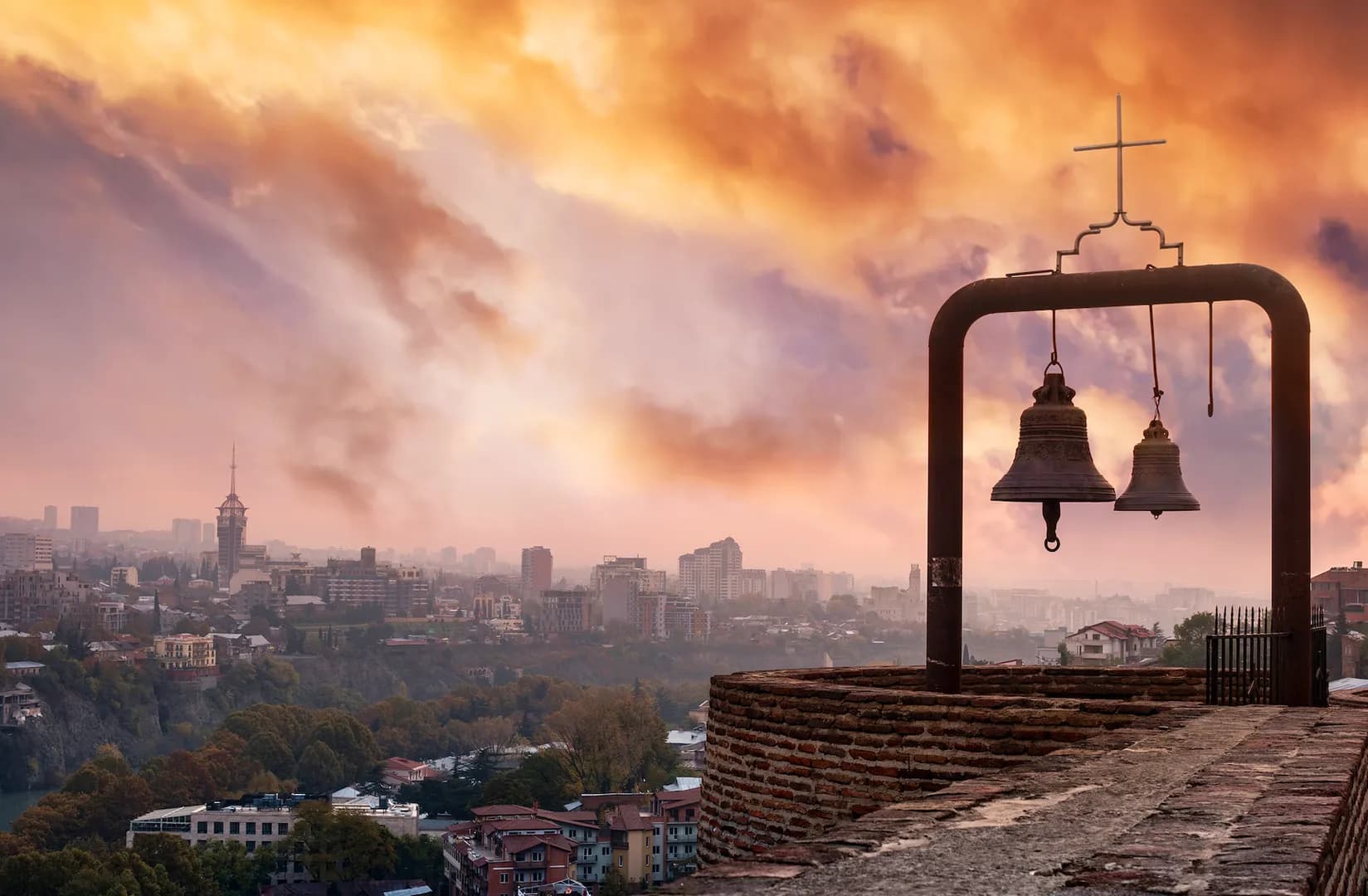
The article describes the geographical and cultural layout of Tbilisi, a city built along both banks of the Kura River, connected by bridges and cable cars. Unlike many European cities, Tbilisi has no single city center—though Liberty Square, near the Parliament, is often considered the heart of the city. The real charm lies in the Old City, known for its colorful streets, cozy guesthouses, and friendly atmosphere. Key landmarks include Sioni Cathedral, the Great Synagogue, Anchiskhati Basilica, and the Gabriadze Clock Tower. Overlooking the city is the Kartlis Deda statue, symbolizing the spirit of Georgia. From there, visitors can reach Narikala Fortress and discover a hidden waterfall behind the hill. Street vendors sell local treats like wine and pomegranate ice cream for 5 GEL, adding to the city’s unique flavor. Tbilisi offers diverse cuisine for every preference, and its welcoming atmosphere makes travelers want to return again and again.
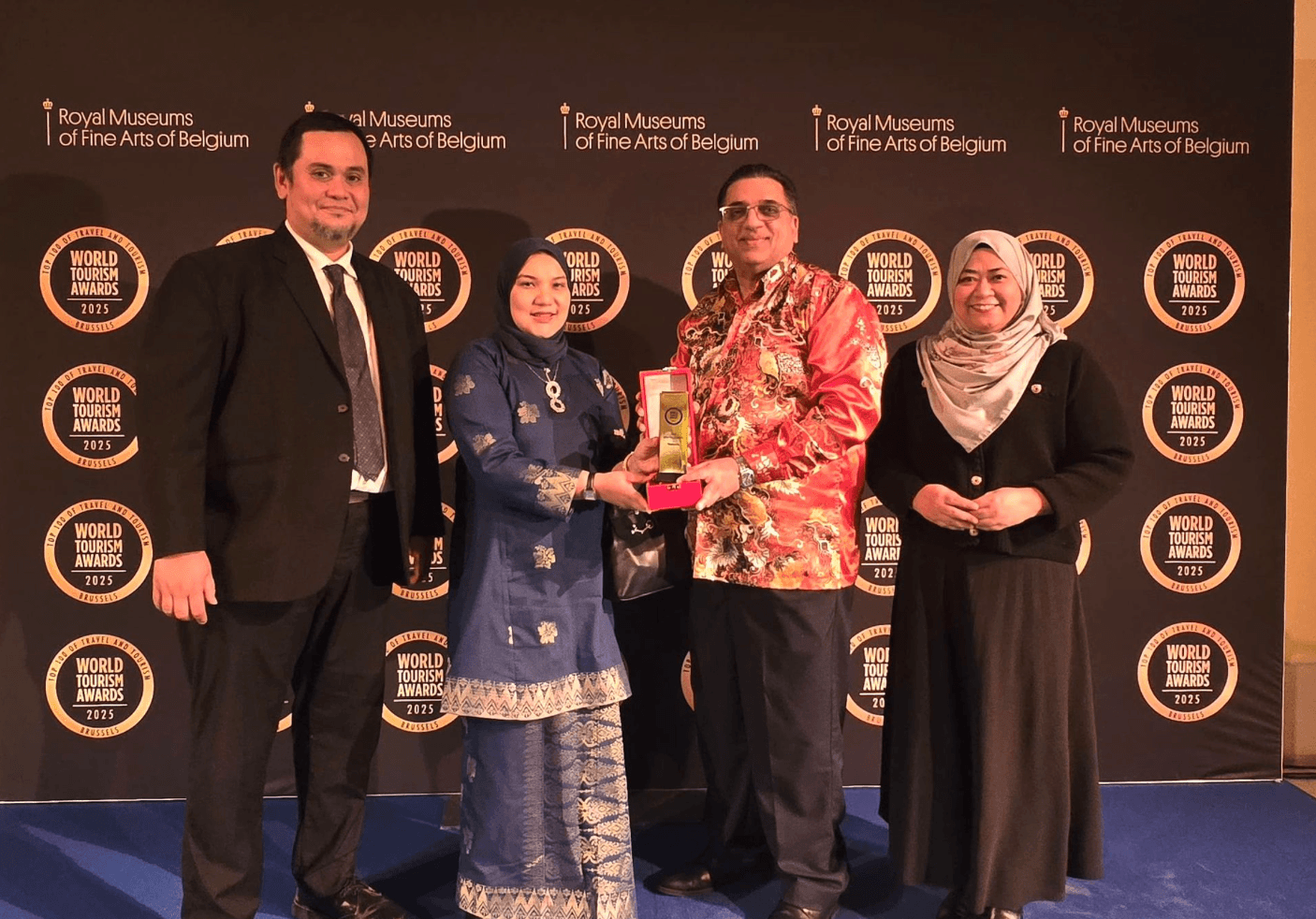
Malaysia has been awarded the Best MICE Destination Award 2025 at the Global Tourism Forum held in Brussels during World Travel Week 2025. The award was received by H.E. Dato’ Mohd Khalid Abbasi Abdul Razak, Ambassador of Malaysia to Belgium, recognizing the country’s excellence in the Meetings, Incentives, Conferences, and Exhibitions (MICE) sector.
This recognition comes ahead of the Visit Malaysia Year 2026 campaign, further reinforcing Malaysia’s global leadership in tourism. In his remarks, Ambassador Dato’ Khalid highlighted Malaysia’s commitment to sustainable tourism, regional cooperation, and innovation, noting that the nation’s ASEAN Chairmanship 2025 will strengthen its role in cultural and economic collaboration.
With world-class venues such as WTCKL and MITEC, Malaysia’s connectivity, hospitality, and multilingual environment make it an ideal global events hub. The Forum gathered over 1,000 delegates, and Malaysia was also listed among the Best 100 Global Tourism Destinations.
The first Bukhara Biennale of Contemporary Art – “Recipes for Broken Hearts” held in 2025 became one of Uzbekistan’s most significant cultural achievements. It served as an interdisciplinary platform blending art, architecture, gastronomy, music, and poetry. Hosted at UNESCO-listed historical landmarks, the Biennale transformed Bukhara into a living museum, where ancient heritage and contemporary creativity coexisted. Inspired by Avicenna’s legendary “healing recipe,” the theme symbolized both personal and collective recovery. Artists from diverse nations united ecological, spiritual, and emotional dimensions through their works—turning art into a universal language of healing, memory, and public diplomacy.
Kyrgyzstan, with its majestic mountains and deep-rooted nomadic culture, is emerging as a leading tourism destination in Central Asia. The yurt, a national symbol, reflects the spirit of freedom, while the country’s Silk Road heritage, the natural beauty of Lake Issyk-Kul, and UNESCO-protected sites make it the “Switzerland of Central Asia.” With visa-free entry and improving infrastructure, Kyrgyzstan has become a prime destination for nature and adventure tourism.
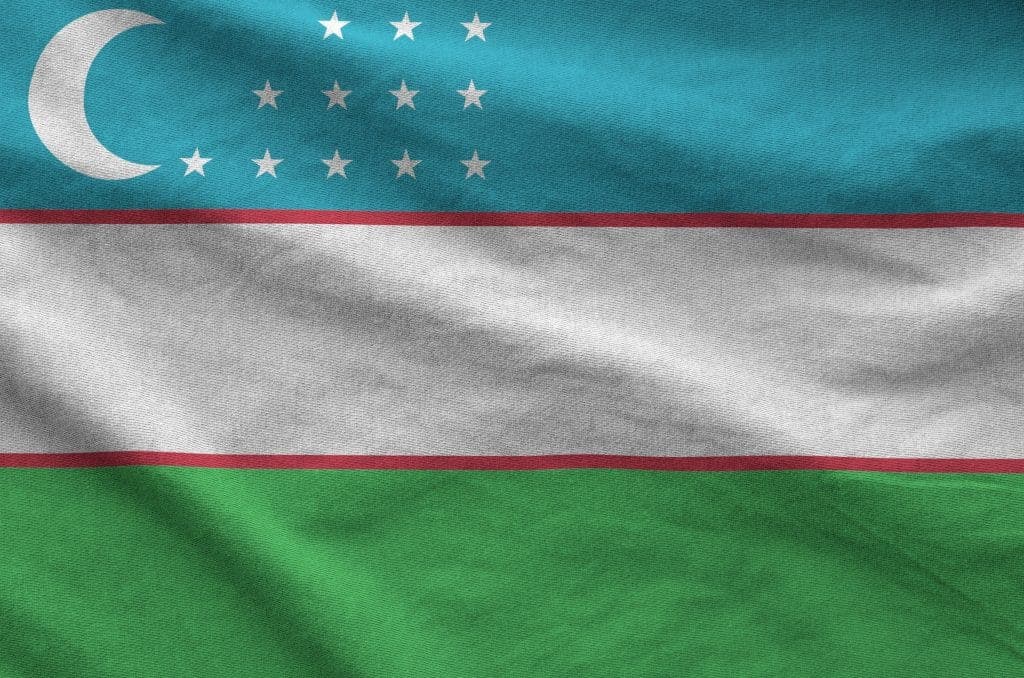
The hosting of the 43rd UNESCO General Conference in Samarkand in 2025 highlights Uzbekistan’s growing global influence in culture, education, and science. This historic event underscores the nation’s successful reforms, cultural diplomacy, and commitment to preserving world heritage while promoting intercultural dialogue and sustainable development.
Since 2010, the Armenian Church on Akdamar Island (Lake Van) has hosted an annual service, held under special permission and led by the Patriarch of the Armenians of Turkey. The expression “13th service” does not refer to any liturgical tradition of the Armenian Church, but simply indicates that the ceremony was held for the thirteenth time since the reopening in 2010.
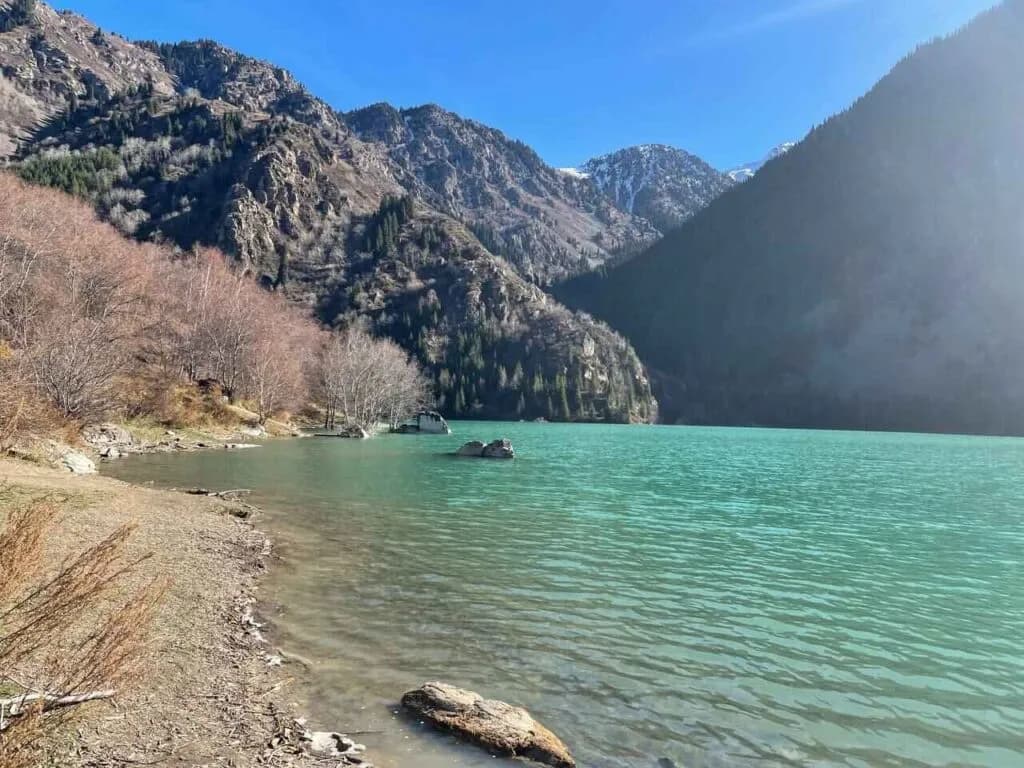
In my series on why to visit Kazakhstan, I would like to focus on one of my favorite cities in Asia: Almaty. I have traveled to Switzerland and other places, yet it is the Kazakh mountains that left the deepest impression on me. I will share my experience with you...