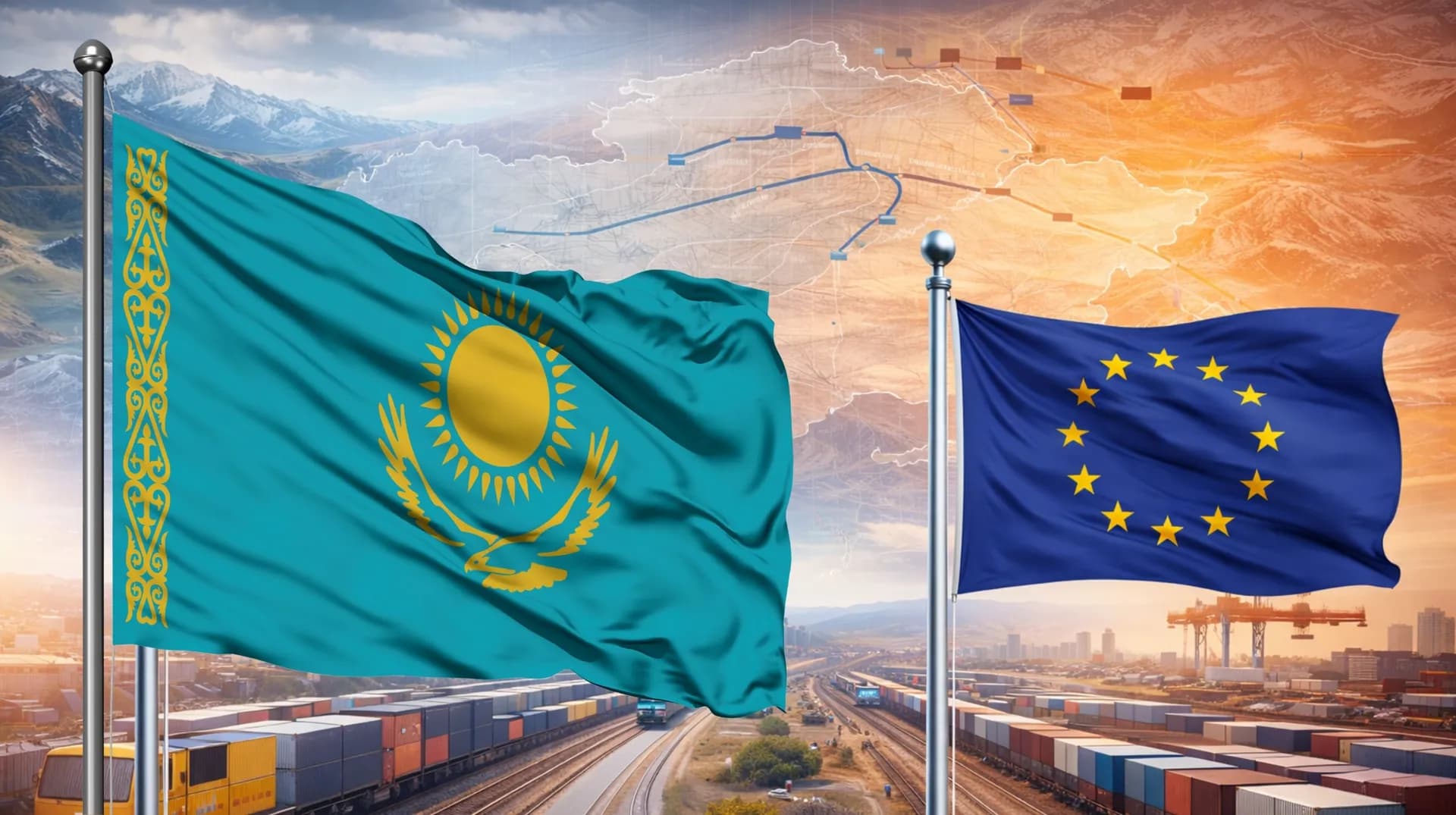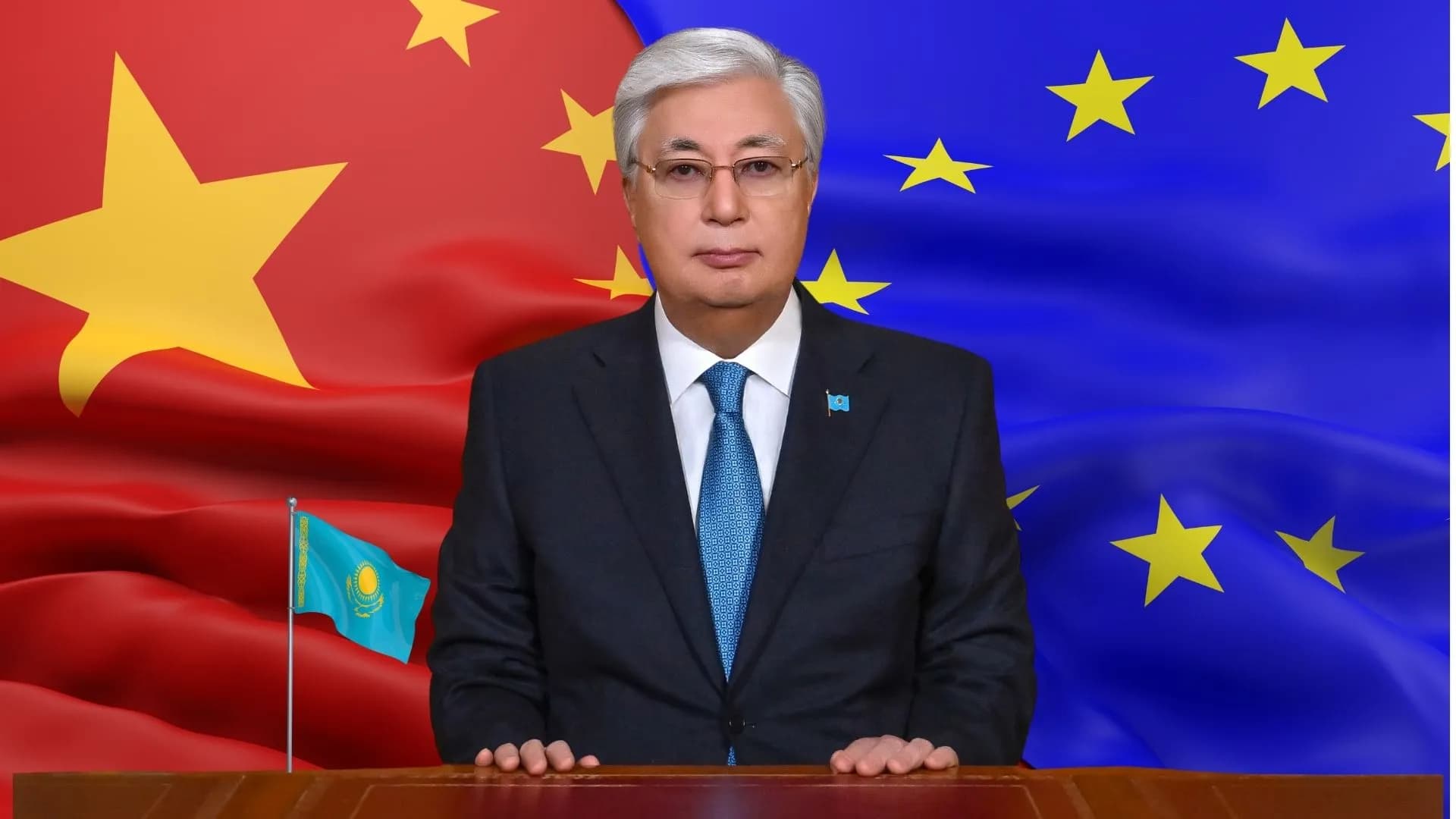
While Kazakhstan celebrates its National Day on 25 October, this year also marks the 10th anniversary of the signing of the Enhanced Partnership and Cooperation Agreement (EPCA) between Kazakhstan and the European Union, which was concluded in December 2015.
Fresh off a MICE sector excellence award, Malaysia’s Ambassador to the EU shared his country’s strategic vision for tourism diplomacy, sustainability, and strengthening European ties in an exclusive EUReflect interview.
Belgium defended its position at a summit of European Union leaders, preventing a breakthrough on a new Commission plan to lend 140 billion euros to Ukraine using the frozen assets of the Russian central bank noted yahoonews.
While Kazakhstan celebrates its National Day on 25 October, this year also marks the 10th anniversary of the signing of the Enhanced Partnership and Cooperation Agreement (EPCA) between Kazakhstan and the European Union, which was concluded in December 2015.
The Global Tourism Forum, which took place on October 20–21, 2025, in Brussels, stood out as a landmark gathering for international leaders, ministers, business innovators, and policymakers aiming to shape the evolving future of the tourism industry.
The European Union has reaffirmed its long-term commitment to energy security and independence, as outlined in the European Commission’s Work Programme for 2026, entitled “Europe’s Independence Moment.” The document underscores that energy will remain a central pillar of the EU’s policy agenda next year, driving competitiveness, growth, and economic resilience across the continent.
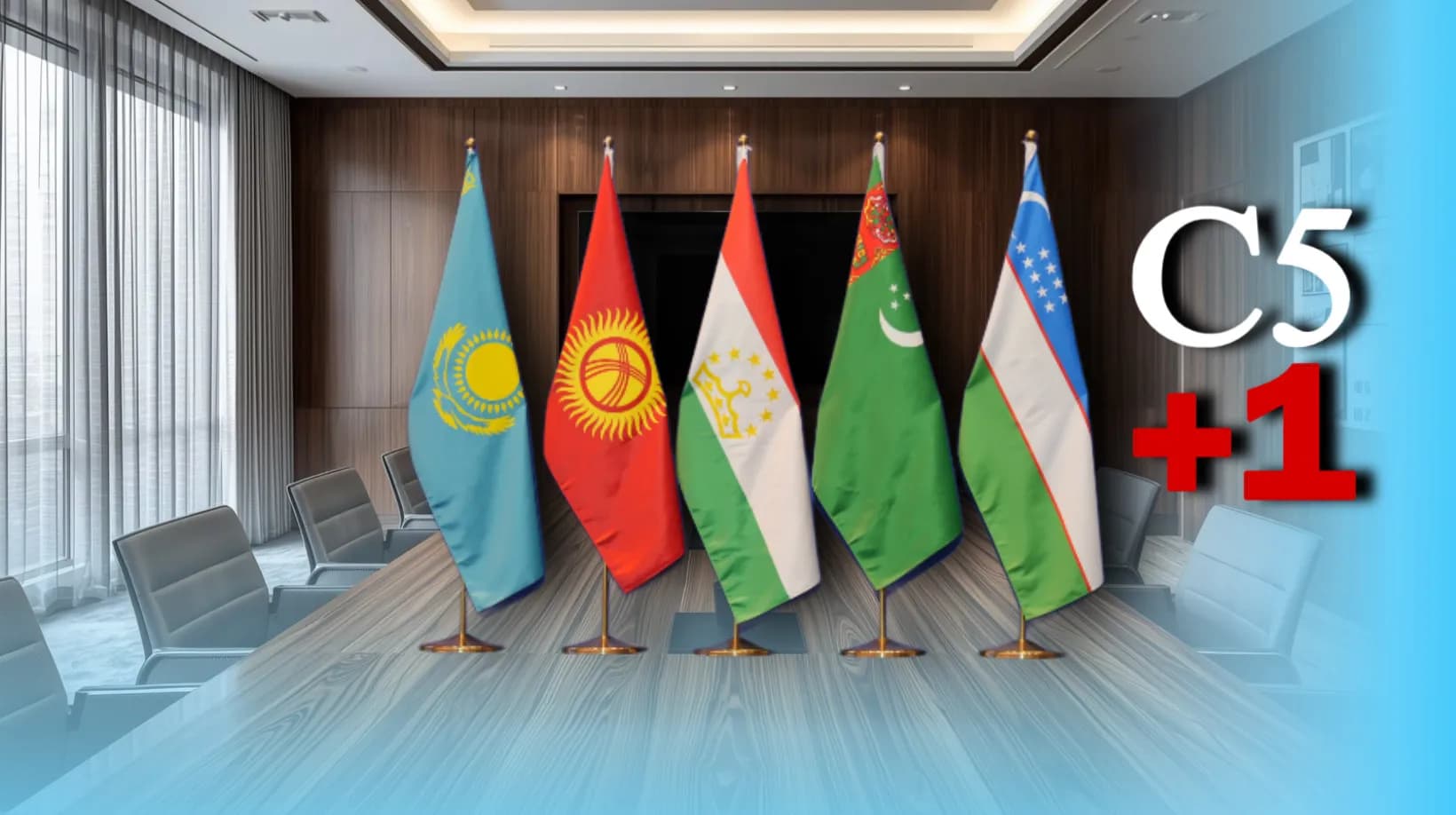
The recent Meeting of the Defense Ministers of Central Asian States in Samarkand, Uzbekistan, marks a significant move toward potentially consolidating regional military capabilities and reshaping the collective security architecture.
Malaysia has been awarded the Best MICE Destination Award 2025 at the Global Tourism Forum held in Brussels during World Travel Week 2025. The award was received by H.E. Dato’ Mohd Khalid Abbasi Abdul Razak, Ambassador of Malaysia to Belgium, recognizing the country’s excellence in the Meetings, Incentives, Conferences, and Exhibitions (MICE) sector.
This recognition comes ahead of the Visit Malaysia Year 2026 campaign, further reinforcing Malaysia’s global leadership in tourism. In his remarks, Ambassador Dato’ Khalid highlighted Malaysia’s commitment to sustainable tourism, regional cooperation, and innovation, noting that the nation’s ASEAN Chairmanship 2025 will strengthen its role in cultural and economic collaboration.
With world-class venues such as WTCKL and MITEC, Malaysia’s connectivity, hospitality, and multilingual environment make it an ideal global events hub. The Forum gathered over 1,000 delegates, and Malaysia was also listed among the Best 100 Global Tourism Destinations.
Qatar strengthens its strategic partnership with the UK through a new LNG agreement, reinforcing Europe’s energy security and deepening bilateral ties.
The first Bukhara Biennale of Contemporary Art – “Recipes for Broken Hearts” held in 2025 became one of Uzbekistan’s most significant cultural achievements. It served as an interdisciplinary platform blending art, architecture, gastronomy, music, and poetry. Hosted at UNESCO-listed historical landmarks, the Biennale transformed Bukhara into a living museum, where ancient heritage and contemporary creativity coexisted. Inspired by Avicenna’s legendary “healing recipe,” the theme symbolized both personal and collective recovery. Artists from diverse nations united ecological, spiritual, and emotional dimensions through their works—turning art into a universal language of healing, memory, and public diplomacy.
Qatar is deepening its engagement in Africa, advancing cooperation with Nigeria in culture, tourism, and the creative industries. This new partnership is part of Doha's "soft power" strategy, aiming to foster mutual understanding and economic diversification between the Gulf and Africa.
On August 2, Azerbaijan began natural gas exports to Syria via Türkiye, marking a new phase in regional energy cooperation. The project, led by SOCAR and supported by both governments, supplies 6 million cubic meters per day of gas to power Syria’s reconstruction and electricity generation.
Azerbaijani Minister Mikayil Jabbarov and Syrian Minister Mohammed al-Bashir hailed the initiative as both an economic and humanitarian partnership, symbolizing solidarity and regional unity. With Türkiye’s logistical support, the project establishes a new energy corridor linking the South Caucasus and the Middle East, reinforcing Azerbaijan’s role as a global energy hub and a symbol of post-conflict recovery for Syria.
In an interview with EUReflect, Aykerim Absamatova, Director of the SEZ “TURAN” in Turkistan, highlights Kazakhstan’s growing appeal as a strategic investment hub linking China, Russia, and the EU. She emphasizes the country’s strengths in political stability, logistics modernization, green energy, agro-processing, and digital innovation. Supported by the Belt and Road Initiative and strong government incentives within Special Economic Zones, Kazakhstan offers investors a reliable, future-oriented environment for sustainable growth and regional expansion.
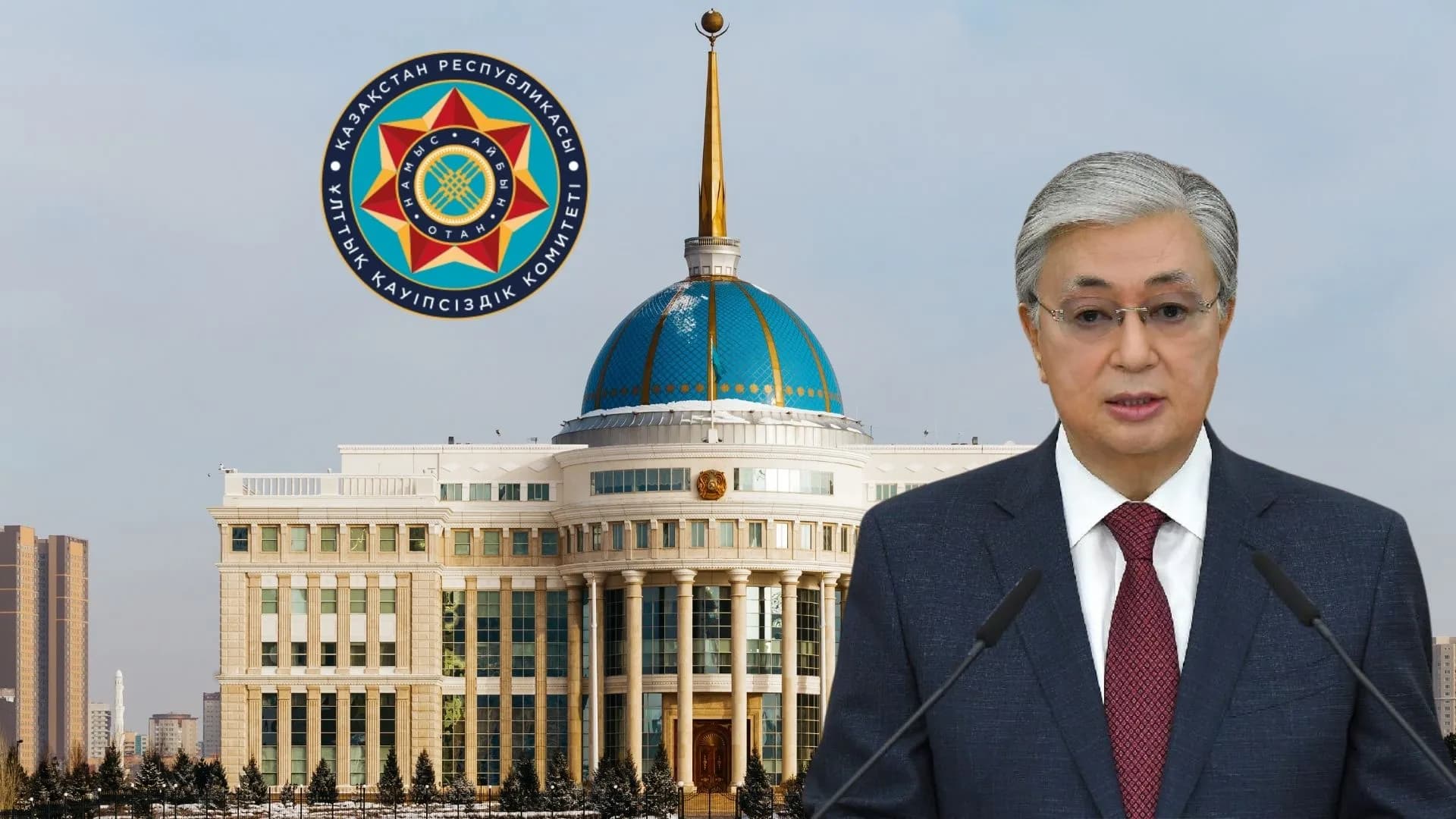
In 2025, Kazakhstan has emerged as Central Asia’s leading economy, surpassing both Russia and China in GDP per capita ($14,770), according to the IMF. Backed by low inflation, stable currency, and a balanced budget, the nation continues its transformation into a regional hub for trade, logistics, and innovation. With $35 billion invested in infrastructure and strong growth in transport, digitalization, and renewable energy, Kazakhstan is steering toward economic diversification and non-oil growth. Close ties with the EU—its largest trading partner—are driving industrial modernization and sustainable development. Under President Kassym-Jomart Tokayev’s leadership, Kazakhstan is positioning itself as a multi-vector power and a key connector between Europe and Asia.