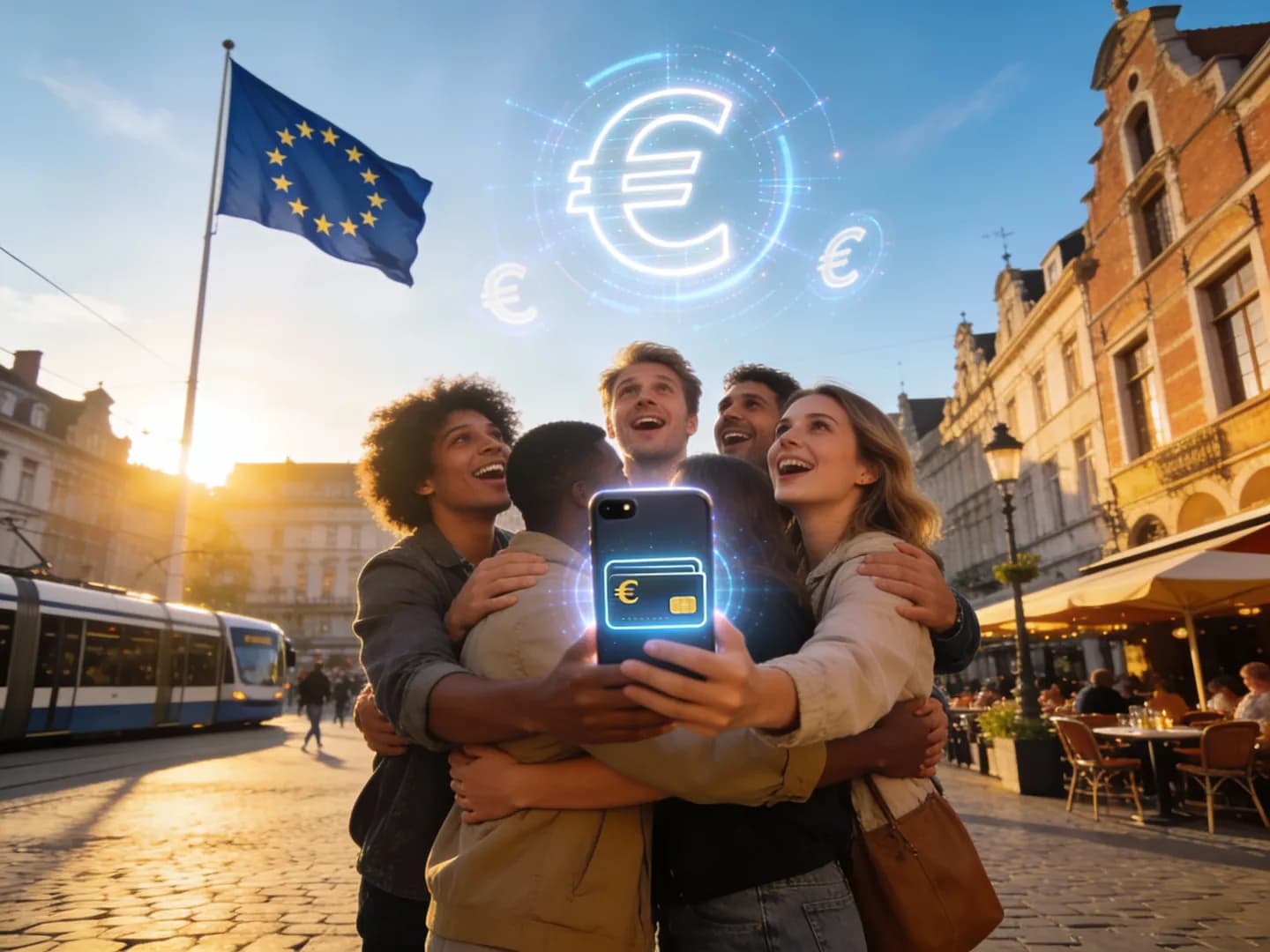
Is the digital euro by the European Union a bold move into a cashless revolution or a tool for control over every transaction? EU finance ministers sealed the deal on December 19, 2025 and handed the baton over to the European Parliament. This electronic cash backed by the ECB promises seamless payments but raises alarms over privacy and identity links. Brace yourself: by 2028-2029, digital euro wallets could change how we use money forever.
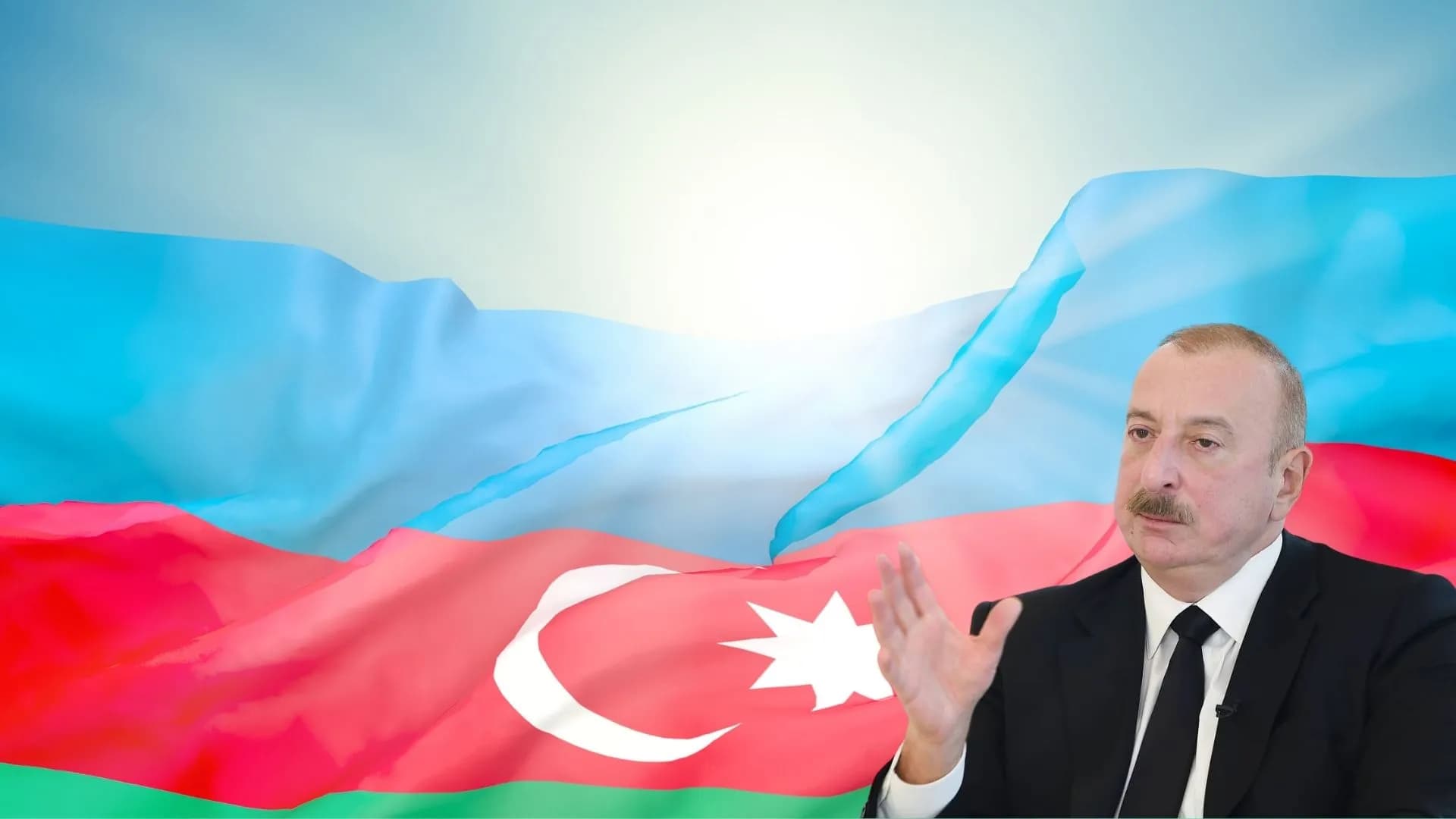
President Ilham Aliyev, born on 24 December 1961, is one of the most influential political figures in the modern history of the Republic of Azerbaijan. He has led the country since 2003, a period characterized by greater sovereignty, economic modernization, the liberation of the occupied territories, and increased global status. My research article provides a detailed analysis of the vision, performance, and achievements of President Ilham Aliyev, especially the Karabakh Victory, Azerbaijan's hosting of COP29, and transitioning the country to green energy. We will see that how the leadership of President Aliyev has transformed Azerbaijan to become a strong, progressive, and well-respected state in the international arena.
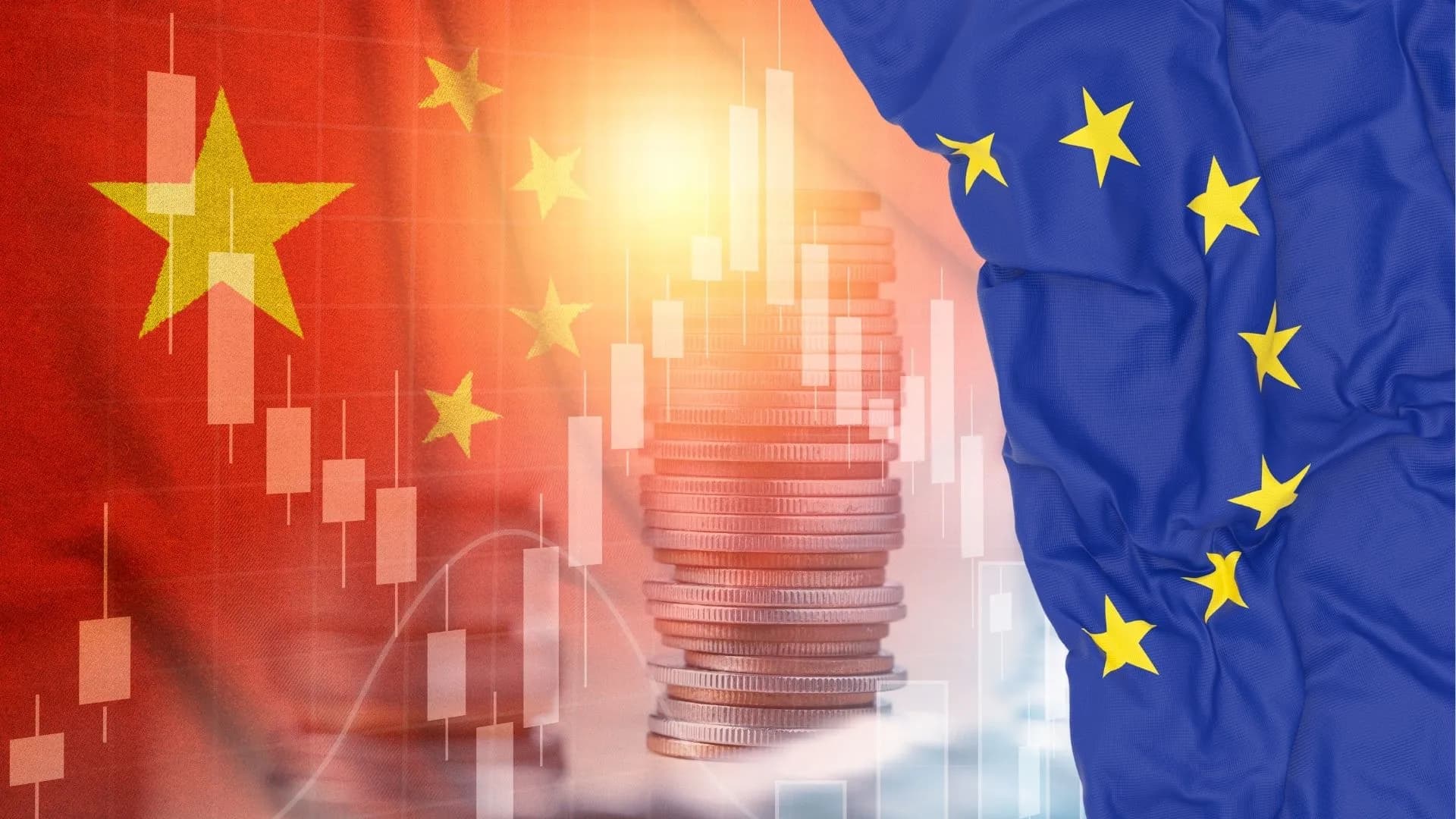
China’s rapid rise in the electric vehicle sector has triggered a profound transformation in Europe’s automotive market. While affordable Chinese EVs offer clear benefits to consumers and support climate goals, they also intensify competitive pressure on European automakers, threatening profitability, employment, and industrial capacity. This development exposes the EU’s vulnerabilities in supply chains and industrial sovereignty. Europe’s response will depend on a comprehensive strategy based on domestic investment, balanced trade policies, industrial cooperation, and supply chain diversification.
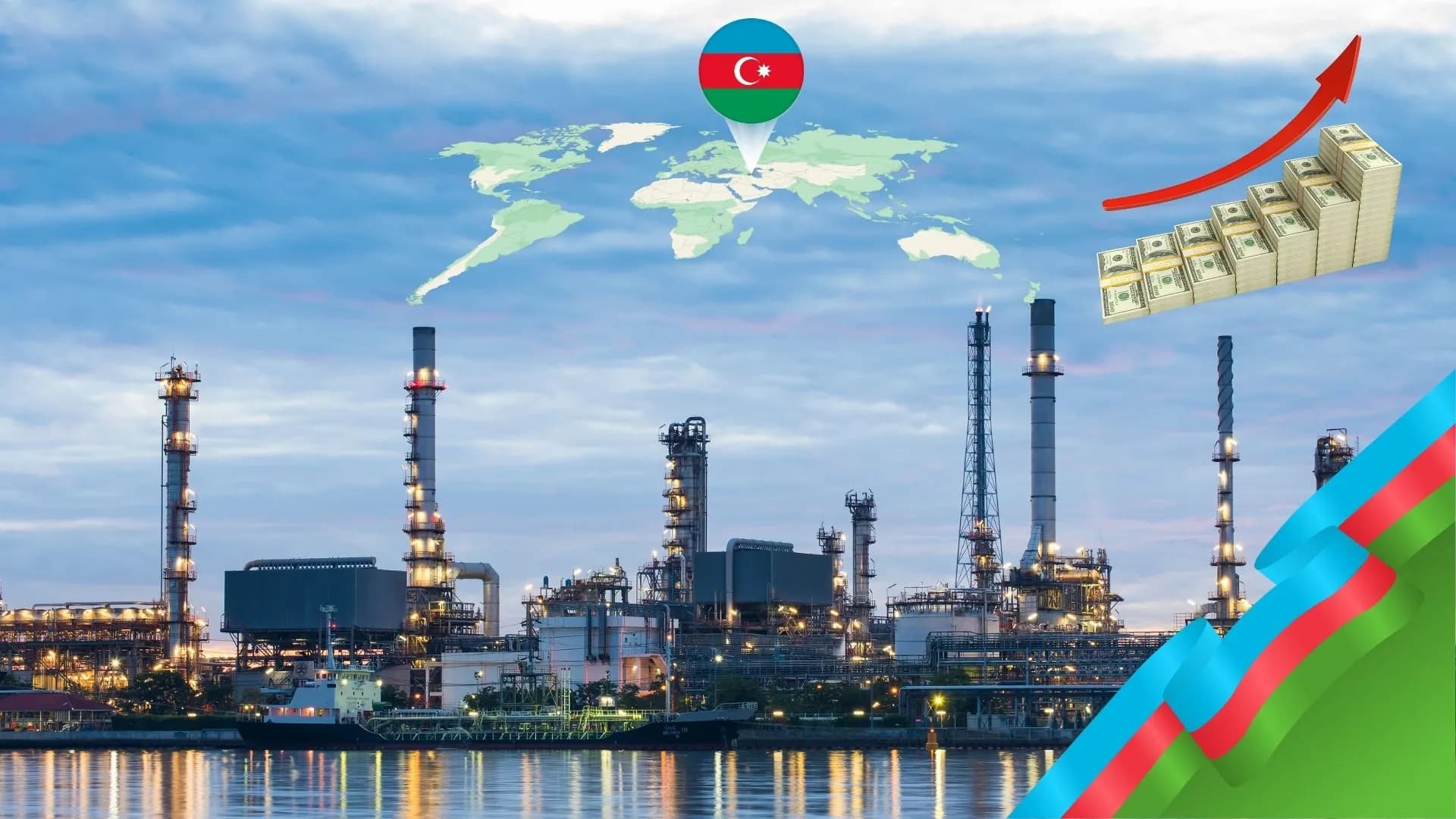
Azerbaijan has moved beyond an oil- and gas-dependent growth model toward comprehensive economic diversification focused on agriculture, industry, logistics, tourism, the digital economy, and renewable energy. Guided by the “Azerbaijan 2030” vision, government policies, infrastructure investment, human capital development, and innovation-driven reforms have turned non-oil sectors into key engines of growth. This strategy strengthens Azerbaijan’s economic resilience, sustainability, and global integration.
This study examines continuity and change in Eurasian multilateralism from COMECON and the Warsaw Pact to the Shanghai Cooperation Organization. Unlike its Soviet-era predecessors, the SCO adopts a flexible and pragmatic model linking security and economic development. However, this flexibility also limits the organization’s ability to manage internal disputes such as Kashmir and Afghanistan. The SCO is best understood not as a fully formed alternative order, but as an evolving experiment in Eurasian multilateralism.
This article examines why religion is debated with exceptional intensity in Muslim societies. It argues that the harshness of these debates stems not from religious dogmatism, but from religion’s continued role as a constitutive framework for social order, identity formation, and moral legitimacy. Unlike Western modernization—where religion largely retreated into the private sphere—modernization in Muslim societies was often rapid, externally imposed, and institutionally disruptive. As a result, religion became both a target of reform and a refuge of meaning. Drawing on classical and contemporary social theory, the study demonstrates that fierce religious debates signal not decline, but the enduring centrality of religion in contexts marked by identity crises and civilizational uncertainty.
The decision by Soulaimane El Mokadem, a former PTB deputy in Brussels, to join the Socialist Party (PS) goes far beyond a simple party switch. It is a politically revealing event, sitting at the crossroads of three deep-seated crises
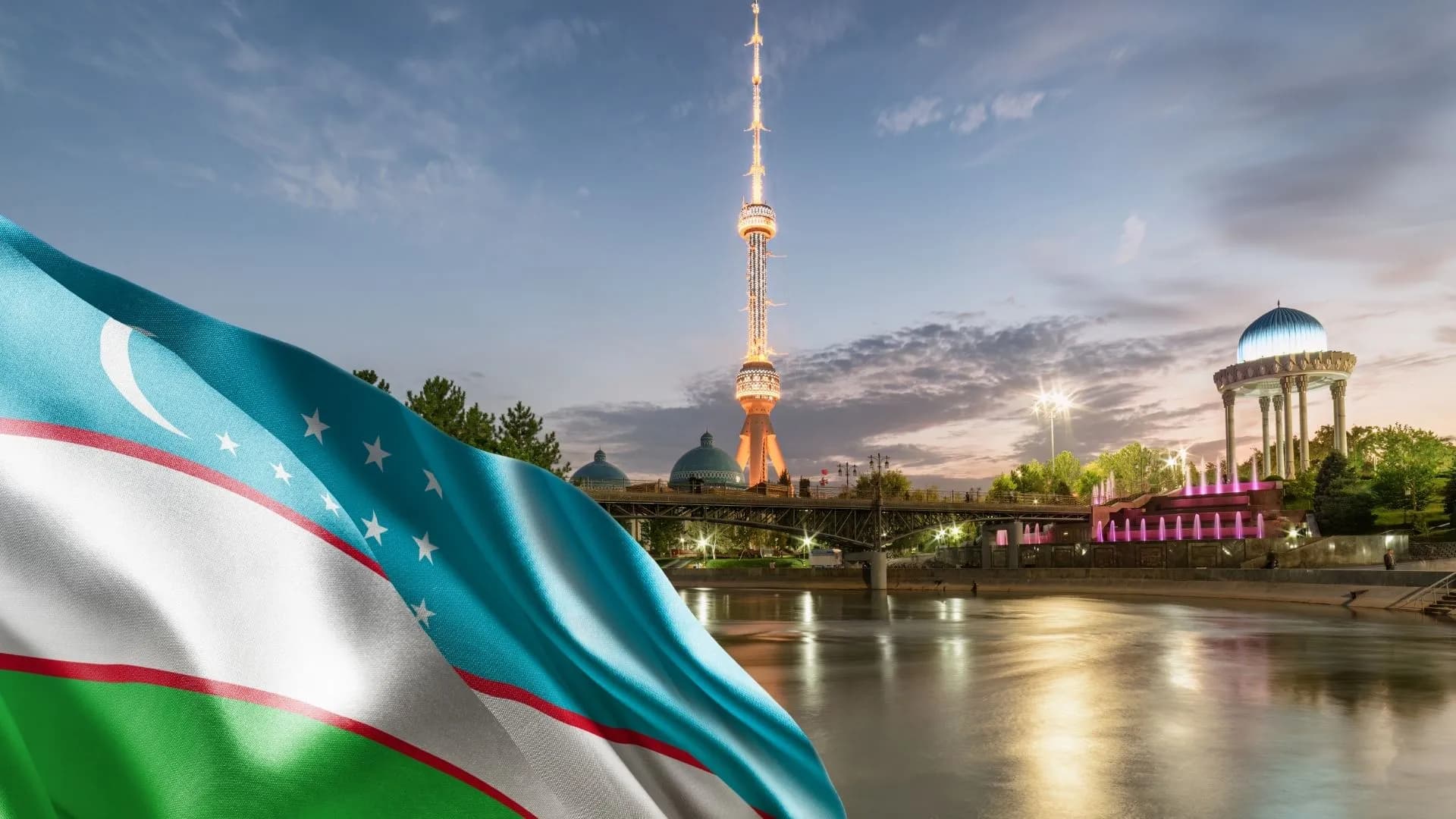
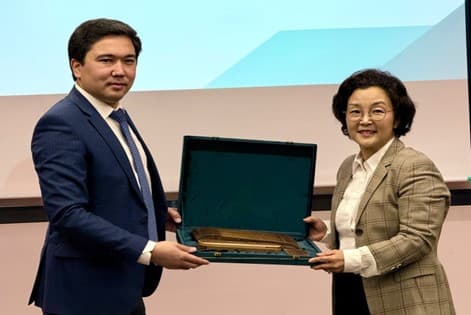
The official visit to Japan clearly demonstrated President Shavkat Mirziyoyev’s political character, governance style, and strategic vision. This trip was not only about diplomacy—it showed how and where he intends to lead New Uzbekistan, with clarity and determination.
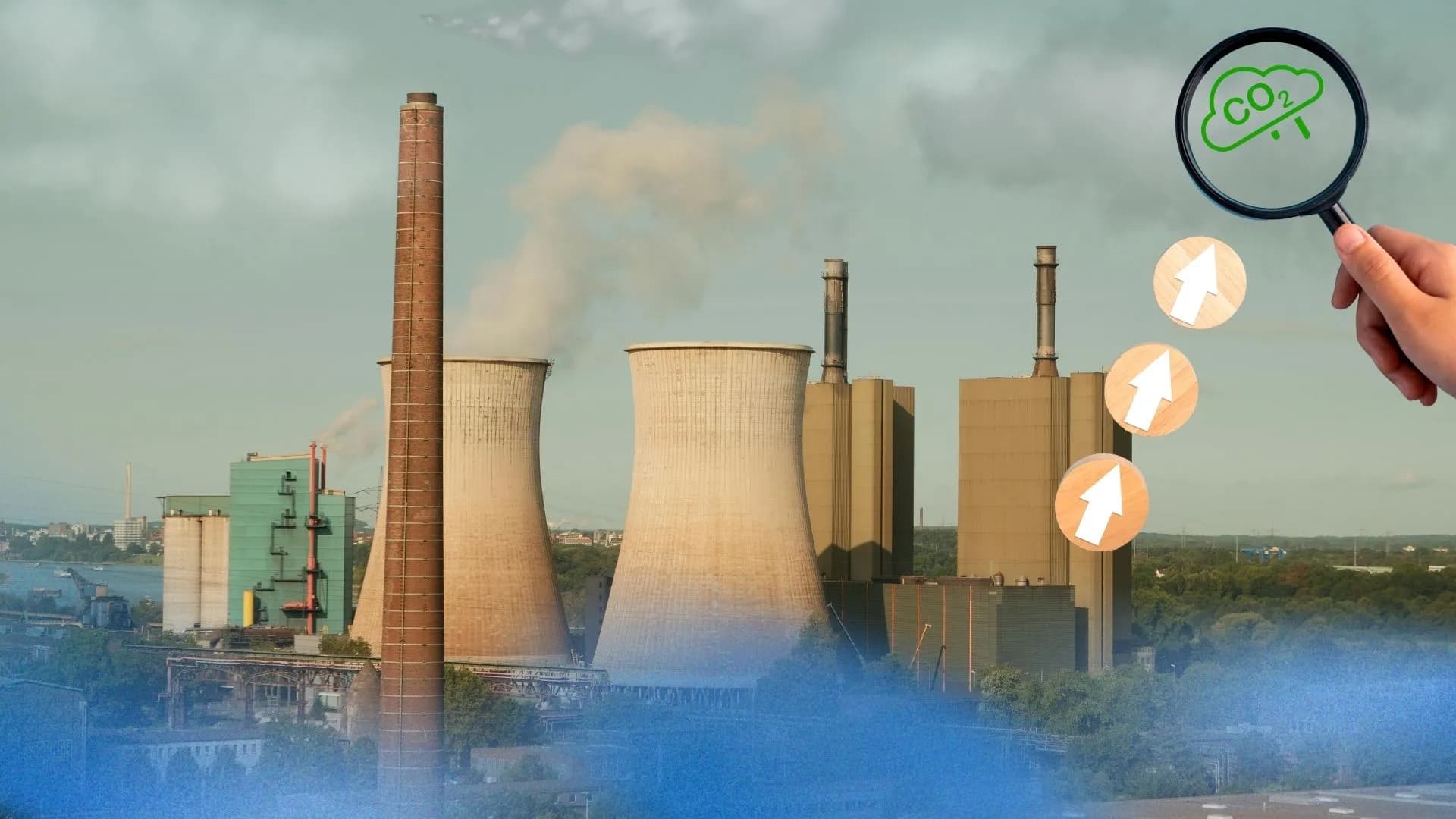
The article examines the rapid expansion of carbon capture technologies as a core response to industrial emissions. It analyses leading global companies, their diverse technological approaches, and their role in enabling net-zero and circular carbon economy goals.
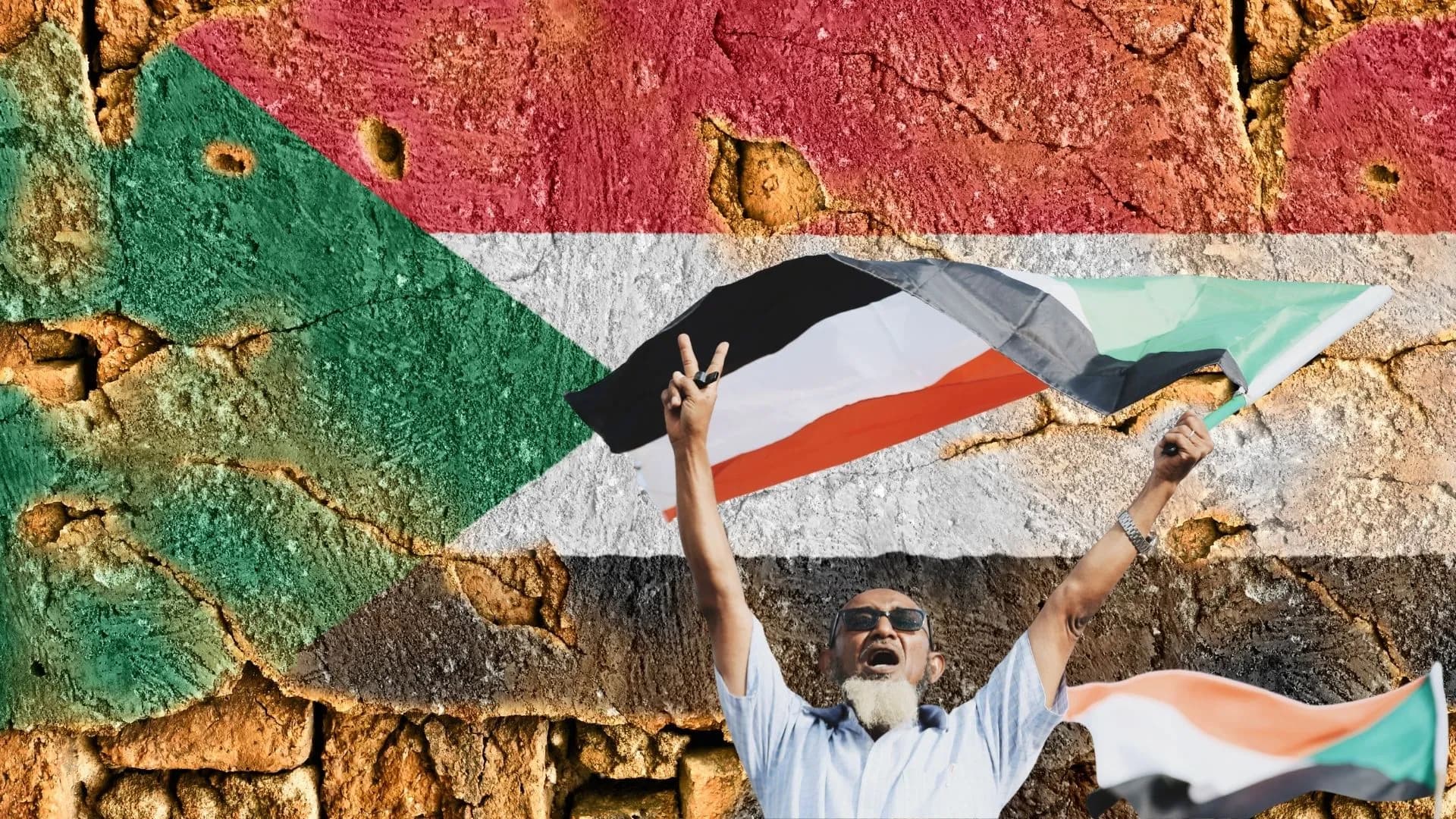
This article examines how constructed identity narratives of “Arab” and “African” in Sudan—rooted in culture, language, and politics rather than race—have been transformed into instruments of power, exclusion, and mass violence. Tracing the historical coexistence of Sudanese communities and the later politicization of identity by the modern state, the study shows how marginalization in regions such as Darfur was reframed through ethnic labels. The militarization of these narratives, particularly through the Janjaweed and their successor, the Rapid Support Forces, turned identity into a mechanism of war. External interventions further hardened these divisions, producing one of the world’s largest humanitarian crises. The Sudanese case demonstrates that identity, while socially constructed, can become lethally real when mobilized for political and geopolitical ends.
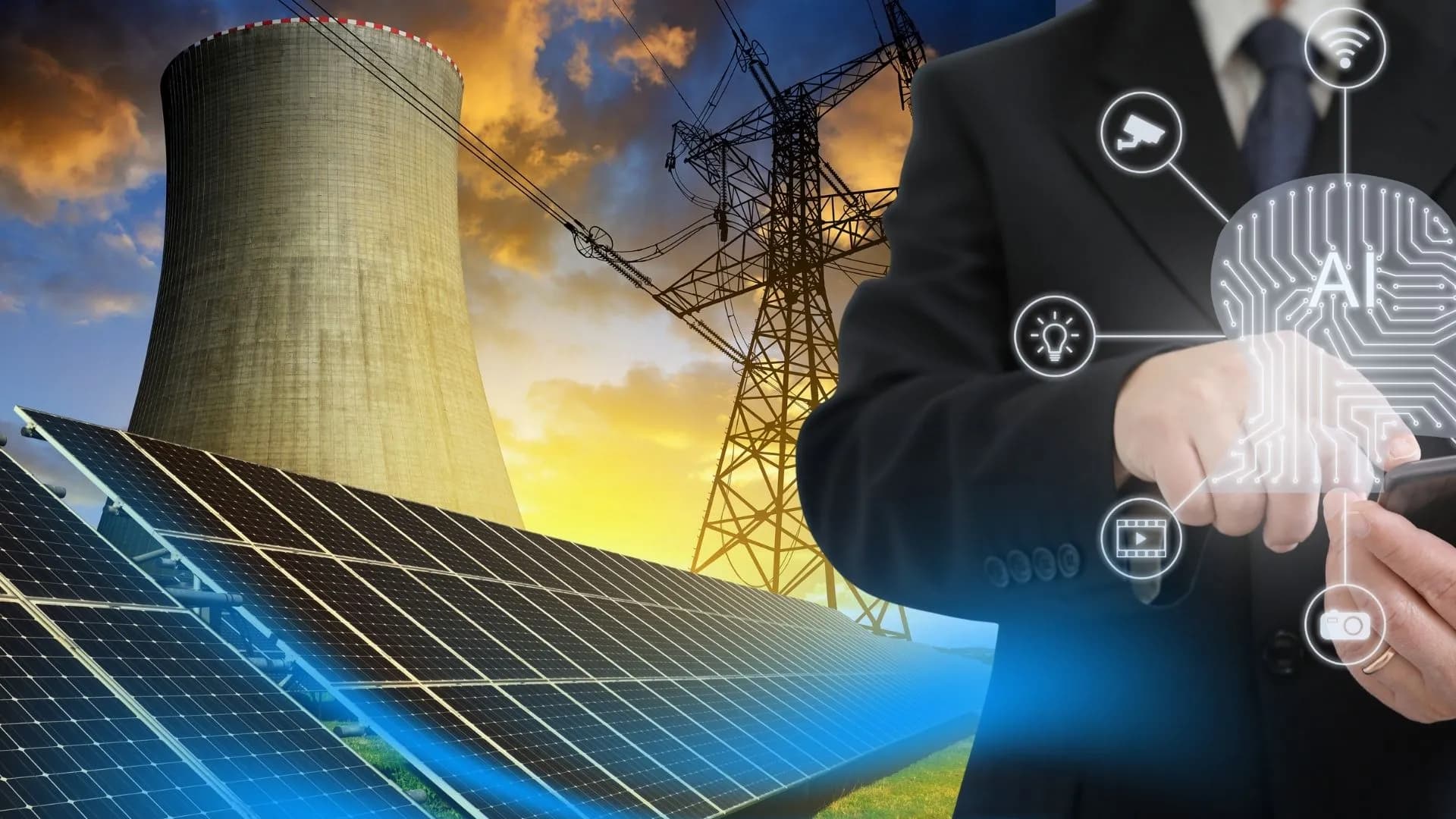
This study examines the transformative role of artificial intelligence (AI) in the energy sector, focusing on key application areas ranging from cybersecurity and supply chain management to emissions monitoring, energy production, trading, and predictive maintenance. AI-driven solutions enhance operational efficiency, strengthen system security, and support sustainability objectives. The findings indicate that AI has evolved into a strategic governance and decision-making instrument within contemporary energy systems.
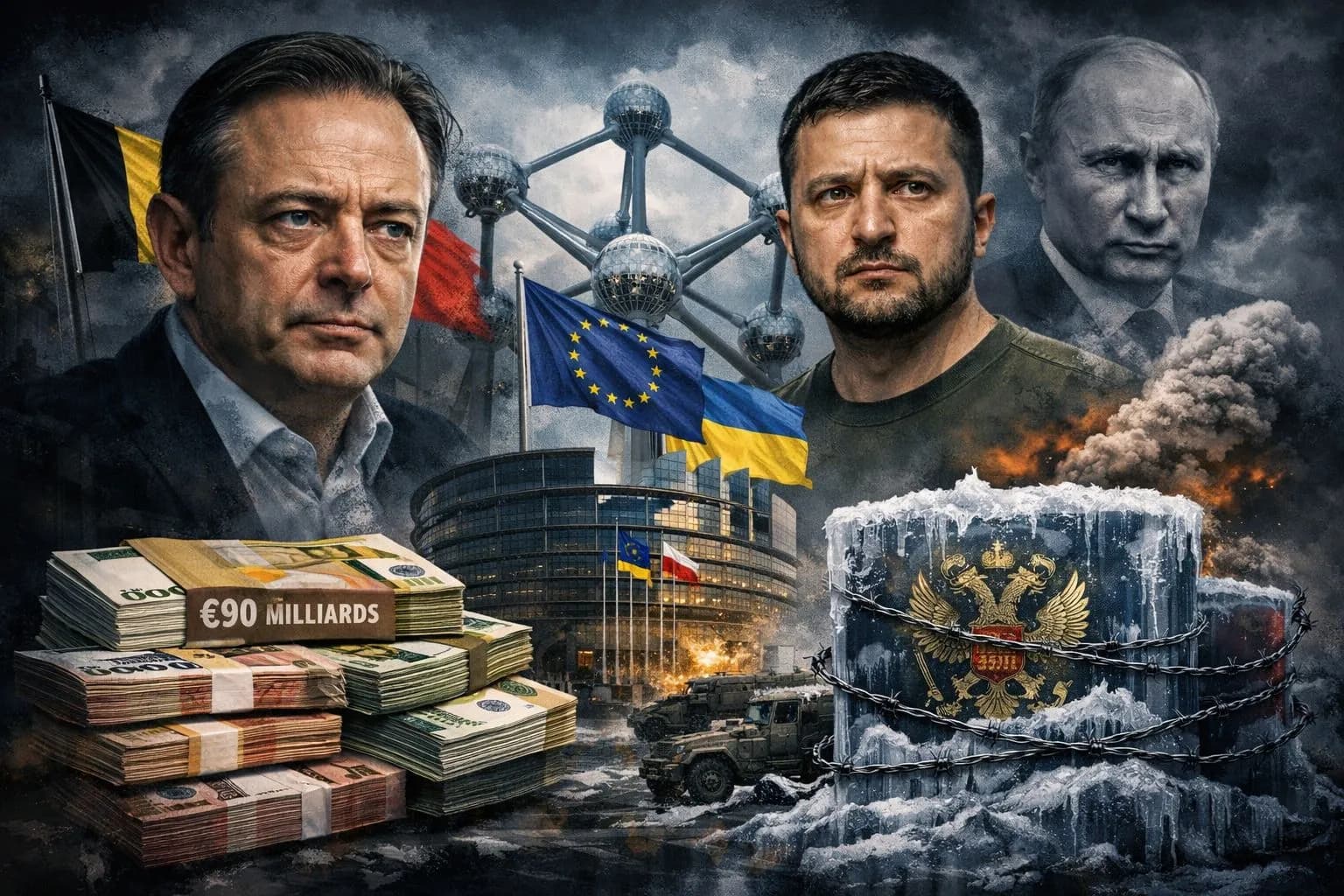
The European Union is approaching a critical decision on how to finance Ukraine’s estimated €137 billion funding needs for the 2026–2027 period. EU leaders meeting in Brussels remain divided between using frozen Russian state assets and relying on new EU-level borrowing. European Commission President Ursula von der Leyen has framed this decision as a turning point for Europe’s strategic autonomy and security. The outcome of the summit will reveal whether the EU can convert its geopolitical ambitions into sustainable financial and political action.
Energy security has emerged as a multidimensional policy domain that is directly linked to economic development, social welfare, and national security within the contemporary international system. Ensuring the availability of energy resources in the desired quantity, at reasonable costs, at the right time and in the right place requires a holistic approach that goes beyond technical and economic considerations to include geopolitical, security, and governance dimensions. This study aims to establish the theoretical foundations for a qualified threat analysis of energy security by systematically examining seven core parameters that constitute energy security. The framework developed through the parameters of geopolitics, national security, physical security, cybersecurity, logistics, markets, and sustainability reveals the dynamic and multi-layered nature of energy security.
Avşarspor is more than a football club; it represents the Avşar Turkic spirit rooted in history and culture. Drawing strength from its ancestral heritage, the club sees every match as a continuation of a legacy. Beyond sporting success, Avşarspor aims to preserve Turkic identity, strengthen bonds across the Turkic world, and keep shared cultural memory alive.
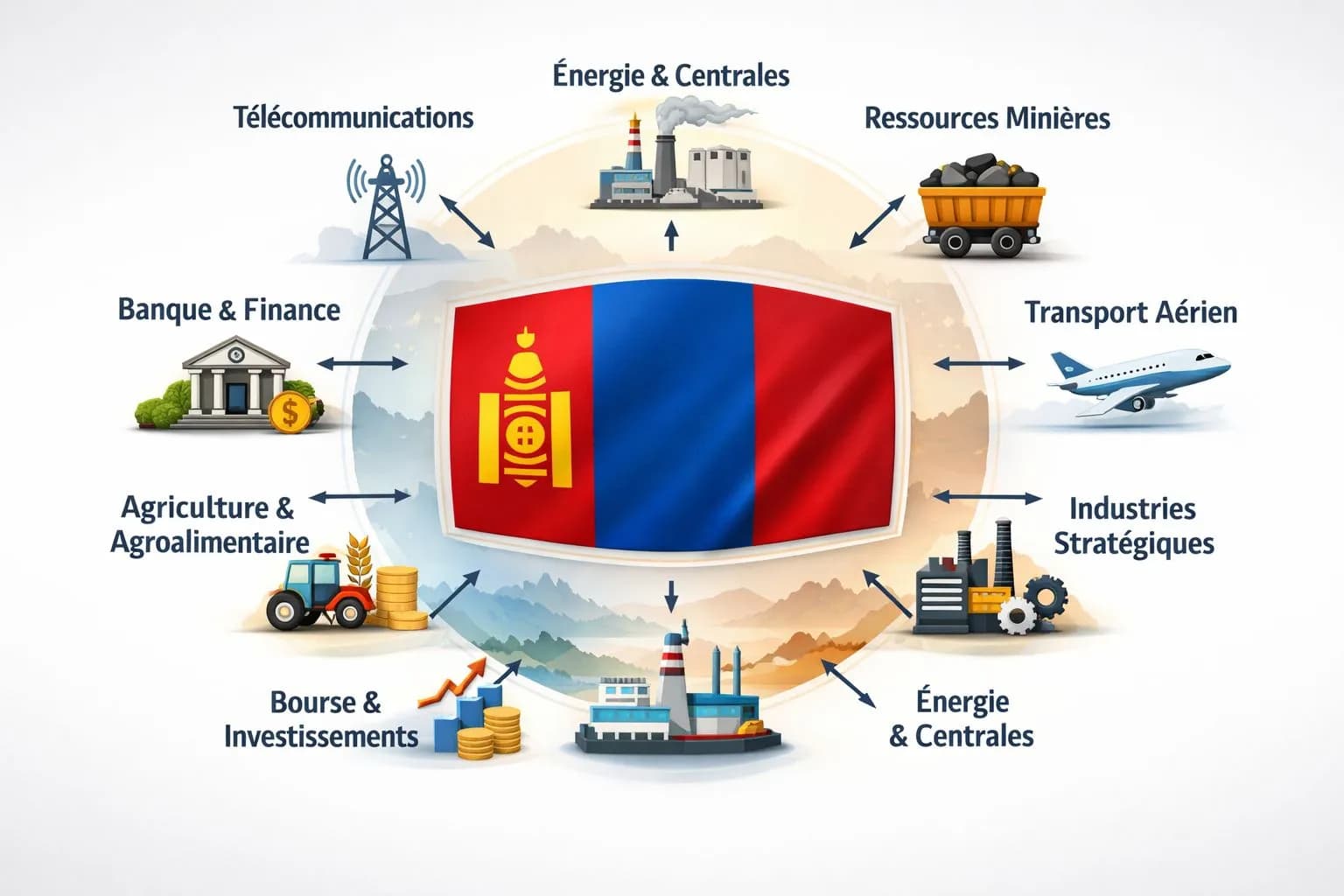
the privatization of 18 state-owned enterprises through the issuance of additional common shares and their public offering or expanded listing on the stock exchange.
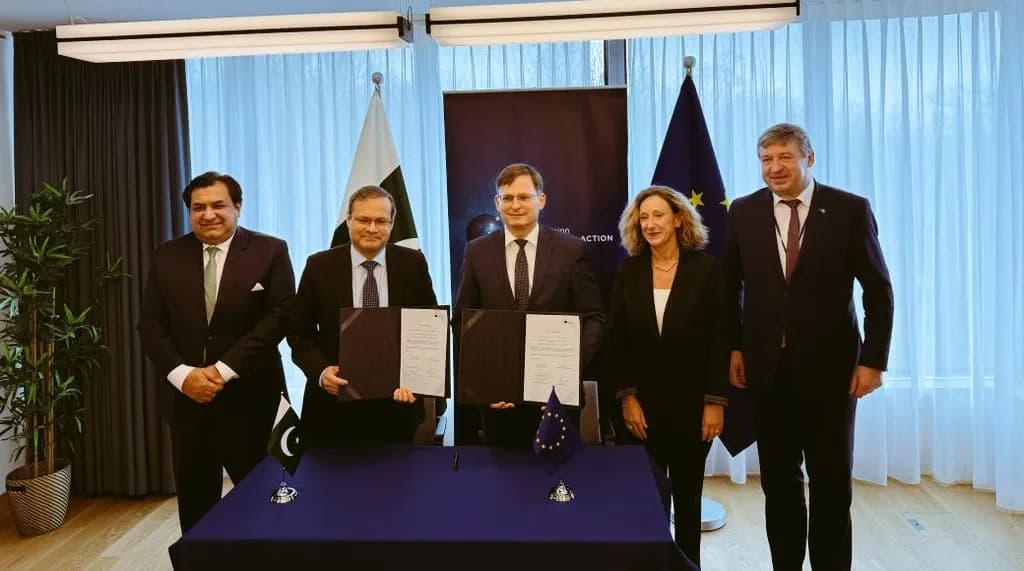
Pakistan and the European Investment Bank signed a declaration to advance a €60 million Karachi sewage and water infrastructure project, strengthening water security and climate-resilient urban services as part of deeper Pakistan–EU cooperation.
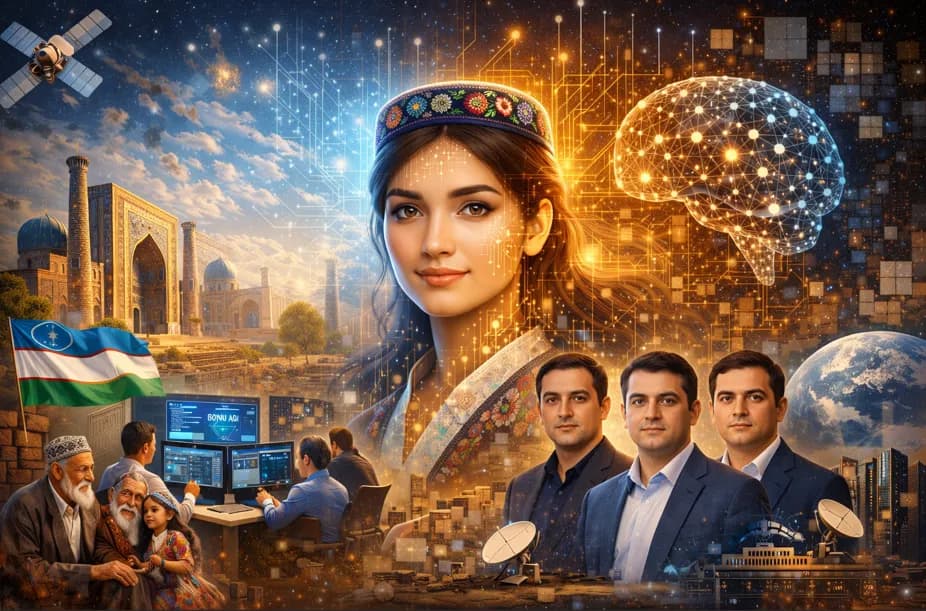
BONU AGI is Uzbekistan’s first national artificial intelligence project, designed to integrate cultural, social, and historical context into AI decision-making. Unlike generic global models, it reflects local ways of thinking and communication, offering a context-aware alternative to foreign platforms. Founded by Baxtiyor Bobohonov, Sardorbek Tursunbekov, and Otabek Sidikov, the project represents a strategic move toward technological sovereignty and indigenous AI development, highlighting the importance of national identity and data independence in the digital age.
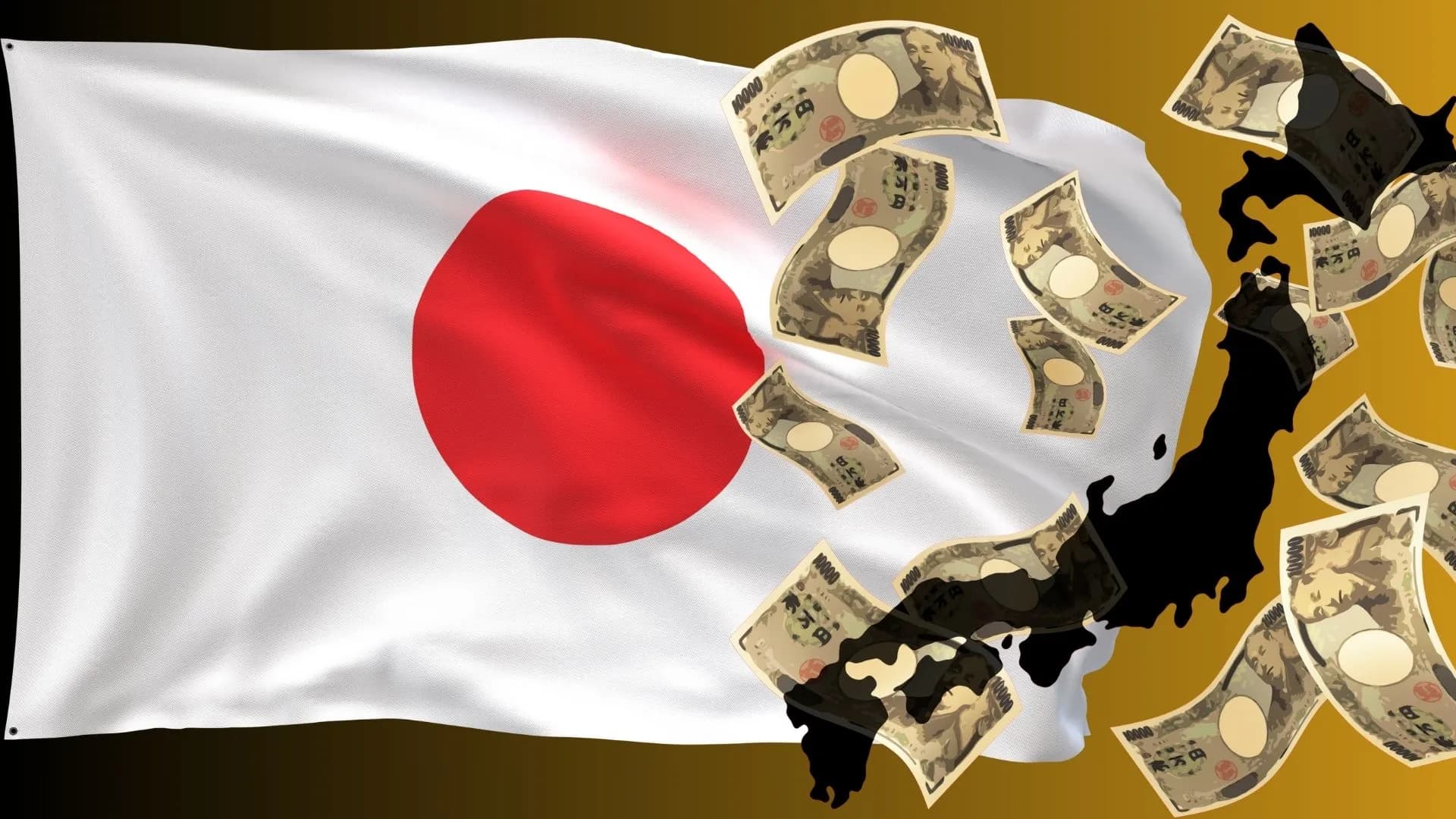
Japan’s Lost Decade, which began with the collapse of the asset bubble in the early 1990s, produced long-lasting economic, social, and political consequences that continue to shape the country today. Japan avoided systemic collapse and stabilized its financial sector, yet economic growth remained persistently low, accompanied by deflation, stagnant wages, and weakened investment.
Trauma affects individuals who experience it directly and may also influence subsequent generations. In Türkiye, traumatic experiences such as earthquakes, forced migration, terrorism, and domestic violence are widespread. This article examines the intergenerational transmission of trauma through psychological processes and epigenetic approaches. The aim is to explain, in clear and accessible language and with examples from Türkiye, how trauma can be transmitted to children through family relationships, parenting styles, and biological vulnerabilities.
Private Military Companies (PMCs) have become influential actors in contemporary conflicts, providing security, training, logistics, and in some cases combat support to states, corporations, and international organizations. Operating as profit-driven corporate entities, they blur the line between public and private use of force. While PMCs offer flexibility and specialized expertise, their expansion raises serious ethical, legal, and accountability concerns.
Artificial intelligence is not a neutral tool but a new global power shaping knowledge and politics. Western-centered algorithms monopolize narratives and values, eroding cognitive sovereignty and deepening digital colonialism.