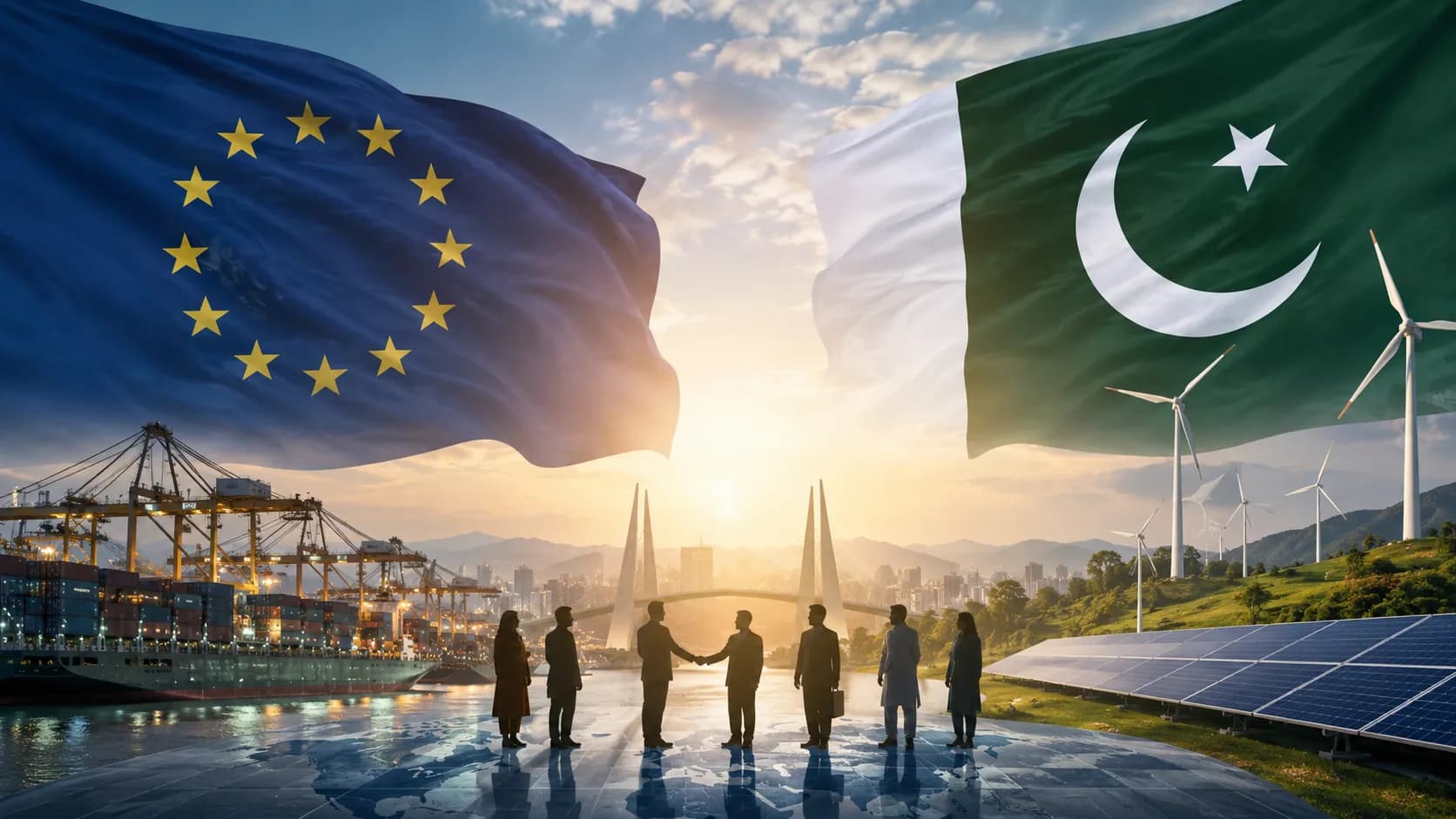
The 8th Strategic Dialogue in Islamabad on 1 June 2026 saw both sides reaffirm commitments on trade, migration, and climate, but human rights and economic fragility remain hurdles.
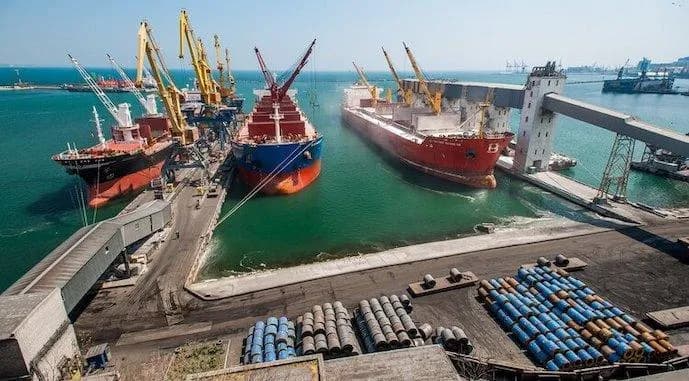
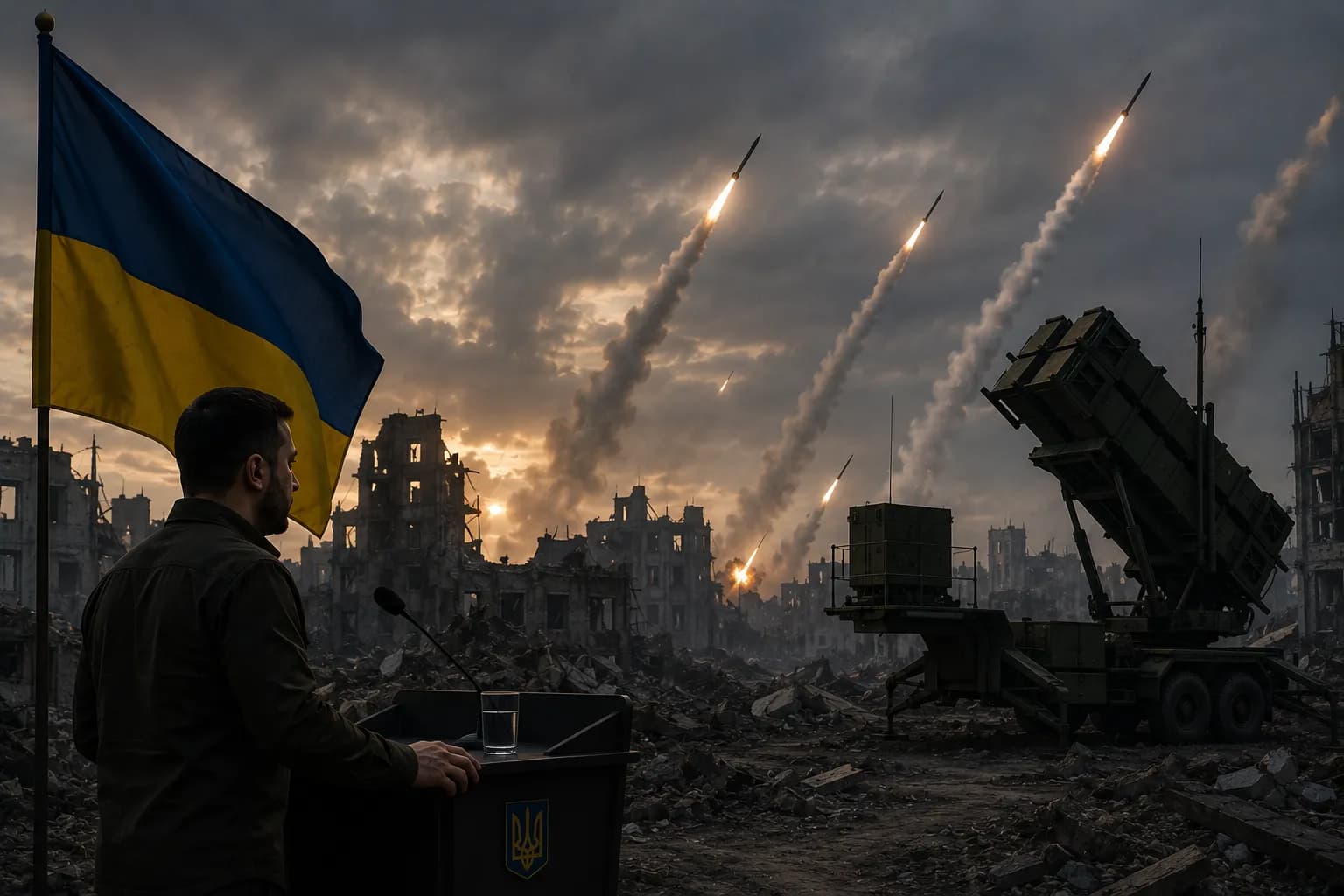
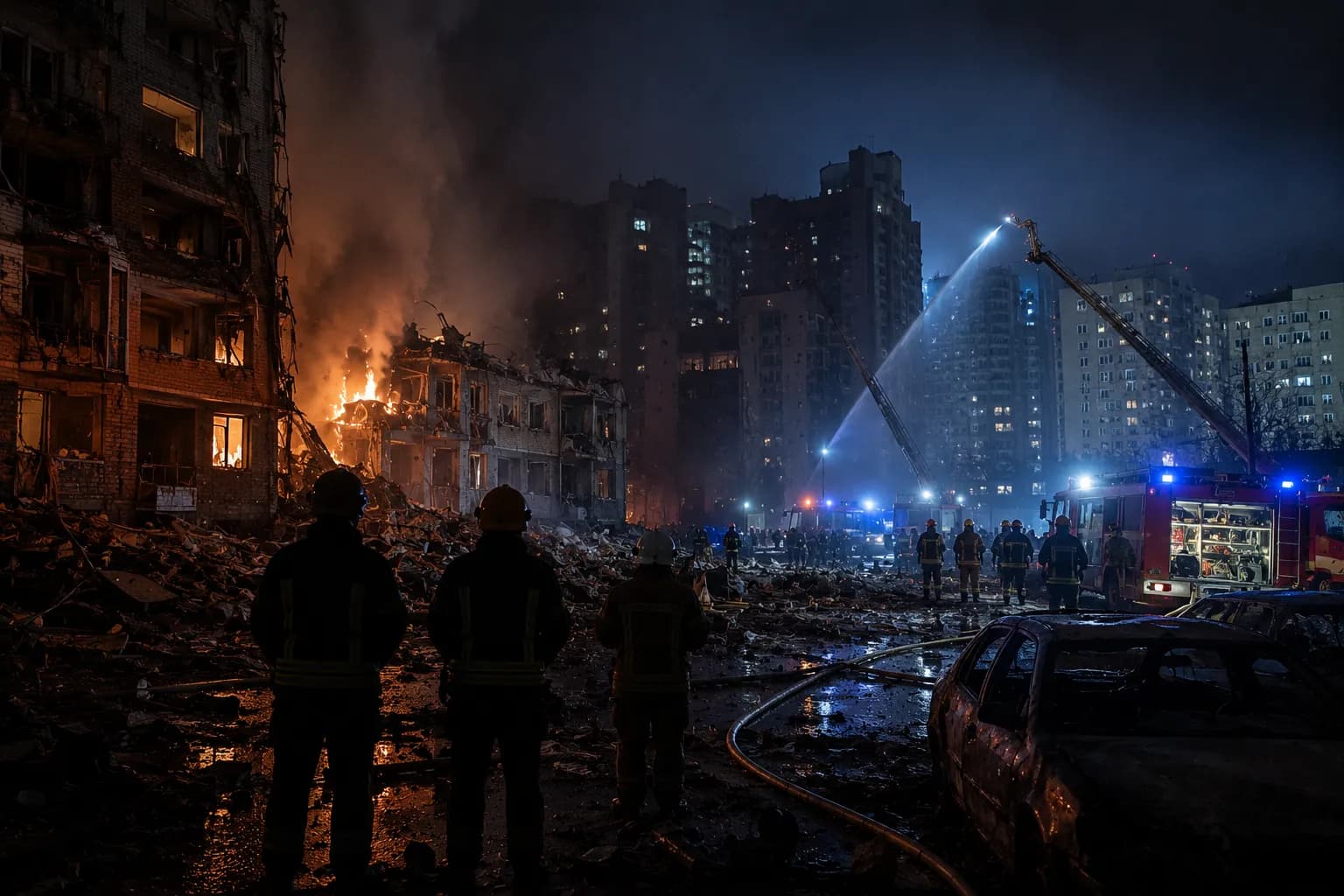
Ukraine has offered Russia a truce on attacks against civilian targets in the Black Sea as strikes disrupt shipping and grain exports. With Ukrainian grain shipments down sharply, growing insecurity is raising concerns over regional trade and global food supplies.
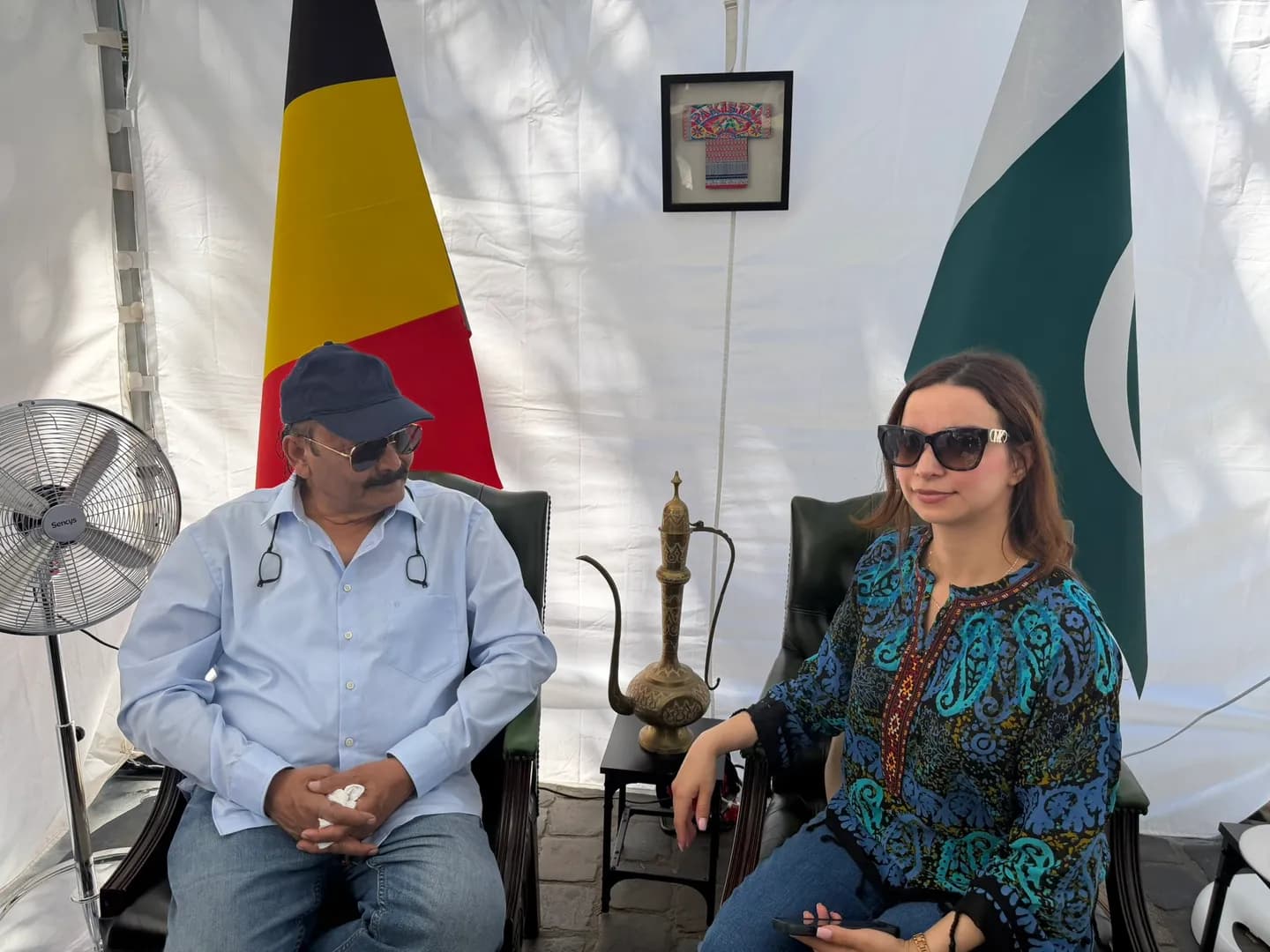
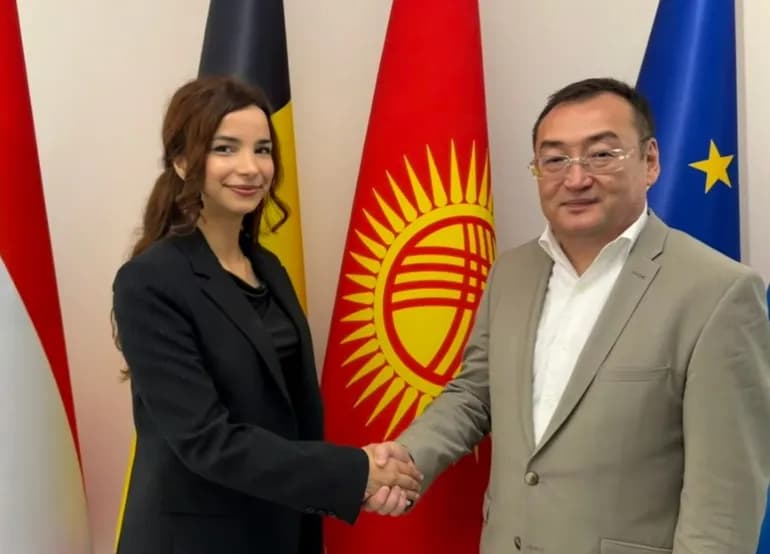
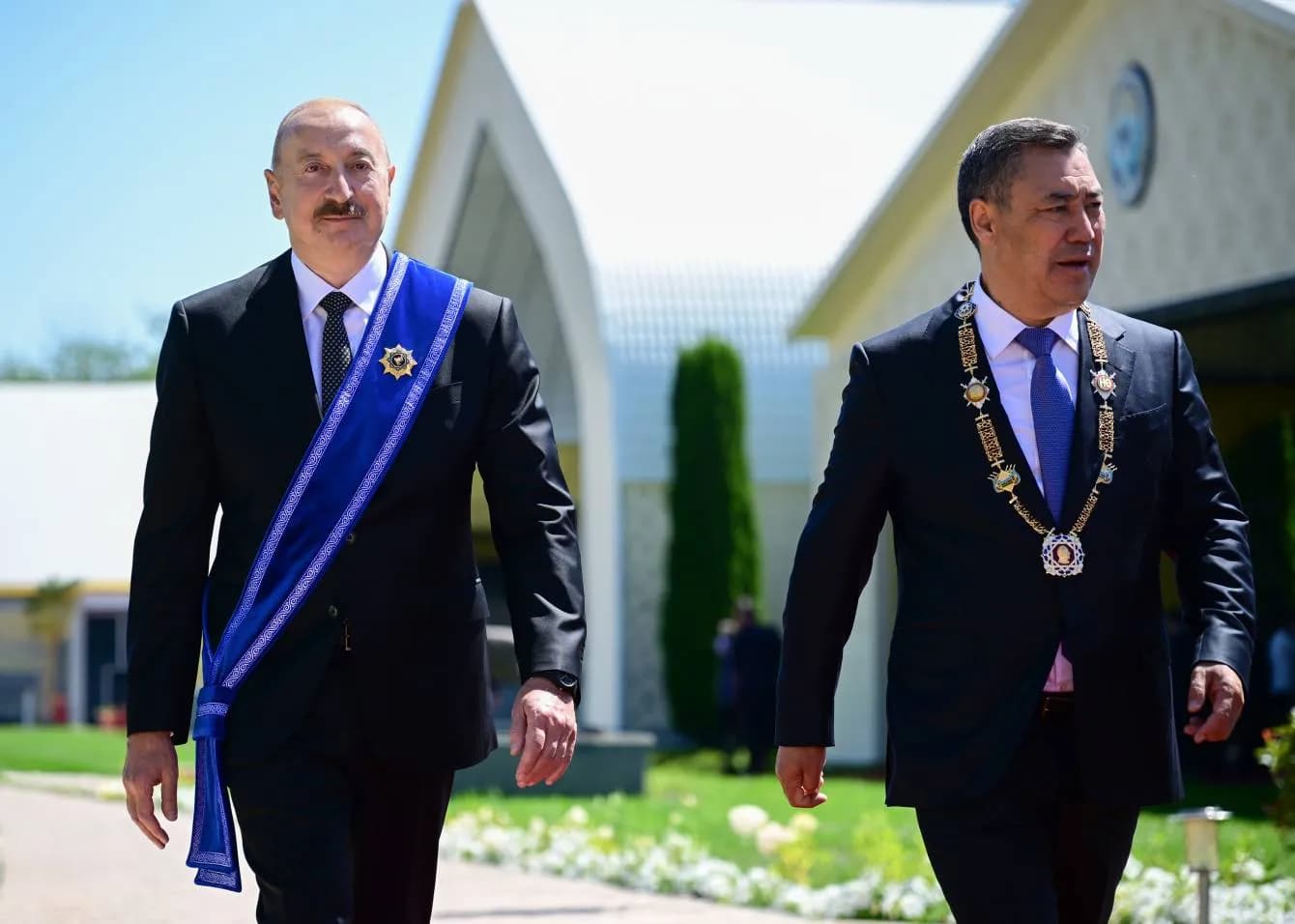
Kyrgyzstan is entering a new chapter in its international engagement. Following its election as a non-permanent member of the United Nations Security Council for the 2027-2028 term, the country is preparing to play a more visible role on the global stage. In an interview with EUReflect, Ambassador Aidit Erkin, Ambassador of the Kyrgyz Republic to Belgium, Luxembourg and the European Union, discussed Kyrgyzstan's priorities at the UN, regional cooperation in Central Asia, and the enduring importance of the Kyrgyz nomadic heritage.
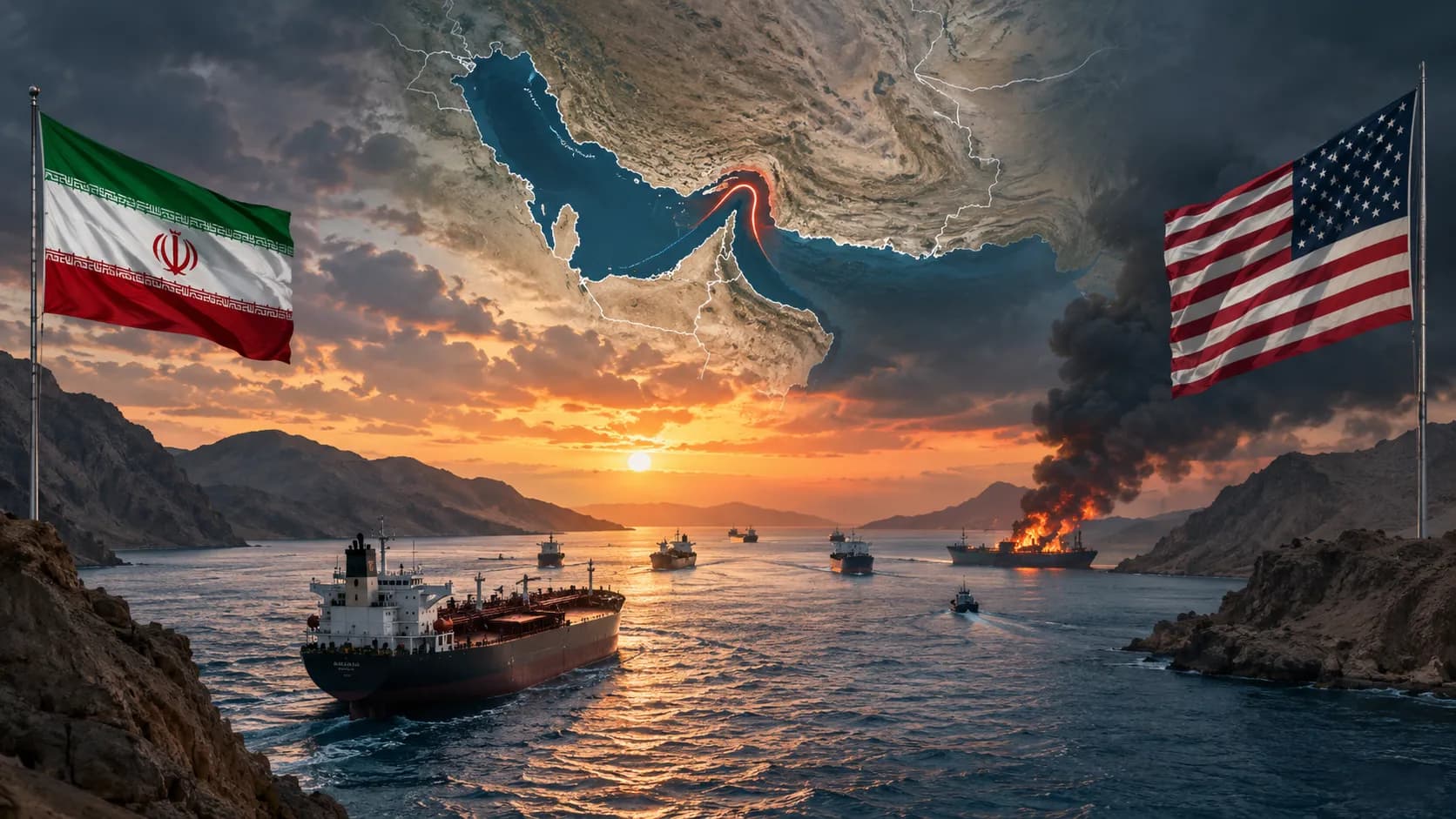
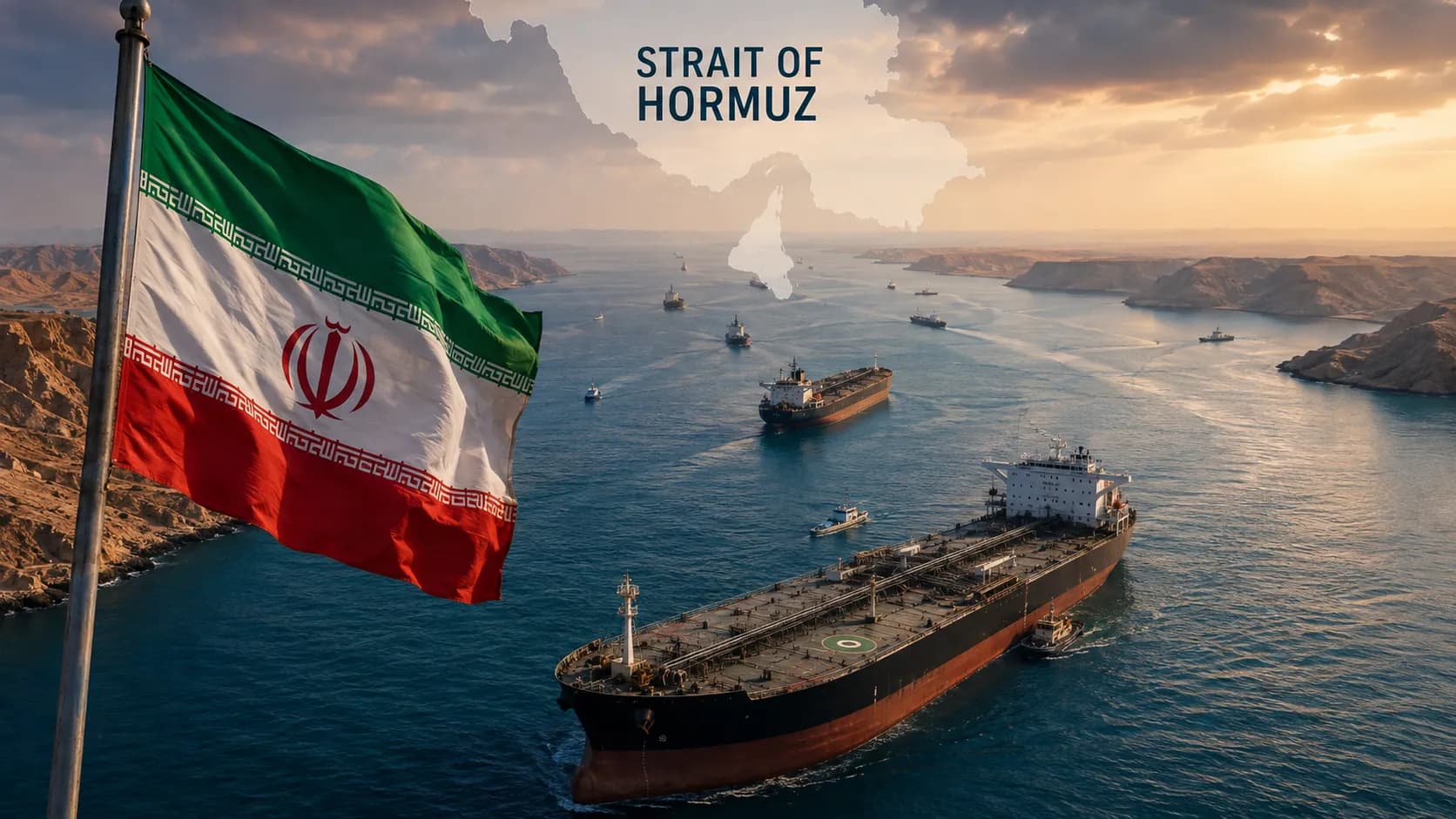
Shipping traffic through the Strait of Hormuz has fallen sharply amid continuing hostilities. Only eight vessels were tracked on Tuesday, far below normal levels, while activity through Bab al-Mandab increased as operators adjusted to growing regional security risks.
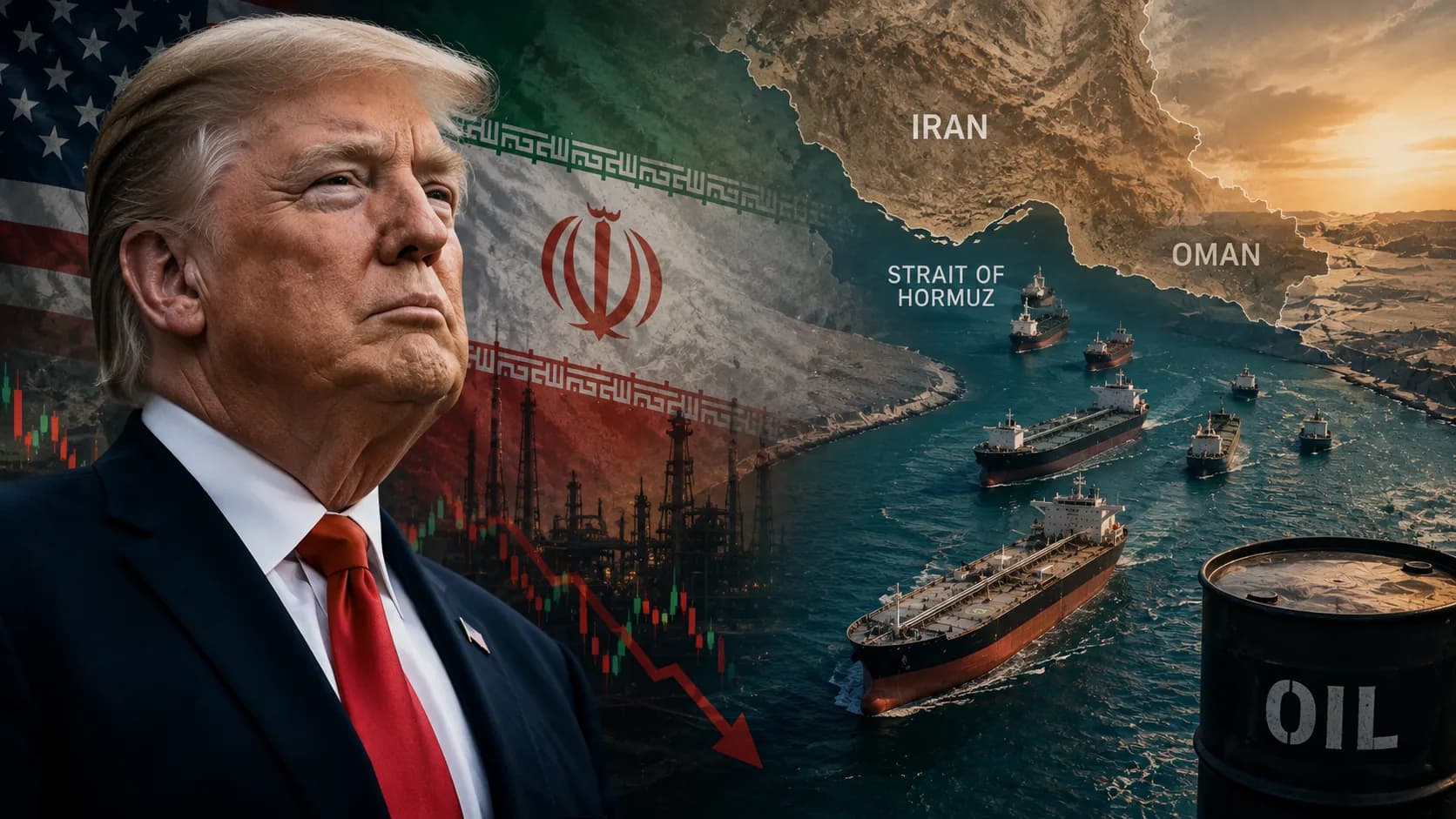
Trump is shifting his Iran strategy toward economic pressure rather than immediate military escalation. As Tehran uses the Strait of Hormuz as leverage, Washington faces a difficult choice between maintaining pressure and creating space for a broader diplomatic settlement.
İran and the United States are locked in a critical dispute over the Strait of Hormuz. Tehran links a full reopening to sanctions relief and other concessions, while Washington seeks to restore shipping without weakening its broader position.
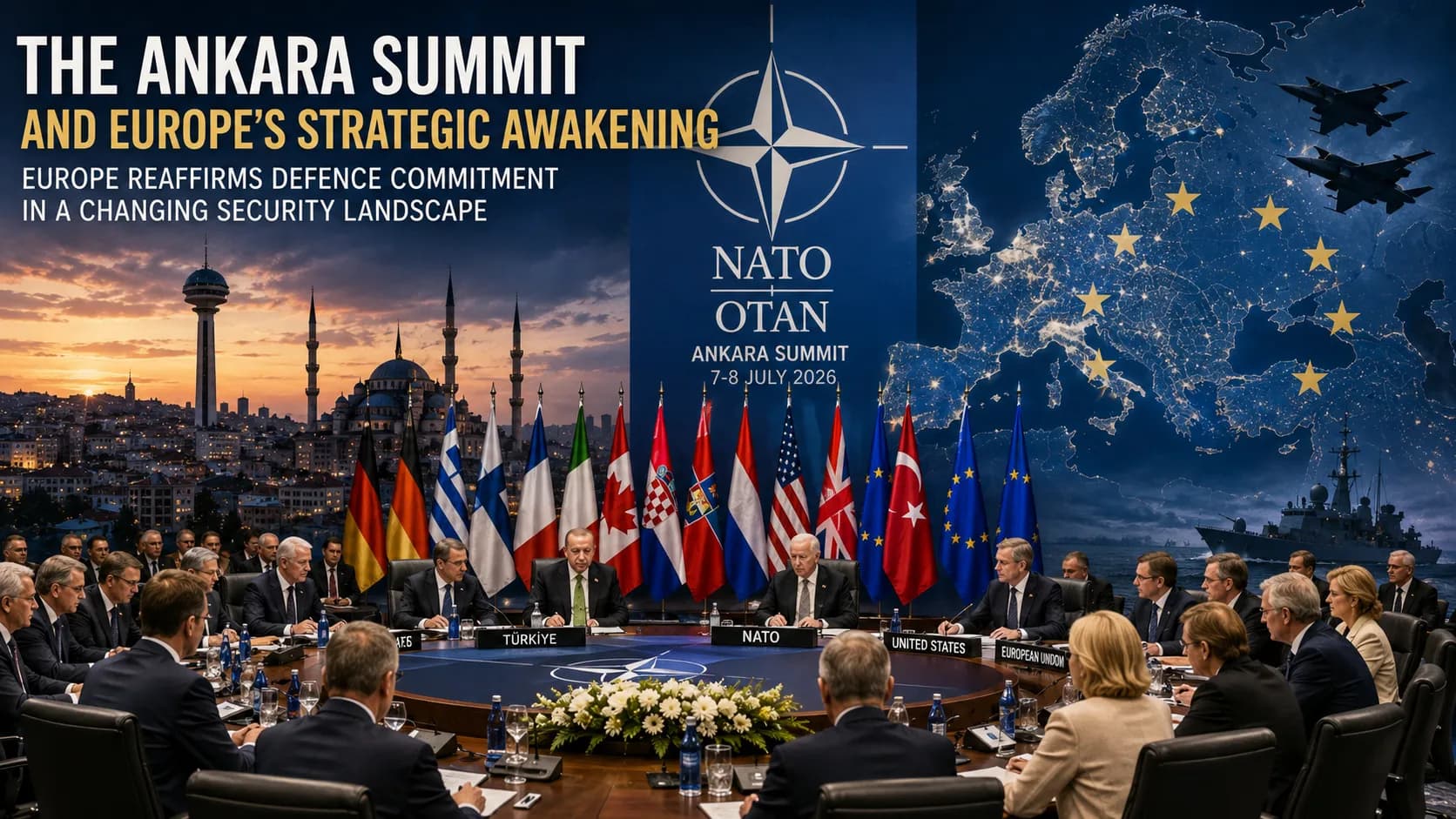
NATO's Ankara Summit highlights Europe's shift toward stronger defence capabilities and strategic autonomy. Amid the Russia-Ukraine war, tensions with Russia and uncertainty over US policy, Europe faces a difficult choice between militarization and preserving its post-war cooperative legacy.
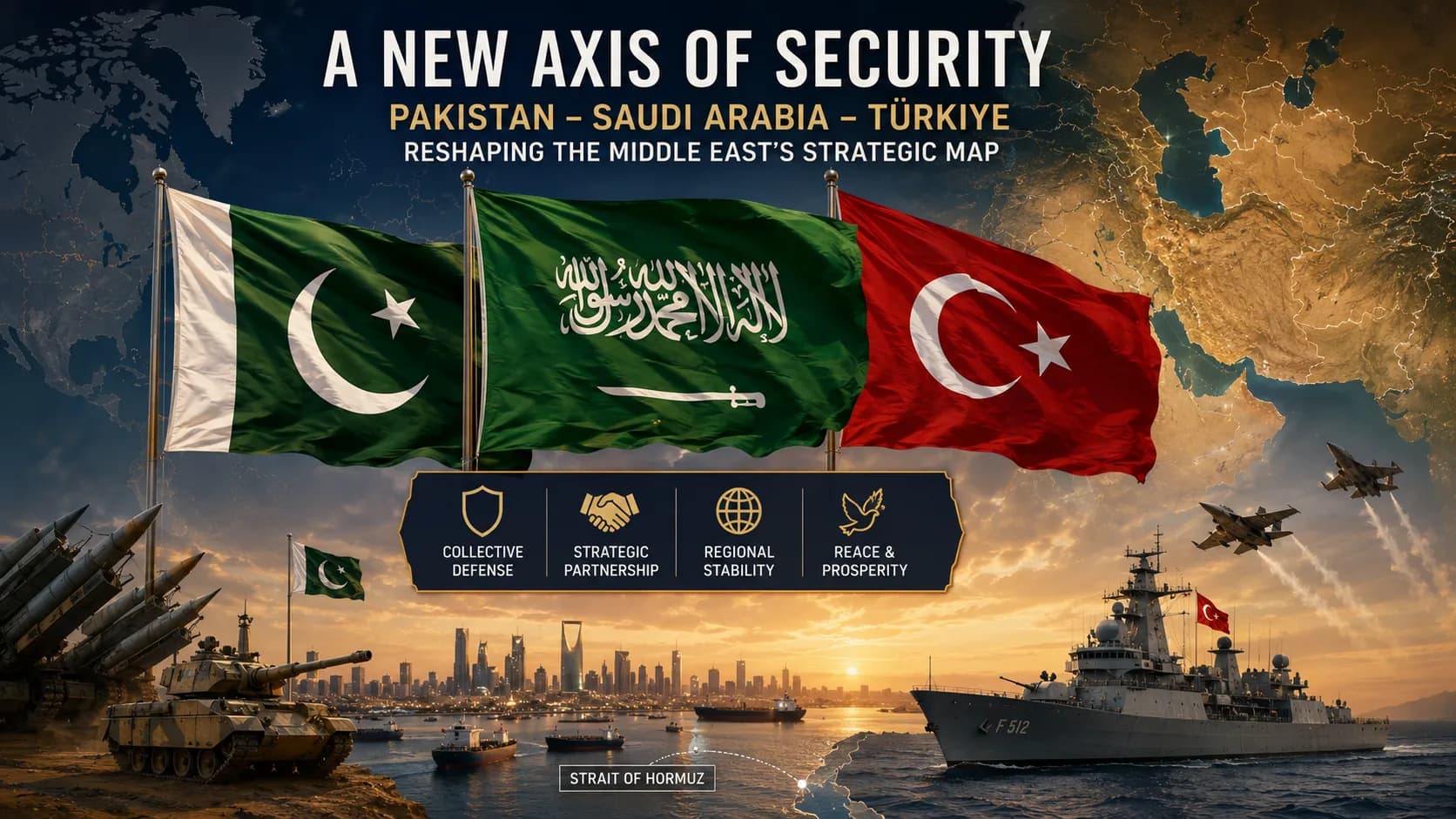
The Pakistan–Saudi Arabia–Türkiye defense pact could reshape Middle East security by strengthening regional self-reliance. Yet nuclear ambiguity, divergent interests, US ties and the risk of wider conflict could challenge its ability to deliver lasting stability.
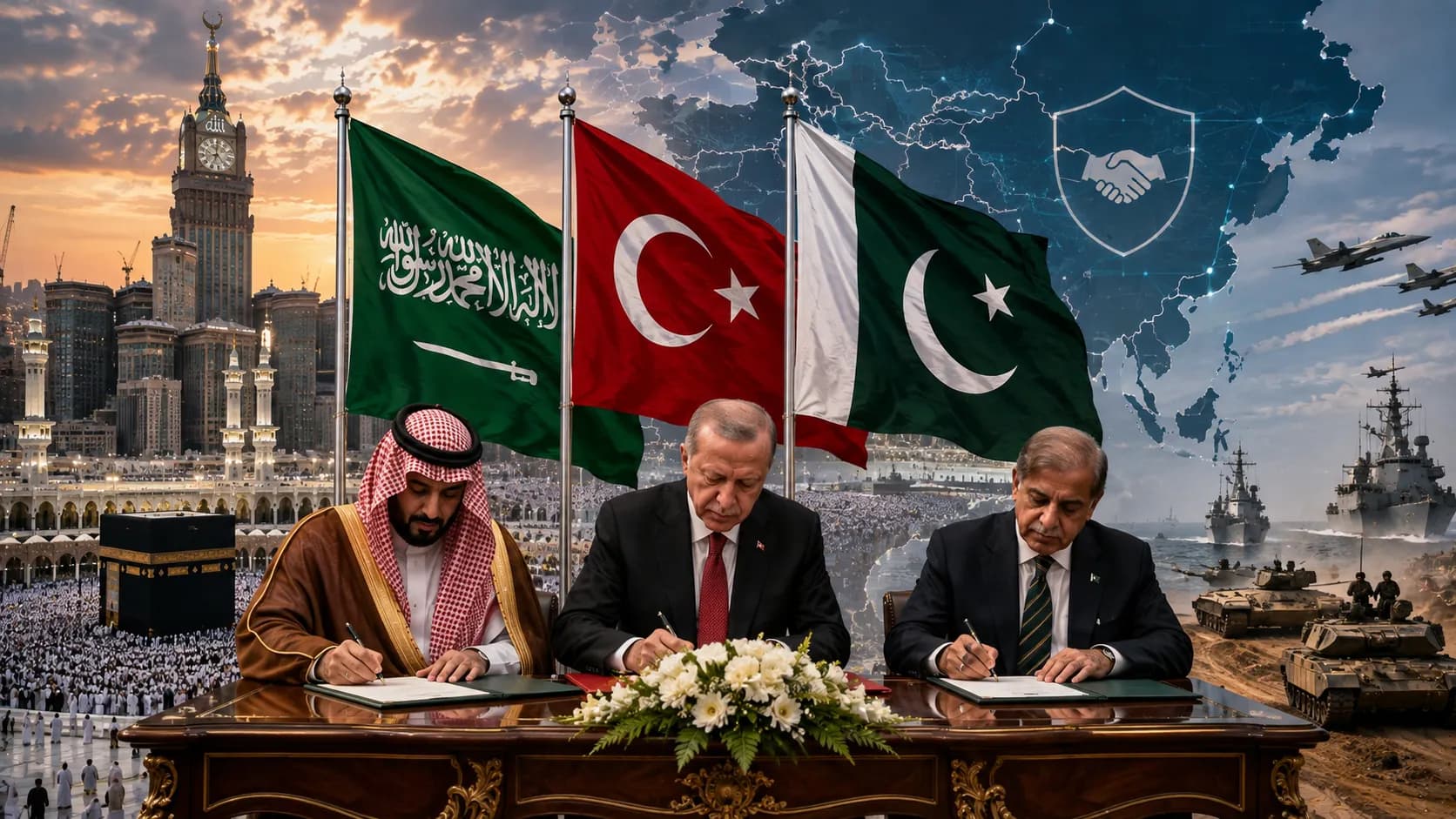
The Makkah Defence Agreement brings Saudi Arabia, Turkey and Pakistan together in a bid to strengthen regional security and strategic autonomy. Its success, however, will depend on whether the three states can build the institutional and operational structures needed for credible collective defence.
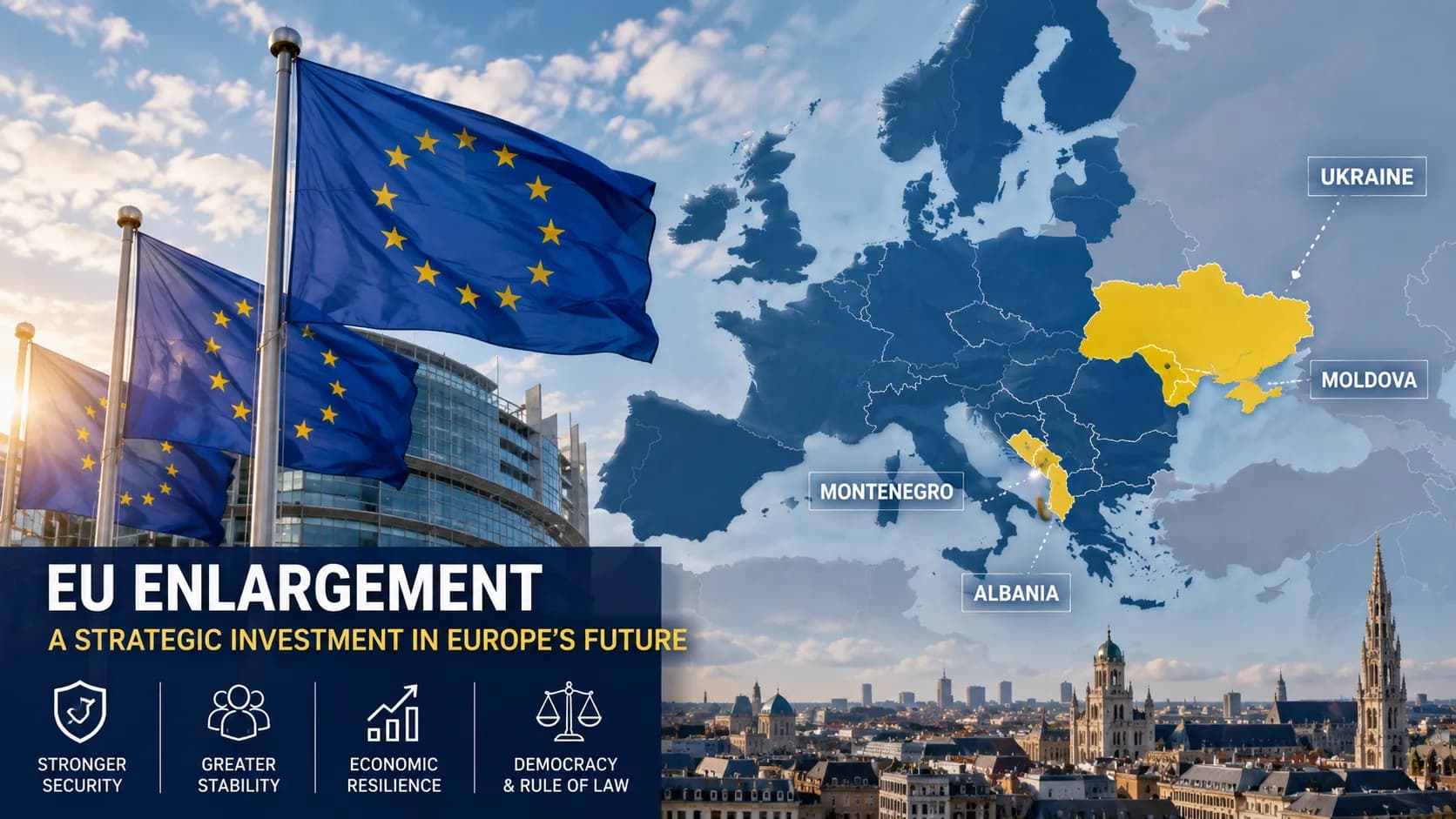
The European Union is accelerating discussions on enlargement as security concerns reshape its strategic priorities. Candidate countries including Ukraine, Moldova, Albania and Montenegro are viewed as essential to strengthening Europe's long-term stability.
Saudi Arabia, Turkey and Pakistan have signed the Mecca Joint Defence Agreement, creating a framework for closer military cooperation and mutual defence. The pact reflects growing regional efforts to strengthen security coordination amid escalating conflicts, energy disruptions and geopolitical uncertainty.
Uzbekistan and Kyrgyzstan signed a Treaty on Allied Relations during President Shavkat Mirziyoyev’s state visit, strengthening long-term cooperation. The agreement focuses on trade, transport, energy, and regional connectivity, with the goal of expanding bilateral trade to $3 billion.
Kazakhstan is investing in major road, rail, and port projects to strengthen the Middle Corridor and become a leading Eurasian logistics hub. Success will depend on infrastructure delivery, regional cooperation, digitalization, and overcoming environmental and geopolitical challenges by 2029.