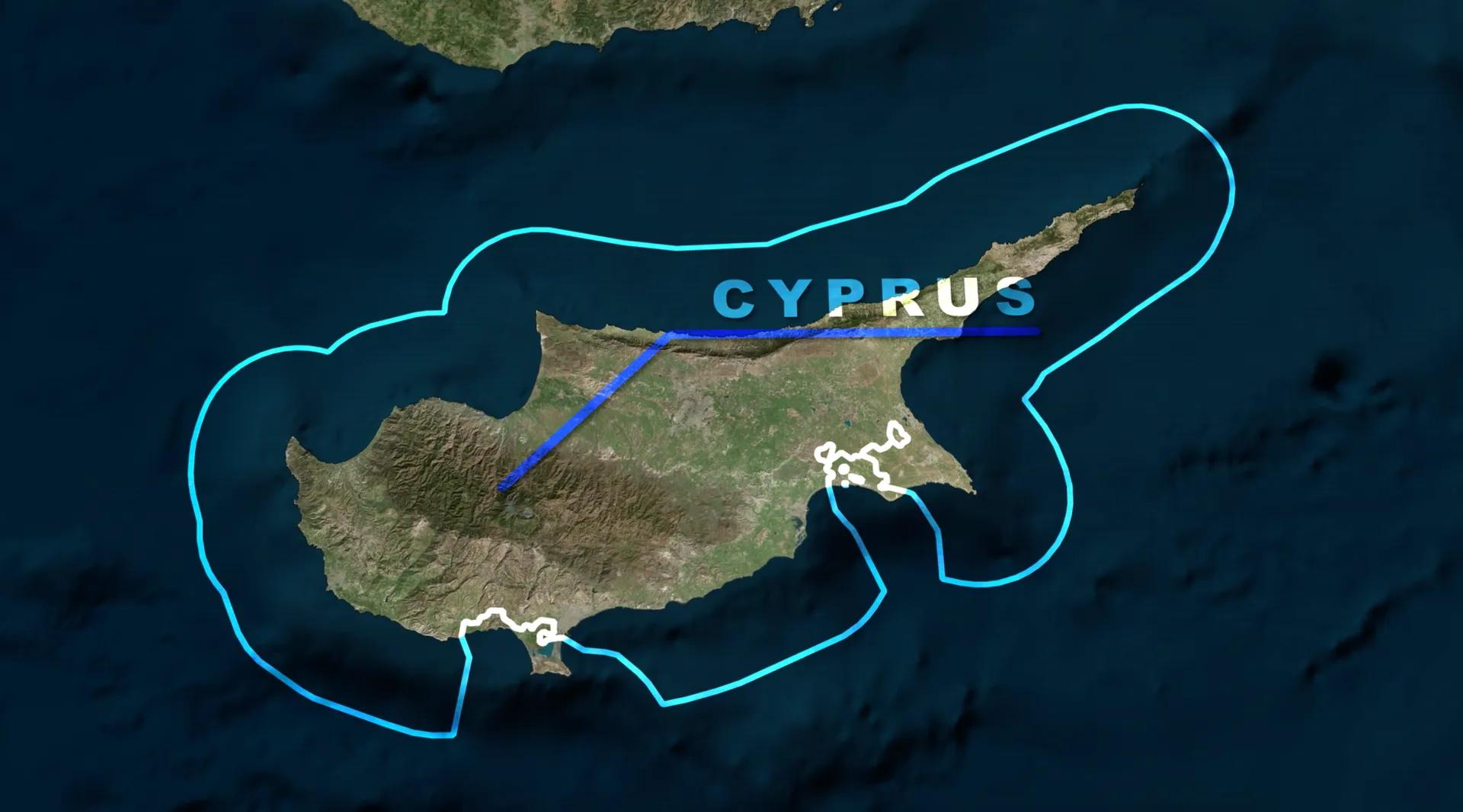
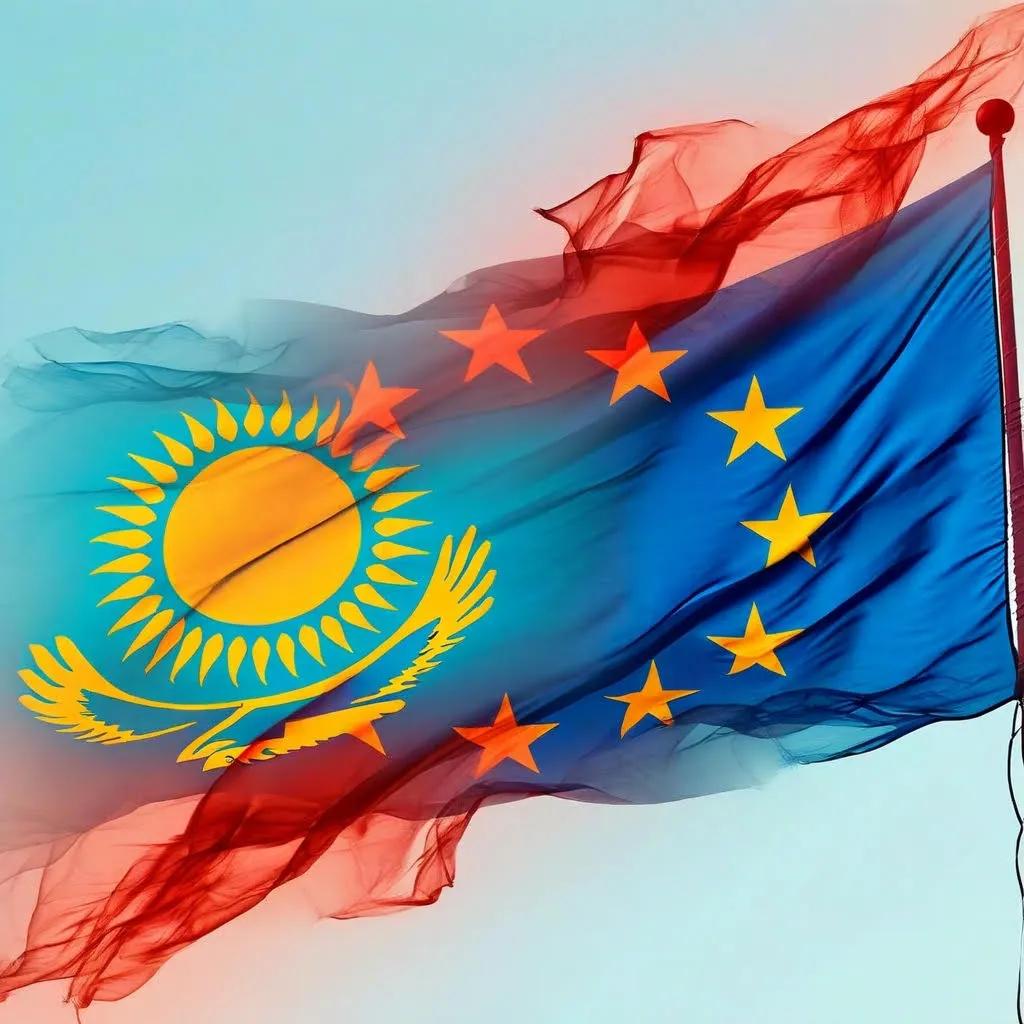
Central Asian states at the 2025 Samarkand Summit reaffirmed UN resolutions on Cyprus, signaling EU alignment and raising concerns in Turkey over TRNC recognition and Turkic solidarity.
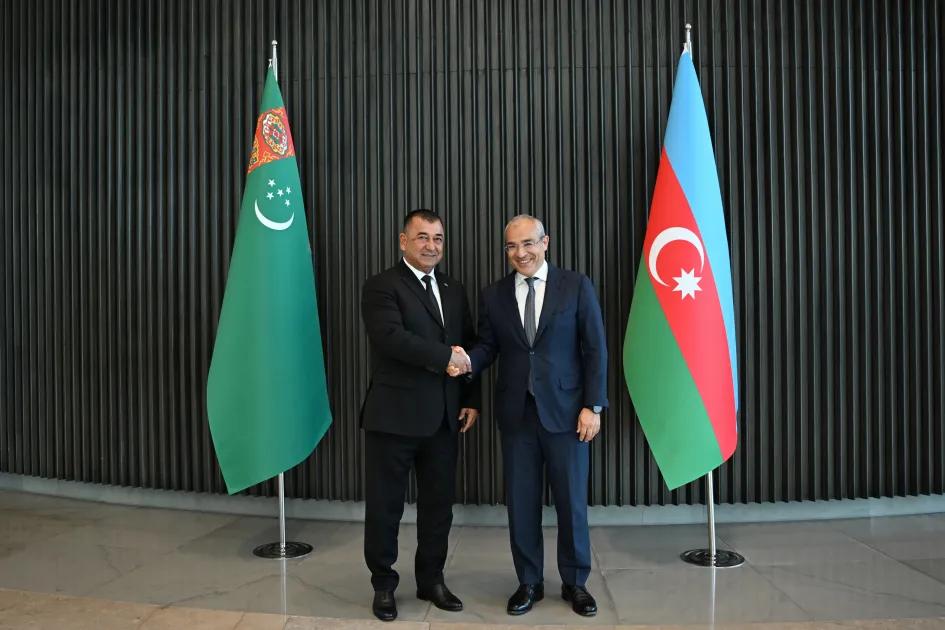
Azerbaijan and Turkmenistan have reaffirmed their commitment to strengthening bilateral cooperation during the 8th session of the Joint Intergovernmental Commission on Economic and Humanitarian Collaboration, held in Baku.
Discover Türkiye through the eyes of Aykerim Absamatova, an International Relations and Economy specialist and avid traveler. She shares unique cultural observations, comparing the spirit and streets of Türkiye with European cities based on her global experience.
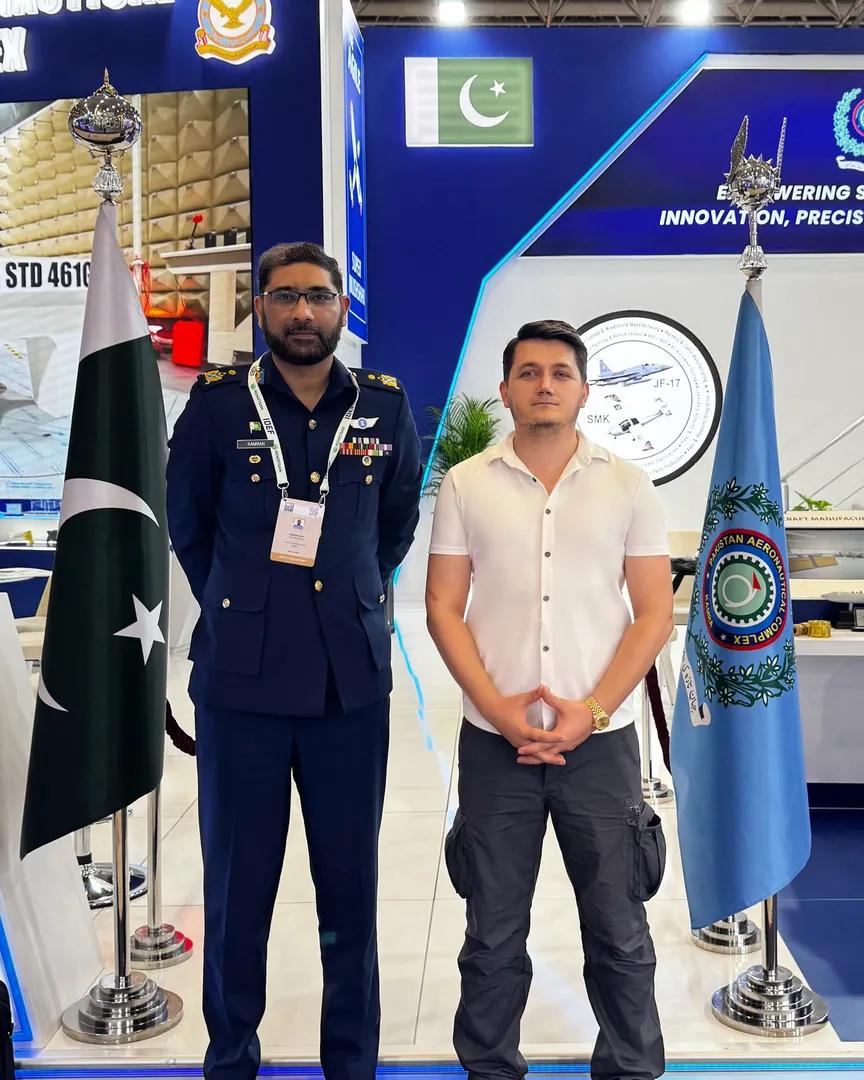
In this framework, Pakistan is not merely a traditional and friendly defense partner; it can also act as a strategic bridge facilitating Türkiye’s establishment of multipolar and technology-driven relationships with rising powers across Asia.
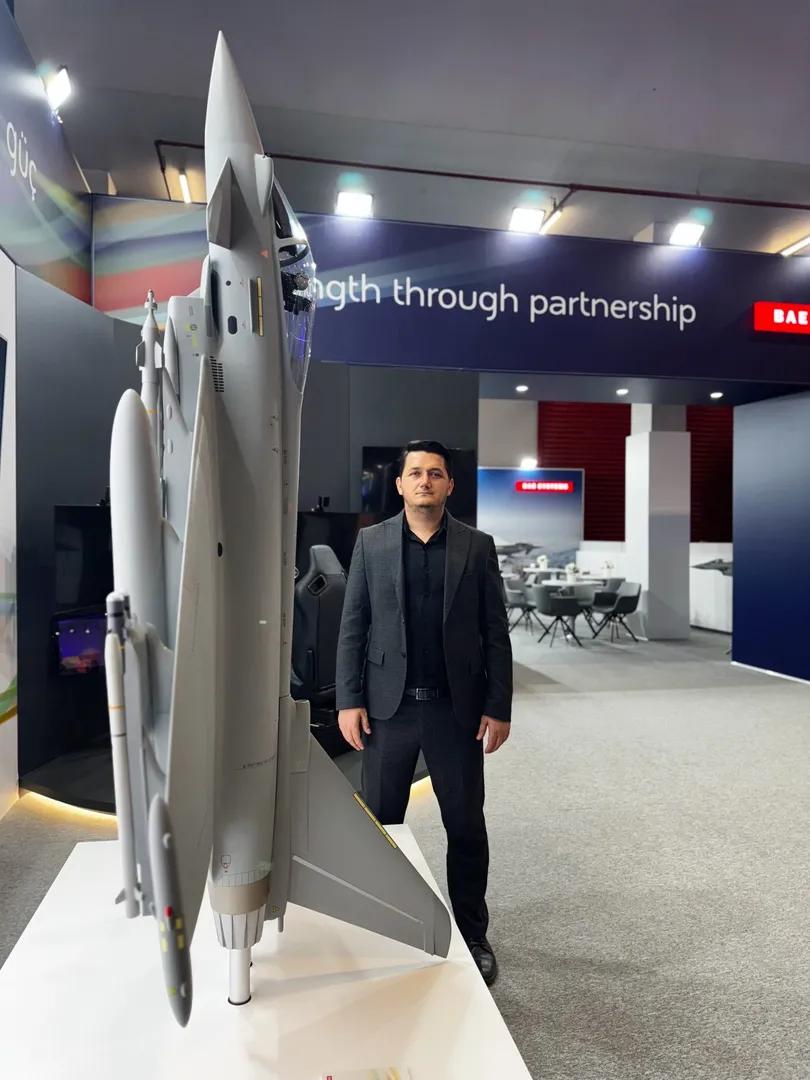
Türkiye's participation in the International Defence Industry Fair (IDEF 2025) highlighted a multifaceted defense strategy. The country's strong interest in acquiring the Eurofighter Typhoon, evidenced by diplomatic agreements with the UK and Germany's subsequent approval, demonstrates a focus on short-term capability enhancement through international cooperation and technology transfer. Simultaneously, this move is balanced by the critical long-term priority of achieving strategic autonomy via the indigenous fifth-generation KAAN fighter jet project. The overall policy aims to transform Türkiye from a defense consumer into a global producer and strategic driver, necessitating increased R&D investment, support for local firms, and active, non-isolated international engagement.
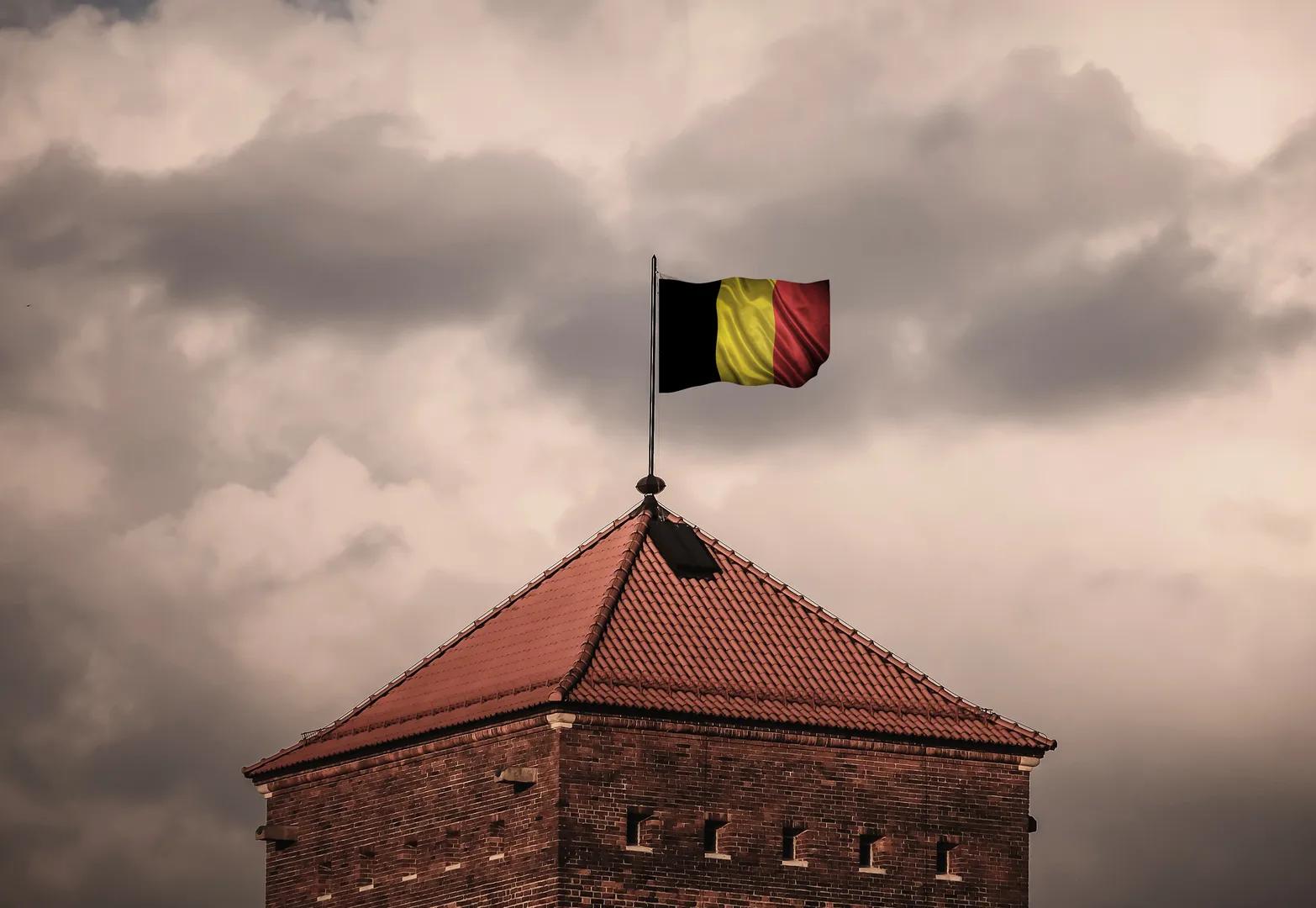
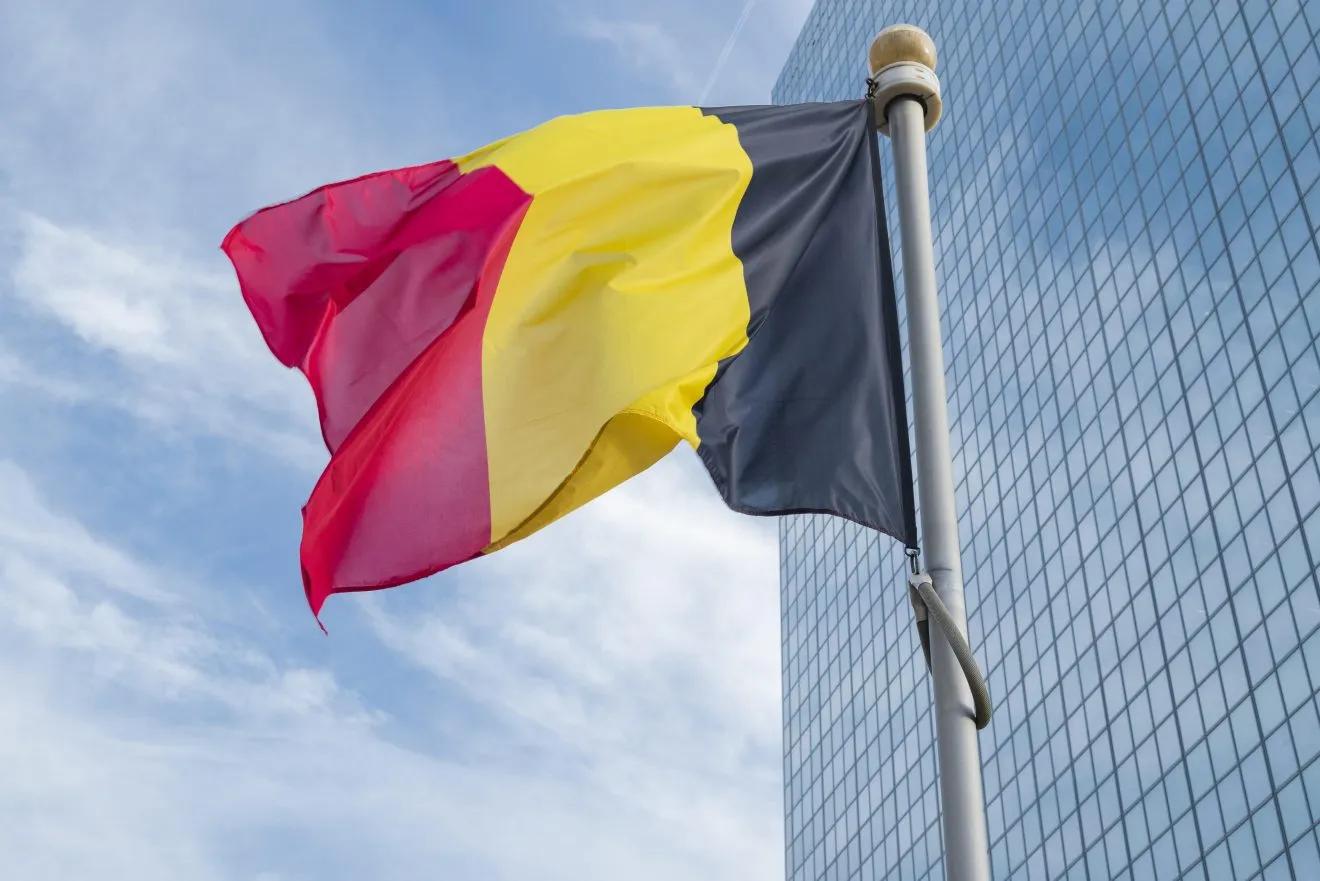
Belgian Defense Minister Theo Francken’s Turkey visit and homage to Atatürk spark debate amid soaring defense budgets and shifting political ambitions.
Since 1991, Kazakhstan has welcomed over 1.15 million ethnic Kazakhs back to their ancestral homeland under the “kandas” program. With repatriation numbers continuing to rise in 2025, the initiative stands as a key pillar of Kazakhstan’s post-Soviet diaspora and identity policy.
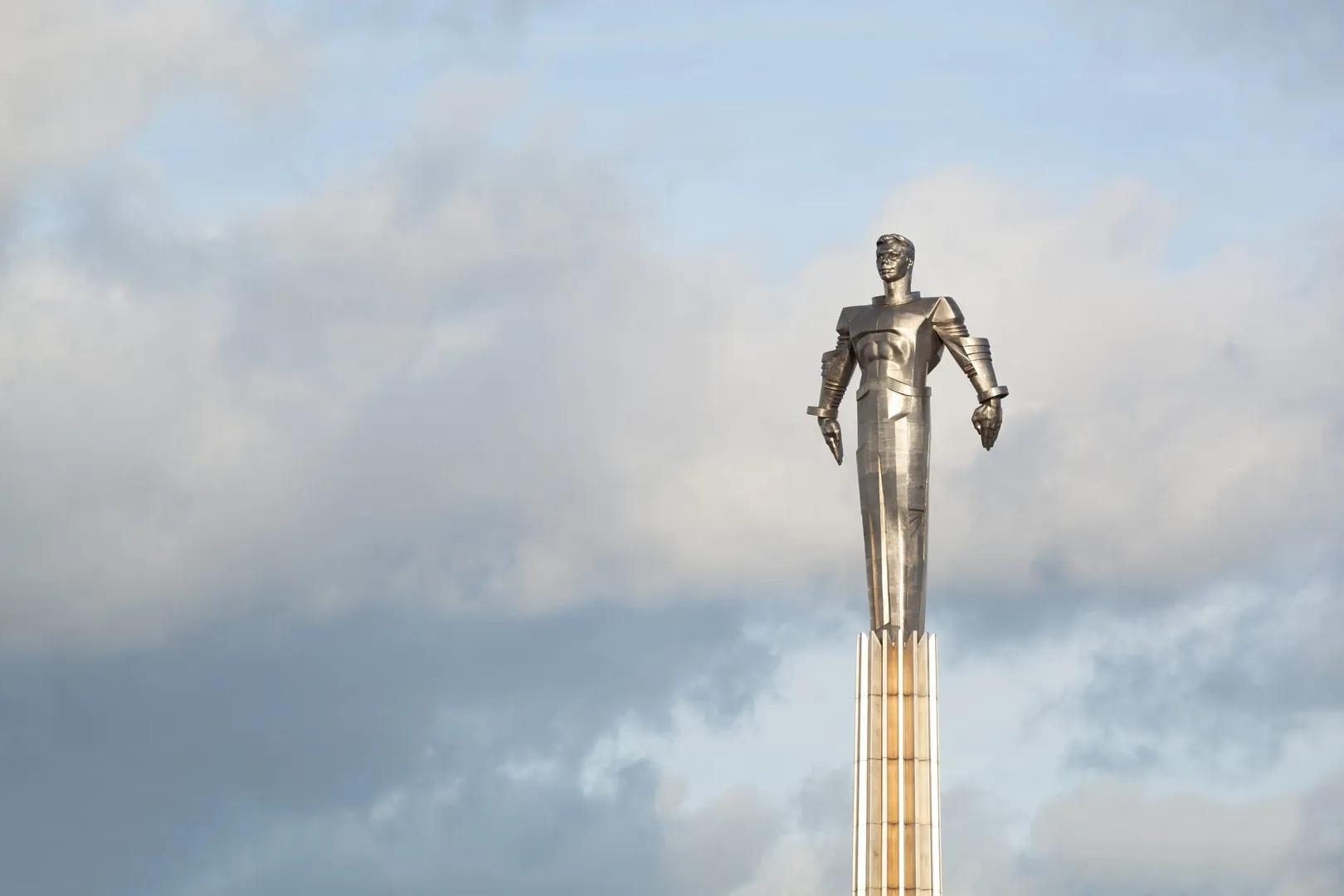
The historic Gagarin Launch Pad at Baikonur Cosmodrome — the site of Yuri Gagarin’s pioneering 1961 spaceflight — has officially been transferred from Russia to Kazakhstan. Now envisioned as a future museum and UNESCO World Heritage candidate, the site symbolizes a new era of Kazakh–Russian cooperation and the preservation of humanity’s space legacy.
It’s important to know that Uzbek history is one of the richest in the world. From the Karakhanid era to the Khanate of Bukhara, through the rich history of the Timurids and the Mughals, the history of the Uzbeks and Uzbekistan is one of the richest in the world.
On July 16, 2025, Kazakhstan and Hungary strengthened their strategic partnership in digitalization and space technologies. Deputy Foreign Minister Alibek Kuantyrov met with 4iG Plc. Chairman Gellért Jászai to advance cooperation in telecommunications, satellite systems, and innovation.
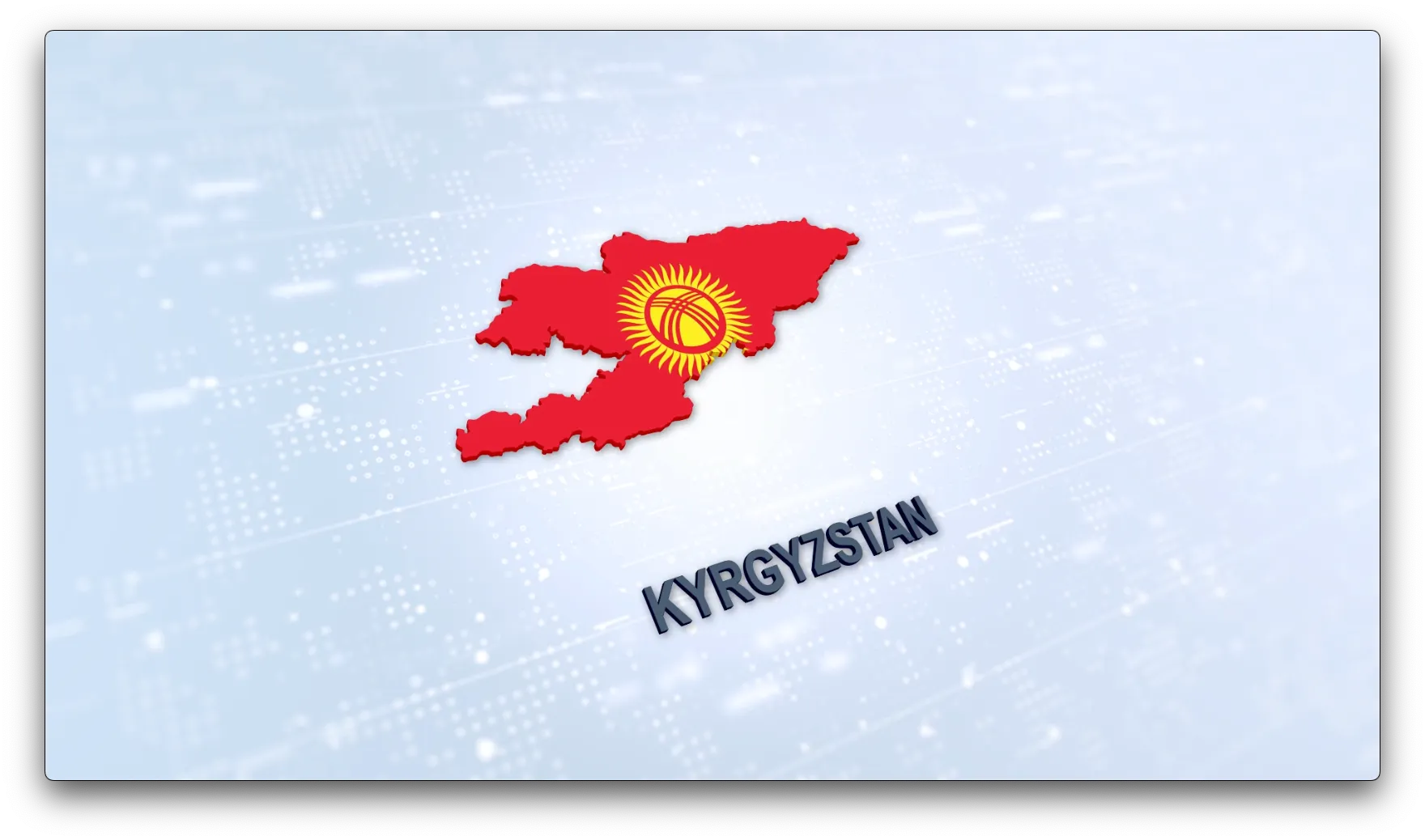
On July 17, 2025, Kyrgyzstan’s Foreign Minister Zheenbek Kulubaev chaired a Collegium meeting reviewing the diplomatic service’s performance for the first half of the year, highlighting key foreign policy achievements and setting priorities for the remainder of 2025.
The US has proposed a significant geopolitical solution for the disputed Zangezur Corridor (32 km), suggesting a neutral American logistics company manage the route for 100 years. The corridor is vital for the Middle Corridor (Central Asia to Europe via Türkiye), potentially weakening Russian and Iranian transit influence. The proposal aims to resolve the sovereignty conflict between Armenia and Azerbaijan by providing an impartial third-party security and cargo oversight, driving broader diplomatic realignment in the South Caucasus.
Cryptocurrency and the creation of strategic Bitcoin reserves have become major initiatives worldwide. Kazakhstan has now joined the ranks of countries preparing to establish their own digital asset reserves.
President Tokayev has signed a broad reform package strengthening oversight, urban development, and national security. The new law modernizes infrastructure, enhances state auditing, tightens migration control, and improves crisis response systems.
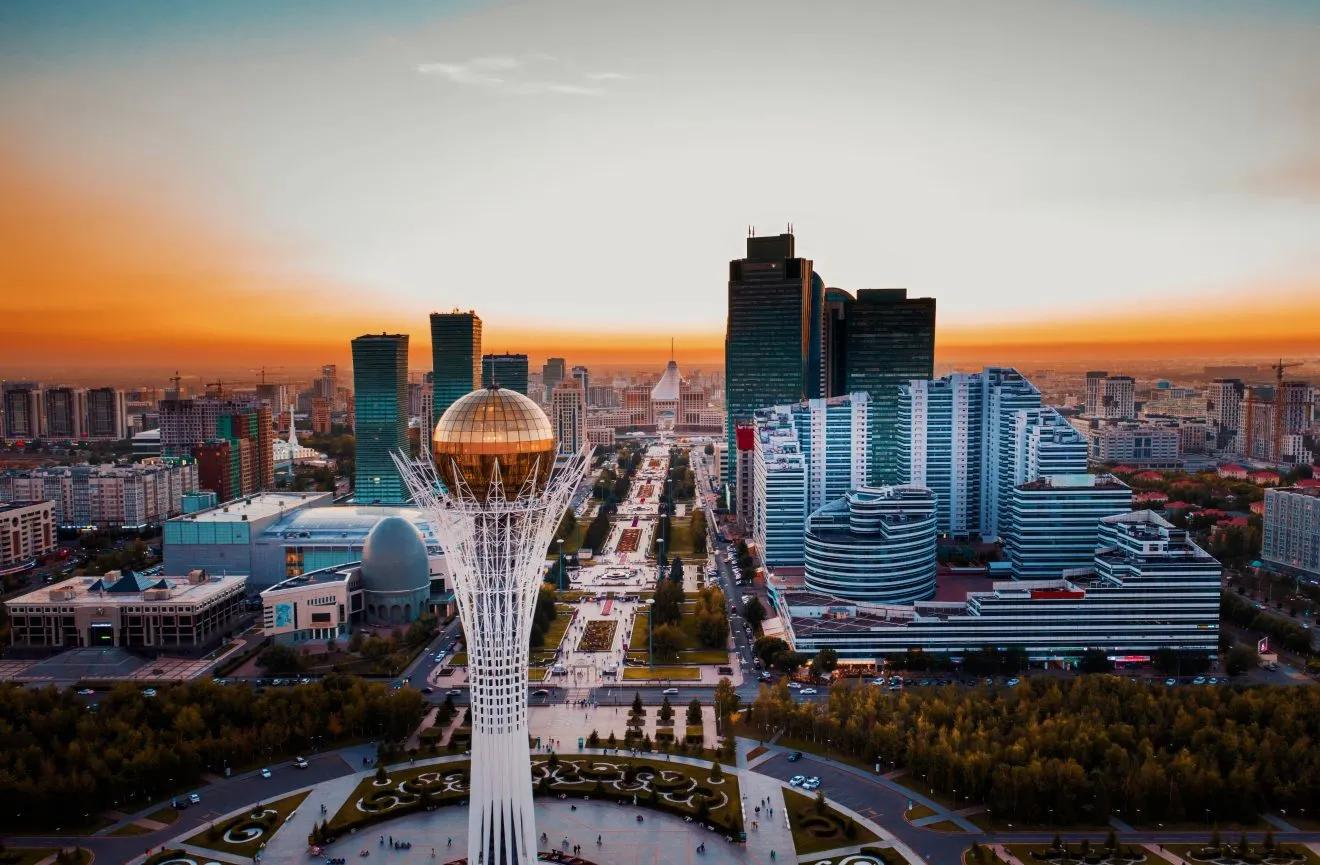
At the CICA headquarters inauguration, President Tokayev linked Kazakhstan’s “Steppe Diplomacy” to global challenges, warning that power is increasingly placed above law. He called for renewed respect for international norms and the UN Charter.
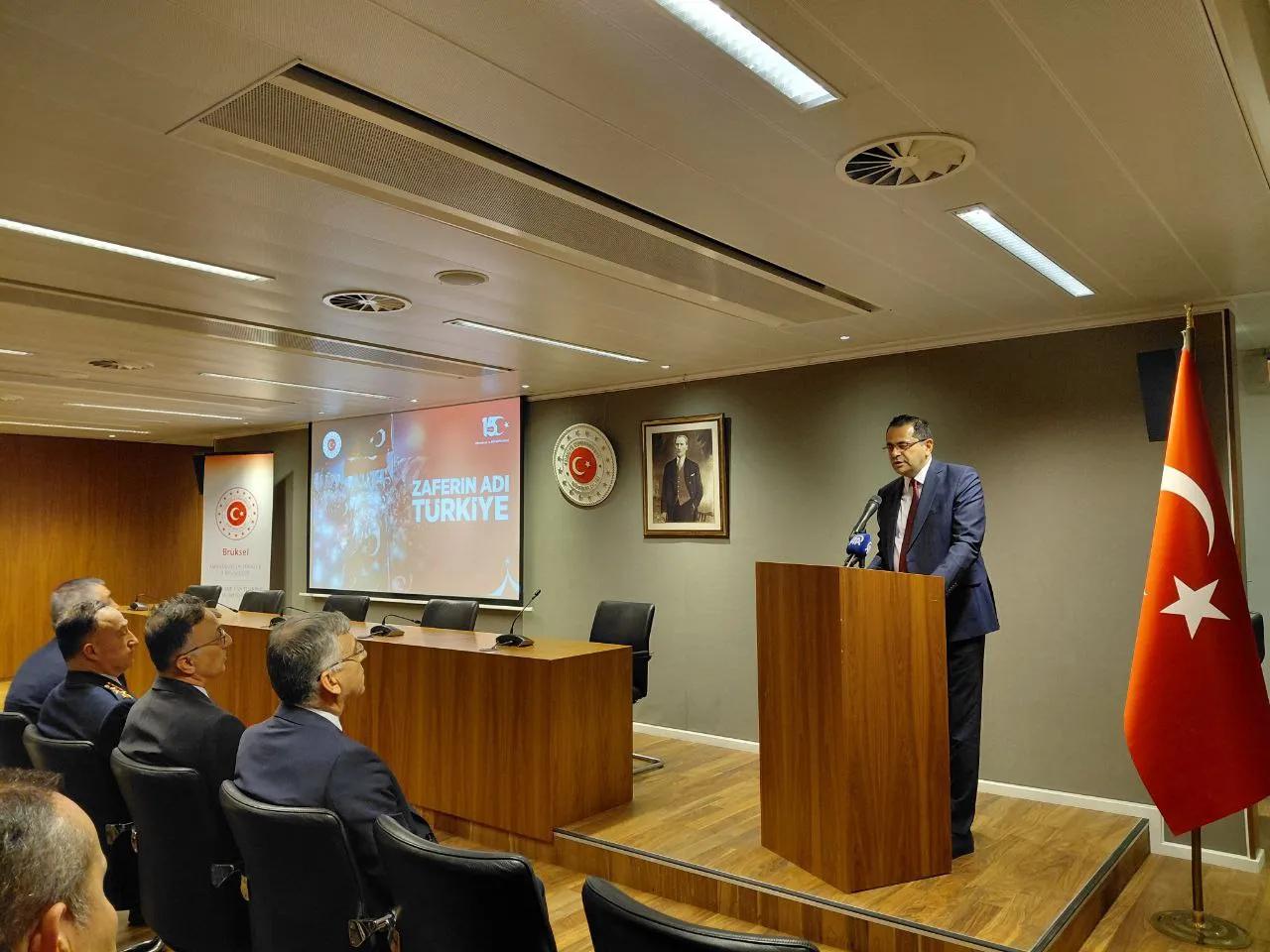
The Turkish Embassy in Brussels hosted a solemn ceremony to mark the ninth anniversary of the failed coup attempt in Türkiye on July 15, 2016 and the Democracy and National Unity Day.
Kazakhstan has become a pivotal player in global nuclear energy, supplying 40% of the world’s uranium and leading efforts to secure resilient, diversified supply chains. With rising uranium prices, geopolitical shifts, and new export routes like the Trans-Caspian International Transport Route (TITR), Kazakhstan is redefining its role in global energy security and nuclear governance.